▶ Stage 3 — Experience
Things to Do in Morioka: Nambu Ironware, Hara Takashi, Miyazawa Kenji, Mt. Iwate and 2 Festivals of Early Summer and Summer
Tour a Nambu ironware maker’s gallery and the Hara Takashi Memorial Museum in town, see Miyazawa Kenji materials in the main building of the former Morioka Imperial College of Agriculture and Forestry, and look out at Mt. Iwate and Mt. Himekami from the Tamayama area in the north of the city. I have also put together the dates of Chagu Chagu Umakko in June and Morioka Sansa Odori in August.
This page contains promotions. If you book or sign up through the links (Booking.com, Trip.com, Rakuten Travel, Sakura Mobile), I may receive a referral fee.
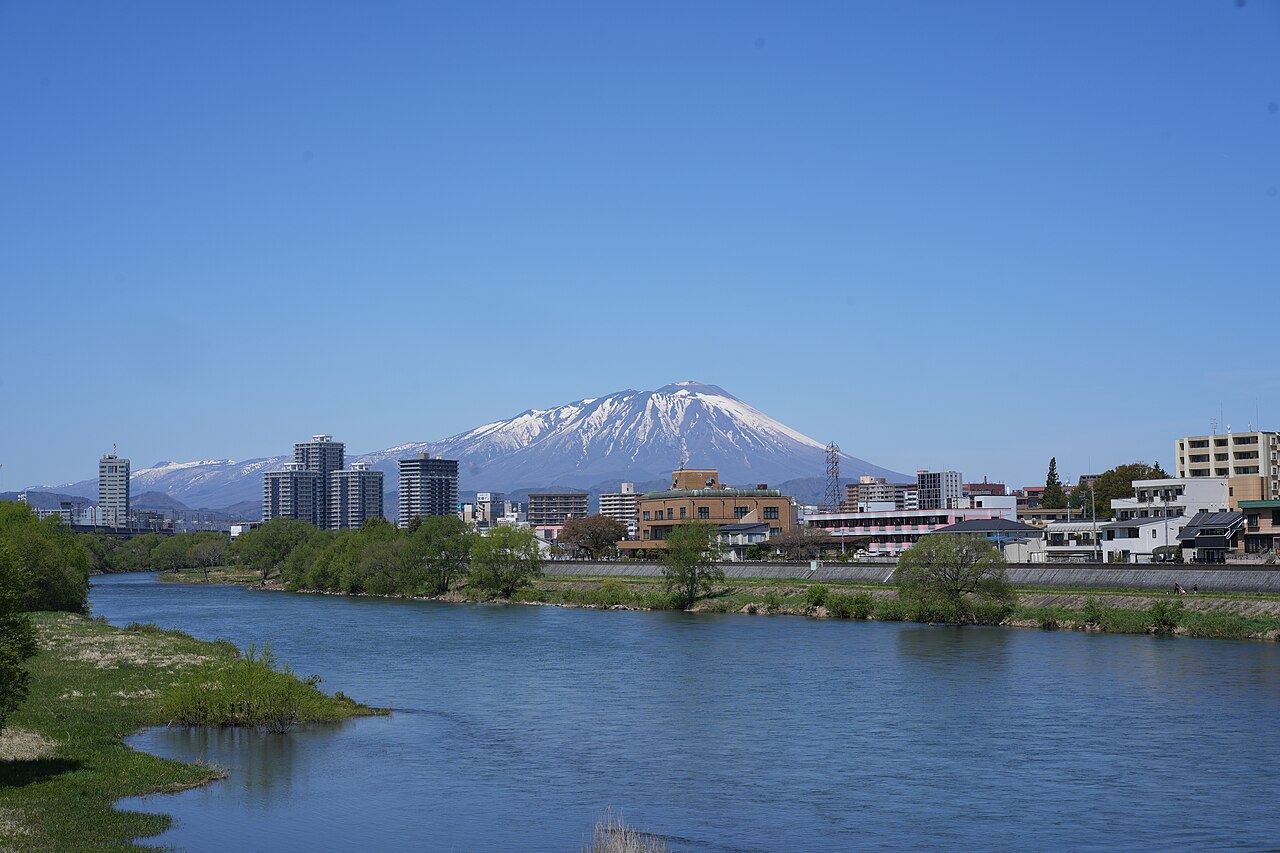
Morioka is the city listed second, right after London, in “52 Places to Go in 2023,” published by The New York Times on January 12, 2023. The article’s summary was “A walkable gem without the crowds, just a short bullet train ride from Tokyo”.
This article narrows what you can see in that city down to 6 things. Everything here is a fact I checked on official pages on 2026/11/15. Opening days and restrictions change, so reopen the source pages before you go.
- Iwachu Tekkikan: Learn Where Nambu Ironware Comes From
- Hara Takashi Memorial Museum: Japan’s 19th Prime Minister, from Morioka
- Miyazawa Kenji and Morioka: The Museum of Agricultural Education and Ihatov
- Viewing Mt. Iwate and Mt. Himekami from Morioka
- Chagu Chagu Umakko: Horses with Jingling Bells on the Second Saturday of June
- Morioka Sansa Odori: Taiko Drums on Chuo-dori, August 1 to 4
- Things to Do in Morioka: FAQ
Iwachu Tekkikan: Learn Where Nambu Ironware Comes From
A free-admission gallery run by an ironware company founded in Meiji 35
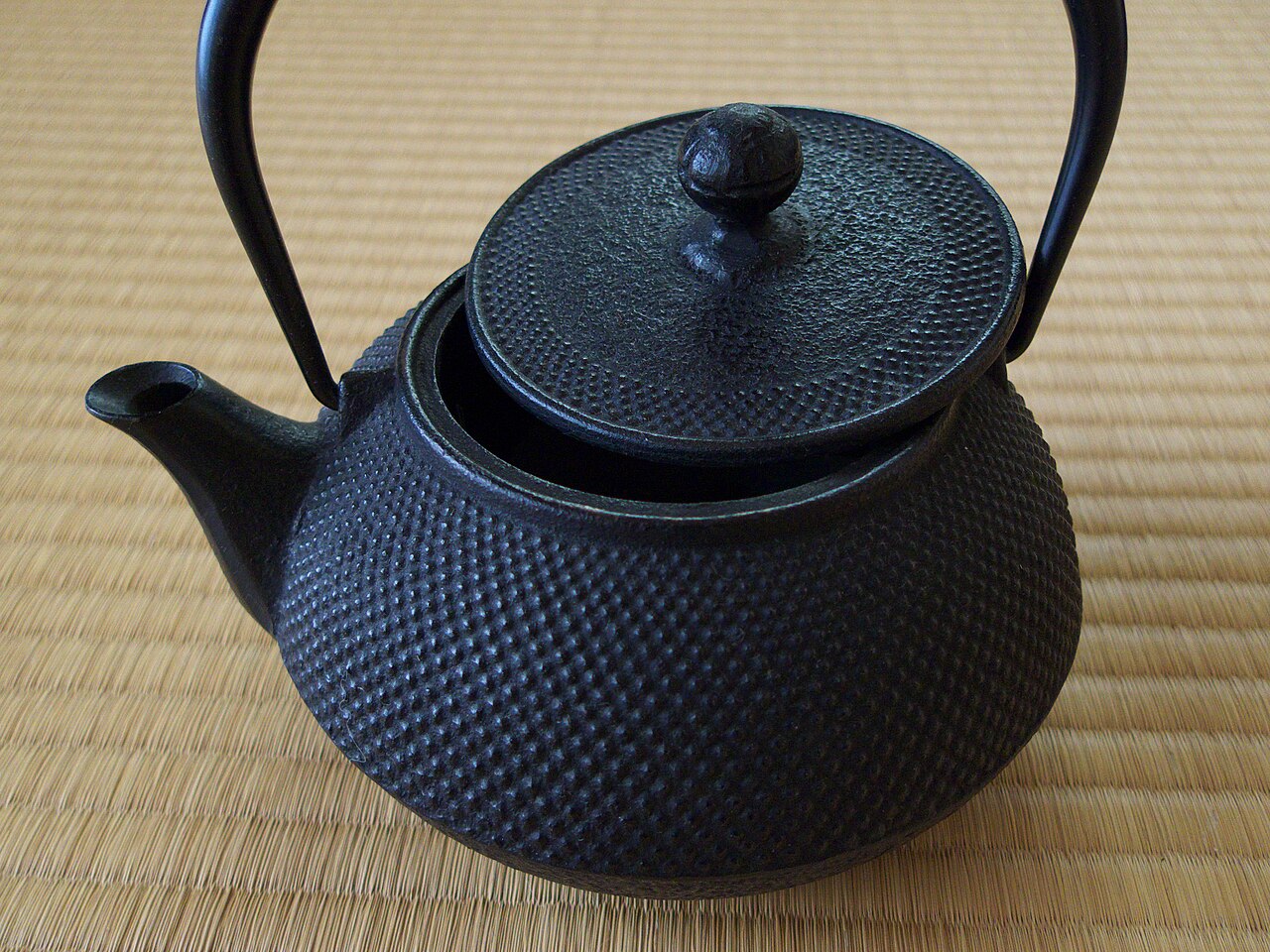
Nambu ironware has 2 production areas. One developed in Morioka during the Edo period under the Nambu domain, centered on tea-ceremony kettles and iron kettles (tetsubin). The other is everyday cast-iron ware that took root early on in the former city of Mizusawa, which was Date domain territory.
Tea-ceremony kettles and tetsubin are still made by hand, one at a time. Nambu ironware was in the first group designated as a national Traditional Craft, on February 17, 1975 (Showa 50).
Iwachu is a Nambu ironware company founded in June 1902 (Meiji 35). It is headquartered in Minami-Senboku, Morioka, and makes tetsubin and teapots. Its company profile mentions producing Nambu ironware with overseas designers and opening up overseas markets early on.
Iwachu Tekkikan Opening Days
Iwachu Tekkikan is at Iwachu in Minami-Senboku 2-chome, Morioka, and admission is free. The shop is open 10:00–17:00. It is closed on Tuesdays and over the New Year holidays (12/29–31 and 1/1); when Tuesday is a public holiday it is open (except over New Year).
-
-
Things to Do in Tohoku: Geibikei, Oirase and Matsushima
GO JAPAN NOW Contents Things to Do in Tohoku: Pick by Answering Questions1. Where do you want to go? …
続きを見る
Hara Takashi Memorial Museum: Japan’s 19th Prime Minister, from Morioka
The museum of a prime minister who served a little over 3 years from Taisho 7
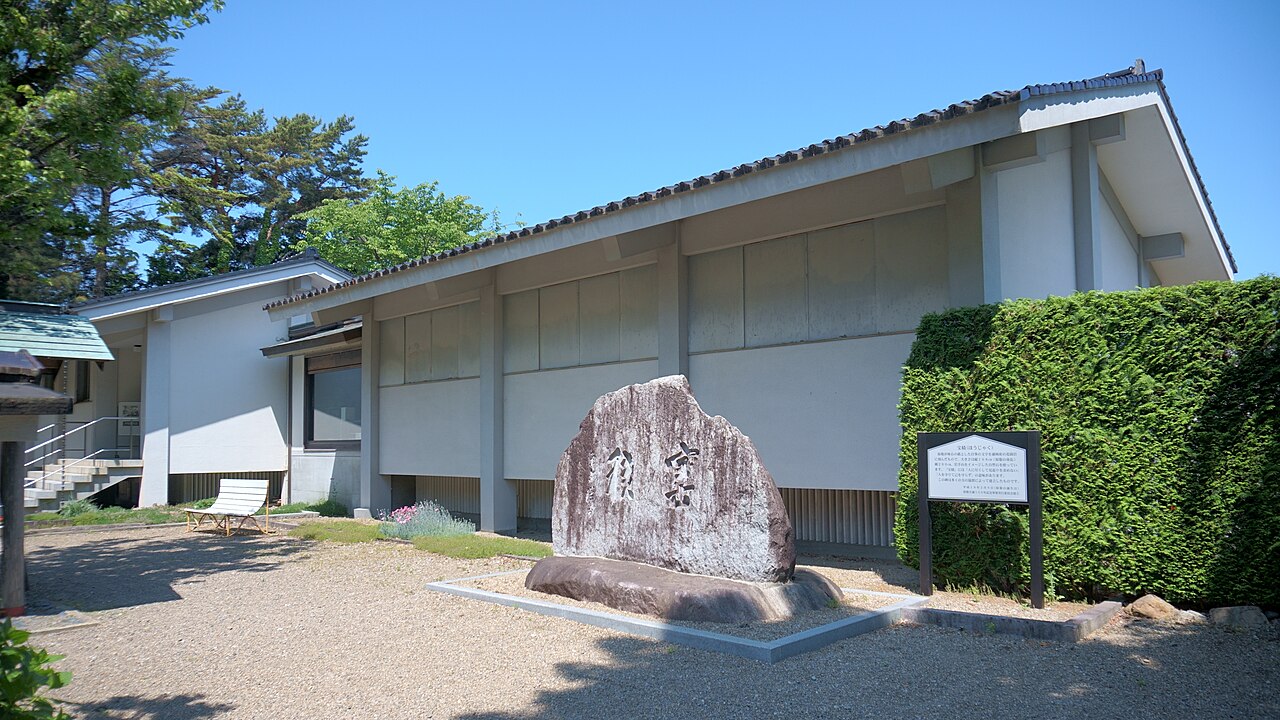
Hara Takashi, from Iwate Prefecture, was Japan’s 19th prime minister. The Hara cabinet was formed on September 29, 1918 (Taisho 7), and he remained in office until his death on 1921/11/4 (Taisho 10).
Location and Opening Hours
The Hara Takashi Memorial Museum is at 4-38-25 Motomiya, Morioka. It is open 9:00–17:00, with last entry at 16:30. It is closed every Monday; when Monday is a public holiday, it closes the following day instead. From Morioka Station, take the “Seinan Loop 200 (counterclockwise)” bus and get off at “Hara Takashi Kinenkan-mae.”
Miyazawa Kenji and Morioka: The Museum of Agricultural Education and Ihatov
Kenji materials are kept in the main building of the former Morioka Imperial College of Agriculture and Forestry
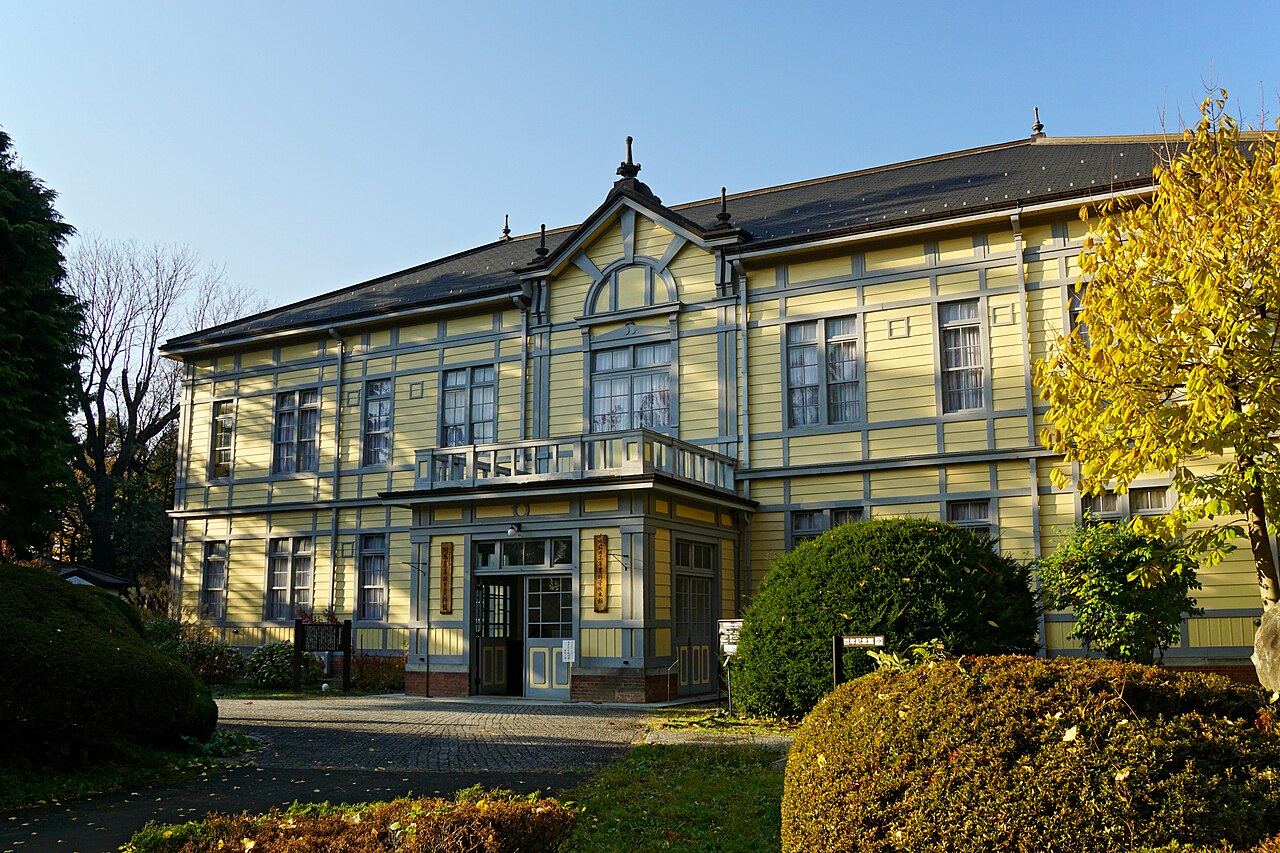
The Museum of Agricultural Education at Iwate University’s Faculty of Agriculture occupies the main building of the former Morioka Imperial College of Agriculture and Forestry, a nationally designated Important Cultural Property. The university’s guide lists “materials related to Miyazawa Kenji” among the museum’s holdings. Admission is ¥140 for individuals, and ¥100 or ¥70 depending on the category. Prices are in Japanese yen, as checked on the Iwate University page on 2026/11/15.
The Word “Ihatov”
Hanamaki City explains “Ihatov” as the dreamland Kenji pictured in his mind while standing in the real landscape and climate of Iwate.
The Miyazawa Kenji Ihatov Center (Ihatov-kan) in Hanamaki was built as a “reliable travel information office” for the world Kenji dreamed of. It also houses the headquarters of the Miyazawa Kenji Society Ihatov Center, an association of Kenji enthusiasts and researchers. The Kenji facilities in Hanamaki are covered in the Iwate article.
Viewing Mt. Iwate and Mt. Himekami from Morioka
8 viewpoints chosen by the city, and the climbing restrictions
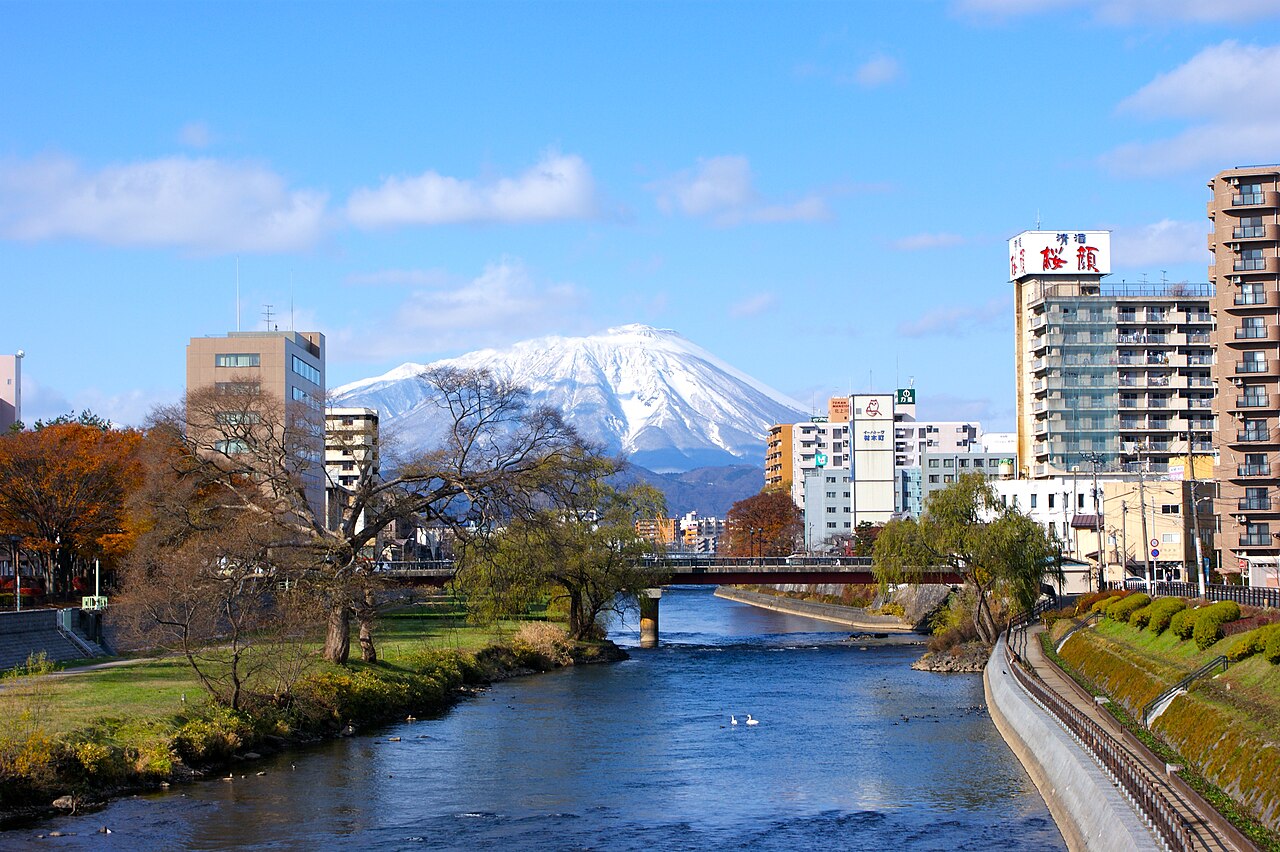
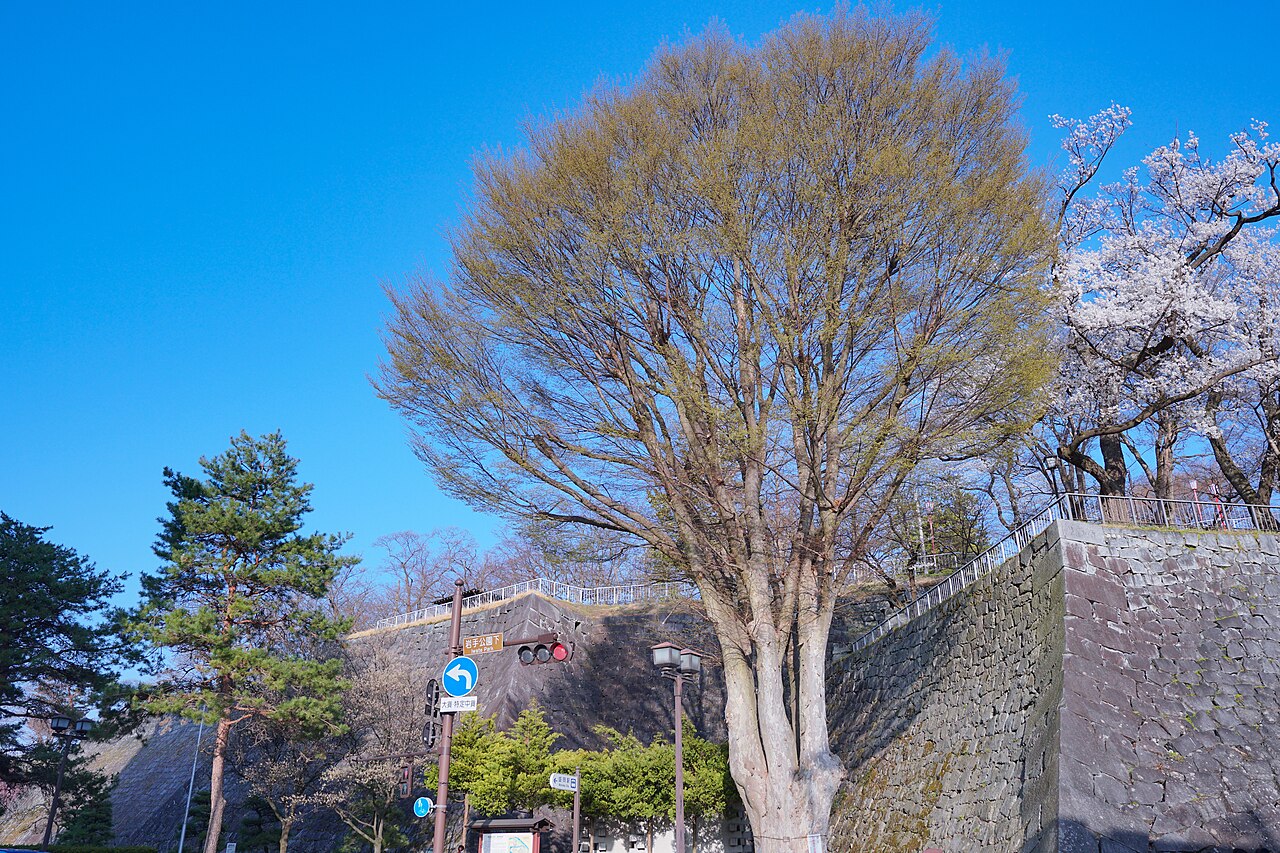
Based on a questionnaire in its landscape survey of fiscal Heisei 18, Morioka City chose 8 spots in the Tamayama area with views of Mt. Iwate and Mt. Himekami as “important viewpoints.” Signboards have been put up at those spots since fiscal Heisei 20. Of the 8, Shibutami Park has views of both Mt. Iwate and Mt. Himekami. Shibutami Ryokuchi (Mt. Atago) is a spot for viewing Mt. Iwate.
If You Climb Mt. Iwate (as of 2026/11/15)
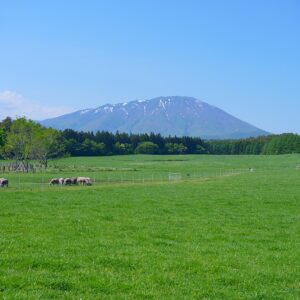
Because shallow inflation was observed near Ojigokudani on West Mt. Iwate, the volcanic alert level was raised to 2 (restrictions around the crater) on 2024/10/2. The Japan Meteorological Agency lowered it to level 1 (be aware that it is an active volcano) at 11:00 on August 27, 2026.
However, access restrictions continue on the western trails, where volcanic activity is relatively high. According to the Tohoku Regional Forest Office notice (restrictions from 2026/10/1), the trailhead that remains closed to climbers is the Kenmin-no-Mori trailhead (Hachimantai City).
According to Morioka City, the western trails are expected to reopen once Takizawa City, Hachimantai City and Shizukuishi Town, which manage them, finish their safety checks. Restrictions also continue on part of the trail leading to Ojigokudani.
Morioka City asks climbers to submit climbing and descent notifications, carry a mobile phone that can receive emergency volcano alerts, and follow the restriction signs on site. For the eastern trailheads (Umagaeshi, Yakehashiri, Uwabo and Omisaka), check the Morioka City page. Even at level 1, the Japan Meteorological Agency warns that volcanic gas may vent near Ojigokudani. Restrictions change. Before the day you climb, check the latest restrictions on the pages of the Japan Meteorological Agency, Morioka City and the Tohoku Regional Forest Office (all in Japanese).
-
-
Things to Do in Iwate: Koiwai Farm, Hiraizumi, Ryusendo, Sanriku
Things to do in Iwate beyond Morioka, with the travel times for getting there: how Koiwai Farm got its name, the geothermal power station in Hachimantai, the Hanamaki Onsen area, Chuson-ji and Geibikei Gorge, Ryusendo Cave, the rias coast south of Miyako, and the hometowns of Shohei Ohtani and Roki Sasaki.
続きを見る
Chagu Chagu Umakko: Horses with Jingling Bells on the Second Saturday of June
About 14 km from a shrine in Takizawa to Morioka Hachimangu Shrine
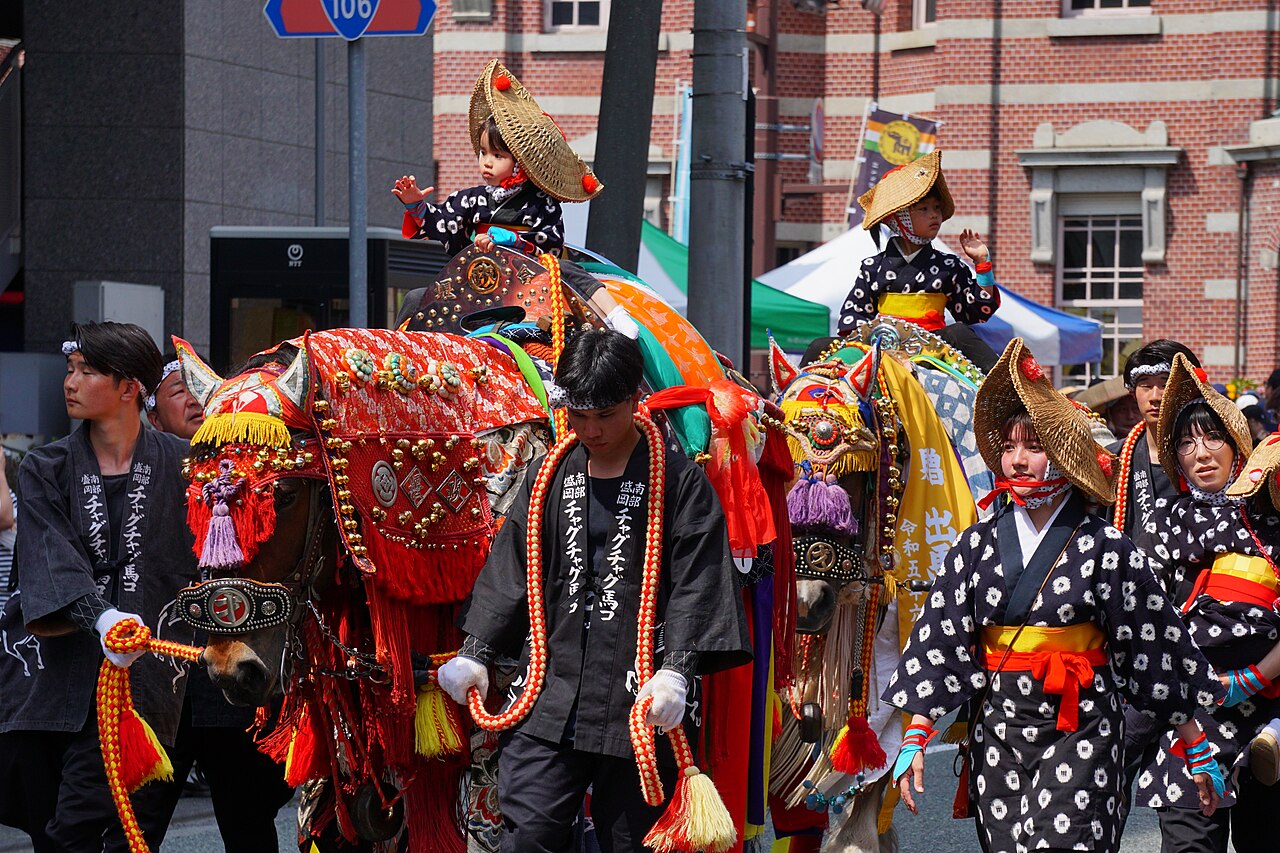
On the second Saturday of June, nearly 70 farm horses in colorful costumes walk about 14 km from Onikoshi Sozen Shrine in Takizawa, the city next to Morioka, to Morioka Hachimangu Shrine in central Morioka. Each costume is said to carry as many as 700 bells, which ring “chagu chagu” with every step. The date has been the second Saturday of June since Heisei 13, a change made so that more horses could take part and more people could watch.
It Began as a Shrine Visit to Rest Horses Tired from Rice Planting
Iwate has long been horse-breeding country, and people lived side by side with their horses. Chagu Chagu Umakko began when, on the Boys’ Festival (Tango no Sekku) of the old lunar calendar, people rested horses worn out from preparing the rice fields and visited Onikoshi Sozen Shrine to pray for good health. In the middle of the Edo period, as the shrine visits grew popular, the custom of dressing up beloved horses spread.
Costumes Are Handed Down in Each Family
How the costumes are made differs from family to family and has been passed down through the generations. Today, workshops on making them are held in winter, when farm work is quiet. A full costume weighs about 60 kg, and on the day the whole family turns out from early morning to dress the horse.
The women in the procession wear the “anekko” costume handed down in Shizukuishi: a kasuri (splash-pattern) kimono with a yellow obi, black momohiki leggings with white tabi socks and zori sandals, and on the head a mame-shibori (dotted) hand towel and a woven hat with red pompoms.
Morioka Sansa Odori: Taiko Drums on Chuo-dori, August 1 to 4
The parade starts at 18:00. A world record for simultaneous taiko drumming
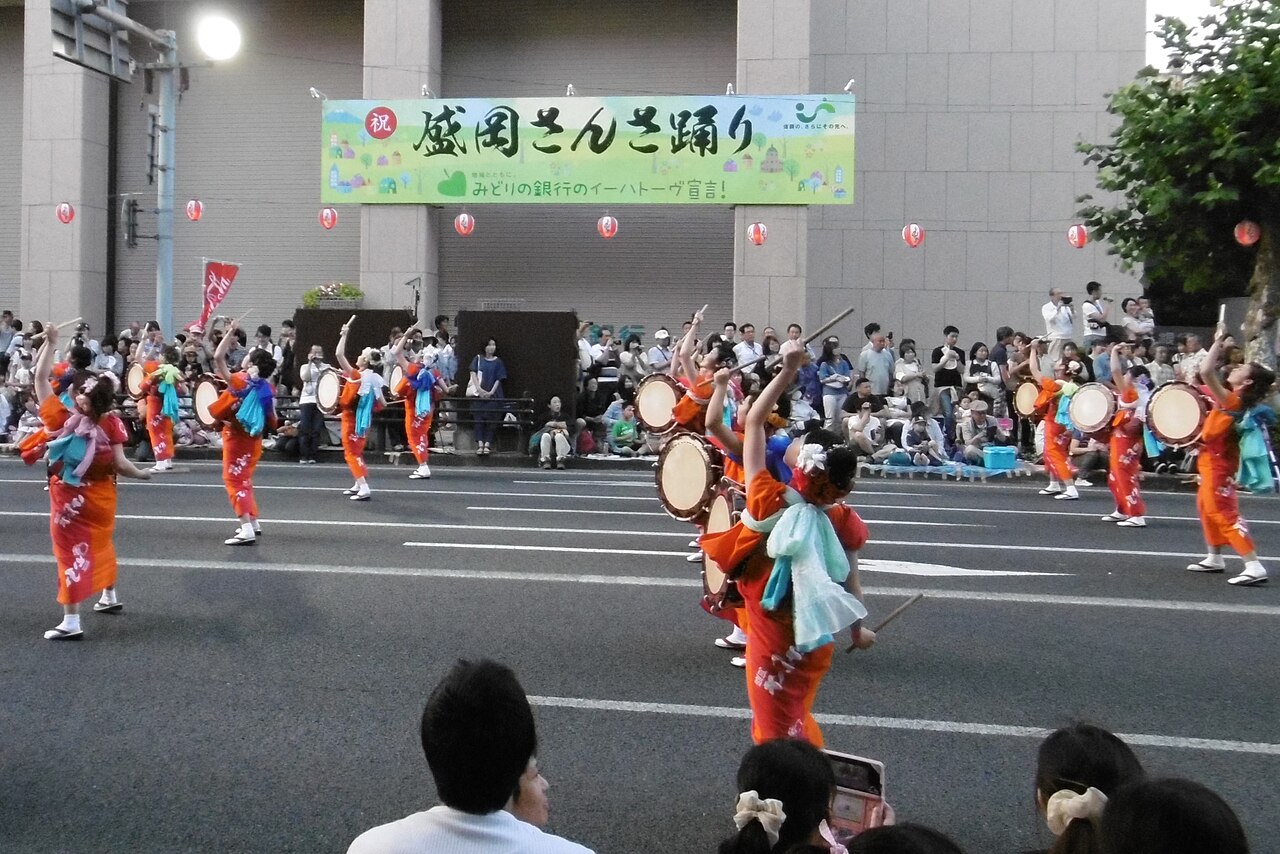
Morioka Sansa Odori is held every year from August 1 to 4 on Chuo-dori in Morioka (about 1 km from in front of the prefectural office). The parade starts at 18:00, with about 36 thousand participants in all, counting dancers, flutes and drums. Iwate Prefecture’s tourism site “Iwate no Tabi” counts it among Tohoku’s five great festivals, and Morioka City also says it has become known as one of Tohoku’s five great festivals.
It is a Bon dance handed down from the feudal domain era, said to have begun long ago when people danced for joy on the grounds of Mitsuishi Shrine after a demon was driven away. On the afternoons of August 1 to 4, the “Traditional Sansa Odori Competition” is held at Morioka Civic Cultural Hall and the station plaza, where groups from each district perform the dances they have passed down.
Winning Back the World Record for Simultaneous Taiko Drumming
On June 10, 2007, to mark the 30th Sansa Odori, 2,571 people played taiko drums at the same time, and it was recognized as a world record. That record was broken in 2011 by 2,778 people in Kumamoto. On June 29, 2014, 3,437 people played at the athletics stadium of Iwate Prefectural Sports Park in Morioka and won the world record back. The attempt brought together people hoping for the recovery of Iwate, hit by the Great East Japan Earthquake and tsunami.
Choosing Where to Stay on Festival Night
The parade starts at 18:00, so if you decide where to stay beforehand, you can linger on the street without watching the clock for the trip back. The 3 links below open search results for Morioka stays filtered by rating: 8.0 or higher out of 10 on Booking.com and Trip.com, and 4.0 or higher out of 5 on Rakuten Travel.
When I opened them on 2026/11/15, Booking.com showed 25 properties in Morioka, Trip.com 40 and Rakuten Travel 44. Besides hotels near the station, ryokan at Morioka Tsunagi Onsen also appear.
Enter your dates, number of guests and budget on the page that opens. The number of properties changes daily. Prices are as shown on each site, and the amount charged varies with the payment currency and your card’s exchange rate. These links include affiliate links.
Things to Do in Morioka: FAQ
Festival names, The New York Times article and closing days
-
-
Things to Do in Tohoku: Geibikei, Oirase and Matsushima
GO JAPAN NOW Contents Things to Do in Tohoku: Pick by Answering Questions1. Where do you want to go? …
続きを見る
-
-
Things to Do in Iwate: Koiwai Farm, Hiraizumi, Ryusendo, Sanriku
Things to do in Iwate beyond Morioka, with the travel times for getting there: how Koiwai Farm got its name, the geothermal power station in Hachimantai, the Hanamaki Onsen area, Chuson-ji and Geibikei Gorge, Ryusendo Cave, the rias coast south of Miyako, and the hometowns of Shohei Ohtani and Roki Sasaki.
続きを見る
Sources (pages in Japanese; checked 2026/11/15)
The New York Times, “52 Places to Go in 2023” (published January 12, 2023; in English)
Iwate Prefecture, “Morioka City selected for The New York Times ’52 Places to Go in 2023′”
Iwachu (company profile)
Iwachu, “Iwachu Tekkikan”
Tohoku Bureau of Economy, Trade and Industry, “Nambu Ironware”
Prime Minister’s Office of Japan, “19th Prime Minister: Hara Takashi”
Morioka City, “Hara Takashi Memorial Museum”
Iwate University, “Museum of Agricultural Education”
Hanamaki City, “The Role of the Miyazawa Kenji Ihatov Center”
Morioka City, “Important Viewpoints in the Tamayama Area”
Japan Meteorological Agency, “Volcanic alert level for Mt. Iwate lowered to 1”
Tohoku Regional Forest Office, “Access restrictions on Mt. Iwate (from 10/1, Reiwa 8)”
Morioka City (notice on Mt. Iwate’s volcanic alert level and climbing restrictions)
Chagu Chagu Umakko official site
Morioka City, “Chagu Chagu Umakko”
Iwate no Tabi, “Morioka Sansa Odori”
Morioka Sansa Odori official site, “Challenging the World Record”
Morioka City (official site, on promoting Morioka Sansa Odori)