Where to Stay in Japan 2026 — Stay Types, Best Areas, Ryokan, Capsules, Rentals and Booking Tips on One Page
When choosing where to stay in Japan, which station you are near matters more than a hotel’s star rating. Pick your type of stay, choose an area in Tokyo, Kyoto and Osaka, learn the essentials of ryokan, capsule hotels and vacation rentals, then compare prices on two sites and book.
This page is built so you can make every accommodation decision in one place. Best areas, ryokan, capsule and business hotels, and vacation rentals used to have separate pages; we have pulled together only what a first trip really needs. Read from the top: type of stay, city and area, what to know for each type, where to book and when to book.
Step 1 — Choose your type of stay
It depends on who you travel with and how
Tap the one closest to you to jump to what you need to know about it. Prices are a 2026 guide per room per night.
For a first trip, the safest mix is a business or city hotel as your base with one night in a ryokan somewhere along the way. Solo travelers on a budget can try capsule hotels or guesthouses; families or anyone staying a week or more will find vacation rentals or apartment hotels with a kitchen and washing machine more convenient. Switching hotels repeatedly in one city eats time in packing and moving, so stick to one place per city.
-
-
First Time in Japan: The Ultimate 2026 Guide for First-Time Visitors
▶ Stage 1 — Planning First Time in Japan 2026 — 8 Things to Decide Before You Go: Timing, Route, Mon …
続きを見る
Step 2 — Choose your city and area
On a first trip, one area per city is enough
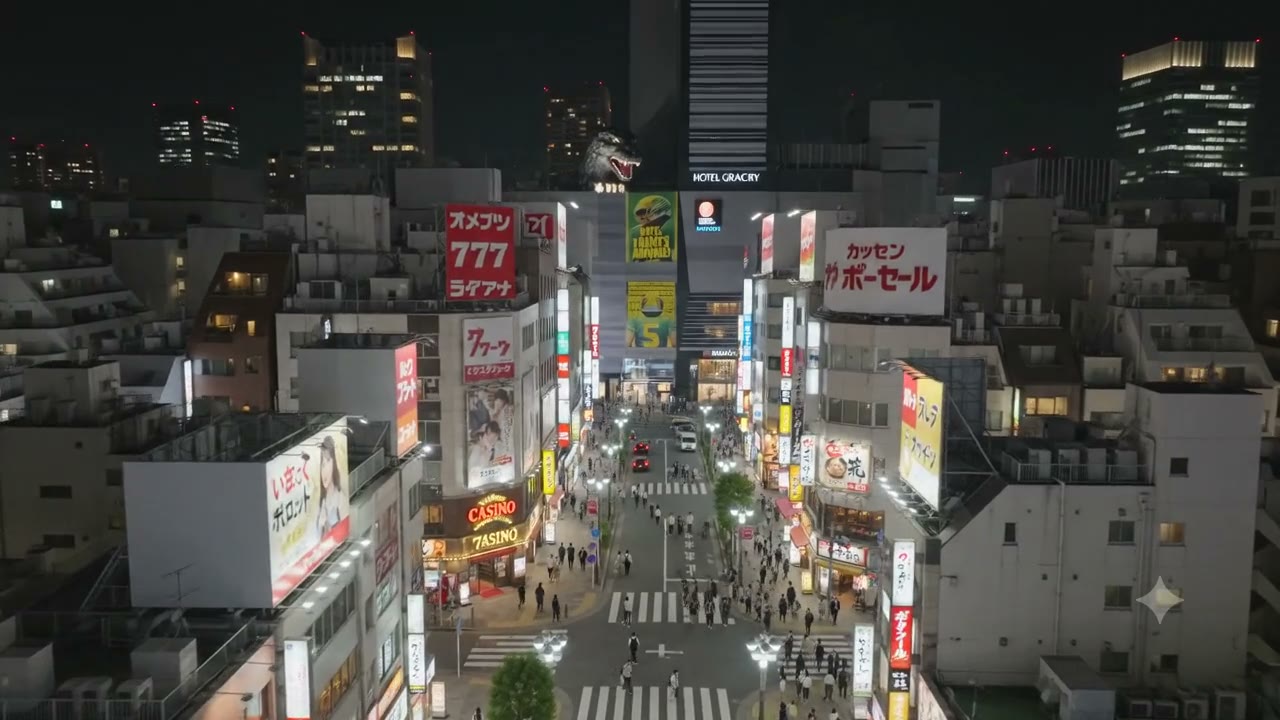
In Japan, location comes before hotel brand. Within a 5–10 minute walk of a major station, near restaurants open late, and few transfers to the sights you want: stay somewhere that ticks all three and you save 30 minutes to an hour of travel every day. Tap a city to see its hotels.
Tokyo — Shinjuku, Ueno, Asakusa, Tokyo Station
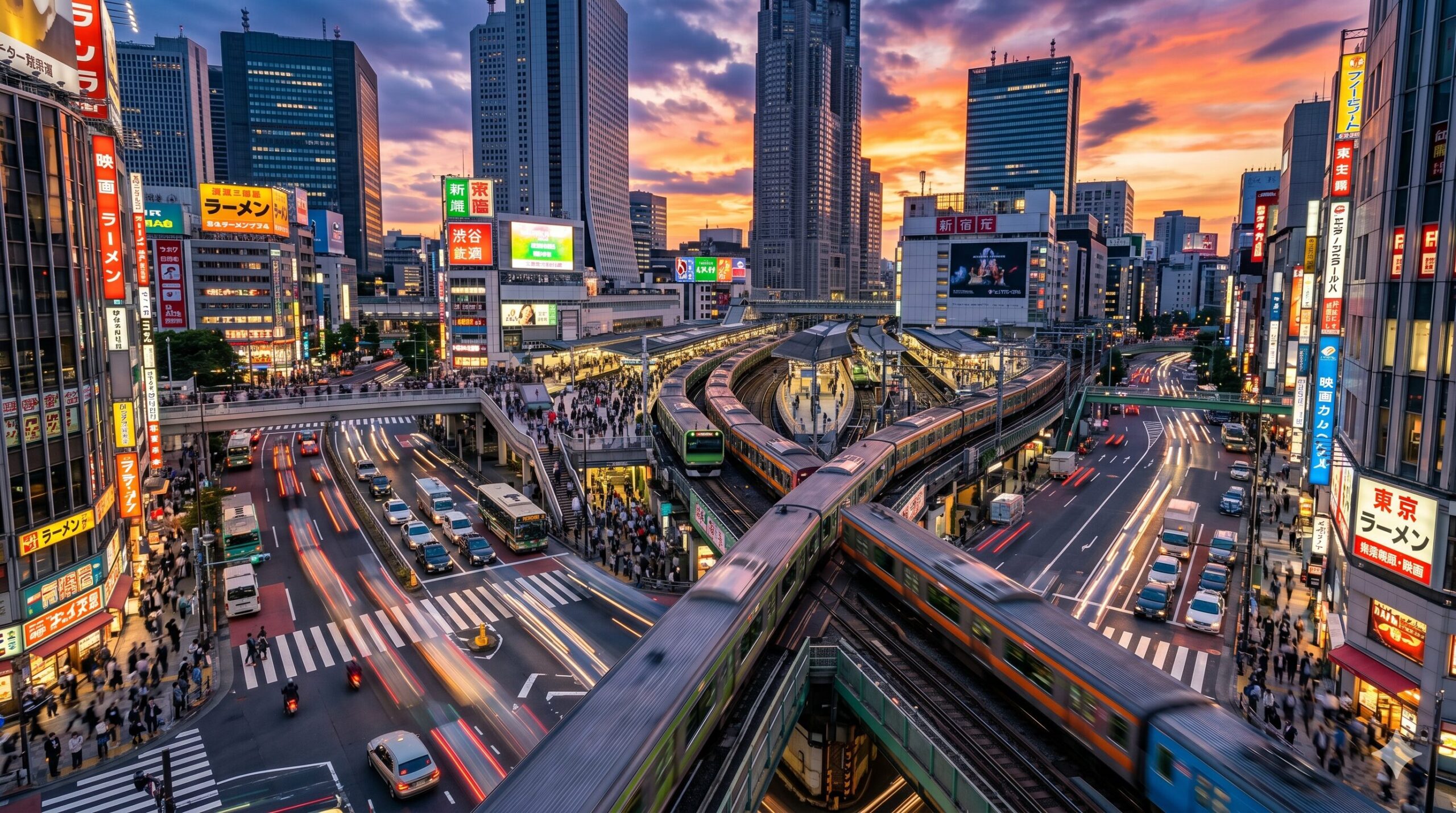
For a first visit to Tokyo, Shinjuku or Ueno are the go-to bases. Shinjuku is the biggest terminal, where JR, subway and private lines meet, with buses to Haneda and Narita and food until late. Ueno has the Skyliner to Narita Airport, cheaper rooms than Shinjuku, and museums, parks and Ameyoko nearby. Asakusa suits those who want old-town atmosphere, and the Tokyo Station–Ginza area is handy if you head to Kyoto by Shinkansen soon. Shibuya is lively and youthful, but hotels are pricier.
Kyoto — Kyoto Station, Shijo-Kawaramachi, Gion
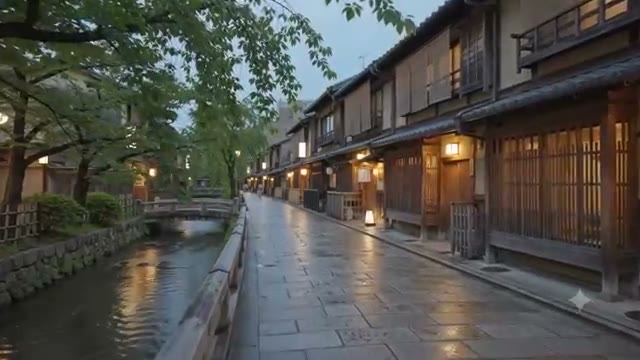
In Kyoto, the most convenient areas are around Kyoto Station or downtown near Shijo-Kawaramachi and Karasuma. Kyoto Station has the Shinkansen and the Haruka express to Kansai Airport, and is handy for day trips to Nara and Osaka. Shijo-Kawaramachi and Karasuma are served by the Hankyu line and the subway, with lots of restaurants, and you can walk to Gion and Nishiki Market. Gion and Higashiyama put temples within walking distance and let you stroll quiet streets in the morning, but rooms are few and fill fast. Some hotels with “Kyoto” in the name are out in Fushimi or Yamashina, so always check the nearest station before booking.
Osaka — Namba, Umeda, Tennoji, Bay Area
In Osaka, choose Namba in the south or Umeda in the north and you can cover most sightseeing. Namba is close to Dotonbori and Kuromon Market, has the Nankai line to Kansai Airport and suits food lovers. Umeda is near Shin-Osaka Station, making Shinkansen trips and runs to Kyoto and Kobe easy. To save money try Tennoji; families heading to Universal Studios Japan first thing in the morning should look at the official hotels in the Bay Area.
Staying in Sapporo, Naha or Hiroshima
In Sapporo, base yourself near Sapporo Station or in Susukino. Around the station, trains to New Chitose Airport and Otaru are convenient; Susukino is the nightlife district packed with izakaya and ramen shops. In Okinawa, the Kokusai-dori area of Naha is reachable by monorail from the airport and is affordable; for beach time, pick a resort area such as Onna. Many people see Hiroshima as a day trip, but stay a night and you can walk Miyajima quietly in the evening after the day-trippers leave.
Compare hotels and ryokan across Japan in your own currency on Trip.com.
-
-
Things to Do in Tokyo 2026 — Complete Travel Guide for First-Time Visitors
▶ Destination — Tokyo Things to Do in Tokyo 2026 — Complete Travel Guide The trusted guide to the be …
続きを見る
Step 3 — Staying in a ryokan
Dinner and breakfast, hot springs, futons: worth one night on any trip
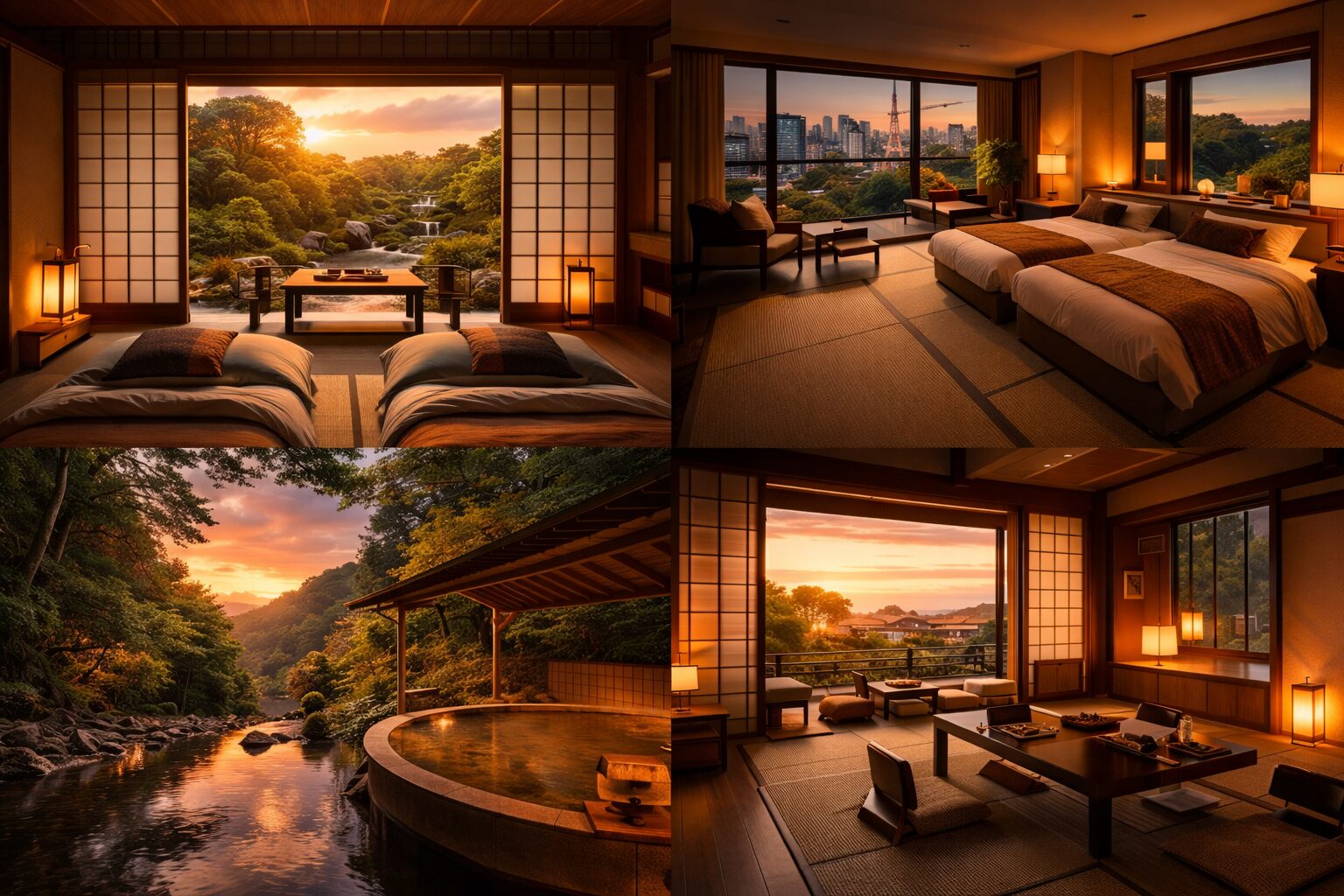
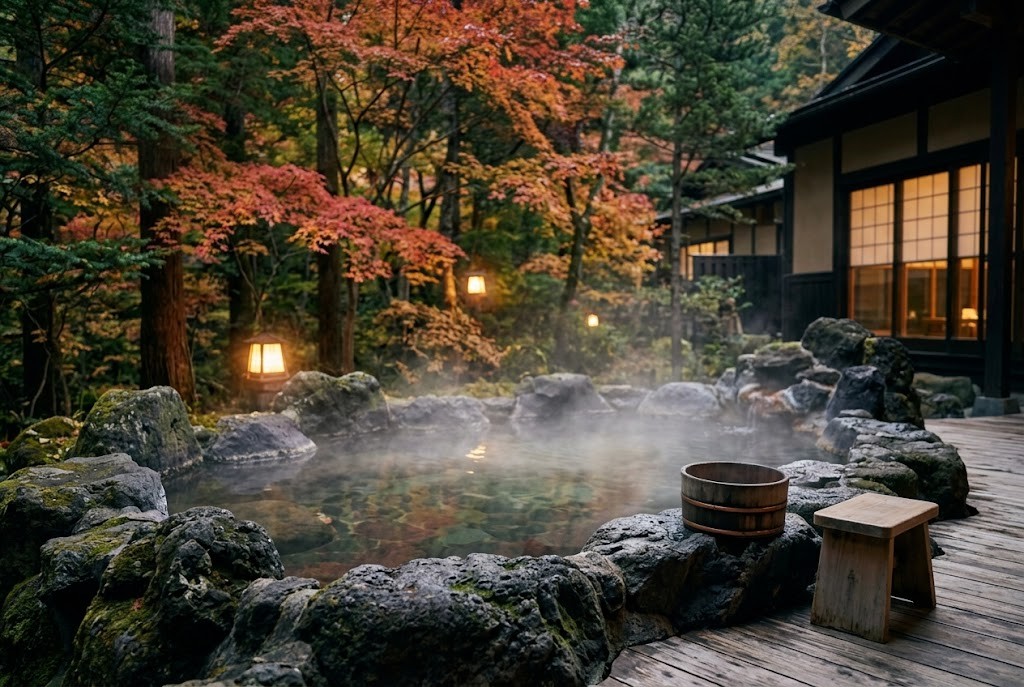
A ryokan is a traditional Japanese inn: you sleep in a tatami room, dinner and breakfast are included and many have hot spring baths. Prices are per person rather than per room and include meals, so although they look pricier than hotels, the gap shrinks once you count dinner. For couples and families—especially in hot spring towns or Kyoto—one night in a ryokan lifts the whole trip.
Check-in is around 3 p.m., and you choose a dinner time starting around 6 p.m. when you book or arrive. Dinner is served in your room or a dining room, usually as kaiseki—small seasonal dishes brought out one after another. You are welcome to wear the yukata around the inn. During or after dinner, staff lay out futons in your room. Breakfast is also at set times, so if you are leaving early, tell them the day before.
Hot spring ryokan cluster in Hakone and Kusatsu near Tokyo, Kinosaki and Arima in Kansai, and Beppu and Yufuin in Kyushu. Besides the large communal baths, choose a room with its own open-air bath or a private bath you book by the hour if you are shy about bathing with others or have tattoos. Ryokan cancellation fees rise sharply close to the date, so pick a free-cancellation plan until your dates are fixed.
If you have food allergies or dietary restrictions such as no meat or fish, tell the ryokan when you book. Kaiseki is prepared in advance, so they may not be able to adjust on the day. Some ryokan offer room-only or breakfast-only plans, a good option if you would rather eat out in town at night.
Find ryokan with meals and private open-air baths on Booking.com.
-

-
Cultural Experiences Japan 2026 — Kimono, teamLab & Food Tours
▶ Stage 3 — Experiences Cultural Experiences Japan 2026 — Kimono, teamLab & Food Tours cultural …
続きを見る
Step 4 — Capsule hotels and business hotels
Cheap, near stations, easy even for solo travelers
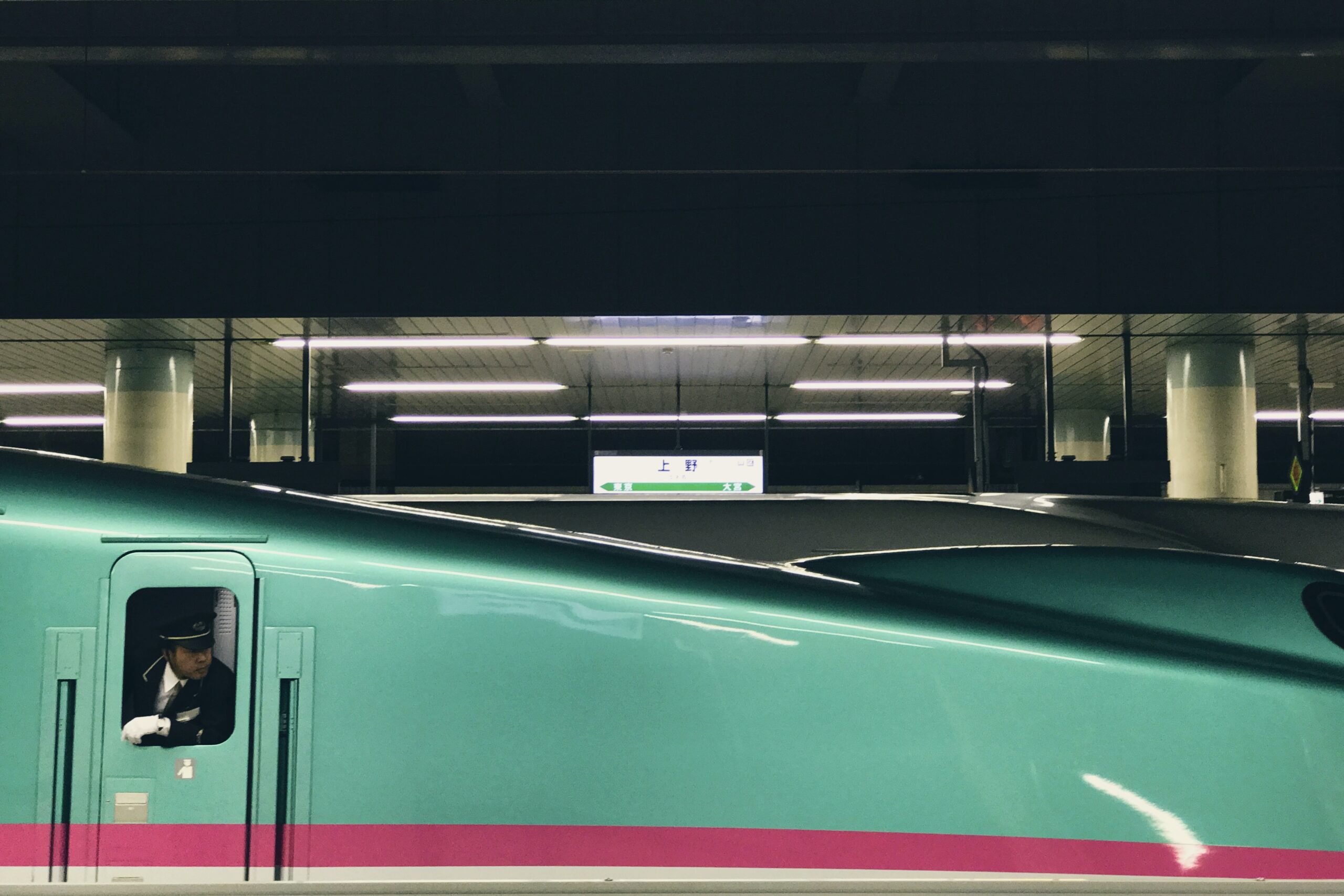
Business hotels have compact rooms, but they are clean private rooms with their own bath and toilet, and many sit right by major stations. Plenty of national chains have English signs and self check-in machines, so they are easy even on your first trip. Some chains offer large communal baths or breakfast plans. If two of you are sharing, check the bed type (double or twin) before booking.
A capsule hotel is rows of single sleeping pods, with shared showers, toilets and washrooms. Valuables go in a locker, and large suitcases are usually left at the front desk. Floors are generally separated by gender, and some places have women-only floors or are men-only. Some require you to check out every morning, so if you are staying several nights, check the conditions before booking.
With both, the closer to the station, the more convenient—and the pricier. Moving one or two stations out from the center—Ueno instead of Shinjuku, Tennoji instead of Namba—often finds the same class of hotel for less. Tuesday to Thursday nights are often cheaper than weekends, so compare if your dates are flexible.
Some business hotel rooms are so small that opening a suitcase fills the floor. If you have two or more large bags, check the room size in square meters on the booking page, or go up one room class.
Find Tokyo business hotels from around ¥8,000 a night on Trip.com.
-
-
Things to Do in Osaka 2026 — Complete Travel Guide for First-Time Visitors
▶ Destination — Osaka Things to Do in Osaka 2026 — Complete Travel Guide for First-Time Visitors Thi …
続きを見る
Step 5 — Vacation rentals, guesthouses and machiya
Whole-house rentals suit families and long stays—always check the license number
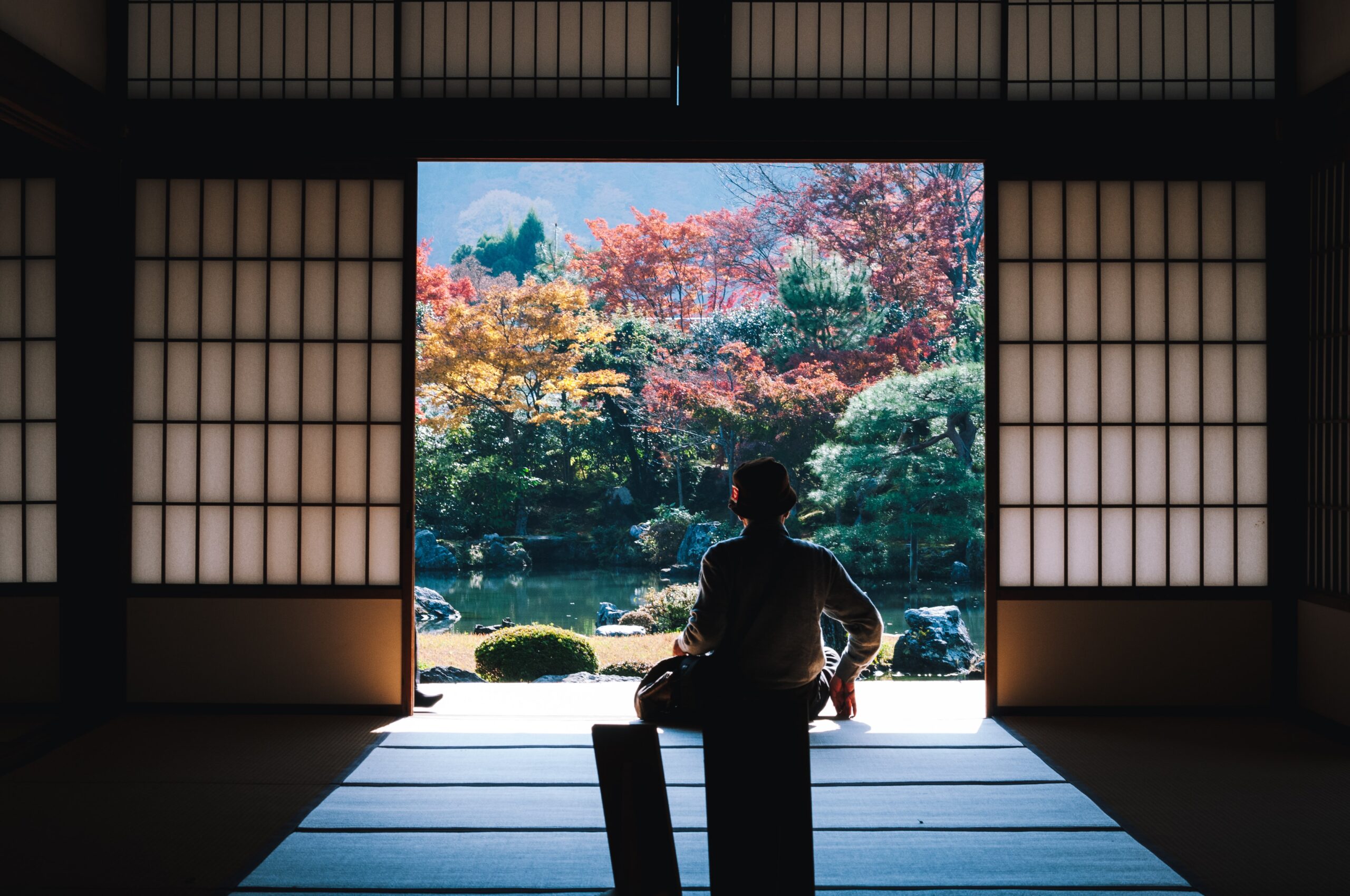
To run a vacation rental in Japan, hosts must register with the national or local government or hold an inn business license. Legitimate listings show a registration or license number, so don’t book anything without one. Unlicensed listings can be canceled at the last minute.
The appeal of a rental is that families or groups can stay together in a place with a kitchen and washing machine. Rent a whole Kyoto machiya townhouse and you can experience life in a traditional Japanese home. On the other hand, there is usually no front desk—just self check-in with a door code—and house rules ask you to respect the neighbors, from sorting trash to keeping quiet at night. Confirm how to check in and how to contact the host before you leave.
Solo travelers who enjoy meeting people can choose guesthouses and hostels. A dorm bed costs about ¥2,500–5,000 a night, and you can swap travel tips in the shared lounge. Many guesthouses also have private rooms, a good fit if you want more space than a capsule.
Besides rentals, there are more and more apartment hotels, where you book a room with a kitchen and washing machine just like a hotel. With a front desk, security, one-night minimums and set cleaning rules, they are simpler and more reassuring than rentals for a family spending about a week in one city. On a family trip with lots of luggage, just one stay with a washing machine can halve the clothes you pack.
Rent a licensed traditional house for long or family stays via Japan Experience.
-
-
Things to Do in Kyoto 2026 — Temples, Geisha & Essential Travel Guide
▶ Stage 4 — Destination · Kyoto Things to Do in Kyoto 2026 — Japan’s Cultural Heart Things to …
続きを見る
Step 6 — Choose where to book
Compare the same hotel on two sites before you pay
Even for the same room, price, cancellation terms and reward points differ between booking sites. Once you have chosen a hotel, search the same dates on two sites and compare before you pay. Also check whether the price shown includes tax and whether accommodation tax is extra, so there are no surprises at check-in.
Once booked, save the hotel’s address and phone number from the confirmation email on your phone, in Japanese as written. It helps to show taxi drivers or paste into a map app if you get lost. Even if you arrive before check-in time, almost every hotel will hold your bags at the front desk for free.
Signing up as a member on a hotel’s own website sometimes unlocks lower rates than booking sites, or perks such as breakfast or late check-out. Get a feel for prices on booking sites, then take one look at the official site of the hotel you like so you don’t miss out.
-

-
Japan WiFi, SIM & eSIM Guide 2026 — Stay Connected from Landing
▶ Stage 2 — Getting Ready Japan WiFi, SIM & eSIM 2026 — Pick One Before You Fl …
続きを見る
Step 7 — Decide when to book
Three peak seasons sell out months ahead
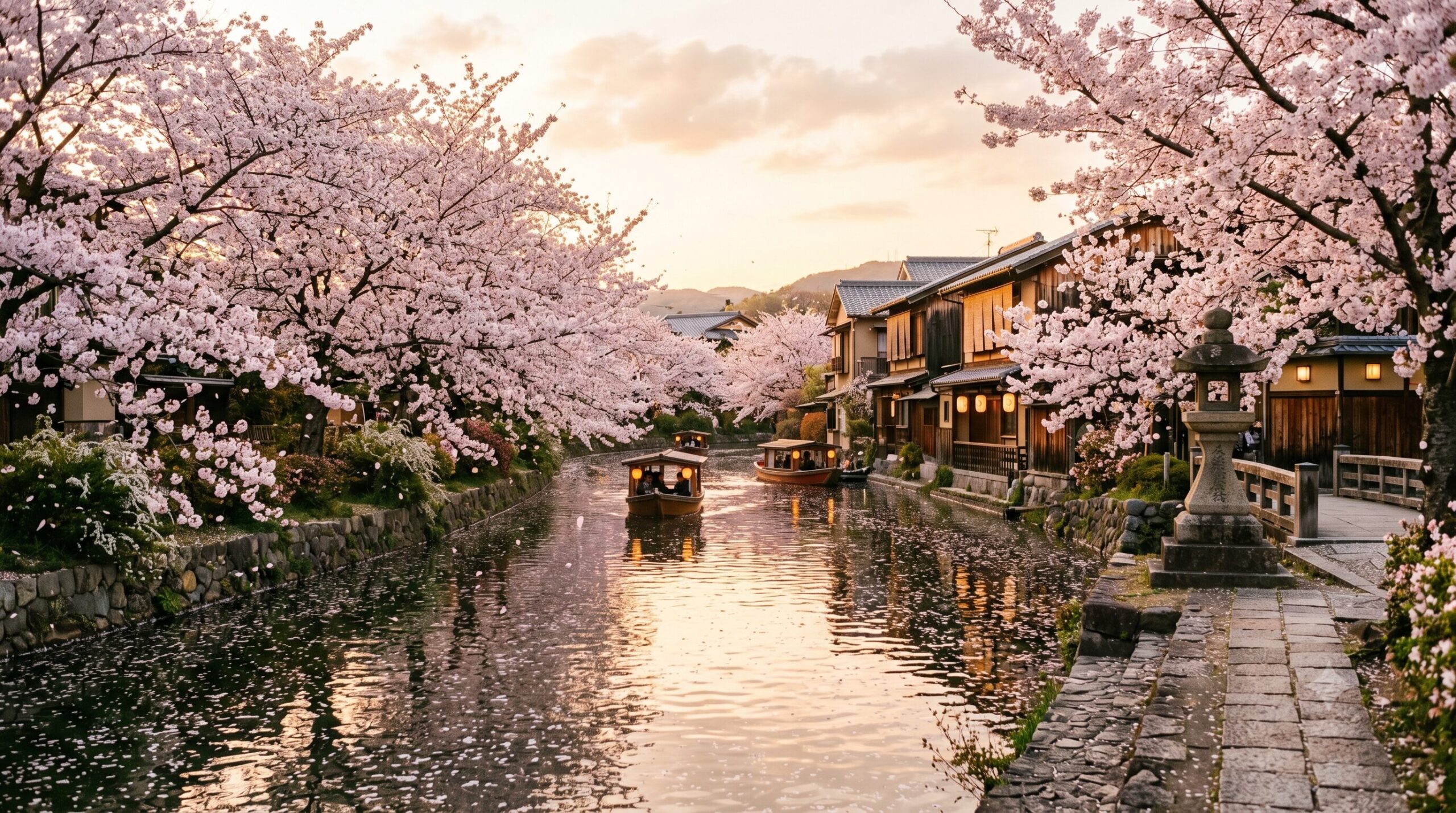
Check your travel dates. If they fall in cherry blossom season, Golden Week or autumn leaves, book your room first and plan the rest around it.
- 🕒 Check-in is usually 3 p.m. and check-out 10–11 a.m. Hotels hold your bags for free before and after.
- ⚠️ Ryokan cancellation fees jump close to the date—80–100% the day before is common. Choose free-cancellation plans until your dates are set.
- 💴 Tuesday–Thursday nights are often cheaper than weekends.
Some cities charge an accommodation tax on top of the room rate. Kyoto revised its tax in March 2026: it now ranges from ¥200 to as much as ¥10,000 per person per night, depending on the room rate. Tokyo, Osaka and others also have accommodation taxes, usually paid at the hotel on check-in. Check the price breakdown on the booking screen to see whether it is included.
Until your dates are fixed, hold a free-cancellation room on Booking.com.
-
-
Japan festivals 2026: Complete Seasonal Guide to Cherry Blossoms, Matsuri & Koyo
▶ Stage 3 — Experiences Japan Festivals 2026 — Pick Your Season, Festival and Stay Choose when to go …
続きを見る
Where to stay in Japan: FAQ
What to know before you book