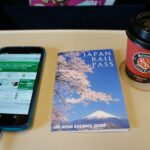
The Japan Rail Pass is one of the most talked-about travel purchases for Japan — and one of the most misunderstood. This guide gives you the honest breakdown so you can decide whether it's worth it for your specific trip.
What Is the Japan Rail Pass and Who Is It For?
The Japan Rail Pass (JR Pass) is an unlimited rail travel ticket available exclusively to foreign tourists visiting Japan. It covers most JR-operated trains nationwide — including the Shinkansen bullet train — for a fixed period of 7, 14, or 21 consecutive days.
The pass is designed for travelers who plan to move between multiple cities. If your trip covers Tokyo → Kyoto → Osaka → Hiroshima, for example, the JR Pass pays for itself quickly. If you're spending your entire trip in one city, it probably doesn't.
⚡ Key rule of thumb: Add up the individual Shinkansen fares for your planned route. If the total exceeds the pass price, buy the pass. If not, buy individual tickets.
Who should buy the JR Pass:
- Travelers visiting 3+ cities across Japan
- Anyone taking 2+ Shinkansen journeys
- Travelers using airport express trains (Narita Express, Haruka)
Who should skip it:
- Travelers staying in one city for the entire trip
- Short-stay visitors (4 days or less) concentrated in Tokyo or Osaka
- Budget travelers using regional buses or discount Shinkansen tickets
JR Pass Prices & Options (7 / 14 / 21 Days)
The JR Pass comes in three durations. Prices were significantly revised upward in 2023, so if you've read older guides, the numbers will look different.
| Pass | Ordinary | Green Car | Best For |
|---|---|---|---|
| 7-Day Pass | ¥50,000 | ¥70,000 | Tokyo ↔ Kyoto/Osaka loop |
| 14-Day Pass | ¥80,000 | ¥110,000 | Extended multi-city trip |
| 21-Day Pass | ¥100,000 | ¥140,000 | Full Japan exploration |
Ordinary vs. Green Car: Ordinary class is perfectly comfortable on all Shinkansen routes. Green Car (first class) offers wider seats and more space — worth it for overnight or 3+ hour journeys, otherwise unnecessary.
Important: The JR Pass must be purchased before arriving in Japan. It is not available for purchase within Japan.
Regional Passes — Smarter for Focused Trips
If your itinerary is concentrated in one region of Japan, a regional pass will almost always beat the nationwide JR Pass on value. These passes cover specific areas at a fraction of the national pass cost.
| Pass | Coverage | Duration | Price |
|---|---|---|---|
| JR Kansai Pass | Osaka, Kyoto, Nara, Kobe | 1–4 days | From ¥2,400 |
| JR West Kansai 4-Day | Osaka → Hiroshima incl. Miyajima | 4 days | ¥22,000 |
| JR West All Area 7-Day | Western Japan + Hiroshima | 7 days | ¥33,000 |
| JR Tohoku Pass | Tokyo → Tohoku region | 5 days | From ¥20,000 |
📍 Planning a regional trip? See our full regional pass breakdown:
→ Japan Regional Rail Pass Guide — Which One Is Right for You? →
How to Buy, Receive & Exchange Your JR Pass
The process has two steps: purchase online before you fly, then exchange for the physical pass at a JR Exchange Office after you arrive in Japan.
Step 1 — Buy online before departure:
- Purchase through Klook (recommended — competitive pricing, home delivery or e-ticket)
- You receive an Exchange Order (MCO) — a printed or digital voucher
- Must be purchased while outside Japan
Step 2 — Exchange at a JR Office in Japan:
- Go to any JR Ticket Office or Exchange Office at major stations and airports
- Show your Exchange Order + passport
- Specify your pass activation date (it doesn't have to start the day you exchange)
- Narita Airport, Haneda Airport, Tokyo Station, Shin-Osaka Station all have exchange counters
⚠️ Pro tip: Don't activate your pass on the day you arrive unless you're immediately taking a long-distance train. The pass starts counting from the activation date — not the exchange date.
What's Covered — Shinkansen, Airport Express & More
The nationwide JR Pass covers an enormous network. Here's what matters most for most tourists:
| Service | Covered? | Notes |
|---|---|---|
| Shinkansen (most lines) | ✅ Yes | Nozomi & Mizuho excluded |
| Narita Express (N'EX) | ✅ Yes | Tokyo ↔ Narita Airport |
| Haruka Express | ✅ Yes | Kansai Airport ↔ Osaka/Kyoto |
| JR Local & Rapid Trains | ✅ Yes | Most JR lines nationwide |
| Tokyo Metro / Subway | ❌ No | Use IC card (Suica/Pasmo) |
| Nozomi / Mizuho Shinkansen | ❌ No | Fastest trains, extra cost |
| JR Bus (some routes) | ✅ Partial | Selected JR Highway Bus routes |
📍 Need an IC card for city transport? See our guide:
→ Suica, Pasmo & ICOCA — Japan IC Card Complete Guide →
JR Pass Tips & Common Mistakes
After years of traveler feedback, these are the mistakes that come up most often:
- Don't activate too early. Exchange the voucher as soon as you land, but set the activation date to when your long-distance travel actually begins.
- Always reserve Shinkansen seats in advance. The pass covers the fare but not reserved seat tickets on busy routes. Reserve free at any JR ticket window.
- Nozomi and Mizuho are excluded. These are the fastest Tokyo–Osaka trains. Use Hikari or Sakura instead — only 10–15 minutes slower.
- The pass doesn't cover Tokyo subway. Get a Suica card for all subway and metro travel within cities.
- Buy early. Delivery time if ordering physical pass can be 1–2 weeks. Klook's e-ticket option is faster.
Frequently Asked Questions
📶 Don't Forget: Stay Connected in Japan
Your JR Pass gets you on the train — but you'll still need internet for maps, timetables, and Google Translate. Sakura Mobile is our top pick for reliable eSIM and SIM cards in Japan.
- ✅ English support
- ✅ Works on arrival — no SIM swap needed (eSIM)
- ✅ Unlimited data plans available