Japan Transportation Guide — Trains, JR Pass & IC Cards Explained
japan transportation guide covering every way to get around — Shinkansen, IC cards, airport transfers, regional passes, and connectivity. Know your options before you land.
This japan transportation guide covers every mode of travel you’ll actually use — from Shinkansen bullet trains and JR Pass to IC cards, airport buses, and pocket WiFi. Japan’s transit network is the world’s most reliable, but the pricing logic is non-obvious. The right combination of pass, card, and transfers can save ¥20,000+ on a two-week trip. The wrong choice wastes both money and time at ticket machines.
-
-
First Time in Japan: The Ultimate 2026 Guide for First-Time Visitors
▶ Stage 1 — Planning First Time in Japan — The Ultimate 2026 Guide for First-Time Visitors Everythin …
Your 5 Ways to Get Around Japan
Overview — choose the right mode for each leg
All Japan rail passes & transfers — compare and book on Klook
Buy JR Pass directly — official price, instant e-voucher
Most visitors to Japan use three or four transport modes across a typical trip. Here’s what each one does best.
LONG DISTANCE
IN-CITY
BUDGET
REMOTE
LAST MILE
Use the Shinkansen + JR Pass between cities, an IC card for everything within a city, and a shared transfer for your first and last airport run. That combination covers 95% of a typical Japan itinerary.
JR Pass — Is It Worth It in 2026?
Honest break-even analysis by itinerary type
JR Pass 7/14/21-day — must purchase before arriving in Japan
Buy JR Pass directly — official price, instant e-voucher
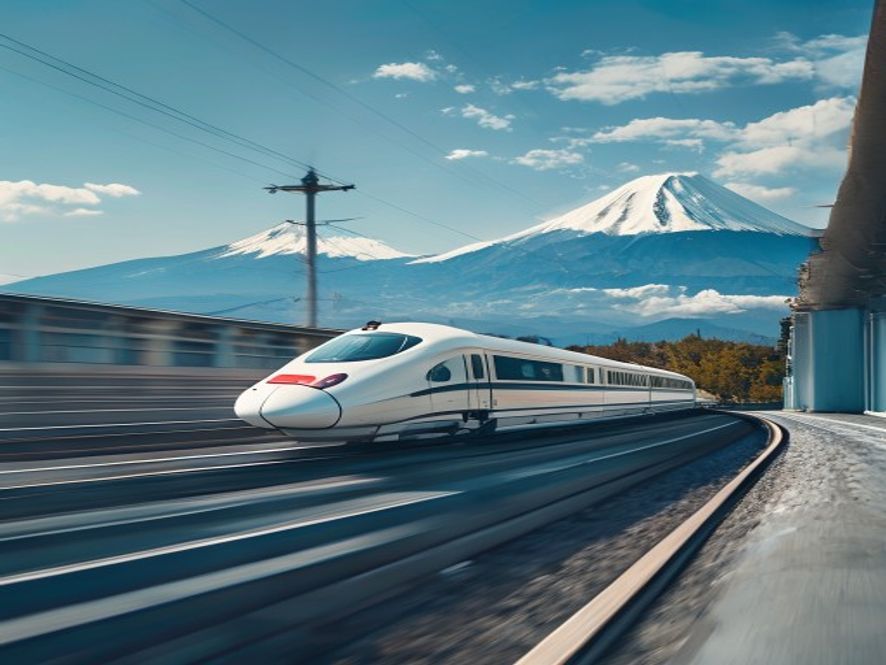
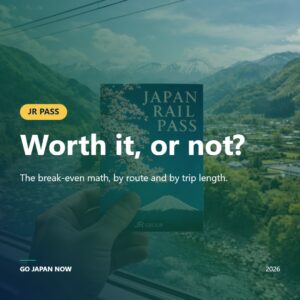
The JR Pass gives unlimited rides on most JR-operated trains nationwide — Nozomi and Mizuho Shinkansen excluded — for 7, 14, or 21 consecutive days. The key restriction: it must be purchased before you arrive in Japan. You cannot buy the standard pass after landing.
The break-even point for the 7-day pass (¥50,000) is roughly two Shinkansen round trips between Tokyo and Kyoto (~¥28,000 return). Add a day trip to Hiroshima and the pass pays for itself. If your trip is Tokyo-only or concentrated in one region, a regional pass or IC card is cheaper.
| Duration | Adult Ordinary | Best for |
|---|---|---|
| 7 days | ¥50,000 | Tokyo–Kyoto–Osaka loop |
| 14 days | ¥80,000 | + Hiroshima, Fukuoka, Kyushu |
| 21 days | ¥100,000 | Full Japan circuit |
※ Prices approximate. Verify current rates on Klook before purchasing.
When the JR Pass Is NOT Worth It
Don’t buy the JR Pass if your trip is: Tokyo-only (5+ days in one city), a short stay under 4 days, or focused on a single region like Kansai. In those cases, a regional pass or IC card pay-as-you-go is substantially cheaper. The Klook JR Pass list includes regional options — check prices against your specific route before committing.
▶ Stage 2 — Getting Ready Japan Rail Pass 2026 — Complete Guide to Prices, Types & Buying The J … ▶ Stage 2 — Getting Ready JR Regional Pass Japan 2026 — Save More, Explore Deeper The right JR regio …
Japan Rail Pass 2026 — Is It Worth It? Complete Guide
JR Regional Pass Japan 2026 — Kansai, Kyushu, Hokkaido & More
IC Cards — The Easiest Way to Pay for Transit
Suica, Pasmo, ICOCA — one tap covers everything
IC card guide — which card to get and how to use it
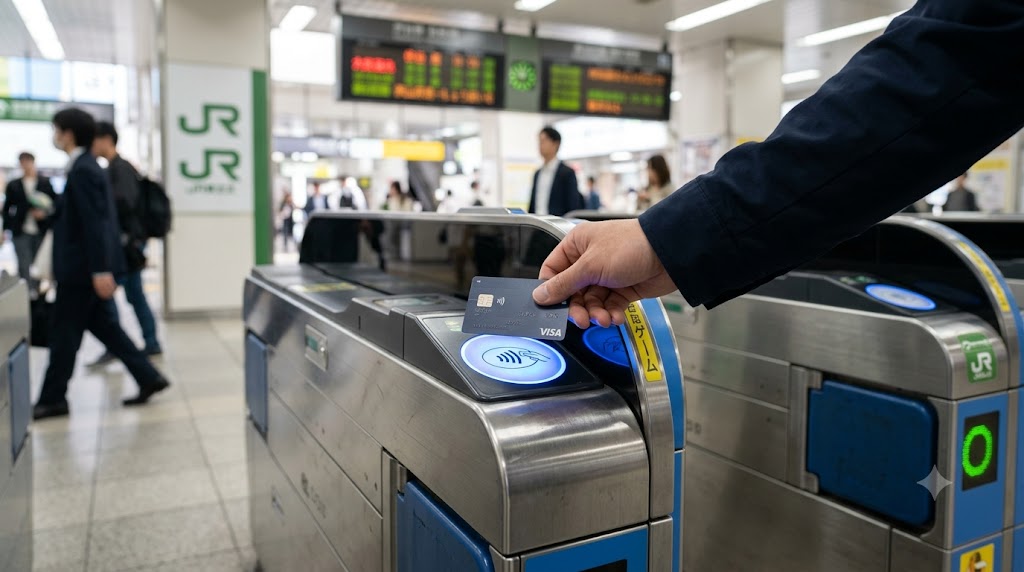
IC cards — Suica, Pasmo, ICOCA — work on virtually every train, subway, and bus in Japan. All three work nationwide regardless of which region issued them. Beyond transit, tap to pay at 7-Eleven, FamilyMart, Lawson, vending machines, coin lockers, and a growing number of restaurants. Load ¥3,000–¥5,000 at the start of your trip and top up at any station ticket machine.
The easiest setup: pick up a Suica card at Narita or Haneda airport on arrival. iPhone users can add Suica directly to Apple Wallet before departure — no physical card needed.
| Card | Home Region | Works Nationwide? |
|---|---|---|
| Suica | Tokyo (JR East) | ✓ Yes |
| Pasmo | Tokyo (private lines) | ✓ Yes |
| ICOCA | Osaka / Kyoto (JR West) | ✓ Yes |
| Manaca | Nagoya | ✓ Yes |
| Kitaca | Hokkaido | ✓ Yes |
IC Card Pro Tips
- Keep at least ¥1,000 loaded at all times — running dry mid-journey means a detour to a top-up machine
- The ¥500 deposit is refundable at any JR East ticket office when you leave Japan
- Suica on iPhone: add before you leave home, use it the second you land
- IC cards do not work on Shinkansen — those require a separate ticket or JR Pass
- Most convenience stores, vending machines, and some restaurants accept IC cards for payment
-
-
IC Card Japan 2026 — Suica, Pasmo & ICOCA Complete Guide
▶ Stage 2 — Getting Ready IC Card Japan 2026 — Suica, Pasmo & ICOCA Complete Guide IC card Japan …
Getting from the Airport into the City
Narita, Haneda & Kansai — options compared
Narita / Haneda shared transfer — book before you land
Japan has three main international gateways — Narita (NRT), Haneda (HND), and Kansai (KIX). Each has multiple transport options with significantly different prices, travel times, and luggage convenience. Booking in advance removes the stress of figuring it out after a long flight.
~60–90 min
~20–35 min
~35–75 min
-
-
Japan Airport Transfers 2026: Narita, Haneda & Kansai Complete Guide
▶ Stage 2 — Getting Ready Japan Airport Transfers 2026 — Narita, Haneda & Kansai Complete Guide …
Regional Rail Passes — Save More on Specific Routes
Kansai, Hokkaido, Tohoku & more
Compare all Japan regional rail passes on Klook
Buy JR Pass directly — official price, instant e-voucher
If your itinerary is concentrated in one region rather than crossing the whole country, a regional pass almost always saves more money than the nationwide JR Pass. These passes cover local JR lines, some private railways, and in some cases buses and ferries within their area.
BEST FOR KANSAI
KANSAI + HIROSHIMA
Which Pass for Which Itinerary?
| Itinerary Type | Recommended Pass |
|---|---|
| Tokyo → Kyoto → Osaka → Hiroshima loop (7 days) | JR Pass 7-day |
| Tokyo → Kyoto → Osaka → Fukuoka (14 days) | JR Pass 14-day |
| Osaka + Kyoto + Nara + Kobe only | JR West Kansai 4-day |
| Tokyo only (5–7 days) | IC card only — no pass |
| Hokkaido circuit | JR Hokkaido Pass |
-
-
JR Regional Pass Japan 2026 — Kansai, Kyushu, Hokkaido & More
▶ Stage 2 — Getting Ready JR Regional Pass Japan 2026 — Save More, Explore Deeper The right JR regio …
Stay Connected While Travelling
eSIM, SIM card & pocket WiFi — compared
Sakura Mobile — SIM & eSIM for visitors to Japan
Mobile data is essential for navigating Japan — Google Maps for real-time transit routing, IC card apps, live train departure boards, and translation tools all require a working data connection. Japan’s networks are among the world’s best; coverage extends to rural areas, mountain tunnels, and deep subway platforms. Sort your connectivity before landing so you’re online the moment you clear customs.
MUST-HAVE
INSTANT SETUP
GROUPS
-
-
Japan WiFi, SIM & eSIM Guide 2026 — Stay Connected from Landing
▶ Stage 2 — Getting Ready Japan WiFi SIM eSIM 2026 — Stay Connected from the Moment You Land Japan W …
How to Navigate Japan’s Train System
Apps, signage & practical tips for first-timers
First time in Japan? Start with the planning guide
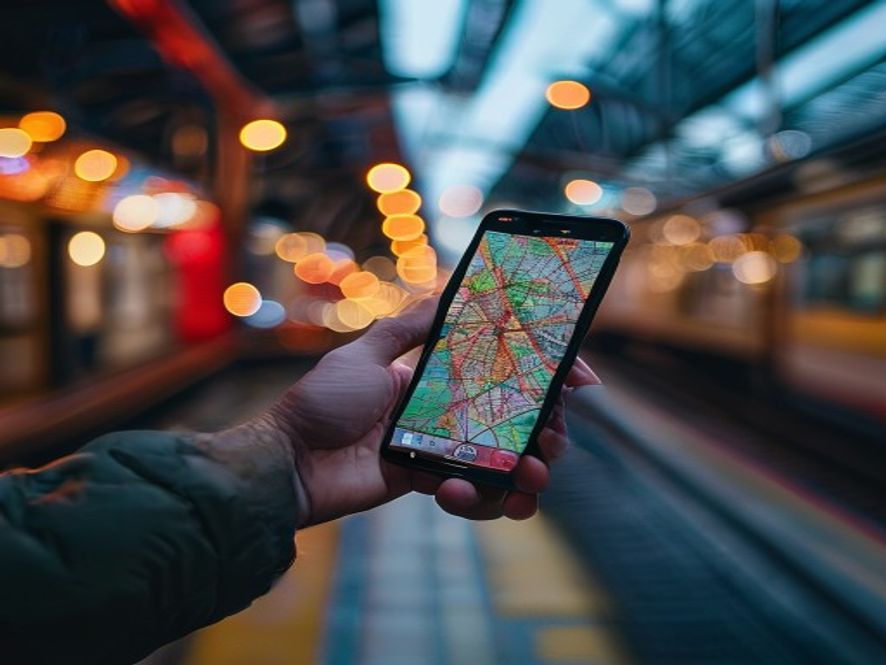
Japan’s train system looks overwhelming on a map — dozens of overlapping lines, multiple operators, colour-coded stations. In practice, three tools make it simple: Google Maps for route planning, an IC card for payment, and the station number system for finding your platform.
Tools That Make Train Travel Easy
Google Maps (Transit Mode)
Shows real-time routes, platform numbers, fare estimates, and transfer instructions. Works offline if you download the region before travelling. Set departure or arrival time to plan connections exactly.
Station Number System
Every station has a letter + number code (e.g., T09 for Shibuya on the Tokyo Metro Ginza Line). Announcements, signage, and apps all use these codes — no need to read Japanese characters.
IC Card Tap-In / Tap-Out
Touch your IC card at the gate to enter, touch again to exit. The system calculates the exact fare automatically. If you accidentally go through the wrong gate, go to the station office and staff will fix it.
Seat Reservation for Shinkansen
JR Pass holders can ride unreserved cars at no extra charge or reserve a seat for free at any JR ticket office (midori-no-madoguchi) or ticket machine. Reserved seats are recommended during Golden Week, Obon, and New Year.
Unwritten Rules of Japanese Trains
- Silence: phone calls on trains are frowned upon. Text instead. Keep voice low.
- Priority seating: give up seats near doors for elderly, pregnant, or disabled passengers — no exceptions
- Queuing: stand in the marked zones on the platform. Trains stop exactly where marked.
- Large luggage: fold pushchairs and keep suitcases out of aisles. On Shinkansen, book the rearmost seat for oversized luggage storage.
- Last train: check the final departure time — in Tokyo most lines stop around midnight. Missing it means a taxi or late-night karaoke.
Frequently Asked Questions
Common questions about getting around Japan
The most common transport questions from first-time visitors — answered directly.
GUIDES IN THIS SECTION