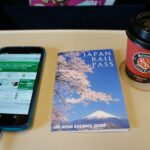
JAPAN TRAVEL GUIDE 2026
Discover Kyoto
Temples, Geisha & Traditional Japan
Discover Kyoto — 1,200 years of history, 17 UNESCO World Heritage Sites, and now 30% cheaper thanks to the weak yen.
- Why Discover Kyoto in 2026? Japan's Ancient Capital Awaits
- Kyoto's Top 7 Must-See Attractions
- Kyoto Experiences & Activities
- Kyoto Food Guide — What & Where to Eat
- Getting to Kyoto & Getting Around — Transport Guide
- Where to Stay in Kyoto — Neighborhood Guide
- Kyoto FAQ — Your Questions Answered
- Continue Your Japan Journey
Why Discover Kyoto in 2026? Japan's Ancient Capital Awaits
Discover Kyoto and step into one of the world's most extraordinary living museums. For over 1,200 years, from 794 to 1869, Kyoto served as the imperial capital of Japan — the political, cultural, and spiritual heart of an entire civilization. Today the city is home to 17 UNESCO World Heritage Sites, more than 1,600 Buddhist temples, over 400 Shinto shrines, and a culinary tradition so refined it has shaped Japanese cuisine for centuries. Whether you come for the iconic vermilion torii gates of Fushimi Inari, the gold-leaf splendor of Kinkaku-ji, the haunting beauty of the Arashiyama bamboo grove, or the chance glimpse of a maiko hurrying through Gion's stone-paved alleys in the early evening, Kyoto delivers experiences that simply don't exist anywhere else on earth.
And in 2026, there has never been a better time to visit. The weak Japanese yen means travelers from the US, Europe, Australia, and beyond are getting extraordinary value. A stay in a traditional machiya townhouse guesthouse can be had for $80–120 per night. A multi-course kaiseki dinner — once a $300-plus luxury in 2019 — now costs under $200, and often significantly less outside the top-tier restaurants. A ryokan (traditional Japanese inn) including a full kaiseki dinner and breakfast routinely comes in under $200 per person. Kyoto has always been worth the journey; right now, it's worth it twice over.
Best Time to Visit Kyoto
Kyoto has four distinct seasons, each with its own appeal, but two periods stand out as absolute highlights:
- Cherry Blossom Season (late March – early April): The sakura bloom transforms Kyoto into something out of a dream. Maruyama Park, the Philosopher's Path (Tetsugaku-no-Michi), Kiyomizudera temple, and the banks of the Kamo River all become corridors of soft pink blossoms. Peak bloom typically falls in the first week of April, though this varies by year. Book accommodation 3–6 months in advance.
- Autumn Foliage (mid-November to late November): Arguably even more spectacular than spring. The maple trees of Eikan-do, Tofuku-ji, and Arashiyama explode in crimson, amber, and gold. Evening illuminations at key temples make night visits unforgettable.
- Gion Matsuri (all of July): Kyoto's grandest festival. The main processions — Saki Matsuri on July 17 and Ato Matsuri on July 24 — fill the streets with enormous decorated floats called yamaboko. The entire month has a festive atmosphere, with evening street food stalls (yoichi) in the Shijo-Kawaramachi area.
- Summer (August): Note that Kyoto sits in a basin surrounded by mountains, which traps heat and humidity. Temperatures in July and August regularly exceed 35°C (95°F) with high humidity. Plan early-morning sightseeing and take afternoon breaks if visiting in summer.
- Winter (December – February): Kyoto's off-season is underrated. Crowds are thin, prices drop significantly, and a light snowfall on the golden pavilion of Kinkaku-ji or the bamboo groves of Arashiyama is one of Japan's most iconic sights. Average December temperatures hover around 8°C (46°F).
Suggested Kyoto Itineraries
2-Day Kyoto Itinerary
Day 1 — Higashiyama & Gion: Start early at Fushimi Inari Taisha (before 8am to beat crowds), then head north along the Higashiyama hiking route. Visit Kiyomizudera temple, stroll the stone-paved Sannenzaka and Ninenzaka lanes, and explore Yasaka Shrine and Maruyama Park. In the evening, walk through the Gion district and along the Shirakawa canal for the best chance of spotting maiko.
Day 2 — Arashiyama & Kinkaku-ji: Begin at the Arashiyama bamboo groove early, then cross Togetsukyo Bridge and visit Tenryu-ji temple and its famous garden. In the afternoon, head to Kinkaku-ji (the Golden Pavilion) and Ryoan-ji for the famous rock garden. End at Nishiki Market for evening food exploration.
3-Day Kyoto Itinerary (Recommended)
Follow the 2-day plan above, then add:
Day 3 — Fushimi & Uji: Spend the morning at Fushimi Inari's upper trails (most visitors only go to the first gate — continue up for solitude and panoramic views). Afternoon: take the JR Nara Line 17 minutes south to Uji, home of Japan's finest matcha. Visit Byodoin Temple (on the ¥10 coin), the Uji River walking path, and indulge in matcha parfaits and tea at one of the traditional tea houses.
Getting Around Kyoto — Bus vs. Train
Kyoto's city bus network is the primary way to move between sightseeing districts. The ¥700 one-day bus pass (available from bus ticket offices at Kyoto Station) gives unlimited rides on city bus routes and is excellent value if you're doing 3+ bus trips. However, buses can get extremely crowded during peak tourist season (cherry blossom and autumn foliage periods), and Kyoto's traffic can cause delays.
For faster, more reliable travel, combine the bus system with Kyoto's two subway lines (the Karasuma Line running north–south, and the Tozai Line running east–west). The Keihan and Hankyu private railways also serve key tourist areas at lower fares than taxis. For Arashiyama, the charming Randen tram (Keifuku Electric Railway) connects from central Kyoto. The general strategy: use the subway wherever possible, then switch to bus for the final connection.
Kyoto's Top 7 Must-See Attractions
Kyoto contains so many temples, shrines, and historic districts that first-time visitors can feel overwhelmed. These seven sites represent the absolute best of Kyoto — each one genuinely unmissable.
1. Fushimi Inari Taisha — 10,000 Torii Gates
Perhaps the single most photographed sight in all of Japan: the thousands of vermilion torii gates that line the hiking trails up Mount Inari. The Fushimi Inari shrine complex is dedicated to Inari, the Shinto deity of rice, sake, and prosperity, and the thousands of gates (actually closer to 10,000 in total) were each donated by Japanese businesses as offerings. Entry is completely free, 24 hours a day, 365 days a year.
The main trail winds 4 kilometers up to the summit of Mount Inari at 233 meters. Most visitors only walk to the first major gate cluster (Senbon Torii) and turn back — this takes about 20–30 minutes. But the real magic is higher up: above the mid-mountain rest stop (Yotsutsuji intersection, about 45 minutes from the base), the crowds thin dramatically, and you'll find smaller sub-shrines, stone fox statues draped in bibs and lanterns, and sweeping views over Kyoto on clear days.
Insider tip: Visit at dawn (before 7am) or after dark. The illuminated gates after sunset create an otherworldly atmosphere, and you may have entire stretches to yourself.
2. Kinkaku-ji — The Golden Pavilion
The top two floors of Kinkaku-ji (Rokuon-ji) are covered entirely in gold leaf, and the pavilion's reflection in the calm pond below it is one of Japan's defining images. Originally built in 1397 as a retirement villa for shogun Ashikaga Yoshimitsu, it was converted into a Zen Buddhist temple after his death. The current structure is a 1955 reconstruction after a deranged monk burned the original in 1950 (an act immortalized in Yukio Mishima's novel "The Temple of the Golden Pavilion").
Admission is ¥500 (approximately $3.50 USD at current rates). The grounds are beautiful in all seasons, but especially stunning in light snow and during autumn foliage. Visit early morning to avoid the largest tour groups, which typically arrive from 9:30am onward.
3. Kiyomizudera & the Higashiyama District
Kiyomizudera ("Pure Water Temple") clings to the forested eastern hills of Kyoto, its famous wooden stage jutting out 13 meters over the hillside on a framework of 139 wooden pillars — assembled without a single nail. The views over Kyoto from this platform are outstanding. The temple was founded in 778, though the current structures date from a 1633 reconstruction ordered by Tokugawa Iemitsu.
Below the temple, the sloping stone lanes of Sannenzaka (三年坂) and Ninenzaka (二年坂) are lined with wooden machiya townhouses converted into shops selling Kyoto crafts, ceramics, matcha sweets, and textiles. These lanes are among the most beautifully preserved streetscapes in Japan. Early morning (before 8am) is magical here — the light is soft, the souvenir shops are still shuttered, and you can almost feel the Edo period.
4. Arashiyama Bamboo Grove & Tenryu-ji
The towering bamboo forest of Arashiyama is one of those places that exceeds expectations even when you've seen hundreds of photos. Walking through the grove — the bamboo stalks rising 20 meters on either side, the rustling and creaking as the wind moves through — is a genuinely transportive experience. The grove is free to enter and accessible at all hours.
Adjacent to the bamboo grove, Tenryu-ji is a UNESCO World Heritage Site featuring one of Japan's finest Zen gardens. The garden, designed by master gardener Muso Soseki in the 14th century, uses the Arashiyama mountains as "borrowed scenery" (shakkei) — the landscape beyond the garden walls becomes part of the composition. Garden admission is ¥500; full temple admission ¥800.
The Arashiyama area also offers the Togetsukyo Bridge crossing the Oi River, the Iwatayama Monkey Park (where wild Japanese macaques roam), and the quieter Okochi Sanso Villa garden (admission ¥1,000 including matcha tea).
5. Gion District — Kyoto's Geisha Quarter
Gion is Kyoto's most famous hanamachi (flower town) — the traditional geisha district where the arts of entertainment, music, dance, and hospitality have been cultivated for centuries. The district centers on Hanamikoji Street, a beautifully preserved lane of wooden ochaya (teahouses) where geiko (the Kyoto term for geisha) and maiko (apprentice geisha) entertain clients at exclusive engagements.
The atmospheric Shirakawa canal area, just north of Shijo-dori, is particularly beautiful at dusk — the weeping cherry trees line the canal in spring, and the warm light from the teahouses reflects on the water. For the best chance of spotting a maiko or geiko moving between engagements, position yourself on Hanamikoji Street between 5:30pm and 7pm. Please respect the privacy and working environment of these artists: photography from a respectful distance is acceptable, but blocking their path or touching them is not.
6. Nijo Castle — The Shogun's Kyoto Residence
Built in 1603 by Tokugawa Ieyasu as his official Kyoto residence and a statement of samurai authority over the imperial court, Nijo Castle is a fascinating window into the Edo period power structure. The Ninomaru Palace interior is open to visitors and contains elaborate painted screens by the Kano school artists. The castle is most famous for its "nightingale floors" — the corridors deliberately constructed to squeak like birds when walked upon, as an anti-assassination security measure.
The castle grounds include a beautiful Japanese garden and are particularly spectacular during cherry blossom season (the castle has its own cherry grove) and autumn. Admission is ¥1,300. A UNESCO World Heritage Site.
7. Ryoan-ji — Japan's Most Famous Rock Garden
The kare-sansui (dry landscape) garden of Ryoan-ji is considered the pinnacle of the Japanese rock garden art form. Fifteen stones of varying sizes are arranged in five groups on a bed of raked white gravel, enclosed by an ancient oil-blackened clay wall. The design is so precise that from any single viewpoint within the viewing platform, only 14 of the 15 stones are visible — the 15th stone comes into view only when you achieve enlightenment, according to Zen tradition. No one is entirely certain when it was created or by whom — estimates range from the late 15th to early 16th century.
The wider temple grounds include a large reflecting pond (Kyoyochi) surrounded by ancient trees, and a small tearoom serving traditional kaiseki lunch. Admission is ¥600. A UNESCO World Heritage Site.
🎫 Book Kyoto Experiences on Klook
Skip the queues and book Kyoto's best experiences in advance. Kimono rental, tea ceremonies, and more — all with instant confirmation.
Kyoto Experiences & Activities
Beyond temple-hopping, Kyoto offers some of the most culturally immersive experiences available in Japan. These hands-on activities bring you into direct contact with traditional arts and crafts that have defined Japanese culture for centuries.
Kimono Rental & Tea Ceremony
Wearing a kimono while strolling through Gion or Higashiyama is one of the quintessential Kyoto experiences — and far more comfortable than you might expect, since rental shops dress you expertly and the fit is adjustable. MAIKOYA Kyoto, bookable through Klook, combines a professional kimono dressing experience with an authentic tea ceremony led by an English-speaking instructor. You'll learn the precise choreography of chado — the Way of Tea — including how to whisk matcha, how to appreciate the tea bowl, and the meditative philosophy underlying the ritual. Sessions run 60–90 minutes and are suitable for all ages.
Book the MAIKOYA Kimono & Tea Experience on Klook →
Zazen Meditation
Several of Kyoto's Zen temples offer zazen (seated meditation) sessions open to the public, usually in the early morning. Kenninji — Kyoto's oldest Zen temple, founded in 1202 — and Myoshinji, the largest Zen temple complex in Japan, both have regular English-friendly zazen sessions. You sit in silence on a cushion (zafu) in correct posture for 20–40 minutes per session. Instructors are available to help with posture. Free or small donation suggested.
Shakyo — Sutra Copying
Shakyo is the meditative practice of copying Buddhist sutras by hand with a fine brush. Several temples offer shakyo sessions open to tourists — no Japanese language ability is required, as you simply trace the characters from a printed guide. The practice requires complete concentration and is profoundly calming. Sessions typically last 60–90 minutes. Try Chion-in or Daikaku-ji for beginner-friendly shakyo experiences.
Arashiyama Hozu River Rafting & Sagano Romantic Train
The Hozu River gorge between Kameoka and Arashiyama offers exhilarating traditional wooden boat rides through rocky rapids. The 16-kilometer journey takes approximately 2 hours and passes through spectacular mountain scenery — the gorge walls rise hundreds of meters on either side. The boats are operated by professional boatmen using long poles, and the experience is particularly beautiful in autumn when the surrounding forest turns crimson. Advance booking recommended.
Alternatively (or additionally), the Sagano Romantic Train (Sagano Scenic Railway) runs a 7.3km tourist railway through the same Hozu gorge on the Sanin Main Line route, offering open-air views of the canyon. Tickets sell out quickly; book in advance online.
Maiko Dinner Experience
Several Kyoto restaurants and cultural venues offer maiko dinner experiences where guests dine in a traditional room while a maiko (apprentice geisha) performs traditional dances, plays the shamisen, and engages guests in conversation and games. These experiences — which must be booked in advance — provide genuine insight into the ochaya teahouse culture that is otherwise completely closed to outsiders. Prices typically range from ¥15,000–¥30,000 per person including food and drink.
Matcha Sweets in Uji
Uji, just 17 minutes south of Kyoto by JR Nara Line, is the spiritual home of Japanese matcha. The town has cultivated tea since at least the 12th century, and the quality of Uji matcha is without peer in Japan. The main street along the Uji River is lined with tea houses, many over 100 years old, serving matcha in every conceivable form: soft serve, parfaits, mochi, warabi mochi dusted in matcha powder, and of course the ceremonial whisked bowl. Tsuien and Nakamura Tokichi are two of the most celebrated tea houses.
Kyoto Food Guide — What & Where to Eat
Kyoto cuisine (kyo-ryori) is a distinct culinary tradition built around delicacy, seasonality, and visual presentation. The city's landlocked position historically meant fresh seafood was limited, which drove Kyoto's chefs to develop extraordinary techniques with tofu, vegetables, pickles, and freshwater fish. The result is a cuisine of remarkable sophistication and subtlety.
5 Must-Eat Kyoto Dishes
1. Kaiseki (懐石料理)
Japan's most refined multi-course dining tradition, kaiseki originated in Kyoto as a ceremonial meal accompanying the tea ceremony. A full kaiseki meal typically comprises 10–14 courses including sakizuke (amuse-bouche), hassun (seasonal appetizer), soup, sashimi, simmered dishes, grilled dishes, rice, pickles, and seasonal dessert. Each course is presented in exquisite seasonal vessels. Budget $80–200 per person at mid-range kaiseki restaurants; top establishments command $300+ and require advance reservations months ahead.
2. Yudofu (湯豆腐)
Soft tofu simmered in a light kombu broth, served with dipping condiments including grated ginger, green onion, ponzu, and sesame sauce. This deceptively simple dish showcases the extraordinary quality of Kyoto's soy milk and water. The Nanzenji temple district and Arashiyama are the two main destinations for authentic yudofu — restaurants here have been serving the dish for generations. A full yudofu set lunch costs ¥2,000–¥4,000.
3. Kyoto Tsukemono (京都の漬物)
Kyoto's pickled vegetables are in a class of their own. Key types include: suguki (turnip pickled in salt, with a distinctive sour fermented flavor), shibazuke (cucumber and eggplant pickled with red shiso, giving a vivid purple-pink color), and senmaizuke (thin-sliced turnip pickled in sweetened rice vinegar). Nishiki Market is the best place to taste and purchase; many stalls offer free samples.
4. Matcha Sweets
Kyoto is the undisputed capital of matcha desserts in Japan. Look for: matcha parfait (layers of matcha soft-serve, red bean, mochi, and warabi mochi), matcha tiramisu, matcha roll cake, and the classic wagashi (traditional Japanese sweets) served with ceremonial matcha. Budget ¥800–¥1,500 per dessert at quality establishments. Uji is the epicenter; Gion Tsujiri on Shijo-dori in Kyoto city is also excellent.
5. Obanzai (おばんざい) Breakfast
Traditional Kyoto home-cooking in small shared dishes — seasonal vegetables, tofu, pickles, simmered greens, and dashi-rich broths. Many machiya-style cafes and ryokan serve obanzai breakfast sets (¥1,200–¥2,500) that offer a genuine taste of everyday Kyoto culinary culture.
Where to Eat in Kyoto — Area Guide
| Area | Best For | Price Range |
|---|---|---|
| Gion / Pontocho | Kaiseki, traditional Kyoto cuisine, atmospheric river-side dining | $$–$$$$ |
| Nishiki Market | Street food, tsukemono, tofu, fresh produce, Kyoto snacks | $–$$ |
| Uji | Matcha everything — sweets, tea sets, ceremonial matcha | $–$$ |
| Arashiyama | Yudofu, kaiseki lunch, riverside tofu restaurants | $$–$$$ |
| Kawaramachi | All budgets — ramen, izakaya, conveyor sushi, cafes | $–$$$ |
Kyoto Food Budget Guide
- Breakfast: $5–12 (convenience store onigiri and coffee → $3; bakery morning set → $8–12; obanzai breakfast → $12–20)
- Lunch: $15–30 (ramen or soba → $10–15; yudofu set → $18–30; temple lunch → $20–35)
- Kaiseki Dinner: $80–200 per person (mid-range); $300+ (high-end, reservation required)
- Matcha Parfait / Sweets: $8–15
- Convenience Store Meals: $3–7 (7-Eleven and Lawson in Japan are genuinely good)
Pro tip: Pontocho alley, running parallel to the Kamo River between Sanjo and Shijo, is one of Kyoto's most atmospheric dining streets. In summer, many restaurants extend platforms (yuka) over the river — dining on the Kamo riverside in the evening breeze is an iconic Kyoto experience. Expect to pay a slight premium for the setting.
Getting to Kyoto & Getting Around — Transport Guide
Kyoto's central location in Japan's Kansai region makes it exceptionally well-connected, and the city's internal transport network, while not as extensive as Tokyo's, covers all major tourist districts effectively.
Getting to Kyoto from Major Cities
From Tokyo
The Tokaido Shinkansen is the standard route. The Nozomi (fastest) takes approximately 2 hours 15 minutes from Tokyo Station to Kyoto Station; the Hikari takes about 2 hours 40 minutes. The Nozomi runs roughly every 10 minutes during peak hours. One-way fare: approximately ¥13,850 (reserved seat). With a JR Pass (which covers Hikari but not Nozomi on this route), the journey adds about 20–30 minutes but is fully covered.
From Osaka
Multiple options for the short journey: JR Shin-Kaisoku (Special Rapid) from Osaka Station: 28 minutes, ¥580. Hankyu Limited Express from Umeda to Kawaramachi: 43 minutes, ¥410. Keihan Express from Yodoyabashi to Demachiyanagi: 55 minutes, ¥430. For budget travel, the JR Shin-Kaisoku is fastest and cheapest overall.
From Kansai International Airport (KIX)
Haruka Airport Express: Approximately 75 minutes direct to Kyoto Station. Cost approximately ¥3,600 (full fare); covered by JR Pass or discounted Haruka tickets available at JR ticket offices. Alternatively, a limousine bus (about 90 minutes, ¥2,800) runs from KIX to Kyoto Station.
Getting Around Kyoto City
Kyoto Station is the main transport hub. Most major attractions can be reached by a combination of city bus, subway, and occasional taxi.
- City Bus: The backbone of Kyoto's tourist transport. ¥260 per ride (IC card); ¥700 one-day pass (also covers subway on combination pass). Key routes: Bus 100 (Kiyomizudera–Gion–Heian Jingu), Bus 101/205 (Kinkaku-ji loop), Bus 11 (Fushimi Inari area). Note: buses can be very crowded during peak periods.
- Karasuma Subway Line: Runs north–south through the city center, connecting Kyoto Station to Shijo, Oike, Marutamachi, and Kitaoji (for Kinkaku-ji area). Fast and air-conditioned.
- Tozai Subway Line: Runs east–west, connecting Nijo Castle, the city center, and Higashiyama (Keage station for Nanzenji area). Essential for east-side attractions.
- Keihan Railway: Private line running along the east side of the Kamo River, connecting to Fushimi Inari and Uji (via Uji Line) and the Higashiyama temples.
- Randen (Keifuku Electric Railway): A charming tram line connecting Shijo-Omiya in the city center to Arashiyama. Slow but scenic and historically significant.
- IC Cards (Suica/ICOCA): Load an IC card for frictionless travel across buses, subway, and JR trains. Available from any station machine. Recommended for all visitors.
JR Pass — Is It Worth It for a Kyoto Trip?
The JR Pass covers all JR trains including the Shinkansen (except Nozomi and Mizuho) and the JR Haruka to Kansai Airport. If your itinerary includes Tokyo → Kyoto (round trip) plus day trips to Nara, Hiroshima, or Osaka, the 7-day JR Pass typically pays for itself. The 7-day pass costs approximately ¥50,000 ($330 USD). For Kyoto city travel, the JR Pass covers JR Nara Line (for Fushimi Inari and Uji) but does NOT cover city buses, subway, or private railways.
🚄 Buy JR Pass 7-Day on Klook →
🌸 Sakura Mobile eSIM — Trusted by Long-Stay Travelers
English support, unlimited data plans, and reliable nationwide coverage. The go-to choice for travelers staying 2+ weeks in Japan.
Where to Stay in Kyoto — Neighborhood Guide
Choosing the right neighborhood significantly affects your Kyoto experience. The city is not particularly large, but transport between districts can be time-consuming without strategic base selection.
Kyoto Station Area
The most convenient location for arrivals and departures, and an excellent base for day trips to Nara, Osaka, or Hiroshima. The area has the widest range of accommodation at all price points. Western-style business hotels (Dormy Inn, APA, Toyoko Inn) cluster around the station with prices typically $60–130 per night. The station's 10-story isetan department store and Kyoto Tower are within walking distance. The main downside: somewhat lacking in old-Kyoto atmosphere.
Gion & Higashiyama
The most atmospheric place to stay in Kyoto. Machiya guesthouses (renovated traditional townhouses) in this area put you within walking distance of Kiyomizudera, Yasaka Shrine, and the Gion district's evening atmosphere. Accommodation here ranges from $100–300 per night for quality machiya stays. Book well in advance, especially for the cherry blossom and autumn seasons.
Arashiyama
Staying in Arashiyama means waking up before the day-trippers arrive and experiencing the bamboo grove and riverside in near-solitude. Ryokan (traditional Japanese inns) in this area, many with private onsen hot spring baths, range from $150–500 per night including kaiseki dinner and breakfast. A genuine highlight of any Japan trip.
Karasuma & Shijo
The commercial heart of Kyoto, convenient for Nishiki Market, the Gion district (walking distance), and excellent subway access. Hotel prices here are typically $70–160 per night. A good balance of convenience and affordability.
Machiya Stays — Kyoto's Unique Accommodation
Renting an entire machiya (traditional wooden townhouse) is one of the most distinctive ways to experience Kyoto. These long, narrow houses — sometimes 100+ years old — have been carefully renovated with modern amenities while preserving their traditional architecture: tatami rooms, engawa verandas, tsuboniwa courtyard gardens, and ofuro baths. Prices range from $80–250 per night for entire houses accommodating 2–6 people. Particularly good for longer stays or small groups.
🏨 Find & Book Kyoto Hotels on Klook
Compare ryokan, machiya guesthouses, and modern hotels across all Kyoto neighborhoods. Best price guarantee and instant confirmation.
Kyoto FAQ — Your Questions Answered
How many days do I need in Kyoto?
At an absolute minimum, 2 full days will let you cover the major highlights — Higashiyama/Kiyomizudera/Gion on day one, and Arashiyama/Kinkaku-ji on day two. However, 3–4 days is strongly recommended for a more relaxed pace. This allows you to add Fushimi Inari's upper trails, a half-day trip to Uji, a zazen or tea ceremony experience, and the Nishiki Market without feeling rushed. Kyoto consistently ranks as the city visitors most wish they'd spent more time in.
Should I go to Tokyo or Kyoto first?
The classic Japan itinerary goes Tokyo first, then Kyoto (often with a stop in Hiroshima and/or Osaka on the way). This routing makes geographic sense: fly into Tokyo (Narita or Haneda), spend 3–5 days, then take the Shinkansen west to Kyoto. From Kyoto, Nara is 45 minutes by JR, Osaka is 28 minutes, and Hiroshima is under 2 hours. Fly home from Kansai International Airport. This itinerary maximizes what you see and minimizes backtracking.
When is cherry blossom season in Kyoto?
Kyoto's cherry blossoms typically reach peak bloom in the first week of April, though the exact timing varies by year depending on winter temperatures. The Japan Meteorological Corporation releases annual forecasts from January. In recent years, climate change has been nudging peak bloom slightly earlier — late March has been peak in some years. Key spots: Maruyama Park, Philosopher's Path, Kiyomizudera, Shinjoen Garden at Nijo Castle. Book accommodation 3–6 months in advance for cherry blossom season.
Is Kyoto walkable?
Within individual districts, absolutely yes. The Higashiyama area (Kiyomizudera → Sannenzaka → Ninenzaka → Yasaka Shrine → Gion) is a comfortable 2–3 hour walking route. Arashiyama's bamboo grove, Tenryu-ji, and the riverside are all within a 20-minute walking radius. However, between major districts (e.g., Higashiyama to Arashiyama, or Gion to Kinkaku-ji), distances are 4–8km and buses or trains are recommended. A walk + bus/train combination is the optimal Kyoto strategy.
Can I see real geisha in Gion?
Yes, though it requires patience and timing. Maiko (apprentice geisha) and geiko (full geisha, the Kyoto term) can sometimes be spotted moving between engagements in the Gion Hanamikoji and Shimbashi Shirakawa areas, typically between 5:30pm and 7:30pm on evenings when engagements are scheduled. There are no guarantees. The best strategy: position yourself quietly on or near Hanamikoji Street during this window. Please follow photography etiquette: no flash, no blocking their path, no approaching or touching. A respectful encounter is memorable for everyone; a disrespectful one is harmful to Kyoto's geisha community, which has been speaking out about tourist harassment in recent years.
Continue Your Japan Journey
Ready to plan more of your Japan adventure? Explore these essential travel guides:
Plan Your Japan Trip
Everything you need to start planning — visas, budgets, best itineraries, and when to go.
-
-
First Time in Japan: The Ultimate 2026 Guide for First-Time Visitors
📍 Your Complete 2026 Resource First Time in Japan: The Ultimate Stress-Free Guide Everything you nee ...
続きを見る
Prepare for Japan Travel
JR Pass, IC cards, SIM cards, yen, and everything to prepare before you fly.
-
-
Japan Seasons & Festivals Guide 2026 — When to Visit for Every Experience
Japan's seasons and festivals are unlike anything else on earth — and timing your visit around them ...
続きを見る
Japan Food Guide
Ramen, sushi, izakaya, convenience stores — your complete guide to eating brilliantly in Japan.
-
-
Cultural Experiences in Japan 2026 | Art, Kimono, Food & More
Stage 3 — Experiences Best Cultural Experiences in Japan for Every Traveler Cultural experiences in ...
続きを見る
Find Hidden Japan
Off-the-beaten-path destinations, hidden temples, local neighborhoods the guidebooks skip.
-
-
Hidden Gems in Japan 2026 — Secret Spots Beyond the Tourist Trail
Japan's most famous sights are famous for a reason — but the country's hidden gems are where the rea ...
続きを見る