Japan Rail Pass 2026 — Prices, Which Shinkansen You Can Ride, and Whether It Pays Off: 5 Steps
From October 1, 2026, the pass costs ¥53,000 for 7 days, ¥84,000 for 14 and ¥105,000 for 21 at designated overseas sales agents (Ordinary). If you only go from Tokyo to Kyoto and back, you do not need the pass. If you travel on to Hakata with stops in Kyoto, Osaka and Hiroshima, the 7-day Ordinary pass at ¥53,000 pays for itself.
✓ Updated October 2026 · 💴 In yen, checked Oct 7; exchange rates vary
This page settles three things: whether to buy, which pass to buy and where to buy it. Find the trip closest to yours and go straight on to where to buy.
Step 1 — Does the Japan Rail Pass Pay Off on Your Route?
1
Step 1 — Does the Japan Rail Pass Pay Off on Your Route? Compare the ¥53,000 7-day pass with what single tickets would cost
Find your trip. See if the pass pays off.Single tickets, added up leg by leg, against the 7-day Ordinary pass at ¥53,000 (JR Pass Direct’s selling price, priced in yen, checked October 7, 2026). The vertical line marks the pass. The numbers on the map match the trips below.
1✓ Pays off5 legs in 7 daysKyoto, Hiroshima and on to Hakata
Tokyo → Kyoto+¥13,850Shin-Osaka+¥2,870Hiroshima+¥10,420Hakata+¥9,100Tokyo+¥22,750
I may receive a commission if you buy through the links on this page.
Both are the 7-day Ordinary pass. Klook shows US$335.35 in US dollars (checked October 9, 2026) and JR Pass Direct shows ¥53,000 (checked October 7, 2026). What you pay in your own currency changes with the exchange rate.
TokyoKyotoShin-OsakaHiroshimaHakata12341✓ Kyoto, Hiroshima, Hakata loop2✗ Kyoto, Osaka, Hiroshima3✗ Tokyo ⇄ Kyoto only4→ 1–2 regions (e.g. Kansai)
2✗ Tickets win4 legs in 7 daysKyoto, Osaka, Hiroshima loop
Tokyo → Kyoto+¥13,850Shin-Osaka+¥2,870Hiroshima+¥10,420Tokyo+¥18,910
Book before you fly and board with a QR code, with no ticket line when you land. The difference above is worked out from station fares. Klook’s prices, shown in US dollars, are not the same.
3✗ Skip the pass2 legs in 7 daysTokyo ⇄ Kyoto round trip only
Book before you fly and board with a QR code, with no ticket line when you land. The difference above is worked out from station fares. Klook’s prices, shown in US dollars, are not the same.
4→ Go regionalExample: KansaiOne or two regions only
Leg fares are regular-season estimates for a one-way ordinary-car reserved seat on Hikari, Sakura or Kodama (priced in yen, as of October 2026; looked up with JR Central’s access search, changing at Shin-Osaka from Hiroshima or Hakata to Tokyo). Nozomi and Mizuho have a different limited-express charge, so they are not included. Rule of thumb: a one-way Tokyo → Shin-Osaka ride (Hikari, reserved seat) is ¥14,400. Three rides come to ¥43,200 and four come to ¥57,600, which is above the pass. Rough guide: US$1 ≈ ¥158 (November 2026, derived from ECB euro reference rates). Dollar figures marked “about” use this rate; what you pay depends on the seller and your card.
Frequent day trips to Nara, Himeji or Miyajima tilt the math toward the pass. If you stay several nights in Tokyo or Osaka with few travel days, you will not use up seven days of the pass.
Step 2 — Japan Rail Pass Prices 2026 (7, 14, 21 Days) and Where to Buy
2
Step 2 — Japan Rail Pass Prices 2026 (7, 14, 21 Days) and Where to Buy Choose the length and car class, then where to buy
Pick the length and class, then buyAmounts are JR Pass Direct’s selling prices for 7, 14 or 21 consecutive days (priced in yen, checked October 7, 2026). Prices at designated overseas sales agents were revised to these amounts for purchases from October 1, 2026 (JR Group announcement, April 9, 2026). What you pay in your own currency changes with the exchange rate.
OrdinaryGreen Car
The pass from Step 1Tokyo to Kyushu in a week
7 daysOrdinary
Adult¥53,000
Child ¥27,000about ¥7,571 a day
On Klook: US$335.35 (US dollars, checked October 9, 2026)
KlookRated 4.8/5, more than 700,000 bookings. Exchange order mailed with free shipping. Book up to 180 days ahead; confirmation arrives within minutes if your travel date is within 90 days (otherwise about 70 days before travel)JR Pass DirectRated 4.8/5. Choose your display currency. Order pocket Wi-Fi or a meet-and-greet (an arrival assistance service) on the same site
Per-day figures are the adult price divided by the number of days (rounded to the nearest yen; “about” marks amounts that do not divide evenly). Two 7-day Ordinary passes come to ¥106,000 and three come to ¥159,000. Child prices apply to ages 6–11 on the date the exchange order is issued. Seller ratings and terms are as shown on each company’s page (checked October 7, 2026). “About US$” figures are the yen price at the guide rate in Step 1, not a seller’s price.
7-Day Ordinary Book the 7-day pass on Klook and get the exchange order by mail.
The Green Car is worth the difference if you ride long stretches such as the Tohoku and Hokuriku Shinkansen, or travel during cherry blossom, autumn leaves or New Year, when ordinary reserved seats sell out. If your rides are mostly short, Ordinary is enough.
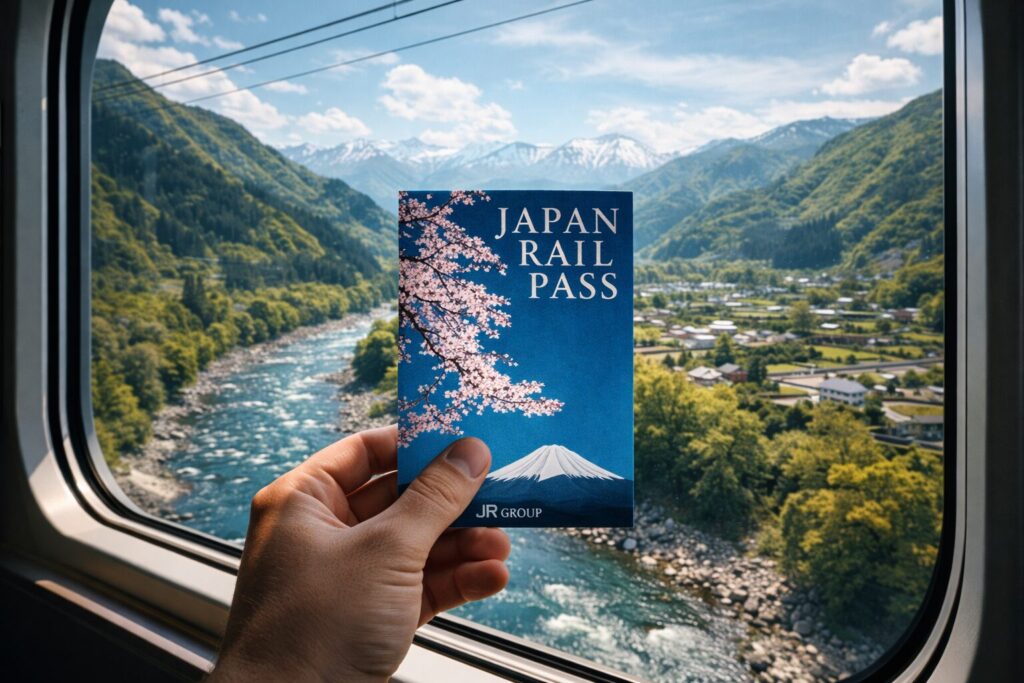
The nationwide pass is for foreign travelers entering Japan with “Temporary Visitor” status. Your landing permission and passport are checked when you exchange it. The 7, 14 or 21 days count consecutively from the day you start using it. You choose the start date—not the exchange date—so take a single ticket from the airport into the city on arrival day and start the pass on your first long-distance day to get full value.
Buy before you fly and you can exchange it right away at the airport counter when you land. With Klook, the exchange order is mailed to you with free shipping (the product page shows 4 business days). Exchange it for the pass in Japan within 90 days of the purchase date, and start using the pass within 30 days of the exchange. You cannot exchange a confirmation email or a Klook voucher for the pass; you need the mailed exchange order (as stated on Klook’s product page).
Step 3 — Pick a Regional Pass for One or Two Regions
3
Step 3 — Pick a Regional Pass for One or Two Regions Cheaper than the nationwide pass, with unlimited rides in your area
If most of your trip stays within one or two regions, a regional pass is far cheaper. The Kansai Area Pass stopped selling on September 30, 2026, so for Kansai choose the Kansai WIDE Area Pass.
Pick the region you will travel, then buyAdult prices in yen (checked October 8, 2026). Each bar and “less” amount compares with the nationwide 7-day Ordinary pass at ¥53,000.
HakataHiroshimaOkayamaOsakaKyotoNagoyaKanazawaTakayama123451Kansai WIDE2JR West All Area3Kyushu4Kansai–Hokuriku5Takayama–Hokuriku
1Kansai WIDE Area PassFor day trips from Kansai to Kinosaki Onsen, Amanohashidate or Okayama. Includes reserved seats on the Sanyo Shinkansen between Shin-Osaka and Okayama
4Kansai-Hokuriku Area PassFor linking Kyoto, Osaka and Nara with Kanazawa and Toyama. Includes reserved seats on the Hokuriku Shinkansen (Tsuruga to Joetsu-Myoko) and the Sanyo Shinkansen (Shin-Osaka to Okayama)
367893Kyushu6JR EAST PASS7JR TOKYO Wide8Tohoku–South Hokkaido9Hokkaido
6JR EAST PASSFor Tohoku, Nagano and Niigata on one pass, as far as Aomori, Sendai, Nagano and Niigata. The Tokaido Shinkansen, Izukyu and Fujikyu lines are not covered
5 days¥35,000¥18,000 less
10 days¥50,000¥3,000 less
How you get it: an e-exchange order, exchanged at major JR East stations. Bookable 180 days aheadWho can use it: anyone with a non-Japanese passport; no “Temporary Visitor” requirement (JR East; Klook’s product page says the same)
Klook: From US$221.05Check the days on its product page
7JR TOKYO Wide PassFor trips out of Tokyo to Nikko, Izu and the Mount Fuji area, plus GALA Yuzawa in winter and spring. The Tokaido Shinkansen is not covered
3 days¥16,000¥37,000 less
How you get it: pick-up at Haneda or Narita AirportWho can use it: no “Temporary Visitor” requirement (JR East). Check who can book on Klook’s product page
8JR Tohoku-South Hokkaido Rail PassFor Tohoku and southern Hokkaido: the Shinkansen to Aomori and Yamagata, and JR Hokkaido trains to Hakodate and Sapporo
6 days¥32,000¥21,000 less
How you get it: paper exchange order mailed with free shipping (as shown on Klook’s product page)
Yen prices, days and areas are those published by the JR companies (checked October 8, 2026; links under Sources). Passes of other lengths are measured against the same ¥53,000 line. Buying the JR Hokkaido Rail Pass at a station in Japan costs ¥1,000 more (JR Hokkaido). Klook amounts are the first “from” price on each product page, in US dollars (checked October 9, 2026), and are not on the bars. How you get each pass is as shown on Klook’s product page. Prices and the way you book and receive a pass can change. What you pay in your own currency changes with the exchange rate. “About US$” figures are the yen price at the guide rate in Step 1, not a seller’s price.
Some regional passes cannot go through automatic gates; in that case, show the pass at the staffed gate. Subways, private railways and buses are not covered, so pair the pass with an IC card. The JR West All Area Pass covers the Sanyo Shinkansen (Shin-Osaka to Hakata), but not the Tokaido Shinkansen (Shin-Osaka–Kyoto–Tokyo) or the Kyushu Shinkansen.
Buy a regional pass online before you leave, then show your passport at an airport or a major station in Japan to exchange it. Who can use a regional pass differs from pass to pass. Many are only for temporary visitors, and Japan residents cannot buy those. The JR EAST PASS and the JR TOKYO Wide Pass have no “Temporary Visitor” requirement (JR East, checked October 8, 2026). For the JR EAST PASS a non-Japanese passport is enough; for the JR TOKYO Wide Pass, check who can book on Klook’s product page first. If your trip spans two regions, you can use two regional passes on different days. If you mainly sightsee in Kyoto and Osaka without going far, single tickets or an IC card are cheaper than any pass.
Kansai to Hakata · 7-day Covering Kansai, Hiroshima and Hakata? Book the JR West All Area Pass on Klook.
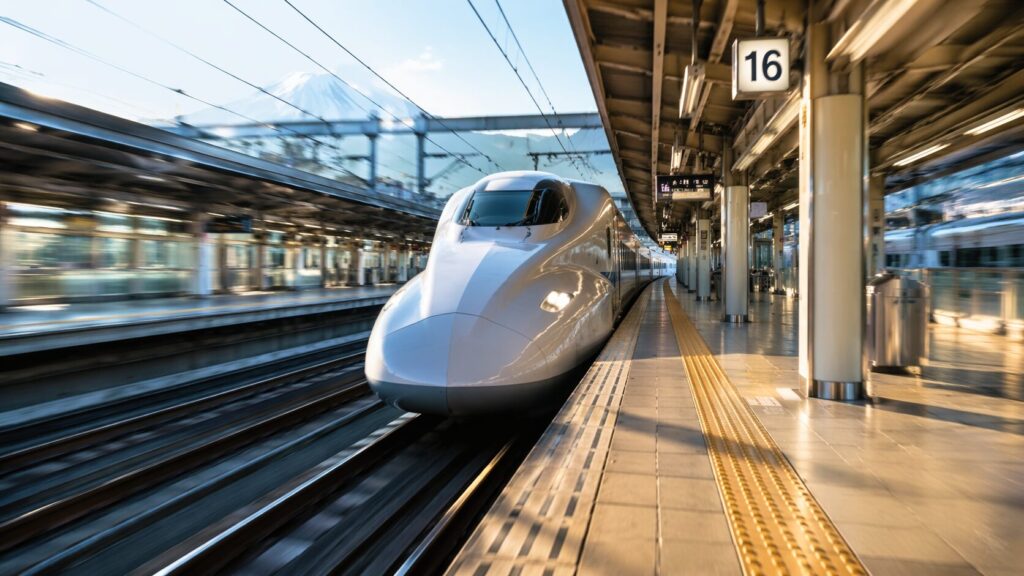
1Hikari · SakuraKodama · Tsubame ✓1Hikari · Sakura · Kodama · Tsubame✓ Covered · no extra chargeSeat reservations are free too. They run on the same tracks as Nozomi and Mizuho and reach Kyoto, Shin-Osaka, Hiroshima and Hakata
2Nozomi ✗2Nozomi✗ Not coveredTokaido and Sanyo Shinkansen
3Mizuho ✗3Mizuho✗ Not coveredSanyo and Kyushu Shinkansen
Instead of Nozomi or Mizuho, take Hikari/Sakura or buy the add-on ticket
Hayabusa · Komachi · Kagayaki✓ CoveredAll seats reserved; book before boardingGranClass✗ Not coveredExtra charge even with a Green Car pass
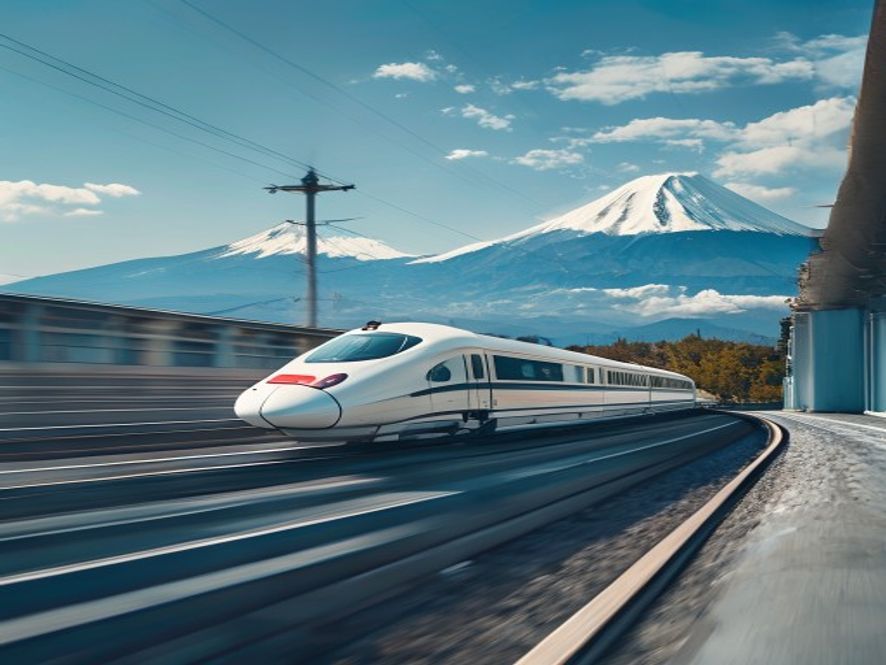
On a Hikari from Tokyo to Shin-Osaka, sit by the window on the right side (seat E, Ordinary Car) to see Mount Fuji on a clear day.
Nozomi/Mizuho ticket prices
Tokyo ⇄Nagoya¥4,180Kyoto / Shin-Osaka¥4,960Hiroshima¥6,500Hakata¥8,140Shin-Osaka ⇄Hiroshima¥4,170Hakata¥4,960Hakata ⇄Kagoshima-Chuo¥5,150
Sold only to Japan Rail Pass holders, one ticket per ride. Adult prices; Green Car, reserved and non-reserved seats cost the same, and child tickets are sold too. Buy at a station reserved-seat ticket machine or JR ticket office from one month before the ride until the day itself. Priced in yen (JR Group’s fare table, checked October 8, 2026); your cost changes with the exchange rate.
How to book seatsAfter you exchange, book at a station machine or ticket office. Book early for cherry blossom, Golden Week, Obon and New Year
With a pass bought from a designated overseas sales agent, you book at a station reserved-seat ticket machine or a JR ticket office after you have exchanged your order for the pass. Seats sell out during cherry blossom season (late March to early April), Golden Week (late April to early May), Obon (mid-August) and New Year, so book as soon as your plans are set. Shinkansen leave exactly on time, so be on the platform 5–10 minutes early.
Non-reserved carsWith the pass you can ride non-reserved cars on Hikari, Sakura and Kodama (not Nozomi or Mizuho). At busy times you may not get a seat
The Tokaido and Sanyo Shinkansen have reserved and non-reserved cars. Which cars are non-reserved depends on the train, so check the signs on the platform. The pass lets you ride non-reserved cars as they are, but at busy times you may not get a seat. Hayabusa, Komachi and Kagayaki have no non-reserved cars, so always book a seat before boarding.
No pass? Book single tickets
Book your seat before you fly and save time at the ticket office
On Klook you pay in your own currency. Its route pages for Tokyo to Kyoto, Shin-Osaka, Nagoya and Hiroshima, for Kyoto to Tokyo, and for Shin-Osaka to Hiroshima and Tokyo show QR code boarding and changeable tickets (checked October 8, 2026; change terms vary by train and seat, so check them when you book). Klook shows prices in US dollars; what you pay changes with the exchange rate and may differ from the station price.
🚄
Tokyo → Kyoto
QR code boarding · changeable · pay in your currency
From US$87.65
Ordinary reserved seat (shown in US dollars, checked October 9, 2026). Final prices may vary
More routes to book before you flyKlook’s “from” prices for an Ordinary reserved seat, in US dollars, as shown on its route pages (checked October 9, 2026). The amount depends on the train and seat, and what you pay changes with the exchange rate. I may receive a commission if you book through these links.
You can also buy at the station or on JR’s sitessmartEX, JR West’s online reservation, Eki-net, or a station ticket machine on the day
To buy from JR instead (Tokyo to Kyoto ¥13,850 and Tokyo to Shin-Osaka ¥14,400 on a Hikari reserved seat, priced in yen, as of October 2026): for the Tokaido and Sanyo Shinkansen, the smartEX app accepts foreign credit cards and lets you ride without a paper ticket. Use JR West’s online reservation for the Sanyo and Kyushu lines, and JR East’s Eki-net for the Tohoku, Hokuriku and Joetsu lines. Station ticket machines have an English display, so you can also buy on the day.
Big suitcases need a reservation or delivery
Add up the height, width and depthOn the Tokaido, Sanyo, Kyushu and Nishi-Kyushu Shinkansen
160 cm250 cm
Up to 160 cmNo reservation neededOver 160 cm, up to 250 cmReserve a last-row “seat with oversized baggage area”. Bring it on without one and you pay a ¥1,000 fee (as of October 2026) and will be asked to move itOver 250 cmNot allowed on boardIn Tokyo, send your bags between hotel and airport the same dayKlook’s luggage delivery covers Tokyo hotels ⇄ Haneda and Narita airports, and Tokyo hotel to Tokyo hotel (as shown on Klook’s product page, checked October 8, 2026). Use it from the airport to your hotel on arrival day, or from your hotel to the airport on your last day. Check the cut-off time on Klook’s product page.KlookBook luggage delivery →
To send a suitcase to your hotel in the next city, ask the front desk for a delivery service (takkyubin). It usually arrives the next day, so hand it over the day before.
Step 5 — Get Ready to Use It the Moment You Land Exchange, IC card and mobile data
Show your exchange order and passport at a JR counter at the airport or a major station to get your pass. Use an IC card for subways, private railways and buses, and you will need mobile data to look up connections.
Three things to do at the counter
1Hand over the exchange order and your passport2Tell staff your start date (decide it beforehand; you can exchange from one month before the first day of use)3Check the date and name on the pass on the spot (the dates cannot be changed once it is issued)
The pass goes through automatic gates, so just insert it. Gates marked “IC only” will not accept it. Counters at Narita, Haneda and Kansai airports get busy when flights land together, so allow extra time.
To check timetables and connections, you need data from the moment you land. If your phone supports eSIM, you can install one before you leave. For English support and 5G, choose Sakura Mobile; to pick your own data plan, choose Klook. What you pay in your own currency changes with the exchange rate.
📶
Sakura Mobile eSIM
5G · English support · QR code sent by email
From ¥1,375
Tax included (from ¥1,250 before tax). Varies by days and plan, with plans for stays of up to 90 days (priced in yen, checked October 7, 2026)
Japan Rail Pass FAQ Prices, Shinkansen rules and when to buy
How much is the Japan Rail Pass in 2026 (7, 14 and 21 days)?
For purchases from October 1, 2026, the prices at designated overseas sales agents are ¥53,000 for 7 days, ¥84,000 for 14 days and ¥105,000 for 21 days in Ordinary, and ¥74,000, ¥116,000 and ¥147,000 in Green Car (JR Group announcement, April 9, 2026). JR Pass Direct’s selling prices are the same amounts (checked October 7, 2026). Child prices are in Step 2. Amounts are priced in yen, and what you pay in your own currency changes with the exchange rate.See the prices and buy ↑
Does the Japan Rail Pass cover the Shinkansen?
Yes. You can ride Hikari, Sakura, Kodama and Tsubame on the Tokaido, Sanyo and Kyushu Shinkansen at no extra charge, and seat reservations are free. Nozomi and Mizuho are not covered, not even in non-reserved cars. GranClass and private compartments cost extra.
Can you use the JR Pass on the Nozomi? How much is the Nozomi ticket?
Not on the pass alone. Buy a Nozomi/Mizuho ticket, sold only to Japan Rail Pass holders, each time you ride, and you can board. It costs ¥4,960 for Tokyo to Kyoto or Shin-Osaka, ¥6,500 for Tokyo to Hiroshima, ¥8,140 for Tokyo to Hakata and ¥4,960 for Shin-Osaka to Hakata (adult; the same for Green Car, reserved and non-reserved seats; priced in yen, checked October 8, 2026). Buy it at a station reserved-seat ticket machine or JR ticket office from one month before the ride until the day itself. What you pay in your own currency changes with the exchange rate.See all Nozomi ticket prices ↑
Is the Sakura Shinkansen covered by the JR Pass?
Yes. Sakura is covered at no extra charge, and seat reservations are free. On the Sanyo and Kyushu Shinkansen it is the train to take in place of Nozomi and Mizuho.
Should I buy a JR Pass for just Tokyo, Kyoto and Osaka?
No. A Tokyo ⇄ Kyoto round trip costs ¥27,700 in tickets. Even looping through Osaka and Hiroshima and back to Tokyo comes to ¥46,050, less than the 7-day pass (¥53,000). Going as far as Hakata comes to ¥58,990, and the pass pays off (regular-season estimates for ordinary-car reserved seats on Hikari, Sakura and Kodama, as of October 2026). Consider the pass for trips that reach Kyushu, Tohoku or Hokkaido. Amounts are priced in yen, and what you pay in your own currency changes with the exchange rate. You can book single tickets on Klook before you fly: see how to book single tickets.
When should I buy the Japan Rail Pass?
Before you come to Japan. An exchange order must be exchanged for the pass in Japan within three months of the date it was issued (JR Group’s Japan Rail Pass website). On Klook you can book up to 180 days ahead, and you exchange within 90 days of the purchase date (as stated on Klook’s product page; if your travel date is more than 90 days away, Klook confirms the booking about 70 days before travel).See the prices and buy ↑
Can I buy the Japan Rail Pass after arriving in Japan?
Not at a station. Trial sales at ticket counters in Japan ended on October 1, 2023 (JR Group announcement), and JR’s guidance is to buy the exchange order before coming to Japan. So buy it before you leave.
This page contains affiliate links. If you buy or sign up through the links (JR Pass Direct, Klook, Sakura Mobile), I may receive a commission.
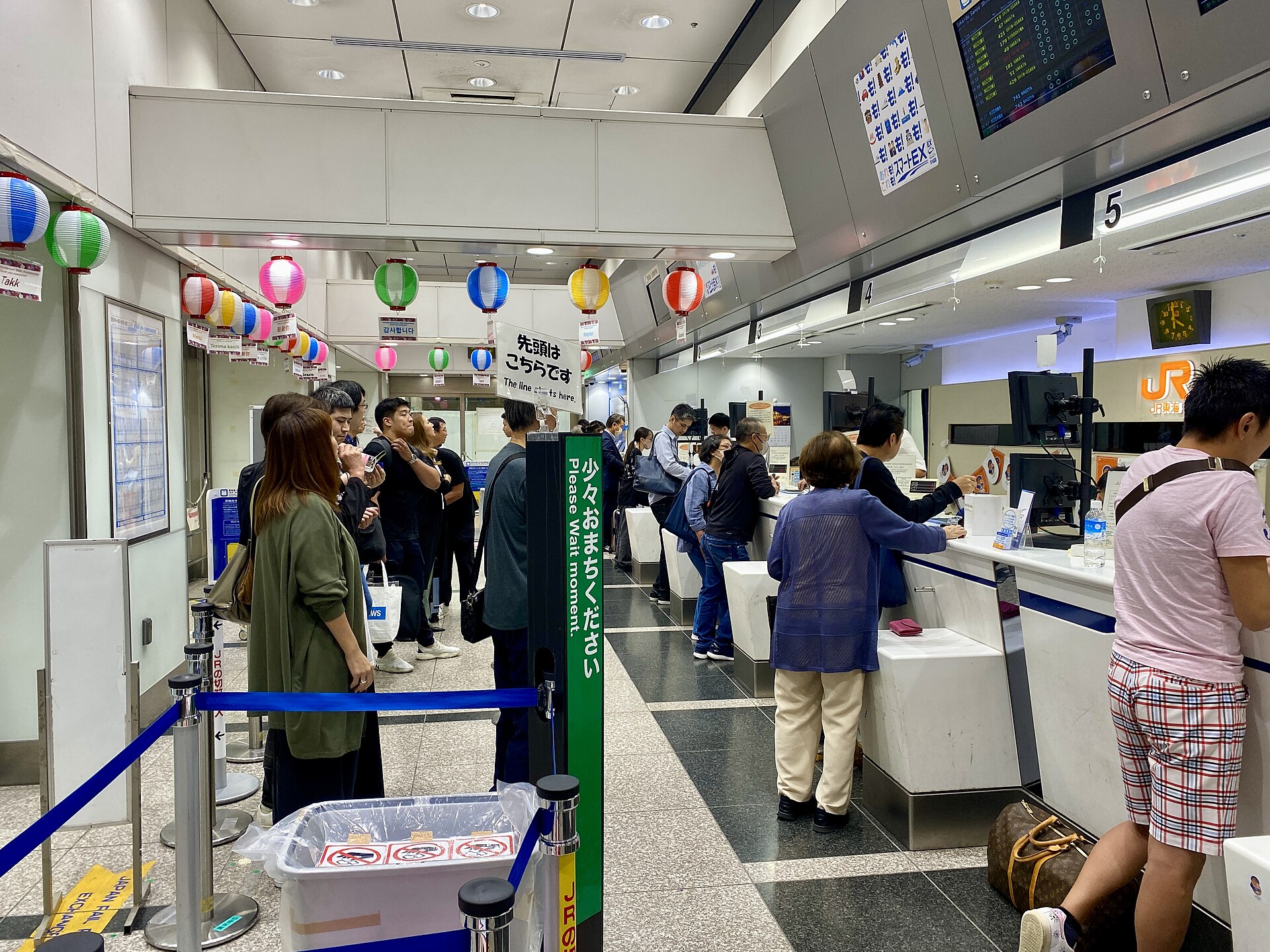
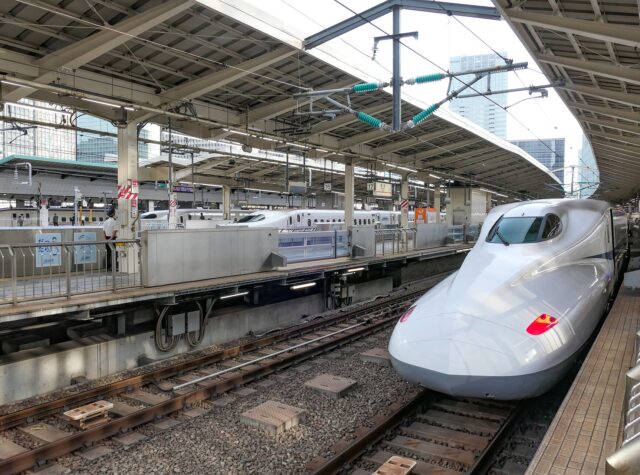
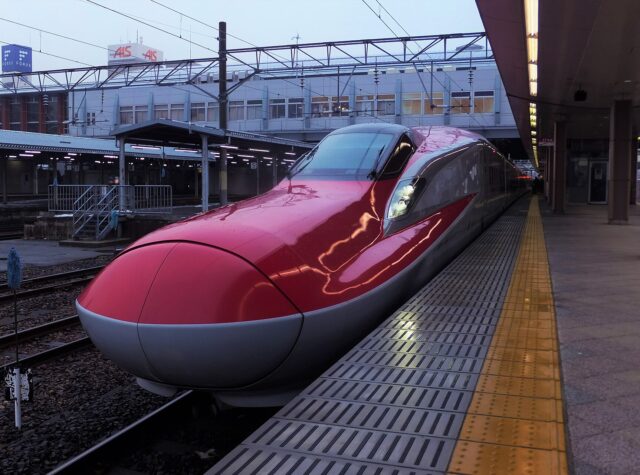
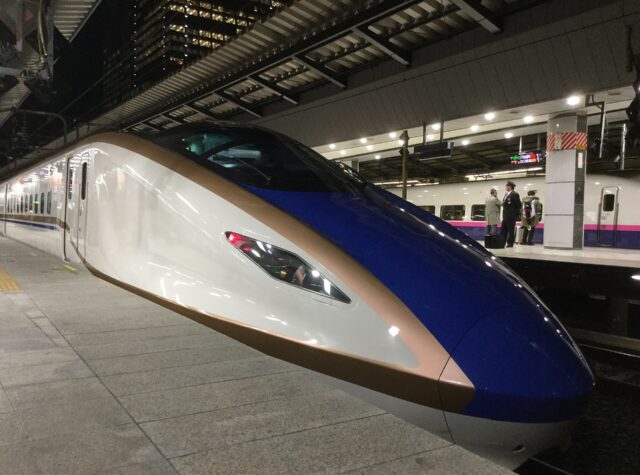
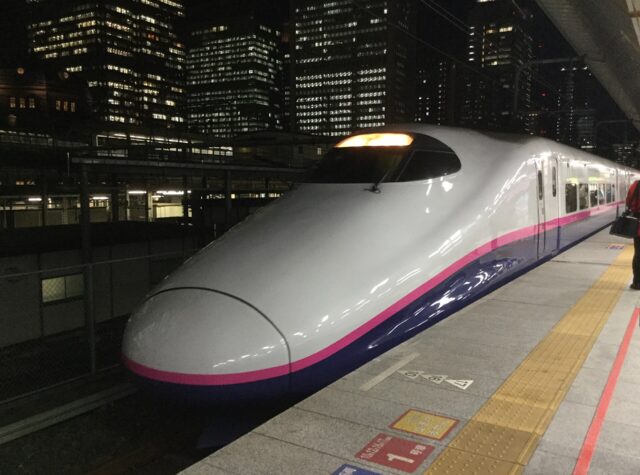
Photo credits: Tokyo Tower at night above the city lights: Melv_L – MACASR, CC BY-SA 2.0 (Wikimedia Commons) / Tokyo Station Marunouchi building lit up on a rainy night: Dick Thomas Johnson, CC BY 2.0 (Wikimedia Commons) / Matsue Castle with cherry blossoms in Shimane: Matsue, CC BY-SA 4.0 (Wikimedia Commons) / Takayama Autumn Festival float in Gifu: Sjaak Kempe from Groningen, The Netherlands, CC BY 2.0 (Wikimedia Commons) / JR ticket office counters in Japan: mrpbps, CC BY 2.0 (Wikimedia Commons) / Akita Shinkansen E6 series at the platform: 掬茶, CC BY-SA 4.0 (Wikimedia Commons) / Hokuriku Shinkansen at a platform: るーと16, CC BY-SA 4.0 (Wikimedia Commons) / Concourse at Kansai Airport Station: Kanchi1979, CC BY-SA 4.0 (Wikimedia Commons) / Akita Shinkansen Komachi crossing a bridge among autumn leaves: 掬茶, CC BY-SA 4.0 (Wikimedia Commons) / Japanese macaques in a hot spring at Jigokudani: Asteiner, CC BY 3.0 (Wikimedia Commons) / Shinkansen at a night platform in Tokyo Station: るーと16, CC BY-SA 4.0 (Wikimedia Commons) / Shinkansen at the platform of Tokyo Station: MaedaAkihiko, CC BY-SA 4.0 (Wikimedia Commons) / Sakurajima seen from Kagoshima city at dusk: lumoplank, CC0 (Wikimedia Commons) / Ticket counters at a JR station in Japan: mrpbps, CC BY 2.0 (Wikimedia Commons) / Pine trees at Kasumigaike pond in Kenrokuen Garden, Kanazawa: KimonBerlin, CC BY-SA 2.0 (Wikimedia Commons)
Reviewed by the Go Japan Now Editorial Team (Tokyo), founded by STARK.
 The pass from Step 1Tokyo to Kyushu in a week
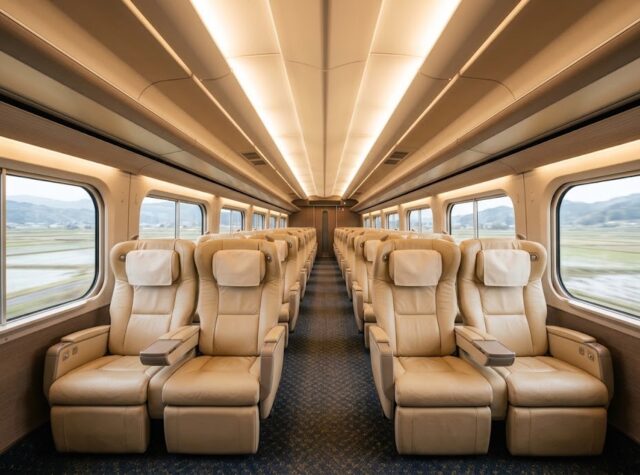 Wider seats, quieter car
 Add Kyushu, Tohoku or Hokkaido
 Two weeks in first class
 Lowest per day in OrdinaryHokkaido to Kyushu, end to end
 1Kansai WIDE Area PassFor day trips from Kansai to Kinosaki Onsen, Amanohashidate or Okayama. Includes reserved seats on the Sanyo Shinkansen between Shin-Osaka and Okayama
 2JR West All Area PassFor going from Kansai to Hiroshima, Miyajima, Hakata or Kanazawa. Covers the Sanyo Shinkansen (Shin-Osaka to Hakata)
 3JR Kyushu Rail PassFor Kyushu. Choose All Kyushu, Northern Kyushu (Fukuoka, Nagasaki, Beppu and Kumamoto) or Southern Kyushu
 4Kansai-Hokuriku Area PassFor linking Kyoto, Osaka and Nara with Kanazawa and Toyama. Includes reserved seats on the Hokuriku Shinkansen (Tsuruga to Joetsu-Myoko) and the Sanyo Shinkansen (Shin-Osaka to Okayama)
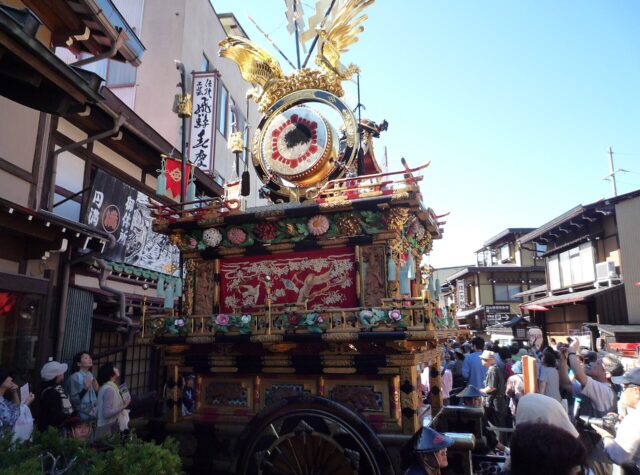 5Takayama–Hokuriku Area Tourist PassFor a loop from Nagoya or Osaka through Takayama, Shirakawa-go and Kanazawa
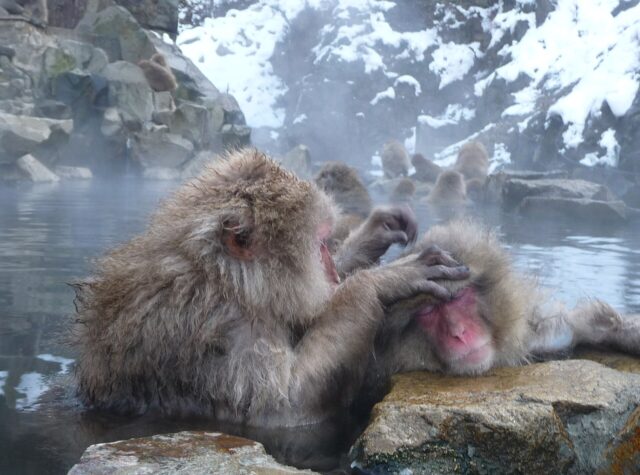 6JR EAST PASSFor Tohoku, Nagano and Niigata on one pass, as far as Aomori, Sendai, Nagano and Niigata. The Tokaido Shinkansen, Izukyu and Fujikyu lines are not covered
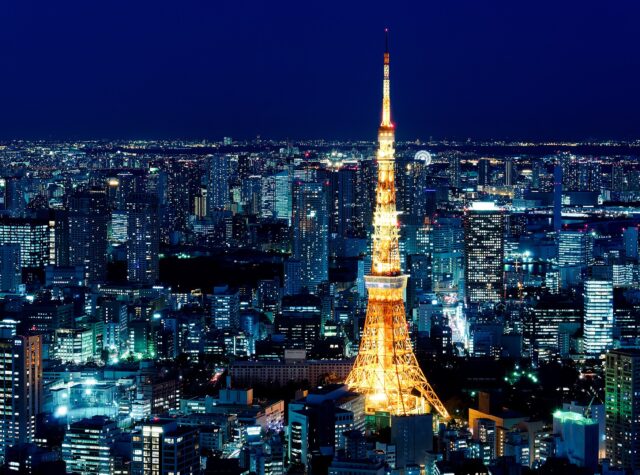 7JR TOKYO Wide PassFor trips out of Tokyo to Nikko, Izu and the Mount Fuji area, plus GALA Yuzawa in winter and spring. The Tokaido Shinkansen is not covered
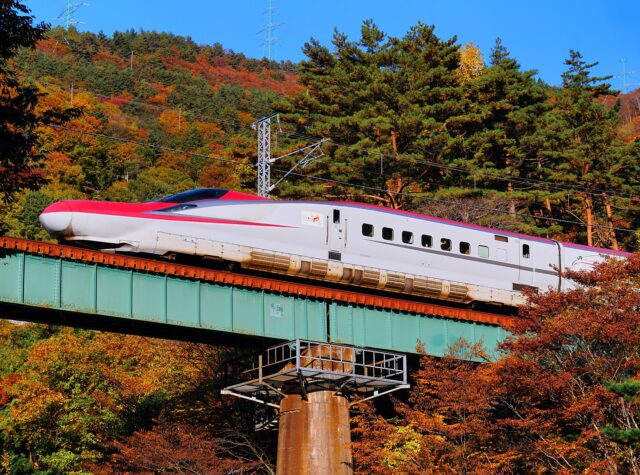 8JR Tohoku-South Hokkaido Rail PassFor Tohoku and southern Hokkaido: the Shinkansen to Aomori and Yamagata, and JR Hokkaido trains to Hakodate and Sapporo
 9JR Hokkaido Rail PassFor touring Sapporo, Furano and Hakodate. Buying at a station in Japan costs ¥1,000 more (¥23,000 and ¥29,000)