JAPAN TRAVEL GUIDE 2026
Go Japan Now
Culture, Food & Hidden Gems
Your complete japan travel guide 2026 — from first-timer basics to off-the-beaten-path adventures. Everything you need to visit Japan, in one place.
Why Japan Is the World's Best Travel Destination Right Now
Japan travel guide 2026 starts with the most important fact every traveler should know: the Japanese yen is at historic lows, and that means your travel budget goes extraordinarily far. With the exchange rate sitting around $1 USD ≈ ¥155, a meal that would cost $20 back home runs just ¥800–¥1,200 in Tokyo. A Shinkansen (bullet train) ride from Tokyo to Kyoto — one of the most iconic journeys in the world — costs roughly ¥14,000 (about $90). For visitors arriving with US dollars, Euros, or Australian dollars, Japan is delivering exceptional value on a scale not seen in decades.
But this isn't only about value. Japan is consistently ranked the #1 destination in the world for safety, cleanliness, and cultural depth. In 2025, Japan welcomed over 36 million international visitors — a record — and 2026 is on track to surpass that figure. The appeal is universal: ancient temples sit beside futuristic skylines; world-class sushi is served in basement restaurants for under $10; and the hospitality culture, known as omotenashi, makes every traveler feel genuinely welcomed.
Whether you're planning your first trip or returning for the fifth time, Japan rewards deeper exploration. The sheer variety of experiences available — from snowy ski resorts in Hokkaido to tropical beaches in Okinawa, from thousand-year-old temples in Kyoto to cutting-edge robot restaurants in Akihabara — means no two Japan trips are ever the same. The country has mastered the art of blending tradition with innovation in a way that feels entirely natural and never forced.
For those comparing Asia's destinations, Japan currently stands out as the best value in the region. A week-long trip covering Tokyo, Kyoto, and Osaka can realistically be achieved for $1,500–$2,500 per person including flights, accommodation, food, and activities — less than a comparable trip to Singapore or Hong Kong. When you factor in the quality of experiences available at every price point, Japan travel tips consistently point to one conclusion: go now, while the yen is weak.
The yen weakness is expected to continue through 2026, making this the optimal window to visit Japan. Travelers who have been considering Japan for years are finding this the moment to finally book. Infrastructure is excellent, English signage has dramatically improved in recent years, and new cultural experiences are opening up across the country to meet international demand.
Japan's safety record is unmatched globally. It consistently ranks as one of the safest countries in the world for solo travelers, female travelers, and families with children. Lost wallets are routinely returned with cash intact. Train delays are measured in seconds. The tap water is clean and delicious enough to bottle. Convenience stores (kombini) — open 24 hours, found on almost every city block — sell genuinely good hot food, fresh sandwiches, ATMs that accept international cards, and everything you could possibly need at any hour of the day or night. This combination of safety, infrastructure quality, and sheer convenience makes Japan uniquely stress-free to navigate, even on a first trip with minimal Japanese language skills.
📶 Get Online the Moment You Land
Skip the airport SIM hunt. Activate your Klook Japan eSIM via QR code before boarding — instant data the second you land.
Stage 1 — Plan Your Trip
Japan travel tips always begin with timing. Japan is beautiful year-round, but the most popular seasons are spring (late March to early May, for cherry blossoms) and autumn (late October to mid-November, for fall foliage). Both periods see higher accommodation prices and larger crowds, so book early — ideally 3 to 6 months in advance for popular hotels in Kyoto or Tokyo during peak season.
For budget travelers or those who prefer quieter streets, summer (June–August) and winter (December–February) offer significant savings on accommodation, often 30–40% below peak-season rates. Summer is hot and humid in the main cities, but Hokkaido remains cool and delightful. Winter brings stunning snow scenery and some of the world's best skiing in Niseko, while Tokyo and Osaka stay mild by global standards.
Visa requirements for Japan are straightforward for most nationalities. Citizens of the US, UK, Canada, Australia, most EU nations, and many Asian countries can enter visa-free for up to 90 days. The official Japan Tourism Agency website lists all eligible countries, and the process for those who do need a visa is generally fast and uncomplicated through Japanese embassies worldwide.
Japan travel guide 2026 advice on budgeting: plan for approximately $100–$150 per person per day for a comfortable mid-range trip including accommodation, meals, local transport, and entry fees. Budget travelers can do it for $60–$80 daily; luxury travelers have no upper ceiling. Food is the great leveler — even on a tight budget, you can eat extraordinarily well at convenience stores, ramen shops, and standing sushi bars.
When building your itinerary, the key is not to over-pack your schedule. Japan rewards slow travel. Give yourself at least a full day for each major area within Tokyo alone — Asakusa, Shibuya, Shinjuku, and Akihabara each deserve unhurried exploration. Aim for no more than two or three major destinations per week, and leave time for the spontaneous discoveries that make Japan trips genuinely memorable.
One underrated japan travel tip is to research accommodation by neighborhood rather than just by city. In Tokyo, staying in Shinjuku puts you within walking distance of Kabukicho nightlife and the Golden Gai bar alley, while Asakusa accommodation immerses you in traditional craft shops and morning temple visits. In Kyoto, Higashiyama neighborhood stays allow you to walk to Kiyomizudera in early morning before the crowds arrive — one of the genuinely magical experiences Japan can provide. In Osaka, a Dotonbori-area hotel means evening food crawls end steps from your door. Neighborhood choice shapes the entire texture of your experience.
Flight booking for Japan follows reliable patterns. Tokyo's Haneda Airport offers more central access to the city than Narita but handles fewer international routes. Check both when comparing options — sometimes a Narita flight saves $200–$300 on fares, making it well worth the extra transfer time. Budget carriers including AirAsia, Scoot, and Peach operate affordable routes from Southeast Asia, while major carriers from the US, Europe, and Australia offer competitive pricing on the Japan routes year-round. Flying into one gateway city and out of another (open-jaw flights: fly into Tokyo, fly home from Osaka) can save backtracking time and often costs little extra.
First Time in Japan? Start Here
Everything a first-time visitor needs — visa, budget, itinerary templates, and must-know tips for a seamless trip.
-
-
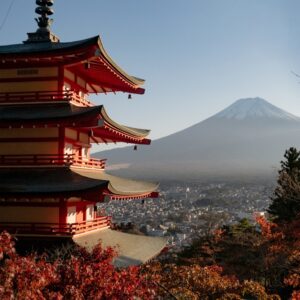
First Time in Japan: The Ultimate 2026 Guide for First-Time Visitors
📍 Your Complete 2026 Resource First Time in Japan: The Ultimate Stress-Free Guide Everything you nee ...
続きを見る
Stage 2 — Get Ready Before You Land
The single biggest mistake first-time Japan travelers make is arriving without a data plan. Japan's streets, train stations, and temple districts rely heavily on digital maps and real-time information. Without mobile data, even simple tasks like navigating a Tokyo subway transfer become stressful. The good news: Japan eSIM options are excellent and affordable.
The two most reliable solutions for most travelers are Klook's Japan eSIM (QR-code activated before you board, works immediately on landing) and Sakura Mobile (especially good for stays of two weeks or more, with excellent English customer support). Both offer unlimited or high-volume data plans starting around ¥1,500–¥3,500 for a week, which represents extraordinary value given how often you'll rely on navigation apps throughout each day.
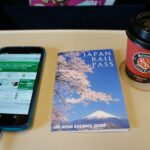
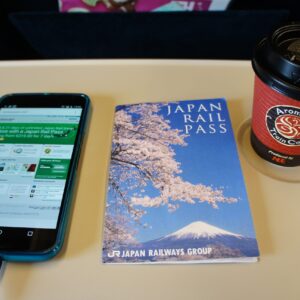
The JR Pass is Japan's iconic rail pass, offering unlimited travel on Japan Railways (JR) trains — including most Shinkansen services — for a fixed price. In 2026, the 7-day JR Pass costs approximately ¥50,000 (~$320 USD). It pays for itself after just two round-trip Shinkansen rides between Tokyo and Kyoto. If you're planning to visit three or more cities, the JR Pass is almost always the best value. The 14-day and 21-day passes extend the savings further.
For airport transfers, pre-booking is strongly recommended — especially for Narita Airport, which is located 60–90 minutes from central Tokyo depending on your chosen transport. The Narita Express (N'EX) is convenient and covered by the JR Pass. Alternatively, Klook offers affordable shared transfers from Narita and Haneda airports that can be booked directly to your hotel address, saving the effort of navigating Japanese train lines with heavy luggage immediately on arrival.
Pocket WiFi devices are another popular option, available at airport vending machines or pre-ordered online for pickup on arrival. While convenient for groups (one device shared among multiple people), they require charging and can run out of battery at inconvenient moments. For solo travelers and couples, an eSIM offers greater reliability and eliminates the need to return a physical device at journey's end.
Japan's airport transfer options have also improved markedly. Haneda Airport, now handling more international arrivals than ever, offers the Tokyo Monorail and Keikyu Line for fast, cheap connections to central Tokyo (under ¥700, about 25–35 minutes). Both Narita and Haneda airports have taxi stands with fixed-rate options for large groups, and ride-share apps now operate at both. For travelers arriving late at night or with heavy luggage, the shared shuttle services pre-bookable through Klook offer door-to-door transfers at fixed prices, eliminating any post-flight navigation stress.
IC cards (Suica or PASMO) are indispensable for city travel. These rechargeable smart cards work on virtually every train, bus, and subway in Japan, and can also be used at convenience stores and many vending machines. You can add an IC card to Apple Wallet or Google Pay before you even leave home — one of Japan's most traveler-friendly recent improvements.
WiFi, SIM & eSIM in Japan
Compare all connectivity options — eSIM, pocket WiFi, and SIM cards — with prices and honest recommendations for every trip length.
-

-
Japan WiFi, SIM & eSIM Guide 2026 — Stay Connected from Landing
📶 STAGE 2 — GETTING READY You're here: Sorting out internet before you land in Japan Japan has excel ...
続きを見る
🌸 Sakura Mobile eSIM — Trusted by Long-Stay Travelers
English support, unlimited data plans, and reliable nationwide coverage. The go-to choice for travelers staying 2+ weeks in Japan.
Stage 3 — Experience Japan
Japan's experiences span the entire spectrum of human culture, and the beauty of visiting in 2026 is that even the traditionally premium experiences have become accessible. Luxury ryokan that once required booking months in advance now have greater availability due to expanded capacity and improved booking systems. Theater experiences — Kabuki, Noh, and the dazzling Takarazuka Revue — now offer English audio guides. Even sumo tournaments, once a confusing spectacle for foreign visitors, have English commentary screens and multilingual programs. Japan is actively making its culture accessible while preserving its integrity. — and the best ones are often the least expensive. Street food markets, neighborhood temples, seasonal flower festivals, and local izakayas (Japanese pubs) are all essentially free or very affordable, yet they deliver the most authentic and memorable encounters Japan has to offer.
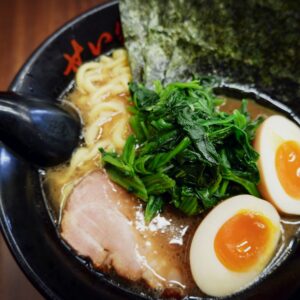
Food culture is arguably the most compelling reason to visit Japan. Tokyo alone has more Michelin stars than any other city in the world — but the revelation for most visitors is discovering that extraordinary food exists at every price point. A bowl of ramen at a counter-seat shop in Shinjuku costs ¥800–¥1,200 and will likely be among the best things you eat all year. Yakitori skewers at a smoky grill beside a railway underpass; fresh sashimi at a Tsukiji outer market stall at 7am; a seasonal kaiseki tasting menu in Kyoto's Gion district — Japan's culinary landscape is endlessly rewarding.
Seasonal festivals transform Japan's towns and cities throughout the year. Cherry blossom (hanami) season in spring draws millions to parks for outdoor picnics beneath flowering trees. Summer brings raucous matsuri (festivals) with fireworks, yukata-clad crowds, and portable shrines carried through streets. Autumn momiji (maple-leaf viewing) rivals spring for sheer beauty. Winter illuminations in major cities rival the best in Europe. Planning your visit around a specific seasonal event adds an extra dimension to any Japan trip.
Cultural experiences have become increasingly accessible for international visitors. Tea ceremony classes, kimono rental, samurai sword lessons, sake brewery tours, sumo morning practice viewing, and traditional calligraphy workshops are all available in the major tourist hubs, with English instruction. Booking platforms like Klook have made discovery and advance booking simple, often at better prices than walk-in rates.
Experience Japan's Food & Culture
Deep-dive into Japan's food culture — from Michelin ramen to morning tuna auctions. Seasonal festivals, tea ceremonies, and unforgettable cultural encounters.
-
-
Cultural Experiences in Japan 2026 | Art, Kimono, Food & More
Stage 3 — Experiences Best Cultural Experiences in Japan for Every Traveler Cultural experiences in ...
続きを見る
Stage 4 — Go Deeper
Japan travel tips for returning visitors almost universally involve the same advice: go off the beaten path. Beyond the well-worn Golden Route of Tokyo–Kyoto–Osaka lies a vast and largely unexplored Japan that rewards curious travelers with some of the country's most remarkable experiences. These hidden gems and alternative destinations are increasingly accessible, often cheaper than the tourist-heavy hotspots, and offer encounters with Japanese life in its most authentic form.
Kanazawa, on the Sea of Japan coast, is often called the "Kyoto of the north" — with beautifully preserved samurai and geisha districts, a world-class contemporary art museum, and some of Japan's finest seafood. Unlike Kyoto, it sees a fraction of the tourist numbers, meaning you can actually walk through its historic lanes in peace. Accessible from Tokyo by Shinkansen in about 2.5 hours, it makes a perfect 2-night detour.
Hiroshima and Miyajima Island form one of Japan's most powerful and moving day-trip combinations. The Peace Memorial Museum in Hiroshima is an essential experience that puts contemporary Japan in profound historical context. Miyajima's giant torii gate rising from the sea at high tide is one of Japan's most photographed images — and for good reason. Deer roam freely through the island's forested shrine complex.
For nature lovers, Hokkaido's national parks offer world-class trekking, wildflower meadows, thermal hot springs, and winter sports. Shiretoko, a UNESCO World Heritage Site in the far northeast of Hokkaido, is one of the most pristine wilderness areas in East Asia. Okinawa's coral reefs and distinct Ryukyuan culture provide a completely different Japan experience — subtropical, unhurried, and visually stunning.
City explorers will find endless depth in the smaller neighborhoods of Japan's major cities that rarely appear in guidebooks. Tokyo's Yanaka district, with its old shopping street and historic cemetery, feels like stepping back to 1960s Japan. Osaka's Namba Hatch area and the Shinsekai retro entertainment district offer a grittier, more authentic face of urban Japan. Kyoto's Fushimi and Nishiki Market neighborhoods reward those willing to look beyond the obvious temple circuit.
Hidden Gems in Japan
Discover Japan's best-kept secrets — from Kanazawa's samurai streets to Yakushima's ancient cedar forests. The destinations that experienced travelers return to again and again.
-

-
Hidden Gems in Japan 2026 — Secret Spots Beyond the Tourist Trail
Japan's most famous sights are famous for a reason — but the country's hidden gems are where the rea ...
続きを見る
Japan by the Numbers 2026
Japan's tourism sector has reached record-breaking levels, driven by the weak yen and growing global interest in Japanese culture. The numbers paint a clear picture: Japan is in its golden era as a travel destination, and the opportunity for value-driven international visitors has never been greater. Here's what the data tells us about visiting Japan right now.
International visitor spending has surged alongside arrival numbers. In 2024, international tourists collectively spent over ¥8 trillion in Japan — a figure that reflects not just high arrival numbers but the depth of engagement visitors have with Japanese culture, cuisine, and retail. Day-trippers to convenience stores, luxury shoppers in Ginza, and hikers buying provisions for mountain trails — all contribute to an economy that has warmly embraced international tourism as a core pillar of its future growth strategy.
Accommodation options have expanded dramatically to meet demand. Japan now offers everything from ¥3,000/night capsule hotels with premium fittings to ¥100,000+/night luxury ryokan (traditional inns) where every meal is a multi-course seasonal event and the bathing experience centers on natural hot spring water. The mid-range market has also improved significantly — business hotels like Dormy Inn and APA offer clean, well-located rooms with Japanese-style breakfast for ¥8,000–¥12,000 per night in major cities.
| Metric | 2024 Figure | Notes |
|---|---|---|
| International Visitors | 36.8 million | Record year; 2026 on pace for 40M+ |
| Exchange Rate (USD/JPY) | ~¥155 per $1 | 25-year low for yen; buyers' market |
| Avg. Daily Spend per Visitor | ~$150–$200 | Includes accommodation, food, transport |
| Tokyo Ramen (counter seat) | ¥800–¥1,200 (~$5–$8) | World-class quality at budget prices |
| 7-Day JR Pass | ¥50,000 (~$320) | Covers Tokyo–Osaka Shinkansen x2 |
| Narita to Tokyo (N'EX) | ¥3,070 (~$20) | Covered by JR Pass; 53 min direct |
| Michelin Stars (Tokyo) | 200+ (most in world) | Many restaurants under ¥2,000/person |
FAQ — Your Top Questions Answered
These are the questions we hear most from travelers planning their first — or fifth — trip to Japan. Honest, practical answers to help you visit Japan with confidence.
Do I need a visa to visit Japan?
Citizens of over 60 countries can enter Japan visa-free for stays up to 90 days, including the US, UK, Canada, Australia, and most EU nations. Check Japan's Ministry of Foreign Affairs website for the full list of eligible nationalities. If you do need a visa, the process is typically fast (2–5 business days) through the Japanese embassy or consulate in your country.
What is the best time of year to visit Japan?
Spring (late March to early May) and autumn (late October to mid-November) are the most popular seasons for their spectacular cherry blossom and fall foliage respectively. For lower crowds and prices, consider late June to early July (before peak summer heat) or January to mid-February (post-New Year quiet period, great for skiing in Hokkaido or Nagano).
Is Japan expensive to travel?
Not at current exchange rates. With $1 USD ≈ ¥155+, Japan is exceptional value in 2026. A mid-range trip costs approximately $100–$150 per person per day. Budget travelers can manage on $60–$80 daily. Accommodation is the biggest variable — Tokyo capsule hotels start around $25/night; mid-range hotels average $80–$150/night for a double room.
Can I get around Japan without speaking Japanese?
Absolutely. Japan's major cities have excellent English-language signage in train stations and airports. Google Maps works perfectly for navigation. Most tourist attractions have English information. Restaurant menus increasingly include photos and English translations. Outside major cities, carrying a translation app (Google Translate with camera function is superb) makes communication simple.
Should I get a JR Pass for my Japan trip?
If you're visiting two or more major cities using the Shinkansen, the JR Pass almost always pays for itself. The 7-day pass (~$320 USD) covers the full price of a Tokyo–Kyoto round trip ($120) plus multiple city metro trips. If you're staying in just one city for a week, the pass is less necessary — use IC cards (Suica/PASMO) for local transport instead.
🎫 Klook Pass Tokyo — Save Big on Multiple Attractions
Bundle Tokyo's best experiences into one pass. teamLab, Tokyo Skytree, Odaiba attractions, and more — pay less when you combine.
Continue Planning Your Japan Trip
Use the stage guides below to dive deeper into each part of your Japan journey:
First-Timer's Complete Japan Guide
Visa, itinerary templates, budget breakdowns, and the definitive checklist for first-time Japan visitors.
-
-
First Time in Japan: The Ultimate 2026 Guide for First-Time Visitors
📍 Your Complete 2026 Resource First Time in Japan: The Ultimate Stress-Free Guide Everything you nee ...
続きを見る
WiFi, SIM & eSIM in Japan
Don't land without data. Compare all options and find the best connectivity plan for your trip length and budget.
-
-
Japan WiFi, SIM & eSIM Guide 2026 — Stay Connected from Landing
📶 STAGE 2 — GETTING READY You're here: Sorting out internet before you land in Japan Japan has excel ...
続きを見る
Japan Rail Pass — Is It Worth It?
The definitive JR Pass guide — pricing, routes covered, where to buy, and the break-even calculation for your itinerary.
-
-
Japan Rail Pass 2026 — Is It Worth It? Complete Guide
The Japan Rail Pass is one of the most talked-about travel purchases for Japan — and one of the most ...
続きを見る
Experience Japan's Food & Culture
Ramen, sushi, street food, tea ceremonies, and seasonal festivals — your guide to experiencing Japan at its most authentic.
-
-
Cultural Experiences in Japan 2026 | Art, Kimono, Food & More
Stage 3 — Experiences Best Cultural Experiences in Japan for Every Traveler Cultural experiences in ...
続きを見る
Hidden Gems in Japan
Move beyond the guidebook. Kanazawa, Yakushima, Naoshima — discover the Japan that most visitors never see.
-
-
Hidden Gems in Japan 2026 — Secret Spots Beyond the Tourist Trail
Japan's most famous sights are famous for a reason — but the country's hidden gems are where the rea ...
続きを見る