📍 Your Complete 2026 Resource
First Time in Japan:
The Ultimate Stress-Free Guide
Everything you need — itineraries, transport, culture, food & money — before you board your flight.
📋 What's in This Guide
- 🌸 Why Japan Is Perfect for First-Time International Travelers
- 📅 Best Time to Visit Japan (2026 Calendar)
- 🗓️ Classic 7-Day First-Timer Itinerary: Tokyo → Kyoto → Osaka
- 🚇 Getting Around Japan: Complete Transport Guide
- 💴 Money, Budget & Costs in Japan (2026)
- 🎌 Japanese Culture & Etiquette: Don't Get It Wrong
- 🍜 What & Where to Eat in Japan
- 🏨 Where to Stay in Japan
- 📱 SIM Cards & Wi-Fi in Japan
- 🎒 Japan Packing Checklist (First-Timers)
- ❓ Frequently Asked Questions — First Time in Japan
- Ready to Plan Your First Japan Trip?
🌸 Why Japan Is Perfect for First-Time International Travelers
If you're debating your first major international trip, Japan consistently tops every list — and for good reason. Japan combines world-class infrastructure with a depth of culture that rewards even the most casual explorer.
Extremely Safe
Japan is consistently ranked among the world's safest countries. Solo travelers, families, and first-timers navigate cities with confidence 24/7.
World-Class Transport
Trains run on-time to the second. From bullet trains to subway systems, getting anywhere in Japan is easier than you think — once you know the system.
Unmatched Food Scene
Tokyo alone has more Michelin-starred restaurants than Paris. From ¥500 conveyor belt sushi to kaiseki fine dining — every budget is covered.
History & Modernity in One
Visit a 1,200-year-old temple in the morning, shop in a neon-lit mall in the afternoon. No other country packs this contrast into such an accessible trip.
📅 Best Time to Visit Japan (2026 Calendar)
Japan has four distinct seasons and each is spectacular in its own way. Here's a quick breakdown:
| Season | Months | Highlights | Crowds | Budget Impact |
|---|---|---|---|---|
| 🌸 Spring | Mar–May | Cherry blossoms, mild weather | ⭐⭐⭐⭐⭐ | +20–40% |
| ☀️ Summer | Jun–Aug | Festivals, fireworks, Okinawa beaches | ⭐⭐⭐ | Standard |
| 🍁 Autumn | Sep–Nov | Fall foliage, perfect temperatures | ⭐⭐⭐⭐ | +15–25% |
| ❄️ Winter | Dec–Feb | Snow, illuminations, fewer crowds | ⭐⭐ | -15–30% |
🗓️ Classic 7-Day First-Timer Itinerary: Tokyo → Kyoto → Osaka
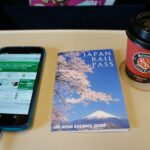
This is Japan's "Golden Route" — the most-visited circuit for first-timers, and for good reason. It covers Japan's three most iconic cities with easy train connections. A JR Pass covers almost all transport costs on this route.
🚅 JR Pass Tip: For this 7-day route, a 7-day JR Pass pays for itself on the first Tokyo–Kyoto Shinkansen round trip alone (~¥27,000). Order before you arrive — it's cheaper and activates on your schedule.
📍 Day 1–2: Tokyo — Arrive & Orient
Day 1: Arrive at Narita or Haneda. Collect your JR Pass at the airport exchange office. Check in and walk Shinjuku at night — the neon lights alone are worth staying awake for.
Day 2: Asakusa (Senso-ji Temple) in the morning before crowds arrive. Akihabara for electronics/anime. Shibuya Crossing at dusk. Dinner in a standing sushi bar in Shinjuku.
- 🕐 Senso-ji: Arrive before 8am to avoid tour groups
- 🍜 Try ramen at a vending machine restaurant — authentic, cheap, incredible
- 📱 Get your IC card (Suica/Pasmo) at the airport — works on every train and bus
📍 Day 3: Tokyo Day Trip — Nikko or Kamakura
Both are easy day trips from Tokyo (under 1.5 hours). Nikko offers ornate shrines and mountain scenery. Kamakura has the Great Buddha and coastal hiking trails. JR Pass covers Nikko; Kamakura requires a separate ticket (~¥1,500 round trip).
📍 Day 4–5: Kyoto — Temples, Geisha & Gardens
Take the Shinkansen (Nozomi/Hikari) from Tokyo (~2h15m). Check in near Kyoto Station for maximum convenience.
Day 4: Fushimi Inari (leave by 7am — seriously), Nishiki Market for lunch, Gion district at dusk for geisha spotting.
Day 5: Arashiyama bamboo grove (early morning), Kinkaku-ji (Golden Pavilion), Philosopher's Path in autumn.
- 🎋 Bamboo grove: 6–7am is empty. By 10am it's packed shoulder-to-shoulder
- 🍵 Book a tea ceremony in advance — popular slots fill weeks ahead
- 👘 Kimono rental from ¥3,000/day in the Gion area
📍 Day 6–7: Osaka — Eat, Explore & Depart
Osaka is 15 minutes from Kyoto by Shinkansen (or 30 minutes by regular express — JR Pass applies). Osaka's motto is literally kuidaore — "eat until you drop."
Day 6: Dotonbori food strip, Osaka Castle, Shinsekai for kushikatsu (deep-fried skewers).
Day 7: Namba shopping, Kuromon Market breakfast, depart from Kansai International Airport (KIX) or back to Tokyo via Shinkansen.
-
-
Japan Experiences: Food, Culture & Unforgettable Things to Do
Japan experiences are what transform a holiday into a memory that stays with you for life. From the ...
続きを見る
🚇 Getting Around Japan: Complete Transport Guide
The JR Pass — Is It Worth It?
Short answer: Yes, if you're doing the Golden Route or traveling between 2+ major cities. The math is simple:
| Route | Ticket Price | JR Pass Covers? |
|---|---|---|
| Tokyo → Kyoto (Hikari) | ~¥13,870 | ✅ Yes |
| Kyoto → Osaka | ~¥1,420 | ✅ Yes |
| Tokyo → Nikko | ~¥2,860 | ✅ Yes (JR line) |
| 7-Day Pass Cost | ¥50,000 | Break-even = 2 Shinkansen trips |
IC Cards (Suica / Pasmo / ICOCA)
Get one at the airport on arrival. Load ¥3,000–5,000 and tap in/out at every subway, bus, and local train. Also works at convenience stores, vending machines, and some restaurants. This is non-negotiable — it eliminates the need to buy individual tickets and saves real time.
Taxis
Expensive (¥700+ base fare) but clean, reliable, and drivers are honest. Doors open automatically. Never tip. Use for late nights or when carrying heavy luggage.
💴 Money, Budget & Costs in Japan (2026)
| Expense | Budget (¥/day) | Mid-Range (¥/day) | Luxury (¥/day) |
|---|---|---|---|
| Accommodation | ¥3,000–5,000 | ¥10,000–18,000 | ¥30,000+ |
| Food (3 meals) | ¥1,500–2,500 | ¥3,000–6,000 | ¥10,000+ |
| Transport (local) | ¥800–1,200 | ¥1,500–2,500 | ¥3,000+ |
| Activities | ¥500–1,500 | ¥2,000–4,000 | ¥8,000+ |
🎌 Japanese Culture & Etiquette: Don't Get It Wrong
Japan has social norms that feel unfamiliar to first-timers. Getting these right won't just avoid awkwardness — it'll genuinely earn you respect from locals.
✅ DO
- Remove shoes before entering homes & many traditional restaurants
- Bow slightly when greeting — depth = respect level
- Use two hands when giving or receiving business cards / gifts
- Queue patiently — single file, always
- Stay quiet on trains (phone calls are considered rude)
- Carry cash — many small places still don't take cards
- Sort your garbage correctly (separate bins are everywhere)
❌ DON'T
- Tip — it's considered rude, not polite
- Eat or drink while walking (sit down at a café or bench)
- Tattoos in onsen (hot spring baths) — most ban them
- Enter a shrine in loud, revealing clothing
- Stick chopsticks upright in rice (funeral symbolism)
- Take photos of people without permission
- Touch the geisha or maiko — ever
🍜 What & Where to Eat in Japan
Japan's food scene is one of the primary reasons people return. Here's your essential first-timer food map:
Sushi
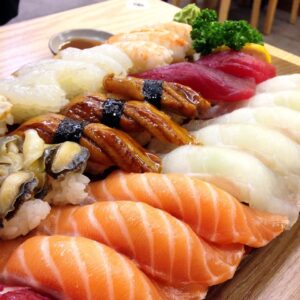
Kaiten (conveyor belt) from ¥100/plate. Standing sushi bars are often better than sit-down. Skip tourist sushi near Senso-ji.
Ramen
Every region has its own style. Order from ticket machines. Fukuoka tonkotsu, Sapporo miso, Tokyo shoyu — try them all.
Convenience Stores
7-Eleven, Lawson, FamilyMart serve genuinely good food 24/7. Onigiri, hot snacks, desserts — often better than restaurant options abroad.
Izakaya
Japanese pub-style dining. Order small plates and drinks throughout the evening. Budget ¥2,000–4,000/person including drinks.
Teishoku Sets
Set lunch meals at restaurants: rice, miso soup, protein, sides. Usually ¥800–1,200. Look for the lunch sign (ランチ) on restaurant windows.
Street Food
Takoyaki (octopus balls) in Osaka, taiyaki (fish-shaped cakes) at festivals, yakitori skewers near train stations. All ¥200–600.
🏨 Where to Stay in Japan
Ryokan (Traditional Inn) — Must-Try for First-Timers
Sleeping on a futon on tatami mats, communal onsen baths, multi-course kaiseki dinner served in your room. Budget ¥15,000–40,000/person per night but worth it for one night in Kyoto or Hakone. Book 3+ months in advance for popular ryokan.
Business Hotels — Best Value
Dormy Inn, APA, Toyoko Inn chains offer clean, compact rooms for ¥6,000–12,000/night. Many include a small onsen or sauna. Perfect base for city exploration.
Capsule Hotels
Modern capsule hotels (Nine Hours, The Millennials) offer privacy pods with excellent amenities. ¥3,000–6,000/night. Great for solo travelers in Tokyo or Osaka.
Location Strategy
Tokyo: Stay in Shinjuku (transport hub), Asakusa (traditional atmosphere), or Shibuya (shopping/nightlife).
Kyoto: Stay near Kyoto Station for transport ease, or in Gion for atmosphere (but book early).
Osaka: Namba or Shinsaibashi for food and nightlife.
📱 SIM Cards & Wi-Fi in Japan
Staying connected in Japan is easy and cheap if you plan ahead.
| Option | Cost | Pros | Cons |
|---|---|---|---|
| 📱 eSIM (Sakura Mobile / Klook) | ¥1,500–3,000/10 days | Instant setup, no SIM swap | Requires eSIM-compatible phone |
| Data SIM Card | ¥2,000–4,000/14 days | Reliable, fast 5G/4G | Need to pick up at airport |
| Pocket Wi-Fi | ¥400–800/day | Share with group | Extra device to carry/charge |
-

-
Japan WiFi, SIM & eSIM Guide 2026 — Stay Connected from Landing
📶 STAGE 2 — GETTING READY You're here: Sorting out internet before you land in Japan Japan has excel ...
続きを見る
🎒 Japan Packing Checklist (First-Timers)
📋 Documents & Finance
- Passport (valid 6+ months)
- JR Pass exchange order (printed)
- Travel insurance details
- ¥30,000–50,000 cash on arrival
- Visa (if required for your nationality)
👟 Clothing Tips
- Slip-on shoes (for temples)
- Comfortable walking shoes
- Layers — weather changes fast
- Modest clothes for shrine visits
- Small day pack
🔌 Tech Essentials
- Universal adapter (Japan = Type A)
- Portable charger / power bank
- eSIM or data SIM (ordered ahead)
- Google Maps offline download (Japan)
- IC card (Suica) — get at airport
💊 Health & Comfort
- Any prescription meds (bring extras)
- Blister plasters — you WILL walk
- Small umbrella (rain is unpredictable)
- Hand towel (many public toilets are air-dry)
- Basic Japanese phrase card
❓ Frequently Asked Questions — First Time in Japan
Is Japan expensive to visit in 2026?
When is the best time to visit Japan?
Do I need a SIM card or pocket WiFi in Japan?
Is the JR Pass worth it for first-time visitors?
Where should I stay in Japan?
What are the must-do experiences in Japan?
Is Japan safe? Are there customs I should know?
Ready to Plan Your First Japan Trip?
The hardest part is deciding to go. Everything else — transport, accommodation, food, culture — we've covered. Start with your JR Pass and the rest falls into place.
Affiliate links. We earn a small commission at no extra cost to you. We only recommend products we use and trust.