JAPAN TRAVEL GUIDE 2026
Discover Tokyo
Culture, Food & Hidden Gems
Tokyo is now 30-40% cheaper for USD/EUR/GBP travelers vs 2019 — discover Japan's ultimate megacity.
- Why Discover Tokyo in 2026: Ancient Tradition Meets Futuristic Wonder
- Must-See Spots: Top 6 Places to Discover in Tokyo
- Experiences & Activities: What to Do When You Discover Tokyo
- Tokyo Food Guide: What to Eat When You Discover Tokyo
- Getting There & Getting Around: Transport Guide for Discovering Tokyo
- Where to Stay: Best Areas When You Discover Tokyo
- FAQ: Everything You Need to Know to Discover Tokyo
- Plan Your Tokyo Trip — Related Guides
Why Discover Tokyo in 2026: Ancient Tradition Meets Futuristic Wonder
To truly discover Tokyo is to encounter one of the world's most extraordinary cities — a place where thousand-year-old Shinto shrines stand in the shadow of neon-lit skyscrapers, where a bowl of ramen costs $8 and a Michelin-starred lunch runs under $40, and where every neighborhood feels like a different world. Tokyo is simultaneously the world's largest city by metropolitan population (37+ million people) and one of its most orderly, safe, and navigable. For 2026 travelers, there has never been a better time to visit: the weak yen means Tokyo is now approximately 30–40% cheaper for visitors spending USD, EUR, or GBP compared to 2019 pre-pandemic prices. At roughly 1 USD = 155 JPY, that Michelin lunch is around $38, and a full-day subway pass costs under $5.
Best Time to Visit Tokyo
Tokyo rewards visitors year-round, but two seasons stand out above the rest. Cherry blossom season (late March to early April) transforms the city into a pink paradise — Ueno Park, Shinjuku Gyoen, and the banks of the Meguro River become iconic hanami (flower-viewing) picnic spots, and the atmosphere is electric. Book accommodation at least 2–3 months ahead. Autumn foliage (mid-November to early December) is arguably even more beautiful — fiery reds and golds blanket temple gardens and city parks. Crowds are smaller than cherry blossom season. Summer (July–August) brings oppressive heat and humidity, while winter (December–February) is cold but crisp and largely crowd-free. Spring and autumn are the undisputed sweet spots.
3-Day Tokyo Itinerary
Three days gives you a solid foundation for discovering Tokyo's best neighborhoods and experiences.
Day 1 — Old Tokyo & the Sky: Start at Senso-ji Temple in Asakusa (open from dawn), wander the Nakamise shopping street for traditional snacks and souvenirs, then head to Ueno for the National Museum or Ueno Zoo. Afternoon: ascend Tokyo Skytree (634m — the world's tallest tower) for panoramic views. Evening: explore Asakusa's retro Hoppy Street for yakitori and cold beer.
Day 2 — Modern Tokyo: Morning at Meiji Shrine (a forested oasis in the middle of the city), followed by people-watching on Harajuku's Takeshita Street. Lunch in Omotesando. Afternoon: experience the iconic Shibuya Scramble Crossing, then ascend SHIBUYA SKY for a jaw-dropping 360° rooftop view. Evening: Shinjuku for dinner in Kabukicho or the hidden bars of Golden Gai.
Day 3 — Future & Food: Morning at Tsukiji Outer Market for the freshest sushi breakfast in the city. Afternoon: Odaiba artificial island for teamLab Planets (one of the world's most immersive digital art experiences). Evening: Ginza for upscale shopping and a farewell dinner.
Tokyo Budget Guide (USD at 1 USD = 155 JPY)
| Category | Budget | Mid-Range | Splurge |
|---|---|---|---|
| Breakfast | $5–8 (convenience store, chain) | $10–15 (café, morning set) | $20–30 (hotel buffet) |
| Lunch | $8–14 (ramen, teishoku) | $15–25 (sit-down restaurant) | $35–60 (Michelin lunch) |
| Dinner | $12–20 (izakaya, sushi-go-round) | $25–50 (mid-range restaurant) | $80–200+ (fine dining) |
| Transport/day | $4–6 (subway, IC card) | $8–12 (day pass + extras) | $30+ (taxis) |
Must-See Spots: Top 6 Places to Discover in Tokyo
Discover Tokyo's most iconic landmarks — each one a world unto itself.
1. Senso-ji Temple & Asakusa
Founded in 645 AD, Senso-ji is Tokyo's oldest and most visited temple, welcoming over 30 million visitors per year. The approach along Nakamise-dori — a 250-meter shopping street flanked by traditional craft stalls — is one of the most atmospheric walks in all of Asia. Arrive before 8am to experience the temple in near-silence; by 10am it's busy. Don't miss Asakusa's backstreets: Hoppy Street, Kaminarimon Gate's giant red lantern, and the view of Skytree framed between traditional buildings. Admission to the main temple is free.
2. Shibuya Scramble Crossing & SHIBUYA SKY
The Shibuya Scramble is the world's busiest pedestrian crossing, with up to 3,000 people crossing simultaneously during peak hours. Standing in the middle of it as the light changes is a quintessential Tokyo experience. For the best overhead view, ride the elevator to SHIBUYA SKY (¥2,500 / approximately $16) — a rooftop observation deck atop the Shibuya Scramble Square tower with 360° open-air views. The golden hour view is particularly spectacular. The area around Shibuya Station is also one of Tokyo's premier shopping and nightlife districts.
3. Meiji Shrine & Harajuku
Meiji Shrine (Meiji Jingu) is Tokyo's most famous Shinto shrine, dedicated to Emperor Meiji and Empress Shoken. Set within a forested sanctuary of 700,000 trees, it offers a profound contrast to the urban intensity just outside its walls. Walk the gravel path through the towering torii gate and experience the calm of the inner garden. Directly adjacent is Harajuku: Japan's youth fashion capital. Takeshita Street is a riot of color — crêpe stands, pastel fashion boutiques, and kawaii culture at its most concentrated. Omotesando, just minutes away, is Harajuku's sophisticated counterpart: a tree-lined boulevard of flagship designer stores and excellent cafes.
4. teamLab Planets Toyosu
One of the world's most celebrated immersive art installations, teamLab Planets in Toyosu allows visitors to walk through water and become part of an ever-changing digital artwork. You wade barefoot through a shallow reflective pool, surrounded by projections that seem to stretch into infinity. Open until the end of 2027, this is a must-book experience — tickets sell out weeks in advance. The sister venue, teamLab Borderless, reopened in Azabudai Hills in 2024 with a new spatial concept.
🎨 Book teamLab Before It Sells Out
teamLab Planets and Borderless both sell out weeks ahead. Book in advance via Klook to guarantee entry.
5. Tokyo Skytree vs. Tokyo Tower
| Feature | Tokyo Skytree | Tokyo Tower |
|---|---|---|
| Height | 634m (world's tallest tower) | 333m (Eiffel Tower-inspired) |
| Observation Deck | 350m + 450m (Tembo Galleria) | 150m + 250m (Top Deck) |
| Ticket Price | ¥3,100 (lower) / ¥4,100 (higher) | ¥1,200 (main) / ¥3,000 (top) |
| Best For | Ultimate views, modern experience | Nostalgic charm, Mt. Fuji views (clear days) |
| Surroundings | Shopping mall, aquarium, Solamachi | Museums, One Piece Tower area |
| Location | Asakusa area (Oshiage) | Minato (Shibakoen) |
6. Tsukiji Outer Market
The iconic Tsukiji inner market may have relocated to Toyosu, but Tsukiji's outer market remains one of Tokyo's most vibrant food destinations. Dozens of stalls sell fresh seafood, tamagoyaki (sweet rolled omelette), fresh-grilled scallops, and premium tuna sashimi. The best time to visit is early morning (7–10am) when vendors are at their most active. It's also the perfect launching point for a Tsukiji food tour — one of Tokyo's best culinary experiences.
🎫 Save with Klook Pass Tokyo
The Klook Pass Tokyo bundles top attractions (Skytree, teamLab, and more) at a significant discount — ideal if you're planning to hit multiple spots.
Experiences & Activities: What to Do When You Discover Tokyo
Beyond the landmarks, Tokyo's real magic lies in its experiences. Here are the activities that make a Tokyo trip truly memorable.
Kimono & Tea Ceremony — Asakusa
Dressing in a kimono and participating in a traditional Japanese tea ceremony is one of the most authentic ways to connect with Japanese culture. In Asakusa — Tokyo's most traditional district — you can dress in a beautifully fitted kimono and stroll through streets that haven't changed much since the Edo period, then sit for a formal matcha tea ceremony guided by an English-speaking instructor. The combination is deeply moving and produces unforgettable photos.
👘 Kimono + Tea Ceremony in Asakusa
Book a traditional kimono rental with tea ceremony experience in Asakusa through Klook — English-guided, all inclusive.
More Tokyo Experiences
Tsukiji Breakfast Tour: Join a guided morning tour of Tsukiji Outer Market — taste fresh tuna, uni (sea urchin), tamagoyaki straight off the grill, and sake-marinated delicacies with expert commentary. One of the best-value food experiences in Asia.
Yakatabune (Traditional River Cruise): Board a yakatabune — a traditional wooden party boat — for a 2-hour dinner cruise along the Sumida River. With views of Skytree, Rainbow Bridge, and the Tokyo skyline lit up at night, it's a uniquely Japanese way to experience the city from the water.
Sumo Wrestling: Tokyo hosts three of the six annual Grand Sumo Tournaments: January, May, and September, each lasting 15 days at Ryogoku Kokugikan arena. Even outside tournament season, you can visit morning training sessions (keiko) at a sumo stable with a guided tour.
Kabukicho Tower & Shinjuku Nightlife: Shinjuku's Kabukicho district is Tokyo's largest entertainment area — packed with restaurants, bars, karaoke venues, host clubs, and the new Kabukicho Tower (opened 2023) which houses a manga and anime theme park, a cinema, and multiple restaurant floors. Golden Gai — a labyrinth of 200+ tiny bars tucked into narrow alleyways — is the place for an intimate late-night drink with locals.
Discover Tokyo Experiences via GetYourGuide
Tokyo Food Guide: What to Eat When You Discover Tokyo
No journey to discover Tokyo is complete without a deep dive into its extraordinary food culture. Tokyo has more Michelin stars than any other city in the world (over 200 starred restaurants), yet street food and casual dining are equally celebrated. Here's what to eat and where.
5 Must-Eat Foods in Tokyo
1. Sushi: Tokyo-style sushi (Edomae) is leaner and more restrained than the elaborate rolls found elsewhere — the emphasis is on the quality of the fish and the skill of the itamae (chef). For the finest experience, try a counter seat at a traditional sushiya in Ginza or near Tsukiji. For budget sushi, the conveyor-belt chains (kaiten-zushi) deliver remarkable quality at $1–2 per piece.
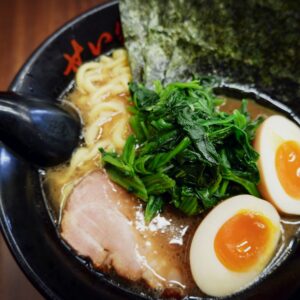
2. Ramen: Tokyo's ramen scene is world-class. Shoyu (soy sauce) broth with wavy noodles is the classic Tokyo style, but the city has specialists in every regional variation: rich Sapporo miso, Hakata tonkotsu, Kyoto chicken-based shio. Queue at the best shops for an average of $10–13 for a bowl that will change your understanding of noodle soup.
3. Tempura: Light, crisp, and delicate — proper Tokyo tempura bears little resemblance to what you've had elsewhere. The secret is rice bran oil, ice-cold batter, and extremely high heat. In Asakusa, several century-old tempura restaurants serve multi-course tempura meals for $20–40 at lunch.
4. Yakitori: Skewered grilled chicken — every part of the bird, from breast and thigh to skin, liver, and cartilage — cooked over charcoal with either tare (sweet soy glaze) or shio (salt). Yakitori alleys like Yurakucho Gado-shita (under the train tracks near Ginza) are some of the most atmospheric dining destinations in Tokyo.
5. Monjayaki (Tsukishima): Tokyo's lesser-known cousin of okonomiyaki — a runny, savory batter mixed with your choice of ingredients and cooked on a iron griddle at your table. The neighborhood of Tsukishima ("Monja Street") has been the city's spiritual home of monjayaki for generations. An essential off-the-tourist-trail food experience.
Tokyo Food by Neighborhood
Ginza: Upscale sushi, French-Japanese fusion, Michelin-star kaiseki. Budget ¥8,000–25,000+ for dinner, but many restaurants offer excellent ¥3,000–6,000 lunch sets.
Shibuya & Shinjuku: The most varied dining areas in the city — everything from Michelin-starred restaurants to gyudon (beef bowl) chains open 24 hours. Shinjuku's Memory Lane (Omoide Yokocho) is a narrow alley crammed with tiny yakitori stalls, smoky and atmospheric after dark.
Asakusa: Traditional Tokyo cuisine — tempura, unaju (eel over rice), soba, and ningyo-yaki (fish-shaped cakes). Prices are mid-range and the atmosphere is deeply traditional.
Tsukishima: The monjayaki district. Easy to reach on the Oedo Line. Plan an evening here for a uniquely local dining experience that most tourists skip entirely.
Getting There & Getting Around: Transport Guide for Discovering Tokyo
Tokyo has two major international airports and one of the world's finest urban transit systems. Understanding how to get around is essential for making the most of your time.
Airport Access
Narita International Airport (NRT) — 60–90 minutes from central Tokyo:
- Narita Express (NEX): ¥3,070 one-way to Shinjuku/Shibuya. Fast (60–90 min), runs direct to major stations. Book ahead for a discounted round-trip pass.
- Keisei Skyliner: ¥2,580 one-way to Ueno/Nippori. Slightly cheaper, slightly fewer stops. Great for Asakusa/Ueno accommodation.
- Limousine Bus: ¥3,200 to major hotels. Slower (90–120 min) but convenient if your hotel is on the route.
Haneda International Airport (HND) — 30–45 minutes from central Tokyo:
- Tokyo Monorail: ¥500–700 to Hamamatsucho, then JR or subway.
- Keikyu Line: ¥500–700 to Shinagawa or Asakusa direct on some services.
- Haneda is significantly more convenient than Narita — if given the choice, fly into Haneda.
Getting Around Tokyo
Tokyo's subway and train network is extensive and punctual to the minute. The core system you need to know:
- Tokyo Metro + Toei Subway: 13 lines covering virtually every tourist area in central Tokyo. Day passes are available for ¥600–900.
- JR Yamanote Line: The circular loop connecting Tokyo's major hubs — Shinjuku, Shibuya, Harajuku, Ebisu, Shinagawa, Tokyo, Akihabara, Ueno, Ikebukuro. Essential for getting between neighborhoods.
IC Cards: Suica, PASMO & Welcome Suica
The easiest way to pay for all trains, subways, and buses in Tokyo (and most of Japan) is an IC card. Load it with yen and tap in/out at gates — no need to figure out ticket prices.
- Suica / PASMO: Reloadable cards, also usable at convenience stores and vending machines. Require a ¥500 deposit (refundable).
- Welcome Suica: A tourist-specific card with no deposit — valid for 28 days. Available at major airports.
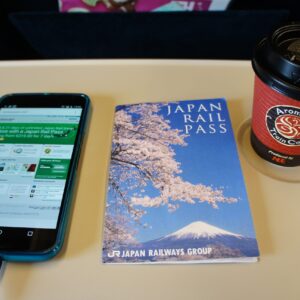
Should You Buy a JR Pass?
The JR Pass is generally not cost-effective for Tokyo-only travel. It only covers JR lines (not Tokyo Metro), and for a Tokyo-only trip, a regular IC card will be far cheaper. However, if your trip includes Kyoto, Osaka, or other cities, the 7-day JR Pass pays for itself quickly: a Tokyo–Kyoto–Osaka round trip on the Shinkansen alone exceeds the pass cost.
📶 Get Online the Moment You Land
Skip the airport SIM hunt. Activate your Klook Japan eSIM via QR code before boarding — instant data the second you land.
🌸 Sakura Mobile eSIM — Trusted by Long-Stay Travelers
English support, unlimited data plans, and reliable nationwide coverage. The go-to choice for travelers staying 2+ weeks in Japan.
Where to Stay: Best Areas When You Discover Tokyo
Tokyo is a city of neighborhoods — choosing where to base yourself significantly affects your experience. Here's a breakdown of the main accommodation districts.
Shinjuku (–120/night)
Tokyo's most energetic neighborhood — the world's busiest train station, a dense forest of skyscrapers, Kabukicho entertainment district, and Golden Gai. Staying in Shinjuku puts you within 5 minutes of massive dining and nightlife options, and the Yamanote Line connects you to the entire city. Budget to mid-range hotels are plentiful. Best for: first-timers, night owls, solo travelers.
Shibuya (–150/night)
Home of the Scramble Crossing, SHIBUYA SKY, and Japan's most concentrated youth fashion scene. Shibuya is slightly more upscale than Shinjuku and has excellent access to Harajuku and Omotesando. Best for: shoppers, couples, travelers who want a modern Tokyo vibe.
Asakusa / Ueno (–90/night)
Tokyo's most traditional district — great value accommodation, proximity to Senso-ji, Ueno Park, and Akihabara. The Skytree is a 15-minute walk. A good base if you want a slower-paced, old-Tokyo atmosphere. Best for: budget travelers, culture enthusiasts, families.
Ginza / Marunouchi (0–400/night)
Tokyo's most prestigious addresses — luxury department stores, flagship boutiques, and the finest restaurants. Staying here puts you near Tokyo Station (Narita Express access) and the Imperial Palace. Best for: luxury travelers, business visitors, short stays.
Akihabara (–100/night)
The global capital of anime, manga, and electronics — Akihabara is a sensory overload in the best possible way. Great access to Ueno and the rest of the city via JR. Best for: anime and gaming enthusiasts, solo travelers, tech fans.
🏨 Find Your Perfect Tokyo Hotel
Browse and book Tokyo hotels across all budgets on Klook — with instant confirmation and flexible cancellation options.
FAQ: Everything You Need to Know to Discover Tokyo
How many days do I need in Tokyo?
A minimum of 3 days lets you cover the major highlights — Asakusa, Shibuya, Shinjuku, teamLab, and some great food. But 5 days is ideal: you'll have time to explore neighborhoods at a relaxed pace, add a day trip to Nikko, Kamakura, or Hakone, and still have margin for spontaneous discoveries. Seven or more days and you'll start to feel like a local.
Is Tokyo expensive for travelers?
Tokyo has a reputation for being expensive, but in 2026 the weak yen makes it genuinely more affordable than most major Western cities. Paris, London, and New York consistently rank as more expensive destinations for accommodation, dining, and entertainment. A comfortable mid-range day in Tokyo — hotel, three meals, transport, and one attraction — runs roughly $100–150 per person. A budget traveler can do it for $60–80.
Can I use English in Tokyo?
In major tourist areas — Asakusa, Shibuya, Shinjuku, Harajuku, teamLab, and most museum/attraction ticket booths — English signage and basic English communication are the norm. Restaurant menus in tourist areas frequently have English or photo menus. However, step off the tourist trail into residential neighborhoods or local izakayas, and English becomes scarce. Google Translate's camera function (point at Japanese text for instant translation) is an invaluable tool. Download the Japanese offline language pack before you arrive.
What is the best time to visit Tokyo?
Spring (late March to early April) for cherry blossoms and pleasant temperatures (12–18°C). Autumn (October–November) for fiery foliage and ideal weather (15–22°C). Both seasons are popular — book accommodation and popular attractions (teamLab, Skytree) well in advance. Avoid mid-summer (July–August) if you're heat-sensitive: Tokyo regularly hits 35°C with 80%+ humidity. Winter (December–February) is cold but offers fewer crowds and occasional snow.
Should I visit Tokyo or Kyoto first?
Start with Tokyo. Narita and Haneda offer far more international flight options than Kansai International, so flying into Tokyo is usually simpler and cheaper. Tokyo also has the most accommodation variety at every price point, making it easier to land, orient yourself, and get your Japan legs. After 3–5 days in Tokyo, take the Shinkansen to Kyoto (2 hours 15 minutes, or 2 hours 40 minutes from Tokyo Station) — a seamless transition from urban megacity to ancient cultural capital.
Plan Your Tokyo Trip — Related Guides
Plan Your Japan Trip
Visa, budget, itinerary, and packing guides — everything before you book.
-
-
First Time in Japan: The Ultimate 2026 Guide for First-Time Visitors
📍 Your Complete 2026 Resource First Time in Japan: The Ultimate Stress-Free Guide Everything you nee ...
続きを見る
JR Pass & IC Cards Guide
Which rail pass do you actually need? Full breakdown for Tokyo travelers.
-
-
Japan Rail Pass 2026 — Is It Worth It? Complete Guide
The Japan Rail Pass is one of the most talked-about travel purchases for Japan — and one of the most ...
続きを見る
Hidden Gems in Tokyo
Beyond the landmarks — the local spots most visitors never find.
-
-
Hidden Gems in Japan 2026 — Secret Spots Beyond the Tourist Trail
Japan's most famous sights are famous for a reason — but the country's hidden gems are where the rea ...
続きを見る
Tokyo Food Guide
Sushi, ramen, tempura and beyond — where and what to eat in Tokyo.
-
-
Cultural Experiences in Japan 2026 | Art, Kimono, Food & More
Stage 3 — Experiences Best Cultural Experiences in Japan for Every Traveler Cultural experiences in ...
続きを見る