Japan's seasons and festivals are unlike anything else on earth — and timing your visit around them can transform a good trip into an unforgettable one. This guide covers every major seasonal event, from cherry blossoms to winter illuminations, with everything you need to book experiences before you arrive.
- Why Timing Your Japan Trip Around Seasons & Festivals Matters
- 🌸 Spring in Japan (March–May): Cherry Blossoms & New Beginnings
- ☀️ Summer in Japan (June–August): Matsuri, Fireworks & Energy
- 🍁 Autumn in Japan (September–November): Koyo & Harvest Traditions
- ❄️ Winter in Japan (December–February): Illuminations, Snow & New Year
- 📱 Stay Connected at Every Festival & Seasonal Event
- 🗺️ How to Plan Your Japan Festival Trip
- ❓ Frequently Asked Questions
Why Timing Your Japan Trip Around Seasons & Festivals Matters
Japan doesn't just change seasons — it transforms. The same street in Kyoto looks completely different in April than in November. The same temple in Tokyo hosts wildly different energy during a summer matsuri versus a quiet winter morning. Knowing when to go means the difference between catching the cherry blossom peak and missing it by a week.
Beyond scenery, Japan's calendar is packed with festivals (matsuri) that date back centuries. These aren't tourist performances — they're living traditions that locals participate in year after year. Joining them, even as a visitor, gives you access to a Japan most people never see.
Japan's Four Seasons at a Glance
| Season | Months | Highlight | Crowds |
|---|---|---|---|
| 🌸 Spring | Mar–May | Cherry blossoms, hanami | ⚠️ Very busy |
| ☀️ Summer | Jun–Aug | Matsuri, fireworks, Obon | ⚠️ Busy + hot |
| 🍁 Autumn | Sep–Nov | Koyo (foliage), harvest festivals | ⚠️ Very busy |
| ❄️ Winter | Dec–Feb | Illuminations, New Year, snow | ✅ Quieter |
📍 Before you plan your festival trip — make sure you're connected
-

-
Stay Connected in Japan: Best WiFi, SIM & eSIM for Travelers (2026)
Japan has excellent mobile coverage — but you need to plan your internet access before you land. Thi ...
🌸 Spring in Japan (March–May): Cherry Blossoms & New Beginnings
Spring is Japan's most photographed season — and for good reason. The cherry blossom (sakura) season sweeps northward from late March through early May, turning parks, riversides, and castle grounds into pink clouds. It's fleeting — peak bloom typically lasts just 7–10 days per location — which makes timing everything.
Cherry Blossom Viewing (Hanami) — The Essential Spring Experience
Hanami means "flower viewing," and it's a centuries-old tradition of gathering under blooming sakura trees with food, drinks, and friends. The best spots book up fast — many parks fill from early morning during peak bloom. Ueno Park, Shinjuku Gyoen, Maruyama Park in Kyoto, and Hirosaki Castle in Aomori are among the most iconic.
Top Spring Festivals in Japan
| Festival | Location | When |
|---|---|---|
| Hirosaki Cherry Blossom Festival | Aomori | Late Apr–Early May |
| Takayama Spring Festival | Gifu | Apr 14–15 |
| Hana Matsuri (Buddha's Birthday) | Nationwide | Apr 8 |
| Wisteria Festival (Ashikaga) | Tochigi | Mid Apr–Mid May |
Spring Travel Tips
- 🌸 Book accommodation 3–6 months in advance for Golden Week (late April–early May) — it's Japan's busiest domestic travel period
- 📱 Check the Japan Meteorological Corporation's cherry blossom forecast each year — timing shifts by 1–2 weeks depending on winter temperatures
- 🎋 Pair a kimono rental with hanami for the full experience
🌸 Make it unforgettable — wear a kimono under the cherry blossoms
Kimono rental + tea ceremony experiences bookable via Klook
☀️ Summer in Japan (June–August): Matsuri, Fireworks & Energy
Summer in Japan is intense — hot, humid, and absolutely electric. The summer matsuri season kicks off in June and peaks through August, with thousands of local festivals across the country. Add in spectacular fireworks displays (hanabi taikai), the spiritual Obon holiday, and regional street food, and you have one of the most vibrant travel seasons anywhere in Asia.
The Big Three Summer Festivals
Three festivals are considered the crown jewels of Japanese summer celebrations:
- Gion Matsuri (Kyoto) — July. One of Japan's oldest and most spectacular festivals, featuring massive decorated floats (yamaboko) parading through Kyoto's historic streets. The main procession on July 17th is unmissable.
- Awa Odori (Tokushima) — Mid-August. Japan's largest dance festival, where 1.3 million spectators watch tens of thousands of dancers perform the traditional awa odori in the streets. You can join in.
- Nebuta Matsuri (Aomori) — Early August. Giant illuminated paper floats representing warriors and mythological figures parade through the city at night. Visually stunning.
Summer Fireworks (Hanabi Taikai)
Japan takes fireworks seriously. Major displays like the Sumida River Fireworks Festival in Tokyo (late July) and the Nagaoka Festival in Niigata (early August) launch tens of thousands of shells in a single night. Premium viewing seats with food and drink are available on Klook.
Obon — Japan's Festival of Souls (Mid-August)
Obon is a Buddhist observance when spirits of ancestors are believed to return home. Towns hold bon odori (traditional dances), lanterns are floated on rivers, and many Japanese return to their hometowns. It's deeply atmospheric — and a powerful window into Japanese culture for visitors who happen to be there.
🎆 Book summer experiences before they sell out
Premium fireworks seats, cultural tours, and guided matsuri experiences via Klook
🍁 Autumn in Japan (September–November): Koyo & Harvest Traditions
Autumn rivals spring as Japan's most beautiful season. The autumn foliage (koyo) turns temple gardens, mountain valleys, and city parks into vivid tapestries of red, orange, and gold. Like cherry blossoms, peak color typically lasts 1–2 weeks per location and moves from north to south from October through December.
Best Autumn Foliage Spots
- 🍁 Nikko (Tochigi) — Early November. Shrines and temples framed by blazing maples. UNESCO-listed and easily accessible from Tokyo.
- 🍁 Arashiyama (Kyoto) — Mid to Late November. The bamboo grove and Tenryu-ji garden surrounded by autumn color is extraordinary.
- 🍁 Daisetsuzan (Hokkaido) — Late September. Japan's earliest koyo, with vast alpine landscapes in Hokkaido's central highland.
- 🍁 Shinjuku Gyoen (Tokyo) — Late November. 1,500+ trees, including rare species, in one of Japan's most accessible garden settings.
Top Autumn Festivals
| Festival | Location | When |
|---|---|---|
| Takayama Autumn Festival | Gifu | Oct 9–10 |
| Jidai Matsuri (Festival of Ages) | Kyoto | Oct 22 |
| Kurama Fire Festival | Kyoto | Oct 22 |
| Shichi-Go-San | Nationwide | Nov 15 |
Autumn Travel Tips
- 🍁 Peak foliage timing varies by 1–2 weeks each year — check the Japan Tourism Agency's koyo forecast in September
- 🚆 Nikko, Arashiyama, and Kyoto are extremely crowded in November — book transport and accommodation early
- 🎌 Autumn is also the season for food festivals featuring sanma (Pacific saury), matsutake mushrooms, and new-harvest sake
🍽️ Pair your autumn trip with Japan's best seasonal food experiences
-
-
Cultural Experiences in Japan 2026 | Art, Kimono, Food & More
Stage 3 — Experiences Best Cultural Experiences in Japan for Every Traveler Cultural experiences in ...
❄️ Winter in Japan (December–February): Illuminations, Snow & New Year
Winter is Japan's most underrated season for travelers. While crowds thin out and prices drop slightly, the country transforms into something magical — from dazzling winter illuminations in the cities to deep powder snow in Hokkaido and Nagano, and one of the world's most atmospheric New Year celebrations.
Winter Illuminations — Japan's Light Show Season
From late November through February, Japan's illumination season lights up parks, shopping districts, and entire towns. The scale is staggering — millions of LED lights, sometimes combined with projection mapping and themed designs. Major spots include:
- 💡 Kobe Luminarie — Cathedral-like light arches through Kobe's streets. One of Japan's most iconic illuminations.
- 💡 Nabana no Sato (Mie) — Considered Japan's most spectacular illumination. Over 8 million LED lights across a botanical garden.
- 💡 Midtown Christmas / Shibuya (Tokyo) — Multiple competing displays across Tokyo's major entertainment districts.
- 💡 Hakodate Christmas Fantasy — Giant Christmas tree illuminated in Hokkaido's most scenic port city.
Japanese New Year (Shogatsu) — The Most Important Holiday
New Year in Japan is deeply cultural. On New Year's Eve (omisoka), temples ring their bells 108 times (joya no kane). On January 1st, millions visit shrines for hatsumode — the first shrine visit of the year. Special foods (osechi), decorations, and traditions fill the first days of January.
Major shrine visits at Meiji Jingu (Tokyo), Naritasan Shinshoji (Chiba), and Fushimi Inari (Kyoto) draw millions of visitors in the first three days of January. Arriving early is essential.
Winter Sports — Powder Snow in Hokkaido & Nagano
Japan's powder snow (japow) is legendary among skiers. Niseko in Hokkaido consistently ranks among the world's top ski destinations, while Hakuba Valley in Nagano (built for the 1998 Winter Olympics) offers excellent access from Tokyo. Season runs from December through March.
✨ Experience Japan's most stunning winter art
teamLab is open year-round — perfect for winter visits when outdoor spaces are cold
📱 Stay Connected at Every Festival & Seasonal Event
Festivals in Japan often take place in areas with limited cell coverage — and even in cities, crowded events can overwhelm local networks. Having your own dedicated mobile data means you can navigate, translate menus, find your ryokan after the festival, and share photos in real time.
Best Options for Travelers
- Sakura Mobile eSIM or SIM card — One of the most reliable options for tourists, with fast 4G/5G data, easy top-up, and no lock-in contracts. Available in both data-only and voice plans.
- Klook Japan eSIM — Activate before you land via QR code. Great for shorter trips and solo travelers.
📶 Stay online through every matsuri & season
Sakura Mobile SIM & eSIM — trusted by international travelers in Japan
📱 Prefer eSIM? Activate before you land
Klook Japan eSIM — scan QR code & connect instantly on arrival
🗺️ How to Plan Your Japan Festival Trip
The key to a great festival trip is combining seasonal timing with smart logistics. Here's a practical framework:
Step 1 — Decide Your Season Priority
Cherry blossoms and autumn foliage are weather-dependent — you're booking based on historical averages and hoping nature cooperates. Summer matsuri have fixed dates (easier to plan around). Winter illuminations run November through February with reliable schedules.
Step 2 — Book Transport Early
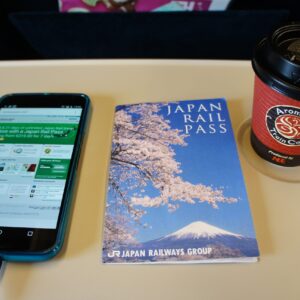
Shinkansen seats sell out weeks in advance during peak seasons (Golden Week, Obon, New Year). Get a JR Pass if you're covering multiple cities, or book regional passes for focused routes.
-
-
Japan Rail Pass 2026 — Is It Worth It? Complete Guide
The Japan Rail Pass is one of the most talked-about travel purchases for Japan — and one of the most ...
Step 3 — Sort Your Connectivity Before You Land
Festival venues often have spotty WiFi. Sorting your SIM or eSIM before you leave home means you land ready to navigate, translate, and map your way to every event.
-
-
Stay Connected in Japan: Best WiFi, SIM & eSIM for Travelers (2026)
Japan has excellent mobile coverage — but you need to plan your internet access before you land. Thi ...
Step 4 — Book Experiences in Advance
Premium festival experiences — tea ceremonies during cherry blossom season, teamLab tickets in peak periods, kimono rental during Gion Matsuri — sell out weeks ahead. Book on Klook with instant confirmation.
🎌 Explore all Japan cultural experiences
-
-
Cultural Experiences in Japan 2026 | Art, Kimono, Food & More
Stage 3 — Experiences Best Cultural Experiences in Japan for Every Traveler Cultural experiences in ...
❓ Frequently Asked Questions
When is the best time to visit Japan for festivals?
It depends on what you want to see. Spring (late March–April) for cherry blossoms, July–August for major matsuri and fireworks, October–November for autumn foliage, and December–January for illuminations and New Year traditions. All seasons have something extraordinary — Japan is genuinely worth visiting year-round.
How far in advance should I book for cherry blossom season?
Accommodation in Tokyo and Kyoto during late March and early April should be booked 3–6 months in advance. Popular ryokans near famous cherry blossom spots often sell out a year ahead. Transport and experience bookings should be made at least 4–6 weeks out.
Are festivals free to attend?
Most street festivals, matsuri parades, and cherry blossom parks are free to enter. Some special areas — premium seating at fireworks displays, certain garden entry fees, guided festival tours — have charges. Book through Klook to secure spots in advance with clear pricing.
Can tourists participate in Japanese festivals?
Yes — many festivals actively welcome visitor participation. Awa Odori has designated areas for visitors to dance, bon odori at local parks invite everyone, and wearing yukata to summer festivals is perfectly appropriate and common. Some festivals like Gion Matsuri have restricted float areas but the street celebration is fully open.
What should I wear to Japanese festivals?
In summer, light breathable clothing is essential — it's genuinely hot and humid. Wearing a rented yukata is a popular option and available everywhere during festival season. In autumn and winter, layer up and bring a compact rain jacket. Comfortable walking shoes matter more than anything — festivals involve hours of walking.
Do I need a Japan Rail Pass for festival travel?
If you're visiting multiple cities during your trip — Tokyo for hanami, Kyoto for Gion Matsuri, Osaka for summer events — a JR Pass almost always pays for itself. For single-region trips, regional passes may be more cost-effective.
🎌 Ready to Experience Japan's Seasons & Festivals?
Start with connectivity, then book your experiences. Japan is best explored fully connected.