JAPAN TRAVEL GUIDE 2026
Go Japan Now
Culture, Food & Hidden Gems
About Japan — everything a first-time visitor needs to know before landing. Culture, etiquette, history, and practical survival tips.
Why Japan Feels Unlike Anywhere Else
About Japan, the most honest thing you can say is this: no country consistently delivers surprise, delight, and depth the way Japan does. First-time visitors frequently describe a sensation of arriving in a place that is simultaneously familiar (from films, anime, food culture) and utterly, disorienting different from anything they expected. That gap between expectation and reality is almost always positive. Japan doesn't just meet the hype — it exceeds it.
What makes Japan feel unlike anywhere else on earth is a combination of factors that rarely coexist elsewhere. Safety so thorough that it reshapes your behavior (you stop clutching your bag). Efficiency so precise that a two-minute train delay triggers public apologies over the PA system. Aesthetic sensibility so deeply embedded that even the packaging on a ¥130 convenience store riceball has been considered and designed with care. And hospitality — omotenashi — that operates not as performance but as genuine cultural orientation toward the comfort of guests.
For visiting Japan for the first time, the current moment adds another layer of appeal. The Japanese yen is at historic lows against most major currencies, with $1 USD purchasing approximately ¥155 in 2026. This translates to extraordinary practical value: world-class dining at prices that seem impossibly cheap, accommodation that overdelivers on quality relative to cost, and cultural experiences — from tea ceremonies to Kabuki theater — that were once considered premium splurges now within budget reach for most travelers.
Japan is also geographically diverse in ways that only become apparent on a map. The country's 6,852 islands include only four main landmasses (Honshu, Hokkaido, Kyushu, and Shikoku), but the terrain within those islands ranges from alpine wilderness to tropical coastline, from volcanic desert to dense cedar forest. The country stretches from subtropical Okinawa in the southwest to sub-Arctic Hokkaido in the north — a distance equivalent to traveling from Miami to Montreal. Between those extremes, you'll find everything from megacities to mountain villages, volcanic hot spring resorts to surf beaches, ski fields to rice-paddy farmlands. Choosing what to prioritize is one of the great pleasant problems of Japan travel planning.
The cultural software is equally varied. Japan is simultaneously one of the world's most traditional and most technologically innovative societies. Ancient Shinto rituals coexist seamlessly with cutting-edge robotics; 1,000-year-old temple gardens sit within walking distance of neon-lit gaming arcades. Understanding this doesn't require academic study — just openness and attention. Japan rewards curious visitors who slow down enough to notice.
📶 Get Online the Moment You Land
Skip the airport SIM hunt. Activate your Klook Japan eSIM via QR code before boarding — instant data the second you land.
A Quick History of Japan — Context for Travelers
You don't need a history degree to appreciate Japan — but knowing a few key moments transforms what you see from pretty buildings into living chapters of a remarkable story. Japan has been continuously inhabited for over 30,000 years, with rice agriculture arriving around 300 BCE and Buddhism following from Korea and China in the 6th century CE. The fusion of indigenous Shinto animism with imported Buddhism created a uniquely Japanese spiritual sensibility that still shapes the culture today.
The samurai era (roughly 12th to 19th century) is the period most visitors mentally associate with "traditional Japan." The warrior code of bushido, the development of Zen Buddhism, the tea ceremony, Noh theater, and the aesthetic of wabi-sabi (finding beauty in imperfection and transience) all emerged from this period. The Edo era (1603–1868), under the Tokugawa shogunate, saw 250+ years of deliberate isolation from the outside world — a period that allowed Japanese culture to develop with unusual internal coherence and self-reference.
The cultural output of the Edo period is extraordinary even by today's standards. Ukiyo-e woodblock prints — now iconic in world art history — were mass-market consumer goods sold in Edo's (Tokyo's) markets. Kabuki theater evolved from risqué street performance into a highly codified, spectacular art form. Sumo wrestling formalized into the institution it remains today. The literati class developed haiku poetry and naturalistic landscape gardening of a precision and beauty that still astonishes. All of this happened while Japan was officially closed to the world.
The Meiji Restoration of 1868 launched Japan's rapid transformation from feudal society to industrial power with remarkable speed. Within decades, Japan had a modern constitution, a national railway network, universal education, and was competing militarily with European powers. The following century brought colonialism, World War II, devastating defeat, and one of the most extraordinary recoveries in modern history. By the 1960s, Japan was an economic powerhouse; by the 1980s, it was exporting not just cars and electronics but cultural products — manga, anime, video games, and food — that would reshape global pop culture.
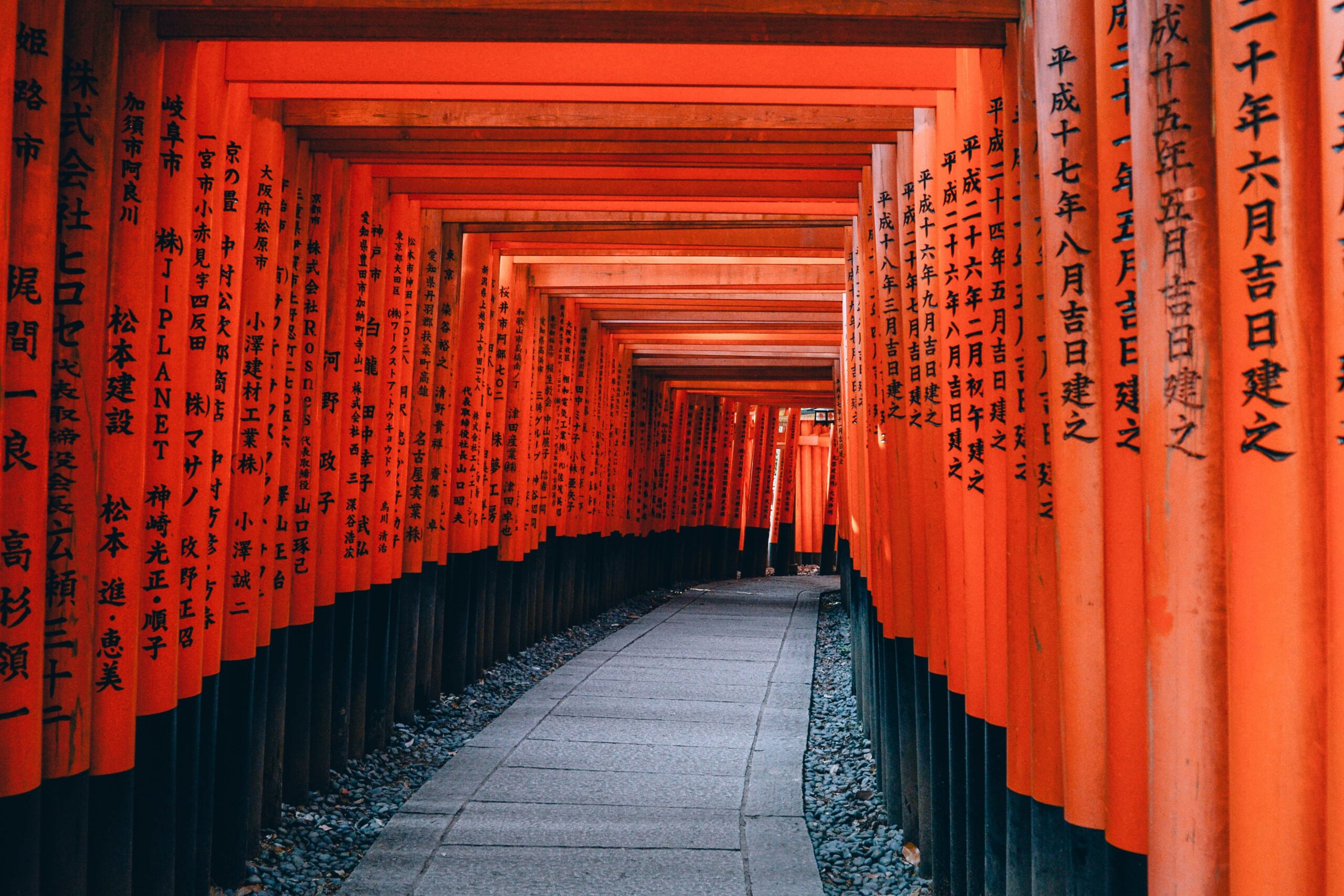
For travelers, this history is visible everywhere. Osaka Castle, built in 1583, still dominates its urban surroundings. Hiroshima's Peace Memorial speaks directly to the 20th century's most agonizing chapters. The ancient pilgrimage routes of the Kumano Kodo and the Shikoku 88 Temple Circuit connect modern walkers to medieval spiritual traditions. Every torii gate you pass marks the boundary of a Shinto sacred space; every Buddhist temple you enter carries architectural and philosophical layers accumulated across multiple centuries.
Japanese Culture & Core Values
The concept of wa (harmony) is perhaps the single most important value underpinning Japanese social behavior. It expresses itself as a strong preference for consensus over confrontation, group consideration over individual assertion, and social harmony over personal expression. This isn't passivity — it's an active, sophisticated social technology for managing dense urban living and complex group dynamics with minimal friction.
Omotenashi (hospitality) is often cited as Japan's defining service philosophy, and it genuinely differs from Western service culture. Where Western hospitality typically involves fulfilling stated requests, omotenashi anticipates unstated needs and acts on them without being asked. A restaurant that quietly refills your water without being signaled, a hotel that pre-warms your bath without instruction, a store clerk who wraps your purchase with three minutes of careful origami-like attention — these are expressions of omotenashi in practice.
For visiting Japan first time, perhaps the most practically significant cultural value is the Japanese relationship to time and commitment. Punctuality is not just expected but deeply respected; trains don't run late, meetings start on the minute, and making someone wait is considered a significant imposition. Reservations are treated as firm commitments. If you need to cancel, do so with as much advance notice as possible — it's a serious courtesy in Japanese culture.
The concept of haji (shame) and the distinction between tatemae (public face) and honne (true feelings) explain many behaviors that confuse Western visitors. A Japanese person may say "that might be difficult" when they mean "no." This isn't dishonesty — it's a sophisticated system for preserving everyone's dignity in social interactions. Understanding this helps you decode ambiguous responses and navigate situations more gracefully.
The aesthetic value of wabi-sabi — finding beauty in imperfection, transience, and incompleteness — permeates Japanese art, design, and daily life in ways that become more visible the longer you spend in the country. A moss-covered stone, a slightly asymmetric tea bowl, the deliberate irregularity of a hand-raked Zen garden gravel pattern — these are not imperfections but intentional expressions of a philosophical stance. Similarly, mono no aware (the bittersweet awareness of impermanence) explains why Japan celebrates cherry blossoms precisely because they fall within a week, and why autumn leaves are valued for their transience as much as their color. These values — wabi-sabi, mono no aware, ikebana (flower arrangement), and the tea ceremony philosophy — all reflect a profoundly sophisticated relationship between beauty, time, and acceptance that visiting Japan first time makes tangible in a way no book fully conveys.
Japanese concepts of group identity (uchi-soto, the distinction between in-group and out-group) also shape interactions in ways visitors eventually notice. Within a group, Japanese people are warm, inclusive, and generous. Toward the out-group — strangers, foreigners — the default is formal, bounded, and cautious. As a foreign visitor, you're initially outside the social fabric, but Japanese people regularly make remarkable exceptions to this formality for visitors who show genuine interest in Japanese culture. Learning even a few words of Japanese, showing genuine curiosity about local food, asking thoughtful questions — these are powerful bridges across the uchi-soto divide.
First Time in Japan? Start Here
Everything a first-time visitor needs — visa, budget, itinerary templates, and must-know tips for a seamless trip.
-
-
First Time in Japan: The Ultimate 2026 Guide for First-Time Visitors
📍 Your Complete 2026 Resource First Time in Japan: The Ultimate Stress-Free Guide Everything you nee ...
続きを見る
Practical Japan — What First-Timers Need to Know
Language: Japanese uses three scripts (hiragana, katakana, and kanji), but the practical barrier for English-speaking visitors is lower than many expect. Train stations and airports have English signage. Google Maps provides fully accurate transit directions. Menus increasingly include photos or English translations. A translation app with camera function (Google Translate is excellent) handles anything that isn't already bilingual. Learning a handful of Japanese phrases — sumimasen (excuse me/sorry), arigatou gozaimasu (thank you), ikura desu ka (how much is it?) — is both useful and genuinely appreciated.
Accommodation: Japan's accommodation landscape is as varied as the country itself. At the budget end, capsule hotels offer remarkably well-designed compact sleeping pods — some with entertainment screens, good lighting, and shared onsen baths — starting around ¥3,000 ($20) per night. Business hotel chains like Dormy Inn, APA, and Toyoko Inn offer reliable, clean rooms near major stations for ¥7,000–12,000 per night. At the premium end, traditional ryokan (inns) deliver the full immersive Japanese experience — tatami rooms, futon beds, multi-course kaiseki dinners, and private or shared onsen — starting around ¥20,000 per person per night including dinner and breakfast. The latter are worth the splurge at least once; many visitors describe a night at a quality ryokan as the definitive Japan experience.
Currency: Japan is predominantly a cash society, though this is changing rapidly. Major cities now accept credit cards (Visa and Mastercard widely; Amex less so) in most chain restaurants, convenience stores, and hotels. IC cards (Suica/PASMO) function as digital wallets for transit and retail. Keep some cash — ¥5,000–10,000 — for smaller establishments, shrine entrance fees, and rural areas. ATMs at 7-Eleven and Japan Post accept most international cards (approximately ¥220 per transaction fee).
Connectivity: arriving without a data plan is the most common and avoidable Japan travel mistake. Your options are: eSIM (most convenient — activate before you board, works instantly on landing), pocket WiFi rental (good for groups), or SIM card. Klook's Japan eSIM is one of the most reliable options, and Sakura Mobile is the go-to for longer stays with excellent English customer support.
Shopping: Japan is a world-class shopping destination at every price point. Drug stores (Matsumoto Kiyoshi, Don Quijote) offer Japanese skincare, cosmetics, medications, and snacks at prices 20–40% below international retail, with tax-free purchasing available for purchases over ¥5,000 with your passport. Electronics in Akihabara. High-end fashion on Omotesando. Vintage clothing in Harajuku's backstreets. Traditional crafts in Kyoto's Nishiki Market and Kanazawa's Higashiyama district. Department store basement food halls (depachika) are an experience unto themselves — a cathedral of Japanese food culture spanning everything from regional wagashi sweets to fresh Hokkaido seafood to imported cheese at luxury prices.
Transport: within cities, subway and metro systems are efficient and well-signed. IC cards eliminate the need to buy individual tickets. Between cities, the Shinkansen bullet train network is extraordinary in speed, comfort, and punctuality. The 7-day JR Pass (~$320 USD) covers unlimited JR network travel and pays for itself after two Tokyo–Kyoto round trips.
Healthcare: Japan's medical system is excellent and accessible. Major hospitals in cities have international patient departments with English-speaking staff. Over-the-counter medication is available at drug stores (though product names differ from Western equivalents). Travel health insurance is strongly recommended — medical costs without insurance are manageable but unpredictable. The Japan Tourism Agency's Safety Tips app provides emergency information and hospital locators in multiple languages.
Tipping: do not tip in Japan. It is genuinely confusing and sometimes offensive to service staff, who see their professional role as inherently requiring excellent service without financial incentive. This extends to restaurants, taxis, and hotels. The price you see is the price you pay, and the quality of service is already exceptional without any additional compensation.
WiFi, SIM & eSIM in Japan
Compare all connectivity options — eSIM, pocket WiFi, and SIM cards — with prices and honest recommendations.
-
-
Japan WiFi, SIM & eSIM Guide 2026 — Stay Connected from Landing
📶 STAGE 2 — GETTING READY You're here: Sorting out internet before you land in Japan Japan has excel ...
続きを見る
🌸 Sakura Mobile eSIM — Trusted by Long-Stay Travelers
English support, unlimited data plans, and reliable nationwide coverage. The go-to choice for travelers staying 2+ weeks in Japan.
Japanese Etiquette — Do's and Don'ts
Japanese etiquette for tourists is less about memorizing rules and more about cultivating a general disposition of thoughtfulness toward others. Most Japanese people are acutely aware that foreign visitors operate under different cultural norms, and genuine respect and effort are immediately recognized and appreciated, even when execution is imperfect.
At shrines and temples: bow slightly before passing through a torii gate or entering a temple hall. At Shinto shrines with a purification fountain (temizuya), wash your hands in the specified order before approaching the main hall. Don't touch sacred objects. Photography is generally permitted in exterior areas; check signage for interior restrictions. Speaking quietly is always appropriate.
In public spaces: Japan's quiet public spaces — trains, waiting rooms, restaurants — are maintained by collective courtesy. Phone calls are generally avoided on trains; speaking is done in lowered voices. Eating while walking is increasingly frowned upon in urban centers. Queueing is taken seriously — joining a queue from the side rather than the back is noticed. These are not laws; they're the social fabric that makes dense urban living pleasant for everyone.
At restaurants: the wet towel (oshibori) provided at the start of a meal is for your hands only, not your face. Slurping noodles is perfectly acceptable (it signals appreciation). Passing food between chopsticks is a funeral ritual and should be avoided. Splitting a bill is normal and expected in casual dining. Business card exchange, if you're doing any professional meetings, follows strict protocol — receive cards with both hands, examine them carefully, and never write on them.
At hot springs (onsen): shower thoroughly before entering. Tattoos are prohibited at many facilities (this is changing slowly). Swimwear is not worn. Towels should not touch the water. The deeper rules — water temperature hierarchy, which baths are for what time of day at a ryokan — vary by establishment and are explained on arrival.
The underlying principle governing all of these is consideration for others and for shared spaces. A visitor who approaches Japan with genuine curiosity and basic courtesy will rarely cause offense, and will receive the full warmth of Japanese hospitality in return.
Waste and cleanliness: Japan famously lacks public trash cans in most areas — yet streets are immaculately clean. The practice is to carry your trash with you until you reach a designated disposal point (convenience stores and train stations have bins). Littering is not done, and the cultural expectation extends to all visitors. This is one of the etiquette points most noticed and appreciated by locals when foreign visitors follow it.
Shoes: removing shoes before entering private homes, traditional restaurants with tatami seating, and some traditional shops is strictly expected. Establishments where this applies will have a visible genkan (entrance step) and often a row of slippers. Wear socks without holes. Getting this right signals cultural awareness and respect that is immediately appreciated. Getting it wrong creates genuine awkwardness that is easily avoidable with awareness.
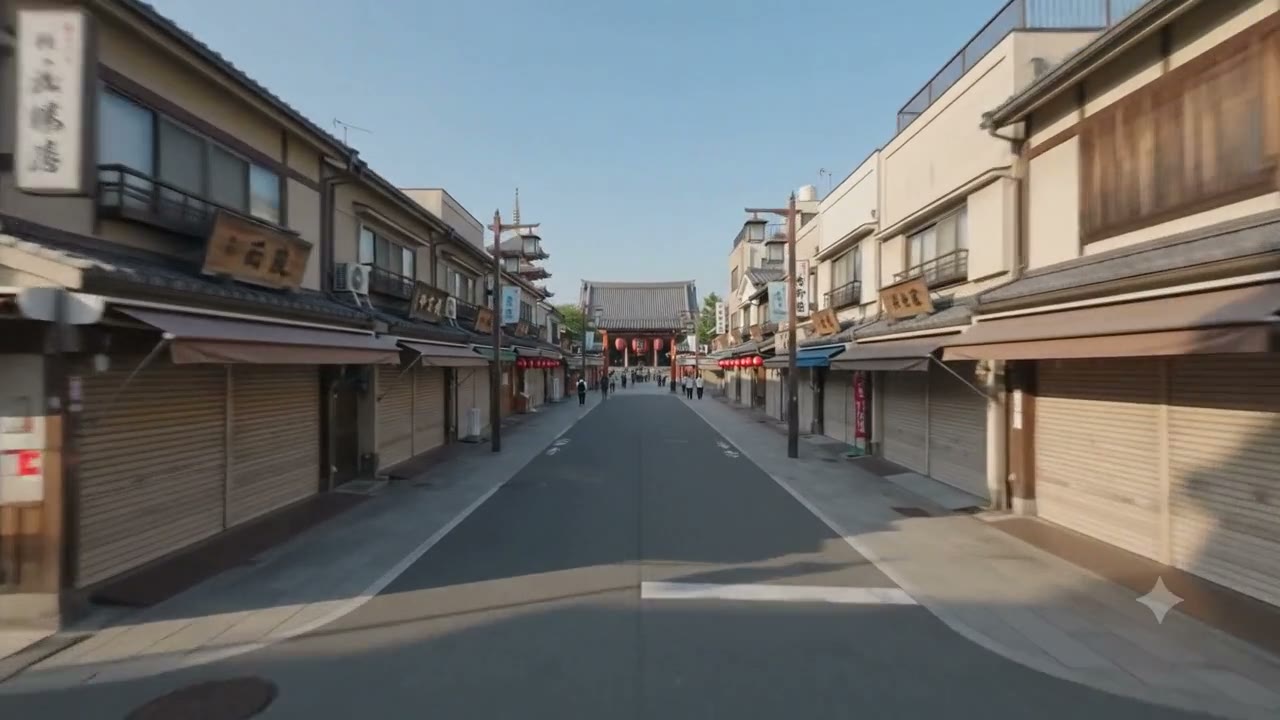
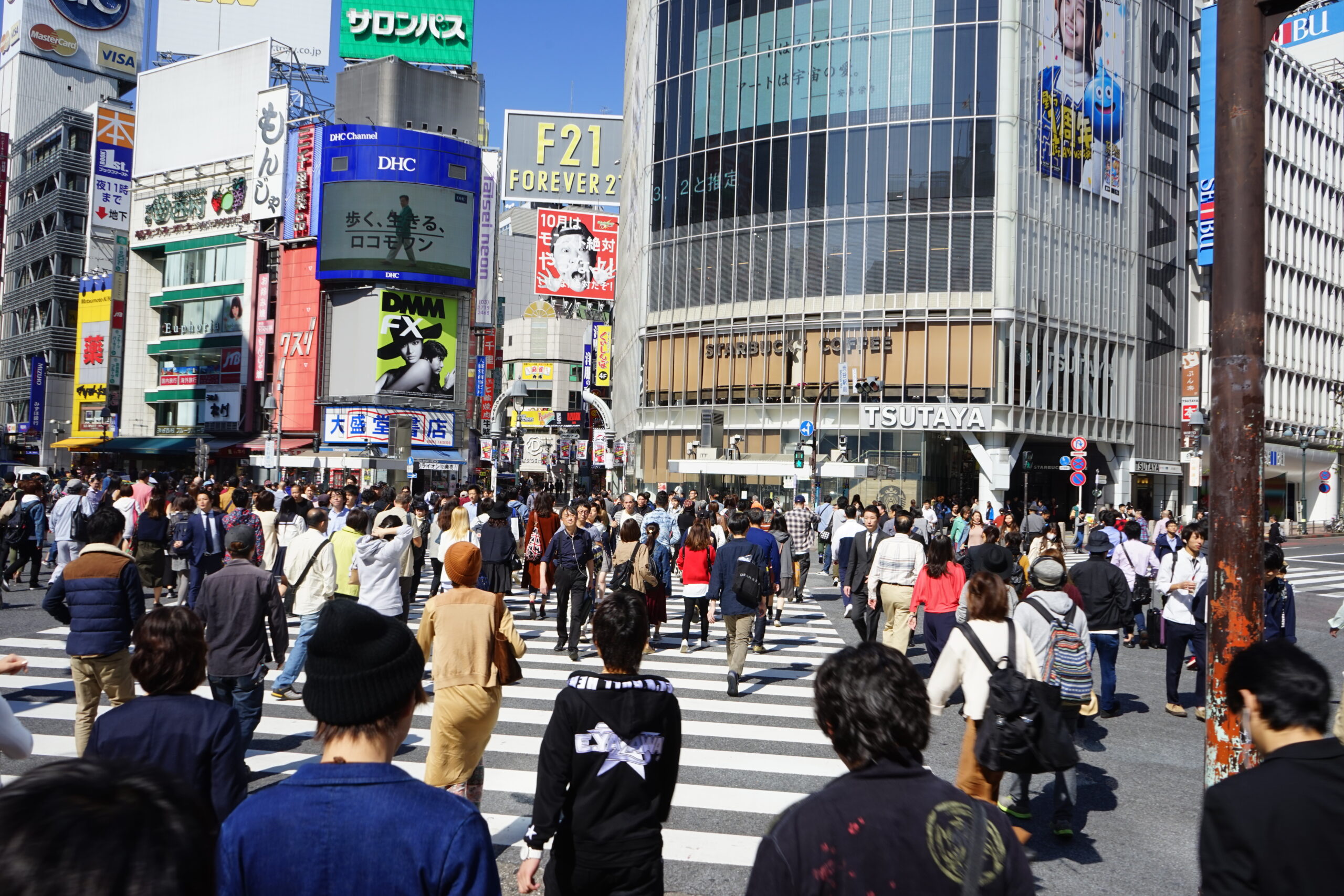
Finally, about Japan's work culture and pace: major cities like Tokyo operate at extraordinarily high energy. Shibuya crossing at rush hour; the organized chaos of Tsukiji outer market at 6am; the density of a Shinjuku weekend evening — these are not performances but the natural tempo of Japanese urban life. Matching this energy — or deliberately stepping away from it into quiet side streets, neighborhood temples, and early-morning parks — is part of what makes Japan travel so richly variable in texture.
FAQ — About Japan
The most common questions from first-time visitors about Japan culture, history, and what to expect on arrival. These are the questions Go Japan Now's editorial team hears most frequently — answered with the practical honesty that guidebooks sometimes lack.
Is Japan safe for solo travelers?
Japan is consistently ranked among the safest countries in the world. Violent crime is extremely rare. Lost wallets routinely return to their owners. Hospitals are excellent and accessible. Solo female travelers report Japan as one of their most positive experiences globally. The main precaution is standard urban awareness — be mindful in crowded areas. Emergency numbers: police 110, ambulance/fire 119.
What religion do Japanese people follow?
Japan has a syncretistic religious culture — most Japanese participate in both Shinto (indigenous animist tradition, associated with nature, ancestors, and community rituals) and Buddhism (arrived in 6th century, associated with death, temples, and philosophical practices). Most Japanese consider themselves neither strictly religious nor atheist. They visit Shinto shrines for new year and life events, have Buddhist funerals, and celebrate Christmas as a romantic holiday. Religion in Japan is largely cultural and seasonal rather than doctrinally rigid.
What should I know about Japan's food culture?
Japanese food culture is extraordinarily broad and regionally diverse. Each prefecture has specialty foods, and Japanese people take these local distinctions seriously. At a basic level: rice is the staple; fermented foods (miso, soy sauce, sake, pickles) are foundational to flavor; seasonal ingredients (seasonal fish, early spring vegetables, autumn mushrooms) drive menus throughout the year. Dietary restrictions can be challenging — dashi (fish stock) appears in many dishes that aren't visibly seafood-based. Vegetarians and vegans should research ahead or seek specialist restaurants in major cities.
How does Japan handle natural disasters?
Japan has one of the world's most sophisticated disaster preparedness systems, evolved from centuries of experience with earthquakes, typhoons, and tsunamis. Buildings in major cities are constructed to survive significant earthquakes. Public alert systems, evacuation routes, and emergency supply caches are maintained at neighborhood level. Visitors should register with their embassy and download the Japan Tourism Agency's Safety Tips app, which provides earthquake alerts and emergency information in multiple languages.
What is the attitude toward foreign visitors in Japan?
Japan's attitude toward foreign visitors is generally warm, curious, and helpful. The cultural awkwardness some visitors encounter (staff reverting to Japanese when their English is limited, uncertainty about how to interact with non-Japanese customers) comes from social anxiety rather than hostility. In tourist areas, English is increasingly spoken. Outside of them, pointing, translation apps, and patient smiles work remarkably well. Most Japanese people will go out of their way to help a confused-looking tourist, sometimes to the point of personally escorting them to their destination.
Continue Your Japan Journey
Now that you know what to expect from Japan, dive deeper into the planning stages. Each guide below covers a specific dimension of Japan travel in the depth this extraordinary country deserves:
First-Timer's Complete Japan Guide
Visa, itinerary templates, budget breakdowns — the definitive checklist for first-time Japan visitors.
-
-
First Time in Japan: The Ultimate 2026 Guide for First-Time Visitors
📍 Your Complete 2026 Resource First Time in Japan: The Ultimate Stress-Free Guide Everything you nee ...
続きを見る
WiFi, SIM & eSIM in Japan
Don't land without data. Compare all options for your trip length and budget.
-
-
Japan WiFi, SIM & eSIM Guide 2026 — Stay Connected from Landing
📶 STAGE 2 — GETTING READY You're here: Sorting out internet before you land in Japan Japan has excel ...
続きを見る
Experience Japan's Food & Culture
From Michelin ramen to morning tuna auctions — deep-dive into Japan's extraordinary culinary and cultural landscape.
-
-
Cultural Experiences in Japan 2026 | Art, Kimono, Food & More
Stage 3 — Experiences Best Cultural Experiences in Japan for Every Traveler Cultural experiences in ...
続きを見る
Hidden Gems in Japan
Move beyond the guidebook — discover Japan's best-kept secrets that most visitors never find.
-
-
Hidden Gems in Japan 2026 — Secret Spots Beyond the Tourist Trail
Japan's most famous sights are famous for a reason — but the country's hidden gems are where the rea ...
続きを見る