Social Norms Japan — How to Read the Air & Fit In
Social norms Japan — the unwritten rules that govern daily life here run deeper than etiquette. From silent train rides to indirect refusals, understanding how Japanese people communicate will transform every interaction on your trip.
- Reading the Air — 空気を読む (Kuuki wo Yomu)
- Honne & Tatemae — Public Face vs. True Feelings
- Indirect Communication — Why “No” Is Rarely Said
- Non-Verbal Communication — Bowing, Silence & Body Language
- Public Behaviour — Trains, Streets & Shared Spaces
- Hierarchy, Formality & Keigo — Navigating Social Rank
- Group vs. Individual — Collectivism in Daily Life
- Mask Culture, Personal Space & Modern Social Norms
- Practical Tips — How to Interact Respectfully Without Knowing Japanese
- FAQ — Social Norms Japan
Reading the Air — 空気を読む (Kuuki wo Yomu)
New to Japan? Start with Japanese Culture & Values — the bigger picture behind every social norm.
The core skill behind all Japanese social interaction
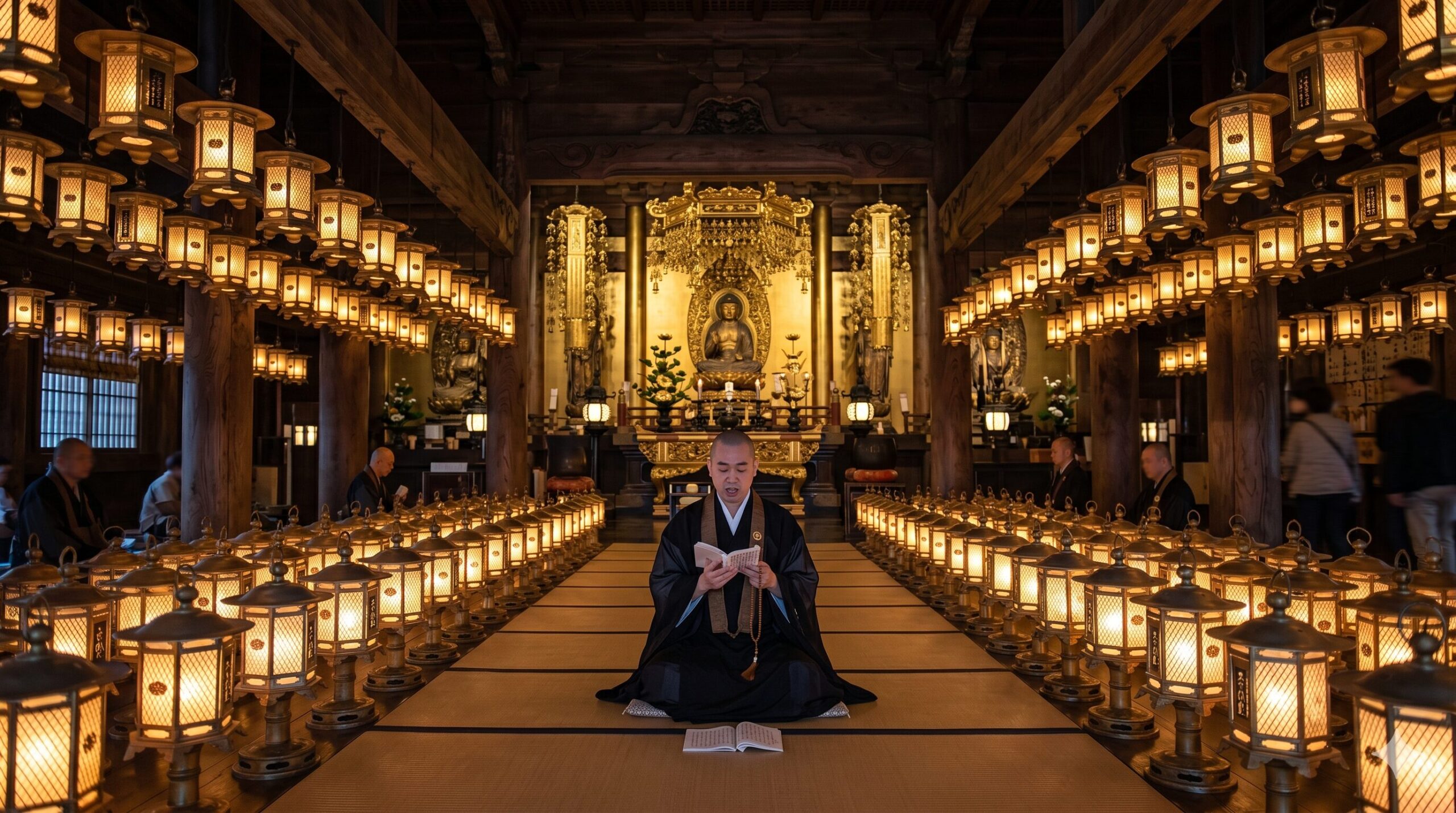
Of all the social norms Japan operates by, kuuki wo yomu — literally “reading the air” — is the most fundamental. It describes the ability to sense the unspoken mood of a situation and adjust your behaviour accordingly, without needing to be told directly. It is why Japanese people often seem to know what others need before they ask, why silence is respected rather than filled, and why the group’s harmony takes precedence over individual self-expression.
For visitors, this concept unlocks a huge amount of behaviour that might otherwise seem confusing. Why does the staff member say “that might be difficult” when you ask for something they clearly cannot provide? Why does the person opposite you on the train not take a phone call even though it’s ringing? Why does everyone wait patiently in line without being asked? Kuuki wo yomu. Reading the air.
Why Harmony Comes First
Japanese society places a high collective value on wa (和) — harmony. Disrupting the social equilibrium, even with good intentions, causes meiwaku (inconvenience or trouble to others), which is genuinely considered a serious social failing. This isn’t suppression of individuality — it is a different framework of how individuals relate to their community. Once you understand this, dozens of behaviours that seem strange suddenly make complete sense.
| Behaviour You’ll Notice | What It Signals |
|---|---|
| Quiet phone on public transport | Not causing meiwaku to strangers |
| Lining up without prompting | Group harmony over individual speed |
| Soft indirect refusal | Preserving face for both parties |
| Bowing when saying goodbye multiple times | Expressing sustained appreciation |
| No eating while walking | Avoiding mess/disruption in shared spaces |
| Whispering in quiet environments | Reading the room (kuuki wo yomu in practice) |
Practical Application for Travellers
You do not need to master kuuki wo yomu to travel comfortably in Japan. What helps is a simple habit: observe before acting. Watch what others around you are doing. If everyone is quiet, be quiet. If everyone queues to the left, queue to the left. If the restaurant is hushed, lower your voice. This basic attentiveness earns enormous goodwill — locals will notice and appreciate it, even if they never say so directly.
Religion & Spirituality in Japan — the Shinto and Buddhist foundations that shape these social values.
Why what people say and what they mean are often different things
Honne & Tatemae — Public Face vs. True Feelings
Two words form the backbone of Japanese communication: honne (本音) — one’s true desires and feelings — and tatemae (建前) — the public stance or facade one presents to maintain harmony. These are not synonyms for “lying” and “truth.” They represent two legitimate registers of communication that serve different social functions.
Tatemae is not deception — it is social lubrication. Saying “please come visit us again sometime” to a departing guest does not mean you are scheduling a reunion. It means “I value our interaction and wish you well.” Understanding this distinction prevents a great deal of confusion, frustration, and inadvertent offence on both sides.
Where You’ll Encounter Tatemae
- Customer service: Staff will always say yes before finding a workaround. “I’ll check” often means “that cannot be done, but I’ll find an alternative.”
- Invitations: “Let’s have dinner sometime” is often a social nicety rather than a concrete plan unless a date is specified.
- Compliments on food or gifts: Enthusiastic praise is partly genuine and partly tatemae — it is not performative; it is considerate.
- Business relationships: Agreement in a meeting may not survive internal discussion — “we will consider it” can mean no.
- Corrections and criticism: Direct criticism is rare; disapproval may be expressed through silence, slight hesitation, or a change of subject.
When Honne Appears
Honne emerges most naturally in close friendships, family settings, and — notably — in izakaya (casual drinking environments), where alcohol creates space for more direct expression. It also surfaces in small groups of close colleagues after work. As a visitor, you are unlikely to witness deep honne expression unless you have developed genuine personal relationships with Japanese people. This is not exclusion — it simply reflects where on the social spectrum you sit as a new acquaintance.
If a Japanese person seems to agree with your suggestion but does not follow through, they were likely expressing tatemae. Rather than feeling misled, interpret it as them prioritising kindness over bluntness. If you need a real yes or no, asking a more closed question (“Is this available today, yes or no?”) gives them explicit permission to be direct.
First Time in Japan — the complete 2026 planning guide covering everything before you land.
Understanding soft refusals, vague responses, and what they actually mean
Indirect Communication — Why “No” Is Rarely Said
Direct refusals in Japanese social and professional contexts are genuinely uncommon. Saying “no” bluntly risks causing embarrassment — to you, to the person asking, and to any bystanders. Instead, Japanese communication relies on a range of softer expressions that signal the same thing without the harshness of a direct negative.
| What’s Said | What It Likely Means |
|---|---|
| “That would be difficult” (muzukashii desu ne) | Polite no |
| “I’ll think about it” (kangaete okimasu) | Polite no |
| Silence after a request | Discomfort or no |
| “Yes, yes” (hai hai) with no follow-up action | Acknowledgement, not agreement |
| “That might be possible” (dekiru ka mo shiremasen) | Uncertain; could go either way |
| Changing the subject quickly | Avoidance — usually a soft no |
How to Navigate This as a Visitor
The best approach is to make it easy for people to give you a real answer. Closed questions (“Is this available now — yes or no?”) explicitly grant permission to be direct. Staying calm and unbothered regardless of the answer also helps — it removes the social risk of disappointing you, which makes people more comfortable being honest. Never press someone who has given a soft refusal. That simply escalates their discomfort without changing the outcome.
The Role of Context and Relationship
Directness does increase as relationships deepen. Close friends and long-term colleagues are significantly more candid with each other than with new acquaintances. As a short-term visitor, you will mostly operate at the polite-indirect layer of communication — and that is entirely normal. Your host, hotel staff, shopkeepers, and tour guides will all be operating there with you, and interactions will be smooth, warm, and largely frictionless as a result.
See Japanese social norms in action — join a tea ceremony, wear a kimono, or take a small-group cultural tour.
What Japanese gestures and physical signals actually convey
Non-Verbal Communication — Bowing, Silence & Body Language
Japan is a high-context culture, meaning a significant portion of communication happens outside of words — through posture, eye contact, timing, distance, and gesture. For visitors from lower-context cultures (much of the Western world), this can take some adjustment. The good news: the most important non-verbal signal — the bow — is immediately learnable and universally appreciated.
Bowing (お辞儀 — Ojigi)
Bowing is the primary physical greeting, expression of gratitude, and form of apology in Japan. Unlike a handshake, it carries no physical contact and can be performed at any social distance — which is part of why it has endured so effectively. As a foreign visitor, you are not expected to bow perfectly, but making the gesture at all creates an immediate positive impression.
| Bow Angle | Context |
|---|---|
| ~15° (gentle nod) | Casual acknowledgement, passing thanks |
| ~30° (standard bow) | Greeting, thanking, meeting someone |
| ~45° (deep bow) | Sincere apology, formal respect, important meetings |
| ~90° (very deep bow) | Profound apology or extreme formality — rare in everyday tourism contexts |
If someone bows to you, bow back at a similar angle. If they bow repeatedly, you may bow back once more — but don’t get caught in an infinite bow loop. A warm smile alongside the bow is always appropriate and appreciated.
Eye Contact
Direct, sustained eye contact — particularly with strangers, seniors, or authority figures — can feel aggressive or disrespectful in Japanese contexts. This is nearly opposite to many Western communication norms where eye contact signals honesty and confidence. In Japan, averting your gaze slightly is a sign of respect, not evasiveness. You will often notice Japanese people directing their gaze slightly downward or away during polite conversation — this is correct behaviour, not disinterest.
Physical Contact
Japan is a low-contact culture in public settings. Hugging, back-slapping, arm-touching, and similar physical expressions common in Latin, Southern European, or Middle Eastern cultures are not standard between acquaintances or strangers. Japanese friends do hug, but this typically happens in private rather than on the street. As a visitor, avoid initiating physical contact unless the other person has done so first.
Silence
Silence in Japan is not empty — it carries weight. A pause during conversation can indicate careful thought, discomfort, disagreement, or emphasis. You do not need to fill it. Practising comfort with silence is one of the most genuinely useful adjustments a visitor can make. The instinct to rush into the gap with more words often makes Japanese conversational partners less comfortable, not more.
Kyoto Tea Ceremony — experience the most formalised expression of Japanese social etiquette, led by a practitioner.
The specific norms that govern Japan’s remarkably orderly public life
Public Behaviour — Trains, Streets & Shared Spaces
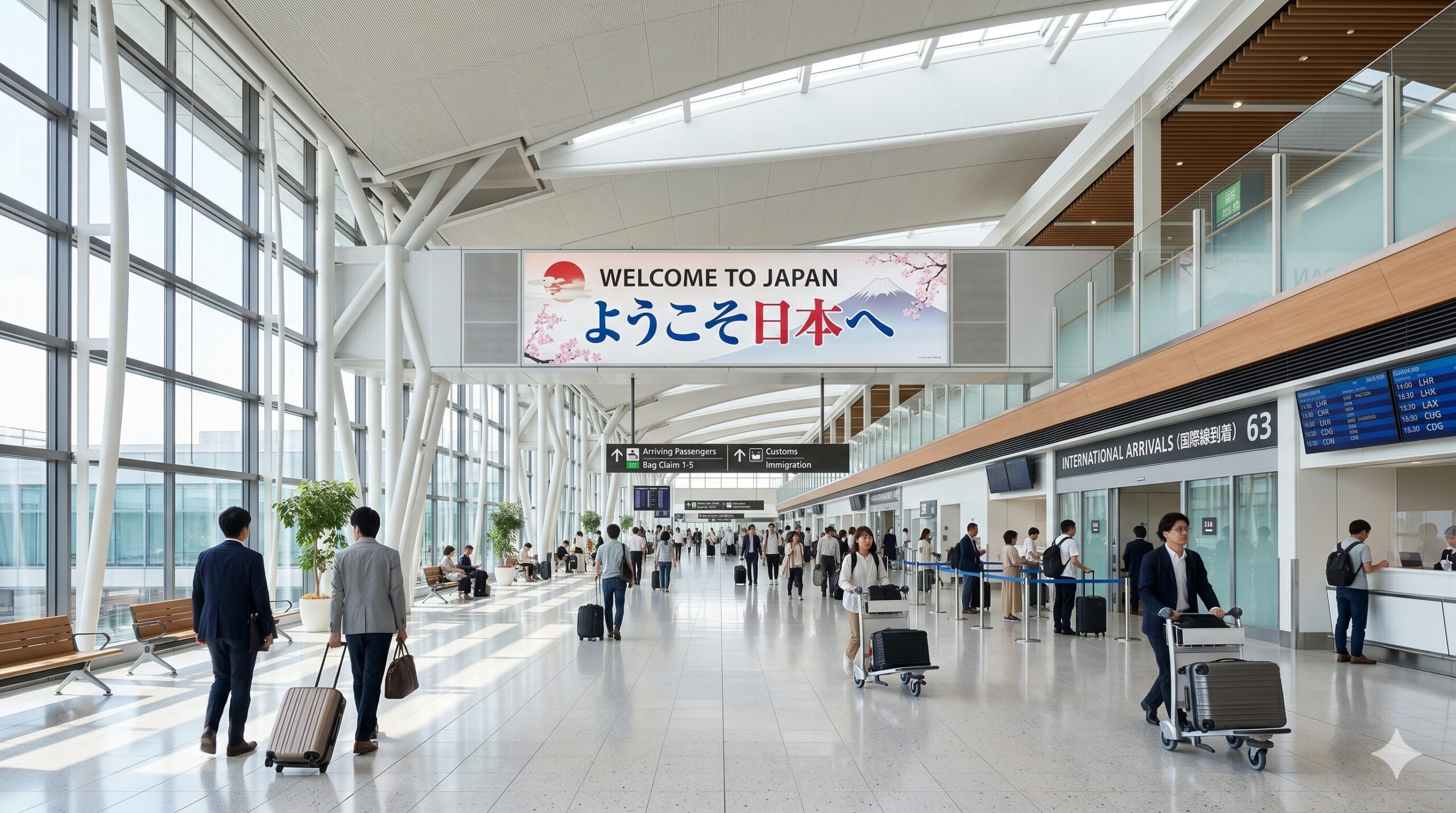
Public spaces in Japan are governed by a dense but largely unspoken set of norms. The result — famously — is public transport that runs on time, streets that stay clean, and queues that form spontaneously and without enforcement. Understanding the rules makes you a more comfortable participant, and breaking them inadvertently is far less serious than it might feel — Japanese people are forgiving of genuine ignorance in visitors.
On Trains & Subways
- No phone calls. Texting, music (with headphones), and silent phone use are all fine. Calling is considered rude on any train, metro, or Shinkansen.
- Lower your voice. Conversation is acceptable but should be kept quiet. Group tourist conversations at full volume attract negative attention.
- Priority seating. The seats near the doors (usually marked in a different colour) are for elderly, pregnant, and disabled passengers. Avoid them if you are able-bodied, and vacate them if asked.
- Queue for the door. Platforms have marked queuing lines where the train doors will open. Form an orderly line and wait for passengers to exit before boarding.
- No eating on local trains. Eating on Shinkansen long-distance services is accepted; on local city trains it is generally not done.
- Backpacks to the front. In crowded trains, move your backpack to your front to avoid taking up space and hitting other passengers.
On the Streets & In Public Areas
- No eating while walking — technically considered bad manners, though this is relaxed in festival contexts and at food stalls where eating nearby is expected.
- Smoking in designated areas only. Street smoking outside of marked zones is prohibited and fined in most major cities.
- Rubbish bins are rare. Japan has almost no public bins — carry a small bag for your waste and dispose of it at a convenience store or your hotel.
- Jaywalking. While not aggressively enforced, jaywalking is considered improper. Most Japanese people wait at red lights even at empty roads.
- Escalators. Stand on one side (left in Tokyo, right in Osaka) to leave the other side clear for people who walk up.
In Restaurants & Cafés
- Wait to be seated unless a sign says “please seat yourself” (自由席).
- Calling staff is done by raising a hand slightly and catching their eye, or pressing the call button if one is on the table. Shouting across the room is not standard.
- Tipping is not done — ever. Leaving money on the table will cause staff to follow you out to return it. It is not insulting; it simply isn’t part of the system.
- In ramen shops and many casual eateries, slurping noodles audibly is acceptable and even positive — it signals you are enjoying the food.
Sakura Mobile SIM — stay connected from the moment you land. Data SIM with English support, delivered to your hotel.
How age, role, and context shape the way Japanese people address each other
Hierarchy, Formality & Keigo — Navigating Social Rank

Japanese social interaction is significantly structured by hierarchy. Age, professional position, gender, and context all influence the language register people use, the level of deference shown, and the social distance maintained. This is most visible in keigo (敬語) — the formal/polite language system that has distinct registers for speaking to equals, seniors, and subordinates.
As a foreign visitor, you will not be expected to use keigo — the basic polite form (desu/masu) is entirely appropriate and will be received warmly. What matters more is awareness of the structural respect that underlies most Japanese interactions.
Practical Signs of Hierarchy You’ll Encounter
| Situation | What to Expect |
|---|---|
| Entering a shop or restaurant | Staff greet you immediately and formally — “irasshaimase” (welcome) |
| Receiving a business card | Accept with both hands, read it carefully, do not write on it or stuff it in a pocket immediately |
| Meeting older or senior people | A slightly deeper bow, wait for them to initiate conversation topics |
| Group dining | Wait for the most senior person to begin eating or give the go-ahead (“itadakimasu”) before starting |
| Receiving gifts or money | Receive with both hands; open gifts privately unless invited to open immediately |
Senpai & Kohai — Senior and Junior
The senpai (先輩) / kohai (後輩) framework — senior and junior in any group, school, workplace, or club — is deeply embedded in Japanese social structure. Seniors guide and mentor; juniors show deference and follow. You will not be part of this dynamic as a tourist, but understanding it explains a great deal of group behaviour you’ll observe: why younger staff defer to older colleagues, why students wait for teachers to speak first, why seating arrangements at business dinners are never random.
Tokyo Sumo Practice Show — watch Japanese hierarchy and discipline performed at its most theatrical, with chanko nabe included.
Understanding Japan’s group-first orientation and what it means for travellers
Group vs. Individual — Collectivism in Daily Life

Japan ranks consistently among the world’s most collectivist societies in cross-cultural research. This does not mean individuals lack personality or opinion — it means that the expression of those opinions is filtered through the lens of group welfare, social role, and situational appropriateness. Self-promotion, loudness, and standing out from the group in public are generally uncomfortable rather than celebrated.
The Nail That Sticks Up Gets Hammered Down
The proverb deru kui wa utareru (出る杭は打たれる) — “the nail that sticks up gets hammered down” — captures a core tension in Japanese social life. Exceptional talent, strong opinions, and unusual behaviour are acknowledged but often expressed quietly, in appropriate contexts, and with suitable modesty. This is why many Japanese people deflect compliments, attribute their own success to luck or group effort rather than personal ability, and express disagreement through suggestion rather than confrontation.
Group Orientation as a Visitor
For travellers, collectivism manifests in several practical ways:
- Tour guides and staff will serve the group’s needs first. Personal requests that inconvenience the majority may be declined or deferred, even politely.
- Group queues form naturally. Even without signage or enforcement, everyone queues. Jumping a queue is one of the more jarring things a visitor can do.
- Complaints and feedback are private, not public. If you have an issue in a restaurant or hotel, request to speak privately rather than making a scene — it will be resolved far more effectively.
- Dressing modestly at cultural sites is an extension of collectivist respect — your appearance affects the experience of everyone else at that site.
Japanese Manners & Etiquette 2026 — the specific do’s and don’ts for shrines, onsen, dining, and gifts.
How Japan’s social norms have evolved — and what’s changed since COVID
Mask Culture, Personal Space & Modern Social Norms
Masks in Japan (2026 Update)
Mask-wearing predates COVID-19 in Japan by decades. Before the pandemic, masks were common during hay fever season (February–April) and when feeling unwell — consistent with the collectivist principle of not spreading your illness to others. Post-pandemic, masks remain more common in Japan than in most other countries, though the mandatory indoor mask policy ended in March 2023.
In 2026, wearing a mask is a personal choice. You’ll see masks on around 20–40% of commuters on trains depending on the season, with higher rates during cold and flu season. Visitors are welcome to wear or not wear masks — neither will attract attention.
Personal Space
Interestingly, personal space in Japan is contextual rather than uniform. On a crowded train at rush hour, proximity is accepted without comment. In an otherwise empty train car, people will typically leave several empty seats between themselves and a stranger. This reflects social awareness of density and context — you compress when the space is genuinely full; you don’t compress unnecessarily when it isn’t.
Younger Generations and Shifting Norms
Japan’s under-35 population has noticeably different communication norms from older generations in several areas. Direct communication is more common; dating culture has shifted; physical contact between friends is more accepted; and Western social patterns have influenced self-expression significantly. At the same time, core social values — group harmony, public courtesy, deference to seniors — remain strongly present across all generations. Younger Japanese people code-switch between registers fluently depending on who they are with and where they are.
Sakura Mobile — Japan’s most trusted SIM for tourists. Unlimited data, English support, delivered anywhere.
The specific behaviours that create positive impressions immediately
Practical Tips — How to Interact Respectfully Without Knowing Japanese
You do not need to speak Japanese to navigate social norms Japan operates by. The fundamentals are behavioural, not linguistic — and a small number of consistent behaviours will carry you through almost every interaction smoothly.
Learn three phrases
Arigatou gozaimasu (thank you very much), sumimasen (excuse me / sorry), and onegaishimasu (please). Pronounce them carefully. Even imperfect Japanese is warmly received as genuine effort and cultural respect.
Bow when in doubt
A simple 15–30° bow covers greetings, thank yous, apologies, and goodbyes. It is never wrong in Japan to bow. It costs nothing and signals cultural awareness immediately.
Match the energy of the room
Loud in a loud place, quiet in a quiet place. Japan’s spatial norms are largely about context — what is appropriate at an izakaya is not appropriate on a morning train. Read the room before acting.
Don’t tip — but do show appreciation
No tipping at restaurants, hotels, or taxis. Instead, express appreciation verbally and with a bow. If service has been exceptional, a small souvenir from your home country given to the person directly (with both hands, and appropriate modesty) is genuinely valued.
Use both hands for exchanges
Giving and receiving items — cards, money, gifts, documents — with both hands is a small but genuine gesture of respect. It signals you consider what you’re handling to be important, and that you respect the person you’re interacting with.
Observe queues and form them
If no queue exists and you’re first, stand to the side and wait — others will form behind you. This is how queues start in Japan: one person positions themselves correctly, and the rest follows.
Tokyo Matcha & Mochi Experience in Asakusa — practise the etiquette of a Japanese tea setting in a real workshop setting.
The questions travellers ask most before and during their trip
FAQ — Social Norms Japan
ABOUT JAPAN · CULTURE Japanese Culture & Core ValuesWhat Every Visitor Should Know Japanese cult … 続きを見る ▶ Travel Tips & Hacks — Cultural Essentials Japanese Etiquette Guide 2026 — Manners, Customs &# … 続きを見る

Japanese Culture & Core Values — What Every Visitor Should Know

Japanese Etiquette Guide 2026 — Manners, Customs & Cultural Rules for Travelers