Things to Do in Hokkaido 2026 — Japan’s Wild North Complete Guide
Things to do in Hokkaido in 2026 — ski Niseko’s legendary powder, walk the Furano lavender fields, devour fresh uni in Sapporo, and witness drift ice off the Okhotsk coast. The complete travel guide to Japan’s wildest island.
- Why Visit Hokkaido? Japan’s Ultimate Wild Frontier
- Top 7 Things to Do in Hokkaido: Must-See Destinations
- Sapporo — Hokkaido’s Vibrant Capital
- Otaru — The Romantic Canal City
- Niseko — World’s Best Powder Snow Resort
- Furano & Biei — Lavender Fields and Patchwork Hills
- Hakodate — Night Views and Morning Markets
- Shiretoko Peninsula — UNESCO World Heritage Wilderness
- Asahikawa & Asahiyama Zoo — Innovation in Conservation
- Unmissable Things to Do in Hokkaido by Activity
- Hokkaido Food Guide: 7 Must-Eat Dishes
- Getting to Hokkaido & Getting Around
- Where to Stay in Hokkaido: Area-by-Area Guide
- Hokkaido Travel FAQ
- Plan Your Hokkaido Trip — Next Steps
Why Visit Hokkaido? Japan’s Ultimate Wild Frontier
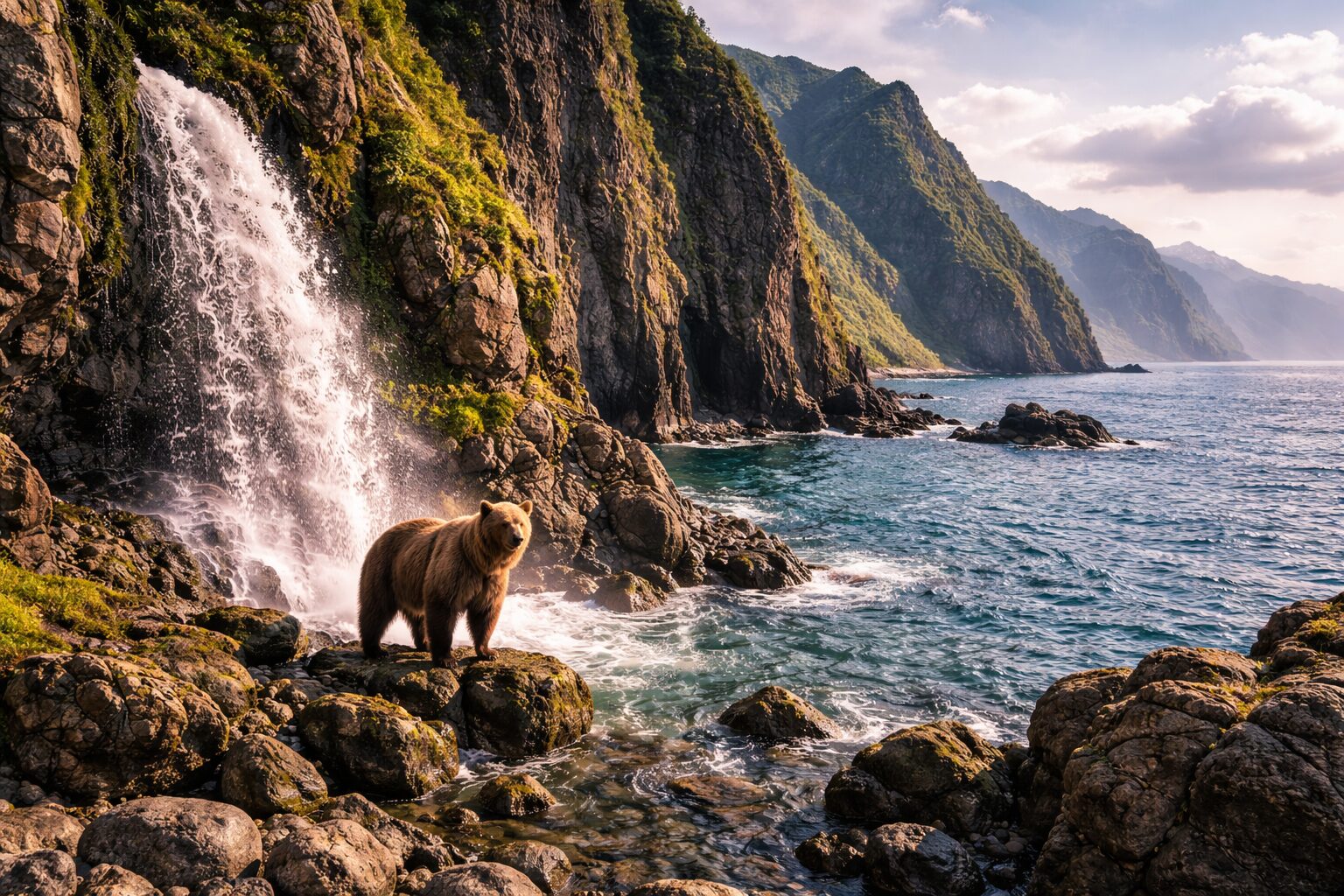
Among the most rewarding things to do in Hokkaido is simply taking in its sheer scale. Japan’s northernmost island covers roughly 83,000 km² — about 22% of Japan’s total land area but home to only 5% of its population — giving it a vast, frontier quality utterly unlike the densely packed islands to the south. Stretching from the Sea of Japan in the west to the Sea of Okhotsk in the north-east, Hokkaido delivers landscapes of cinematic scale: volcanic mountain ranges, tundra-flat dairy plains, pristine wetlands where red-crowned cranes dance, and coastlines edged in winter by drift ice floating down from Siberia.
The island’s most celebrated claim to fame is “Japow” — the globally coveted powder snow that has put Niseko on the lips of every serious skier. Hokkaido’s unique geography channels cold, dry air from Siberia over the Sea of Japan, collecting moisture and dumping it as incredibly light, dry powder — often 10–15 metres of snowfall per season in the Niseko mountain range. Resorts here regularly record the deepest, driest snow on the planet, transforming Niseko in particular into an international ski destination that rivals the Alps and the Rockies.
Hokkaido at a Glance: Key Facts
| Category | Detail |
|---|---|
| Area | 83,424 km² (~22% of Japan) |
| Population | ~5.1 million (Sapporo: 1.97M) |
| Capital | Sapporo |
| Main Airport | New Chitose (CTS) — 37 min to Sapporo by JR |
| Niseko Snowfall | Up to 15 m/year — world-class powder |
| UNESCO Sites | Shiretoko Peninsula (World Natural Heritage) |
| Famous For | Skiing, seafood, lavender, Ainu culture, drift ice |
Agricultural Paradise & Seafood Heaven
Beyond skiing, Hokkaido is Japan’s pantry. The island produces roughly 80% of Japan’s butter, 45% of its milk, and vast quantities of potatoes, wheat, sugar beet, corn, and onions. The cold, nutrient-rich seas surrounding the island yield exceptional seafood: sea urchin (uni) from the Sea of Japan that melts on the tongue, Hokkaido salmon, snow crab, hairy crab, scallops, and the freshest squid you’ll encounter anywhere. For food lovers, Hokkaido offers an experience that stands completely apart from mainland Japan.
Ainu Culture — Japan’s Indigenous Heritage
Hokkaido is the ancestral homeland of the Ainu people, Japan’s indigenous population who lived on the island for thousands of years before Japanese settlement. The Upopoy National Ainu Museum in Shiraoi, opened in 2020, is Japan’s first national museum dedicated to Ainu culture — a powerful, moving experience covering traditional crafts, music, food, spiritual practices, and the history of the Ainu people. Visiting Upopoy is one of the most intellectually enriching things to do in Hokkaido and provides essential context for understanding the island.
Best Seasons to Visit Hokkaido
Winter (December–March): The undisputed peak for skiing. Niseko, Furano, Tomamu, Rusutsu, and Kiroro all deliver world-class powder. The Sapporo Snow Festival (early February) transforms Odori Park into a gallery of giant ice and snow sculptures. Drift ice arrives along the Okhotsk coast in late January, reaching its peak in February. Temperatures in Sapporo range from -12°C to 0°C; inland areas are colder.
Spring (April–May): Hokkaido’s cherry blossoms bloom 2–4 weeks later than Tokyo, meaning you get a second chance if you missed them on Honshu. Goryokaku Fort in Hakodate hosts one of Japan’s most photogenic cherry blossom displays. Snowmelt reveals lush greenery rapidly.
Summer (June–August): The greatest escape from Japan’s brutal summer heat. When Tokyo and Osaka swelter at 37–38°C with extreme humidity, Sapporo sits at a comfortable 25°C with low humidity. Furano’s lavender fields peak in mid-July, drawing visitors from around the world to a purple horizon. The Biei patchwork hills blaze with colorful flower fields.
Autumn (September–October): Hokkaido experiences Japan’s earliest autumn foliage — spectacular red and orange colors arriving weeks before the rest of Japan. Daisetsuzan National Park sees colors from late September. The contrast of red maples against volcanic peaks and deep blue lakes is stunning.
Sample 5-Day Hokkaido Itinerary
Day 1–2: Sapporo & Otaru
Arrive at New Chitose Airport, take the JR rapid Airport train 37 minutes to Sapporo. Explore Odori Park and the historic Clock Tower. Evening in Ramen Yokocho for miso ramen. Day 2: Day trip to Otaru (35 min by JR), stroll the canal, browse glass workshops, sample fresh sushi.
Day 3: Furano/Biei or Niseko
In summer: head north to Furano and Biei — visit Farm Tomita’s lavender fields, walk the Patchwork Hills, see the ethereal Blue Pond. In winter: head south-west to Niseko for a day of world-class skiing on Gran Hirafu’s 60 runs.
Day 4–5: Hakodate or Shiretoko
Hakodate: a history-rich city with Japan’s most famous night view from Mt. Hakodate, star-shaped Goryokaku Fort, and the vibrant morning market. Alternatively, fly or drive to Shiretoko UNESCO World Heritage Site for brown bear watching, the Five Lakes trail, and (in winter) drift ice walking.
Top 7 Things to Do in Hokkaido: Must-See Destinations
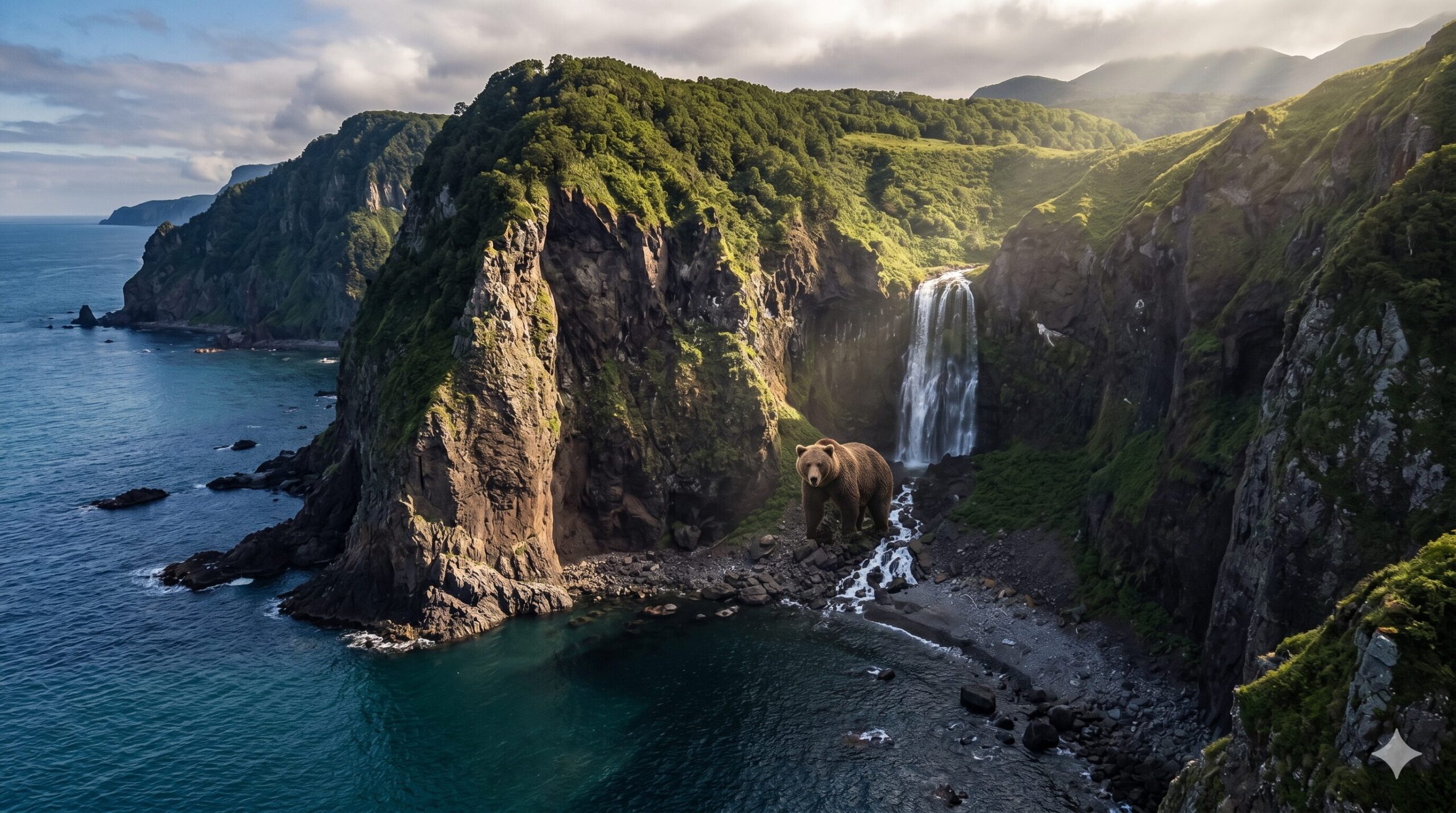
From urban Sapporo to the wild remoteness of Shiretoko, here are the seven essential destinations that define things to do in Hokkaido — each earning superlatives across every category of travel.
Sapporo — Hokkaido’s Vibrant Capital
Sapporo, with a population approaching 2 million, is the fifth-largest city in Japan and one of its most livable. The city was planned on a grid system by American urban planners in the 1870s, giving it a spacious, navigable character rare in Japanese cities. Odori Park — a 1.5km green spine bisecting the city — is the heart of public life, hosting the Snow Festival in February, a beer garden in summer, and a lilac festival in May.
The underground shopping arcade stretching from Odori Station to Susukino is one of Japan’s longest. Susukino, Sapporo’s entertainment district, packs in hundreds of izakayas, jingisukan (Genghis Khan lamb BBQ) restaurants, ramen shops, and bars. The famous Ramen Yokocho (Ramen Alley) in Susukino is a narrow lane of 17 specialty ramen shops — the distilled essence of Sapporo’s food culture. The Sapporo Beer Museum, housed in the original 1890 brewery, is free to enter and offers tastings of Japan’s oldest beer brand.
Otaru — The Romantic Canal City
Just 35 minutes from Sapporo by JR, Otaru is among Hokkaido’s most beloved destinations. The Otaru Canal, built in 1923 to facilitate goods transfer from ships to warehouses, now glows under gas lanterns at dusk — one of Hokkaido’s most photographed scenes. Former herring warehouses along the canal have been converted into restaurants, craft shops, and glass studios. Otaru is famous for its intricate glasswork and music box craftsmanship; the Kitaichi Glass complex alone contains multiple shops and cafes.
Sushi lovers make the pilgrimage to Otaru’s Sushi-dori (Sushi Street), where six acclaimed sushi restaurants line a single block near the canal. The seafood — much of it pulled from the Sea of Japan just offshore — is as fresh as sushi gets anywhere in the world.
Niseko — World’s Best Powder Snow Resort
Niseko has become one of the world’s most coveted ski destinations, attracting powder-hungry skiers and snowboarders from Australia, North America, Europe, and across Asia. The Niseko United ski area comprises four interconnected resorts — Gran Hirafu, Hanazono, Higashiyama, and Annupuri — spanning over 900 hectares and 60 ski runs. The powder here is legendary: light, dry, and abundant, with annual snowfall regularly exceeding 14 metres.
Off the slopes, Niseko has developed a sophisticated après-ski culture with excellent restaurants, cocktail bars, boutique hotels, and onsen facilities. For non-skiers, snowshoeing, backcountry snowcat tours, and dog sledding are popular winter activities. In summer, Niseko transforms into a green adventure hub with white-water rafting on the Shiribetsu River, mountain biking, and hiking around volcanic Mt. Yotei.
Furano & Biei — Lavender Fields and Patchwork Hills
Central Hokkaido’s Furano and Biei districts are the island’s summer crown jewels. Furano is synonymous with lavender — vast purple fields that bloom from late June to mid-August, peaking around mid-July. Farm Tomita, the most famous lavender farm in Japan, offers lavender ice cream, lavender soap, and fields of purple stretching toward the Tokachidake volcanic range. The scent and visual spectacle are genuinely overwhelming in the best possible way.
Biei, just 20 minutes north of Furano by JR, is famous for its gently rolling hills patchworked with colorful flower fields — blue salvia, red poppies, yellow sunflowers, white baby’s breath — and lone landmark trees: the Mild Seven Hill Poplar Tree, the Ken & Mary Tree, the Christmas Tree. The Biei Blue Pond (Aoike) is a surreal, milky-blue lake formed by volcanic mineral deposits, its submerged dead silver birch trunks creating an otherworldly atmosphere — even more dramatic under the winter illuminations.
Hakodate — Night Views and Morning Markets
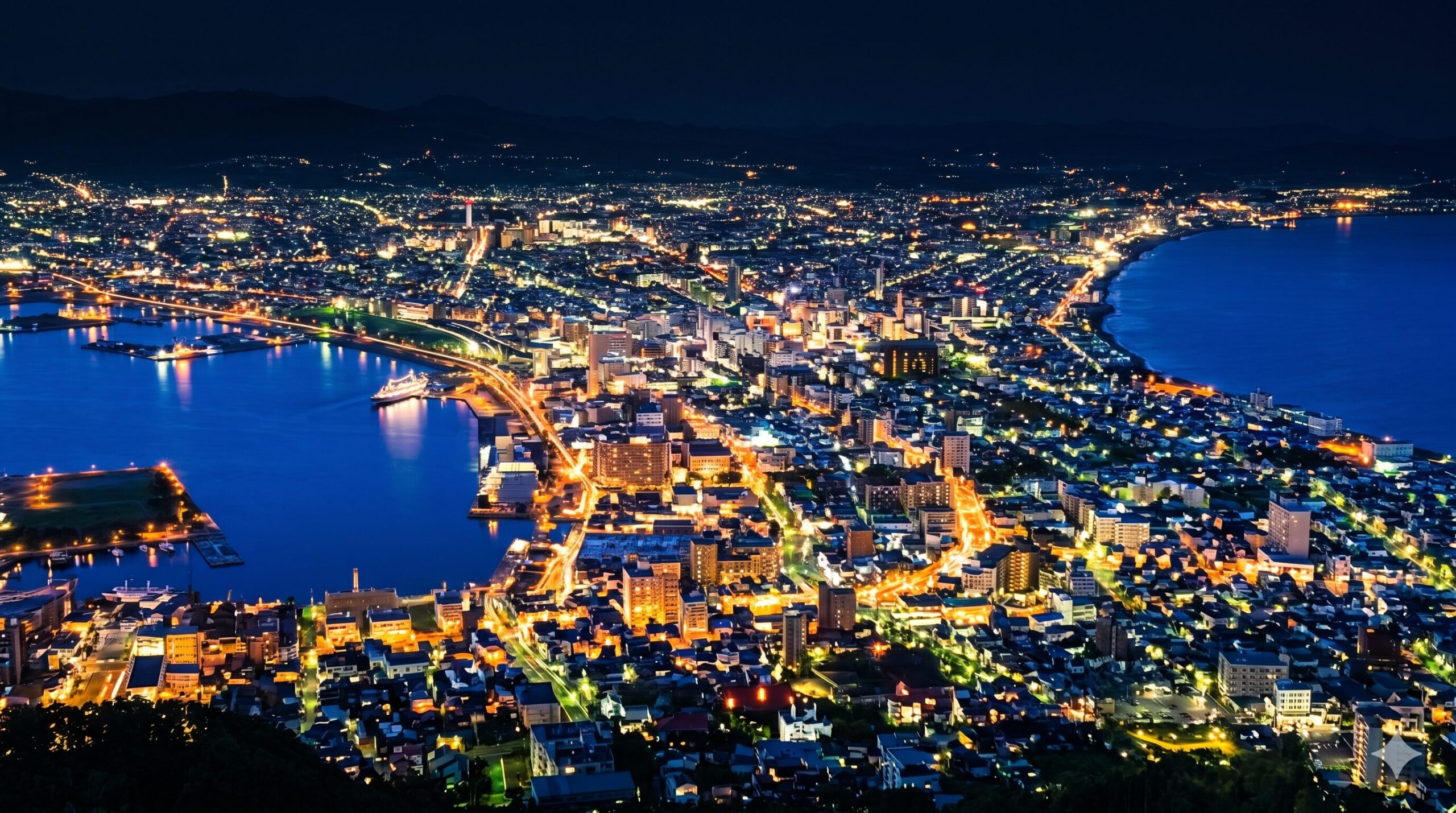
Hakodate occupies a narrow peninsula jutting into the Tsugaru Strait, giving the city a distinct, almost island-like character. The panoramic night view from Mt. Hakodate (334m, accessible by ropeway) is consistently ranked among the world’s top three night views — the city lights spreading across both sides of the peninsula against dark water on all sides is breathtaking. Goryokaku, Japan’s only Western-style star-shaped fort (1864), is spectacular in cherry blossom season and can be surveyed from its observation tower.
Hakodate morning market (Asaichi) is one of Hokkaido’s great food experiences — dozens of stalls selling fresh seafood from 6am, where you can try live squid fishing and immediately have your catch prepared as sashimi. Yunokawa Onsen, 20 minutes from the city, is a great base for relaxation. The Hokkaido Shinkansen connection (to Shin-Hakodate-Hokuto) links the city to Honshu.
Shiretoko Peninsula — UNESCO World Heritage Wilderness
Shiretoko, designated a UNESCO World Natural Heritage Site in 2005, is Japan’s most remote and arguably most spectacular natural environment. The peninsula juts into the Sea of Okhotsk in north-eastern Hokkaido, and its inaccessibility has preserved ecosystems of remarkable biodiversity. Brown bears (Higuma) roam freely along rivers and coastlines; drift ice in winter brings Steller’s sea eagles and Blakiston’s fish owls; the Shiretoko Five Lakes offer pristine mountain reflections; and the Kamuiwakka hot waterfall cascades through a rocky gorge you can wade up.
Winter at Shiretoko brings the unforgettable drift ice experience — walk on the pack ice that drifts down from the Russian coast, watch eagles soar overhead, and feel the raw power of one of the world’s most dramatic natural phenomena. Ice walking tours with full dry suits operate from late January to mid-March.
Asahikawa & Asahiyama Zoo — Innovation in Conservation
Asahikawa, Hokkaido’s second-largest city, is home to Asahiyama Zoo — Japan’s most visited zoo outside Tokyo’s Ueno, and a model for behavioral exhibits worldwide. Rather than displaying animals in enclosures, Asahiyama pioneered “behavioral exhibits” that show animals doing what they do naturally: polar bears swimming toward visitors through a transparent tube, penguins waddling along an elevated snow path in winter, seals spiraling through a vertical cylindrical tank. The winter penguin parade — where Humboldt and King penguins march outside along a snow path — is an iconic Hokkaido experience.
Hokkaido Tours & Activities — Browse 100+ experiences by city
Unmissable Things to Do in Hokkaido by Activity
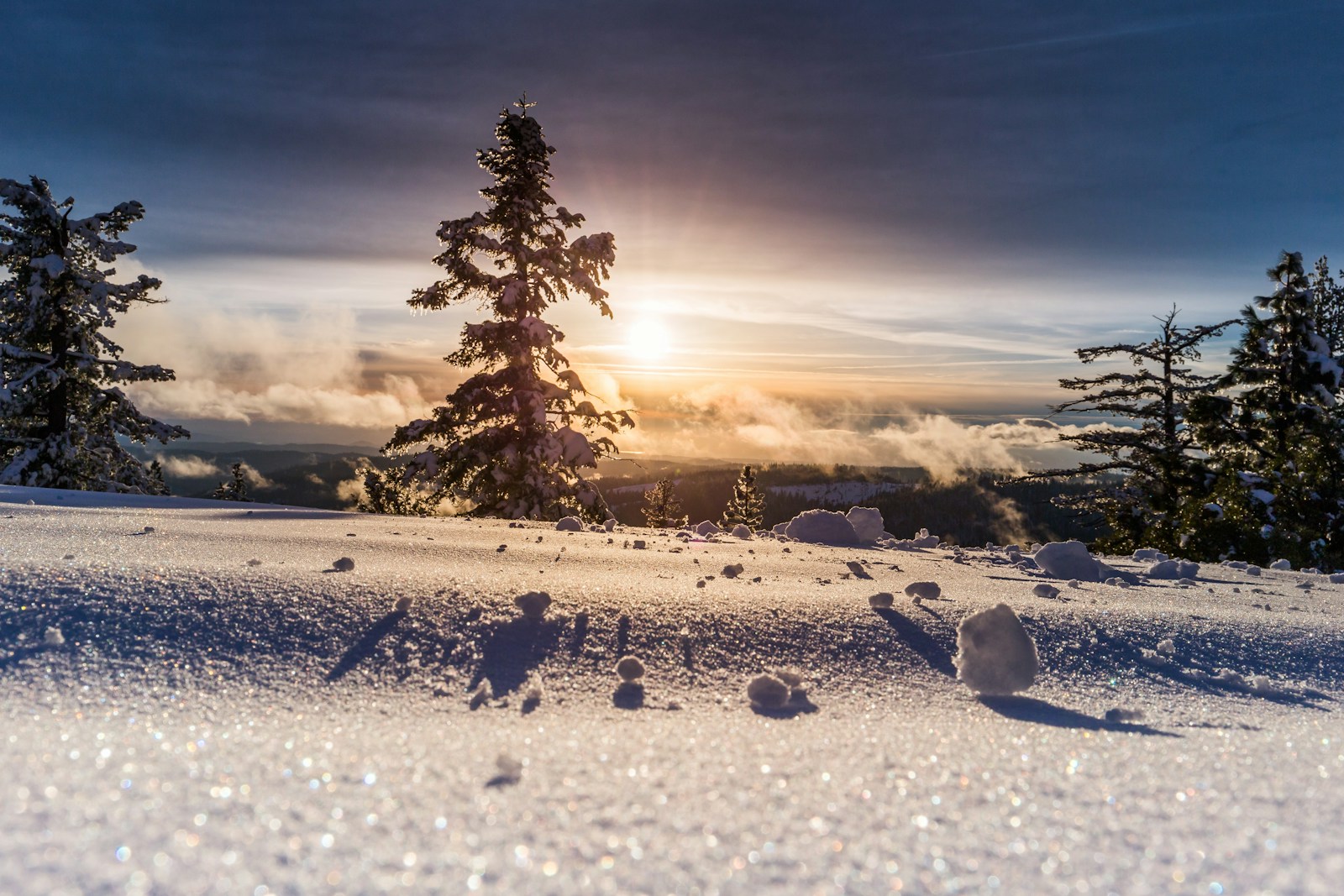
Beyond sightseeing, the most memorable things to do in Hokkaido come from immersive experiences that simply cannot be replicated elsewhere in Japan. Whether you arrive in winter’s powder or summer’s lavender, these activities define the island.
Skiing & Snowboarding at Niseko and Beyond
Niseko United is the headline act, but Hokkaido’s ski landscape extends far beyond. Furano Ski Resort, in the heart of the island, offers wide groomed runs and far fewer international crowds than Niseko — ideal if you want excellent snow without the premium prices. Tomamu Resort features the famous “Unkai Terrace” (cloud sea terrace) — a gondola ride above the clouds to a deck where you watch rolling white mist fill the valley below — magical in both winter and the brief summer window when the phenomenon occurs. Rusutsu Resort, 30 minutes from Niseko, is a local favourite with varied terrain across three mountains. For backcountry enthusiasts, Hokkaido’s off-piste opportunities are almost unlimited.
Drift Ice Walk — Abashiri & Shiretoko
Every winter from late January to mid-March, the Sea of Okhotsk along Hokkaido’s north-east coast freezes and pack ice drifts down from Siberia. Two ways to experience it: the Aurora icebreaker ship operating from Abashiri (60-min cruises that crack through the ice floes while Steller’s sea eagles wheel overhead), and the Garinko II screw-drive icebreaker from Monbetsu. For the ultimate experience, join an ice walking tour on Shiretoko — wearing a dry suit, you walk on and float in the drift ice, surrounded by an arctic landscape of extraordinary silence.
Furano Lavender at Farm Tomita
In mid-July, the lavender fields of Furano reach their absolute peak. Farm Tomita is the most famous — and deservedly so — with multiple lavender varieties creating a gradient of purple, and rainbow strips of other flowers. The area holds additional gems: Lavender East (Farm Tomita’s hillside additional field), Flower Land Kamifurano, and smaller independent farms. Renting a bicycle and cycling through lavender country on a clear July morning, with the Tokachidake volcanic range gleaming on the horizon, is one of the great Japan travel memories.
Ainu Cultural Experience at Upopoy
The National Ainu Museum “Upopoy” in Shiraoi (50 minutes south of Sapporo on the rapid Airport line) opened in 2020 as Japan’s first national-level facility dedicated to Ainu culture. The immersive museum covers Ainu language, traditional crafts (embroidery, woodcarving), music (the haunting mukkuri mouth harp), food culture, spiritual beliefs, and the complex history of Ainu relationships with Japanese settlers. Live performances of traditional Ainu dance and music are staged daily. The museum sits within a larger “symbolic space” incorporating a traditional kotan (village) replica and a lakeside environment reflecting Ainu reverence for nature.
Sapporo Snow Festival (Early February)
The Sapporo Snow Festival (Yuki Matsuri), held in early February for approximately one week, transforms Odori Park into one of the world’s most spectacular public art events. Giant snow sculptures — some as large as multi-story buildings — recreate world landmarks, Japanese castles, anime characters, and abstract forms with astonishing precision. A separate ice sculpture site at Susukino adds glittering ice artworks illuminated at night. Teams from the Japan Self-Defense Forces, international snow sculpture competition teams, and civilian groups spend weeks building these ephemeral masterpieces. Attendance reaches 2 million visitors — book accommodation months in advance.
Sapporo Bar Hopping & Local Food Tour
Sapporo’s nightlife centres on Susukino, but navigating its 4,000+ izakayas, ramen shops, and bars as a first-timer is daunting. A small-group English-guided bar hopping tour visits 3–4 carefully chosen local spots in a single evening — you taste regional sake, sample seafood unavailable on tourist menus, and learn the etiquette of Japanese drinking culture from a local guide. This is the single most efficient way to experience authentic Sapporo nightlife in one night.
Sapporo Bar Hopping Food Tour — Small group English guide via MagicalTrip
Kurodake Ropeway & Asahiyama Zoo Autumn Leaves Tour — Daisetsuzan foliage
Sapporo Market & Seafood Brunch Tour — Small Group · English Guide
Hokkaido Food Guide: 7 Must-Eat Dishes
Exploring food is one of the most rewarding things to do in Hokkaido — the island’s unique agricultural and marine environment produces ingredients of exceptional quality, and local chefs have developed distinctive regional cuisines that you simply cannot find at the same standard anywhere else in Japan.
Hokkaido Seafood Don (Kaisendon)
The ultimate Hokkaido food experience. A lacquer bowl of steamed rice — ideally Nanatsuboshi or Yumepirika Hokkaido rice — piled with toppings of the season: sea urchin, salmon roe, botan shrimp, snow crab, scallops. Sea urchin quality in Hokkaido, particularly from the Rishiri and Rebun islands, is considered the finest in Japan. Bafun uni (short-spined sea urchin) has an intensely sweet, creamy flavour that bears little resemblance to the oceanic bitterness of poor-quality uni. Budget: $15–30 for a market don, $50–120 for a premium sushi restaurant version.
Sapporo Miso Ramen
Sapporo’s signature ramen uses a rich miso-based broth (developed in the 1950s) topped with a generous pat of butter, sweet corn, bean sprouts, chashu pork, and green onions. The heat and richness of the soup is designed for Hokkaido winters. The best bowls are found in the narrow lanes of Ramen Yokocho (Ramen Alley) in Susukino — Sumire and Junren are perennial favourites. Budget: $10–15 per bowl.
Hakodate Salt Ramen (Shio Ramen)
Hakodate’s ramen tradition is quite different from Sapporo’s — a clear, delicate chicken or seafood-based salt broth that highlights the purity of its ingredients rather than overwhelming with richness. The pale golden soup, straight noodles, and simple toppings make Hakodate shio ramen an exercise in elegant restraint. It’s a style that converted many people who thought they didn’t like ramen.
Asahikawa Soy (Shoyu) Ramen
The third pillar of Hokkaido’s ramen holy trinity. Asahikawa ramen uses a double soup — chicken/pork combined with seafood (usually dried sardines, konbu, and bonito) — topped with a layer of lard that seals in heat on the coldest days. The result is a deeply savory, slightly oily, intensely flavored bowl that Asahikawa residents are fiercely proud of.
Jingisukan (Genghis Khan)
Jingisukan is Hokkaido’s iconic barbecue — thin-sliced lamb or mutton grilled on a dome-shaped iron griddle (shaped like a Mongolian warrior’s helmet, hence the name). The meat drips into a moat of vegetables — onions, cabbage, peppers, bean sprouts. Dipped in a tangy sweet-soy based tare (sauce), it’s smoky, rich, and utterly satisfying. Beer gardens and specialty jingisukan restaurants across Hokkaido serve this in lively, sociable settings. Budget: $25–50 per person including drinks.
Soup Curry
Soup curry is a Sapporo invention from the 1970s — a thin, aromatic curry broth (much thinner than standard Japanese curry) served with large pieces of roasted or fried vegetables (potato, carrot, eggplant, pumpkin, bell pepper) and usually chicken or pork. You add rice to the broth yourself, spoonful by spoonful. The flavor is complex and warming, somewhere between a Thai curry and a Japanese curry. Dozens of specialist soup curry restaurants operate in Sapporo, each with their own signature broth recipe.
Hokkaido Dairy Products
Hokkaido produces Japan’s finest dairy — the pastures of the Tokachi and Konsen plains support cows that produce milk of exceptional quality. Don’t miss: Hokkaido soft-serve ice cream (richer and creamier than anywhere else, available in lavender, melon, and milk flavors), Camembert and Gouda cheeses from dairy farms around Furano and Biei (many offer direct sales and tours), fresh butter that spreads with a golden richness, and yogurt thick enough to stand a spoon in. Farm-to-table dairy experiences are a highlight of the Furano/Biei area, where you can visit working cheese workshops and taste products minutes from production.
Where to Eat: Area-by-Area Guide
| Area | Best For | Budget |
|---|---|---|
| Sapporo Susukino | Izakaya, jingisukan, ramen, late night | $15–40/person |
| Sapporo Jokogai Market | Seafood don breakfast, fresh market | $15–30/person |
| Hakodate Morning Market | Squid, crab, fresh don, live seafood | $15–35/person |
| Otaru Sushi Street | Premium sushi, fresh-caught seafood | $50–150/person |
| Furano/Biei Farms | Dairy products, farm restaurants, cheese | $20–50/person |
| Ramen Yokocho (Sapporo) | Sapporo miso ramen | $10–15/bowl |
Sapporo Food Tours & Cooking Classes — Browse Hokkaido food experiences
Getting to Hokkaido & Getting Around
Planning the right transportation is essential among the things to do in Hokkaido — the island’s vast scale becomes a feature rather than an obstacle with the right strategy. Here’s everything you need to know about accessing and navigating Japan’s largest prefecture.
Flying to Hokkaido
New Chitose Airport (CTS) is Hokkaido’s main gateway, located 40km south of Sapporo. It handles the vast majority of domestic and international flights, including direct services from South Korea, China, Hong Kong, Taiwan, and seasonal Southeast Asian routes. From the airport, the JR rapid Airport train takes just 37 minutes to reach Sapporo Station, with stops at Shin-Sapporo, Soen, and Naebo. Fare: ¥1,150. Trains run approximately every 15 minutes during peak hours.
For travelers heading to specific regions: Hakodate Airport offers direct flights from Tokyo (1h30m); Asahikawa Airport serves central Hokkaido; Memanbetsu Airport (near Abashiri) is the gateway for Shiretoko and east Hokkaido; Obihiro and Kushiro Airport serve the vast Tokachi and Kushiro plains.
JR Trains & the JR Pass
JR Hokkaido operates an extensive rail network covering the main corridors — Sapporo to Hakodate, Sapporo to Asahikawa, Sapporo to Obihiro and Kushiro, and the coastal route to Otaru. The JR Hokkaido network is best supplemented with a rail pass.
Renting a Car in Hokkaido — Strongly Recommended
For anything beyond Sapporo and Otaru, a rental car transforms your Hokkaido experience. The island’s vast scale and sparse population mean that many of the most spectacular destinations — Biei’s patchwork hills, Shiretoko’s coastal road, the Daisetsuzan loop, the Tokachi plain, Noboribetsu — are difficult or impossible to reach efficiently by public transport alone.
Major rental car companies operate from New Chitose Airport and Sapporo central. Budget ¥6,000–¥12,000 per day for a standard car. In winter, ensure your rental is equipped with 4WD and winter tires — this is standard practice in Hokkaido and responsible companies will automatically provide snow tires, but confirm explicitly. International Driving Permits are required for most foreign license holders.
IC Cards & Connectivity
IC cards (Suica, Kitaca) work on JR Hokkaido trains, Sapporo city subway, buses, and many taxis. Load enough credit at convenience stores or station machines. Sapporo’s subway (3 lines) covers the city centre comprehensively and is the easiest way to navigate within Sapporo itself. For a complete guide to IC cards in Japan, see our IC Card Japan guide.
JR Hokkaido Rail Pass — Unlimited trains within Hokkaido · 5, 7 & 10-day options
Where to Stay in Hokkaido: Area-by-Area Guide
Hokkaido’s accommodation landscape is as diverse as its geography — from urban business hotels in Sapporo to secluded onsen ryokan beside volcanic lakes. Here’s where to base yourself for each part of the island.
Sapporo — Best Base for Most Visitors
Sapporo Station and the Susukino/Odori area offer the densest concentration of hotels at competitive prices. The station area provides direct JR access to the airport and onward connections. Budget hotels and business hotels: $60–90/night. Mid-range: $90–130/night. Luxury options (JR Tower Hotel Nikko, Grand Hokkaido, Sapporo Prince Hotel Towers) from $130–250/night. Book early for Snow Festival week — rooms sell out 6+ months in advance.
Niseko — Ski Resort & Luxury
Niseko accommodation ranges from ski-in/ski-out chalets and condominiums to boutique luxury hotels with private onsen. Prices are highly seasonal — summer rates ($80–200/night) bear no resemblance to winter peak rates ($150–600+/night for the same property). Apartment-style accommodation suits groups; book 6–12 months ahead for peak winter weeks (Christmas, New Year, school holidays). The Niseko village area (near the Higashiyama base) offers a slightly more relaxed atmosphere than the busy Hirafu center.
Otaru — Boutique Canal-Side Stays
Otaru has a small but charming accommodation scene — boutique hotels and guesthouses converted from old merchant houses near the canal, plus larger business hotels near the JR station. $80–200/night depending on season and property. The canal area stays are more atmospheric; station area stays are more practical for day trips to Sapporo.
Hakodate — Night Views & Hot Springs
Stay near Hakodate Station for easy access to both Goryokaku and the morning market, or base yourself in Yunokawa Onsen for a more traditional experience with the added bonus of a hot spring bath in your room. $70–180/night covers a wide range of options from simple business hotels to traditional ryokan. Hakodate offers some of Hokkaido’s best value for ryokan stays with included breakfast and dinner.
Furano & Biei — Pension & Farm Stays
This region is famous for its pensions — small, family-run bed & breakfast establishments often surrounded by flower fields, with home-cooked dinners featuring local produce. Many offer spectacular mountain and field views. $60–150/night, often including dinner. Biei’s area pensions in particular get booked far ahead for the July lavender season — reserve 3–4 months in advance for summer visits.
Noboribetsu & Lake Toya — Onsen Ryokan
Noboribetsu is Hokkaido’s most famous hot spring town, with sulfurous “hell valley” (Jigokudani) as its spectacular geological backdrop. Grand-scale onsen hotels line the main street, offering elaborate multi-course kaiseki dinners and extensive bath facilities. Lake Toya, an hour’s drive west, combines caldera lake scenery with upscale resorts including Windsor Hotel International. $120–400/night for full-board ryokan; budget for a memorable splurge night. For comprehensive accommodation booking, see our Where to Stay in Japan guide.
-
-
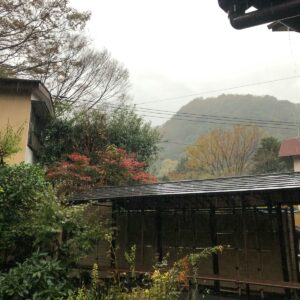
Where to Stay in Japan 2026 — Hotels, Ryokan & Budget Guide
▶ Stage 2 — Getting Ready Where to Stay in Japan 2026 — Hotels, Ryokan & Budget Guide Where to s …
続きを見る
Sapporo Hotels — Compare prices & book on Klook
Hokkaido Travel FAQ
Plan Your Hokkaido Trip — Next Steps
-
-
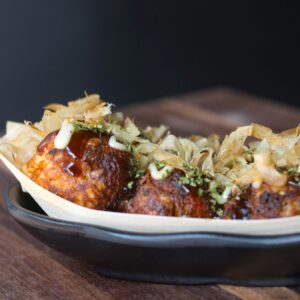
Best Places to Visit in Japan 2026 | Go Japan Now
▶ Stage 4 — Go Deeper Best Places to Visit in Japan 2026 — Complete Destination Guide Best places to …
続きを見る