Things to Do in Tokyo 2026 — Complete Travel Guide
The trusted guide to the best things to do in Tokyo for first-time visitors — top sights, food tours, cultural experiences, day trips, hotels, and travel essentials. Booking links verified for 2026.
- Why Tokyo in 2026 — and How Many Days You Need
- Top 8 Things to Do in Tokyo
- Cultural Experiences — Tea, Kimono & Local Tours
- Tokyo Food Guide — What to Eat & Where
- Best Day Trips from Tokyo
- Where to Stay in Tokyo
- Getting To & Around Tokyo
- Travel Essentials — WiFi, SIM & Money
- Seasonal Highlights in Tokyo
- Tokyo Travel FAQ
- Plan Your Tokyo Trip — Next Steps
Why Tokyo in 2026 — and How Many Days You Need
A first look at Japan’s capital
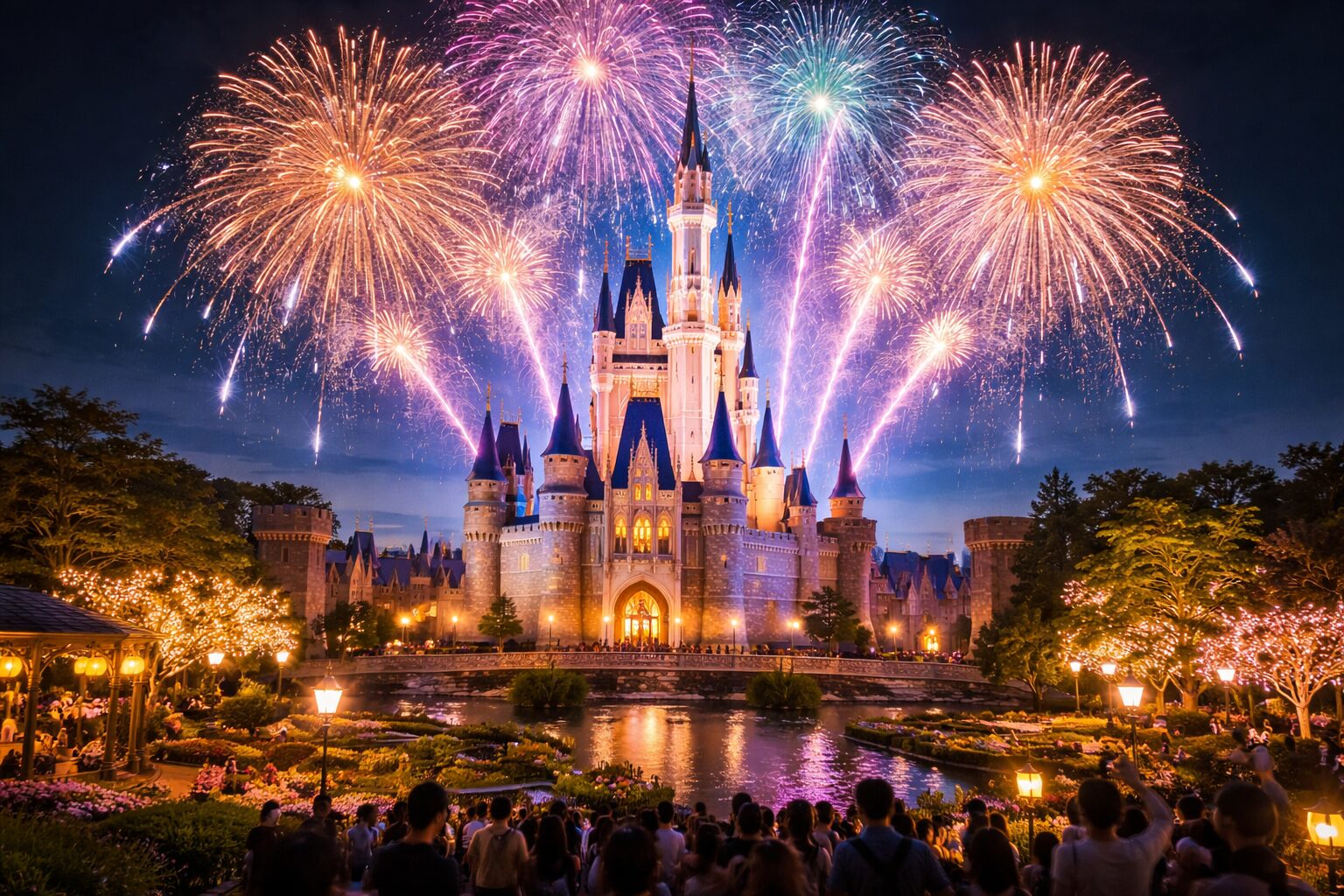
The list of things to do in Tokyo is essentially infinite — this is the world’s largest metropolis (37+ million people) packed with thousand-year-old shrines, neon districts, Michelin-starred kitchens, and digital-art universes. For 2026, the weak yen makes Tokyo roughly 30–40% cheaper for USD, EUR, and GBP travelers compared to pre-pandemic prices. A Michelin lunch runs about $38. A full-day subway pass costs under $5. There has rarely been a better moment to visit.
How Many Days Do You Need in Tokyo?
3 days covers the headline sights — Asakusa, Shibuya, Shinjuku, teamLab, and one solid food tour. 5 days is the sweet spot: you add a Nikko, Kamakura, or Hakone day trip, plus time to wander neighborhoods at a relaxed pace. 7+ days lets you start to feel like a local and unlocks deeper Tokyo — Tsukishima monjayaki, Yanaka’s old-town backstreets, Shimokitazawa vintage shops.
Best Time to Visit Tokyo
Two seasons stand above the rest. Cherry blossom season (late March to early April) turns Ueno Park, Shinjuku Gyoen, and the Meguro River into iconic hanami picnic spots — book accommodation 2–3 months ahead. Autumn foliage (mid-November to early December) is arguably even more beautiful, with smaller crowds. Summer (July–August) brings 35°C heat and 80% humidity. Winter is cold but crisp and crowd-free. Spring and autumn are the undisputed sweet spots.
Daily Budget Guide (1 USD ≈ 155 JPY)
| Item | Budget | Mid-Range |
|---|---|---|
| Breakfast | $5–8 (konbini) | $10–15 (café set) |
| Lunch | $8–14 (ramen, teishoku) | $15–25 (sit-down) |
| Dinner | $12–20 (izakaya) | $25–50 (mid-range) |
| Transport/day | $4–6 (IC card) | $8–12 (day pass) |
| Hotel/night | $40–80 (business hotel) | $100–180 (4-star) |
Browse 1,000+ Tokyo tours & experiences in one place
The headline sights, ranked
Top 8 Things to Do in Tokyo
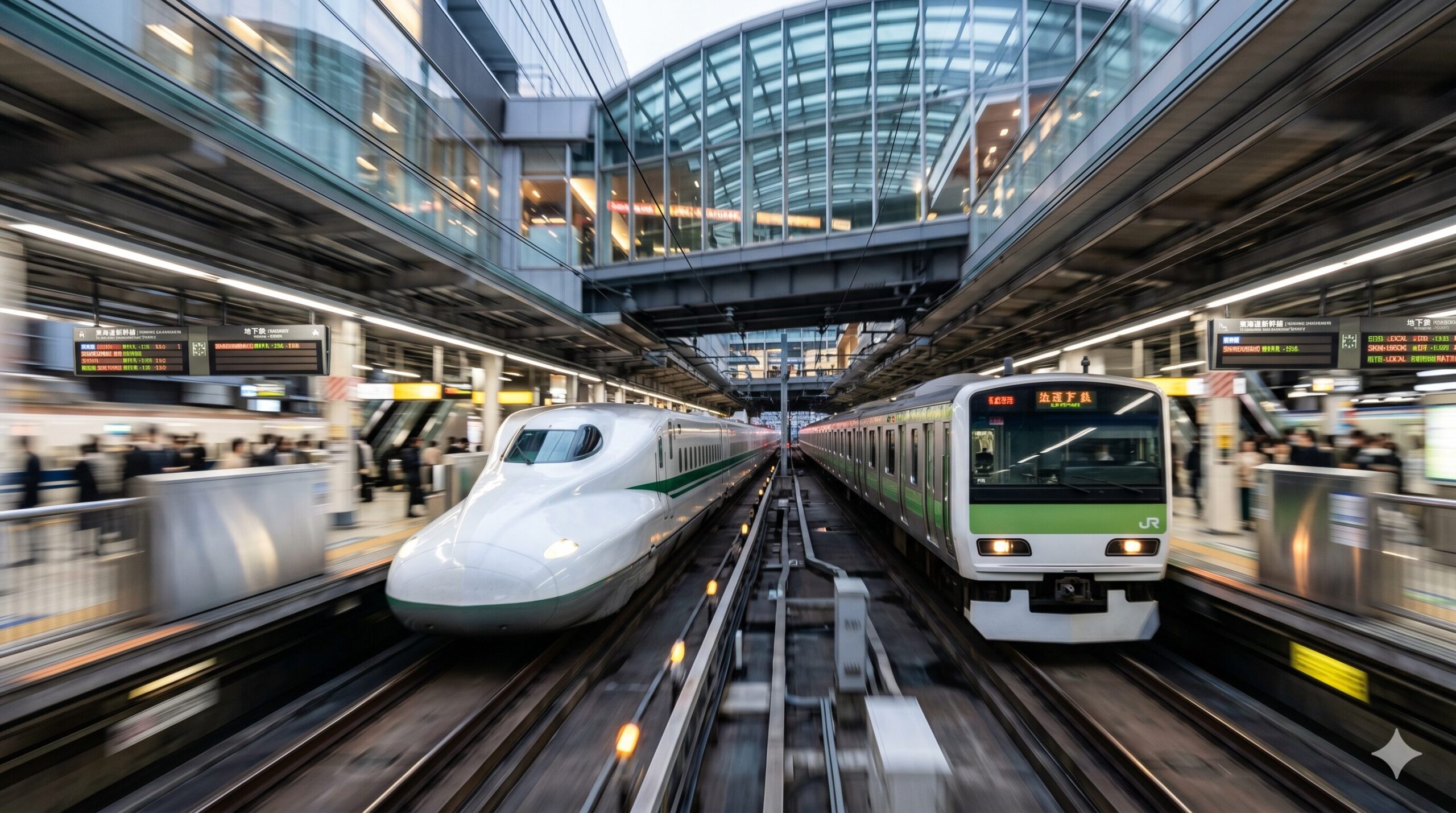
Eight experiences anchor every great Tokyo trip — each a world unto itself.
Sensoji Temple & Asakusa
Founded in 645 AD, Sensoji is Tokyo’s oldest and most visited temple — over 30 million visitors a year. The approach along Nakamise-dori (a 250m shopping street flanked by traditional craft stalls) is one of the most atmospheric walks in Asia. Arrive before 8am for near-silence; by 10am it’s busy. Don’t miss Asakusa’s backstreets: Hoppy Street for yakitori and beer, the giant red Kaminarimon lantern, and the view of Skytree framed between traditional rooftops. Admission to the main temple is free.
Shibuya Scramble Crossing & SHIBUYA SKY
The Shibuya Scramble is the world’s busiest pedestrian crossing — up to 3,000 people cross simultaneously at peak. Standing in the middle as the light changes is a quintessential Tokyo moment. For the overhead view, ride to SHIBUYA SKY (¥2,500 / ~$16) — a rooftop deck atop Shibuya Scramble Square with 360° open-air panoramas. Sunset is unbeatable. The surrounding area is also Tokyo’s premier shopping and nightlife district.
Meiji Shrine & Harajuku
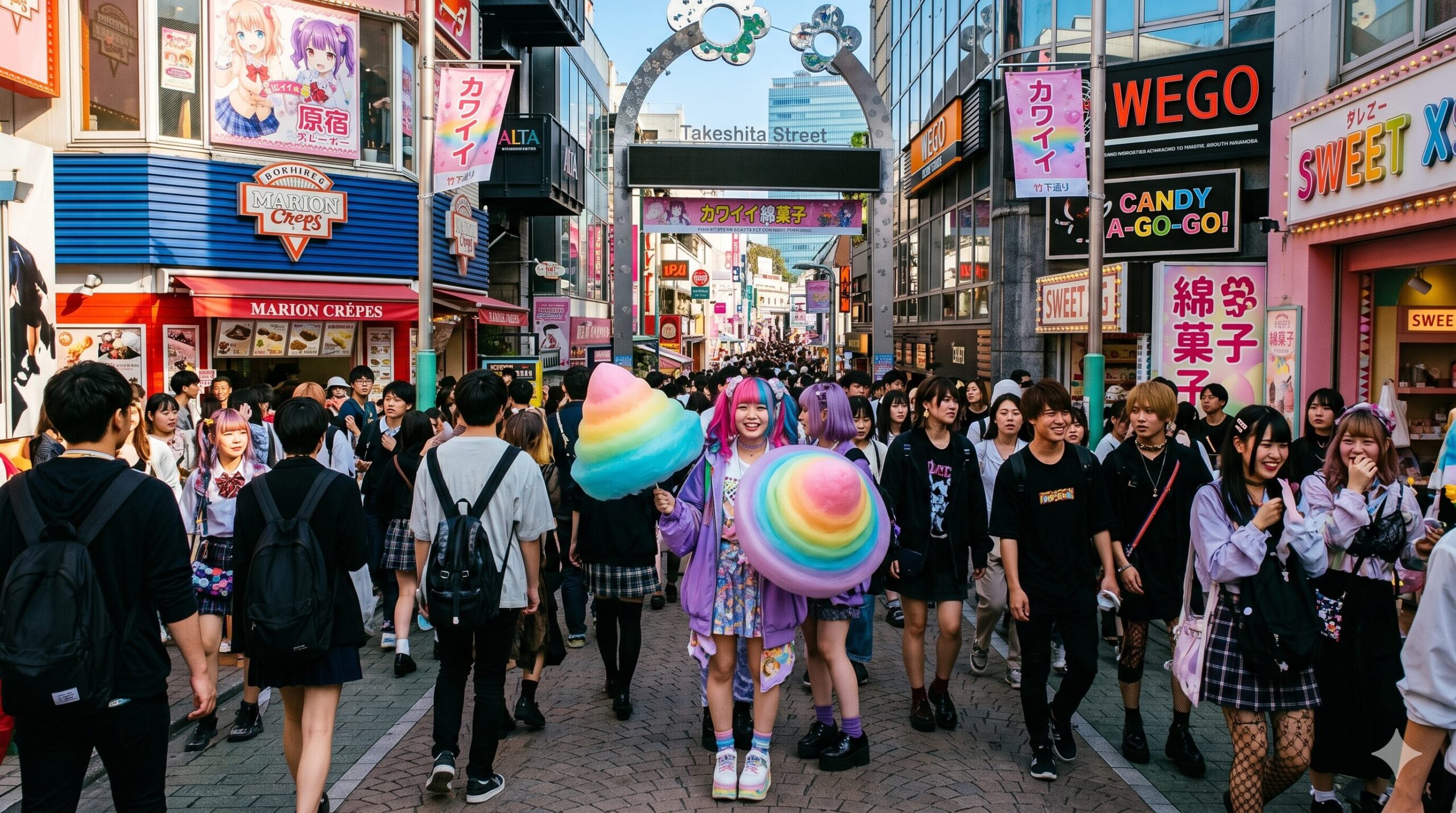
Meiji Shrine sits within a forested sanctuary planted with approximately 100,000 trees donated from across Japan at its founding — today a self-sustaining forest of around 36,000 trees — a profound contrast to the city outside. Walk the gravel path through the towering torii gate and feel the calm of the inner garden. Directly adjacent is Harajuku, Japan’s youth fashion capital. Takeshita Street is a riot of color — crêpe stands, pastel boutiques, kawaii culture at its most concentrated. Omotesando, minutes away, is its sophisticated counterpart: a tree-lined boulevard of designer flagships and excellent cafés.
teamLab Planets Toyosu
One of the world’s most celebrated immersive art installations. You wade barefoot through a shallow reflective pool, surrounded by projections that stretch toward infinity. Open through 2027 — tickets sell out weeks in advance, so book ahead. The sister venue, teamLab Borderless, reopened in Azabudai Hills in 2024 with a brand new spatial concept.
teamLab Planets Toyosu ticket — book in advance (sells out)
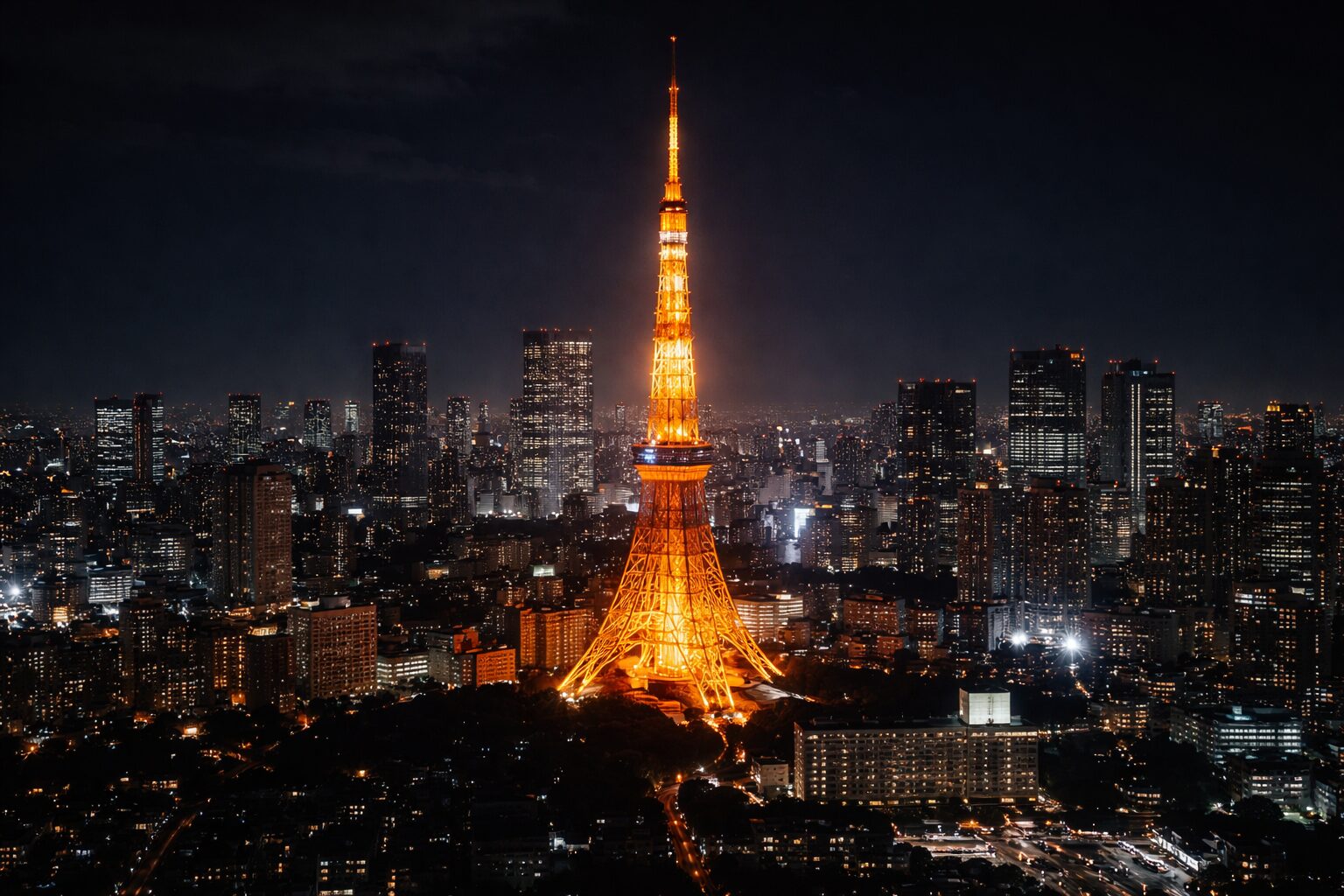
Tokyo Skytree vs. Tokyo Tower
| Feature | Tokyo Skytree | Tokyo Tower |
|---|---|---|
| Height | 634m (world’s tallest tower) | 333m (Eiffel-inspired) |
| Decks | 350m + 450m (Tembo Galleria) | 150m + 250m (Top Deck) |
| Ticket | ¥1,800 / ¥3,000 Day ticket (Deck / Deck+Galleria) Advance: ¥2,100 / ¥3,400 |
¥1,200 / ¥3,000 |
| Best For | Ultimate height, modern | Mt. Fuji views on clear days |
| Location | Asakusa side (Oshiage) | Minato (Shibakoen) |
Tsukiji Outer Market
The inner wholesale market relocated to Toyosu, but Tsukiji’s outer market remains one of Tokyo’s most vibrant food destinations. Dozens of stalls sell fresh seafood, tamagoyaki, fresh-grilled scallops, and premium tuna sashimi. Visit early (7–10am) when vendors are most active. It also makes a perfect launch point for a guided food tour.
Klook Pass Greater Tokyo — bundle Skytree, teamLab & more
Imperial Palace East Gardens & Nijubashi
The Imperial Palace sits at Tokyo’s geographic centre — a 1.15 km² fortress of moat, stone walls, and 900-year-old pines. The East Gardens are the only public area (free, open Tue–Sun), a serene walk through former Edo Castle grounds. Nijubashi, the iconic double stone-arch bridge at the main gate, is one of the most photographed spots in Japan. The surrounding plaza is also Tokyo’s premier cherry blossom location in late March.
Shinjuku & Kabukicho
Shinjuku is Tokyo’s neon heart — and Kabukicho is its brightest corner. Hotel Gracery’s rooftop Godzilla watches over a maze of izakayas, entertainment venues, and the legendary Golden Gai bar alley. Arrive after dark for the full effect — the illuminated street seen from above is one of the most iconic sights in Japan.
teamLab Planets sells out weeks ahead — book early
Authentic, small-group, English-guided
Cultural Experiences — Tea, Kimono & Local Tours
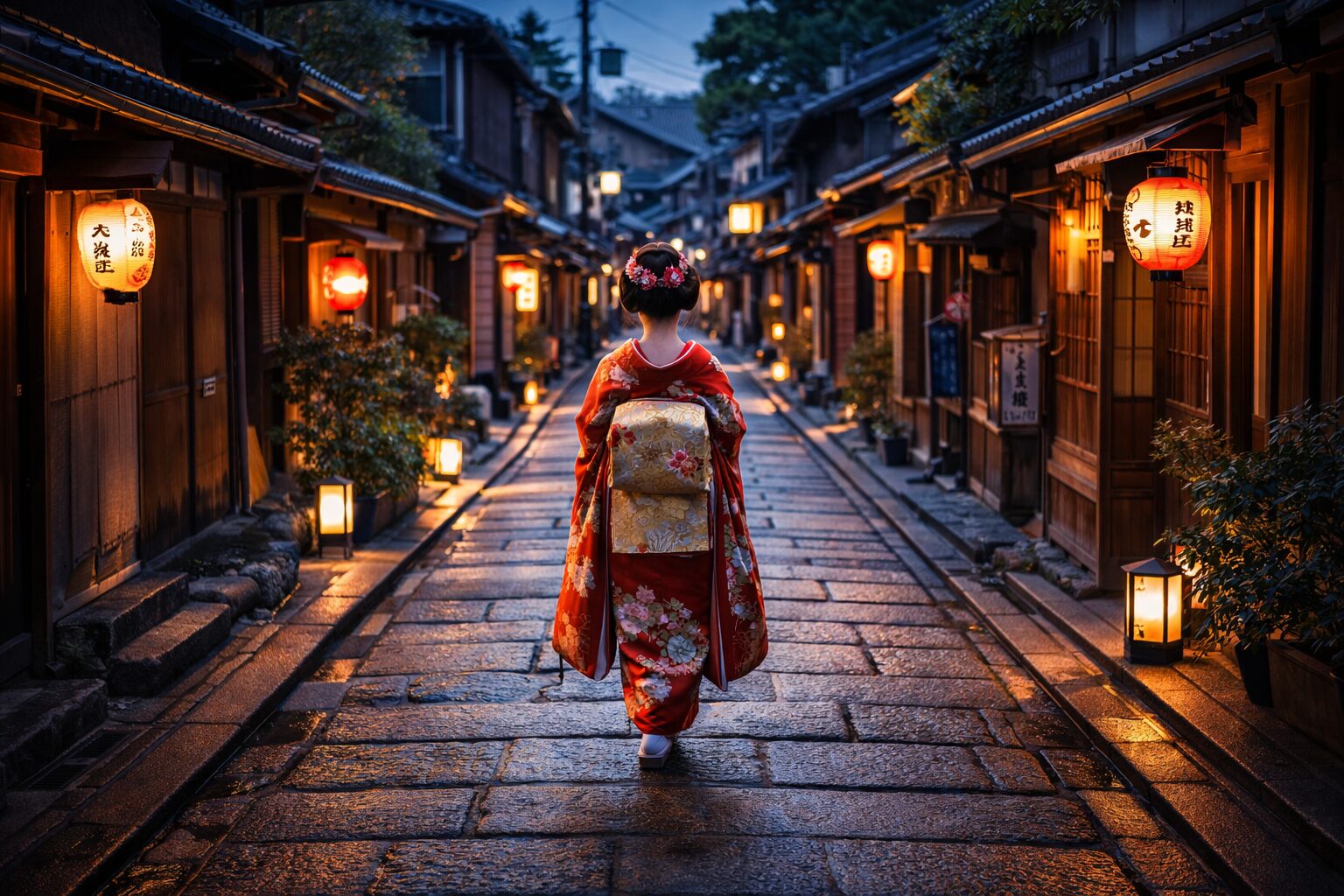
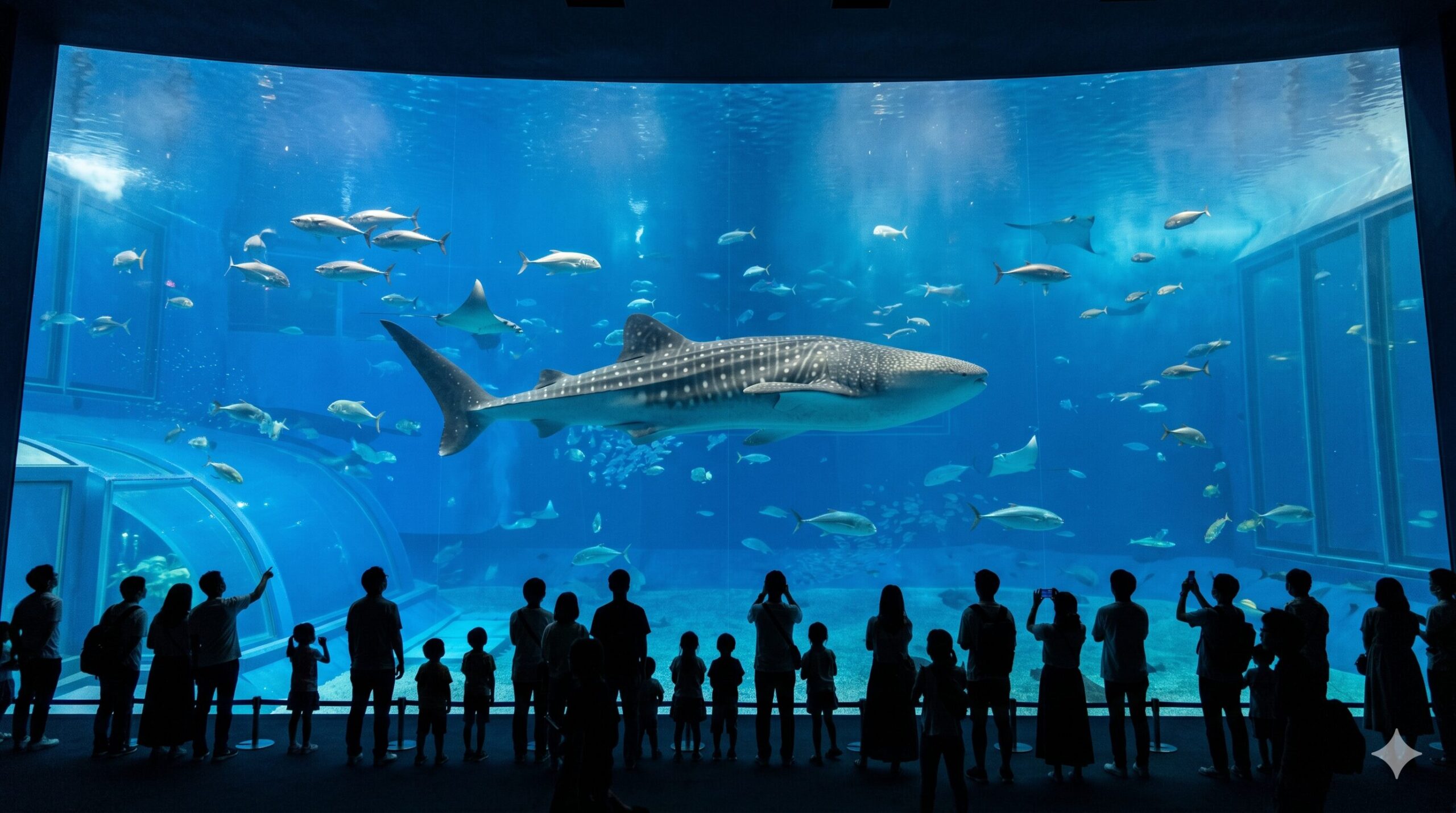
The headline sights cover Tokyo’s outer shell. These experiences take you inside it.
Kimono & Tea Ceremony in Asakusa
Dressing in a properly fitted kimono and participating in a traditional Japanese tea ceremony is among the most authentic ways to connect with Japanese culture. In Asakusa — Tokyo’s most traditional district — you slip into a kimono, stroll streets that have barely changed since the Edo period, and sit for a formal matcha tea ceremony with an English-speaking instructor. Photos are unforgettable.
Kimono + Tea Ceremony in Asakusa — Klook bestseller
Matcha Making with Wagashi Sweets
If formal tea ceremony feels too still, try a matcha-making class instead. You whisk your own bowl of matcha and pair it with traditional wagashi (Japanese sweets) made in front of you. The Asakusa location adds an old-Tokyo backdrop.
Asakusa Matcha & Mochi Sweets Experience — small group
Asakusa Cultural Walk — Local English Guide
For something deeper, MagicalTrip’s small-group Asakusa cultural walk pairs the temple visit with a hands-on matcha experience, all led by a local English-speaking guide. The reviews consistently rank it among the most-loved cultural tours in Tokyo.
Asakusa Cultural Walk & Matcha — small-group English tour
Sumo Wrestling — Practice or Tournament
Tokyo hosts three of the six annual Grand Sumo Tournaments — January, May, and September, each 15 days at Ryogoku Kokugikan. Outside tournament season, you can visit morning training (keiko) at a sumo stable with a guided tour and a chanko-nabe lunch.
Tokyo Sumo Practice Show with Chanko Hot Pot
Shibuya Scramble to Hidden Alleys — small-group walking tour
Street Go-Karting in Tokyo
Tokyo’s open-road go-kart tours are one of Japan’s most shared experiences — and for good reason. You drive a real kart through actual Tokyo traffic, weaving past Shibuya Scramble, Akihabara’s neon boulevards, or Tokyo Bay with Rainbow Bridge ahead. Costumes are optional but iconic: helmeted tourists dressed as game characters navigating real city streets have become a fixture of Tokyo street life. Tours run year-round (ponchos provided for rain). To drive, you must carry an International Driving Permit issued under the 1949 Geneva Convention (permits issued under the 1968 Vienna Convention are not accepted in Japan). The only exception is licence holders from Germany, France, Switzerland, Belgium, Monaco and Taiwan, who may drive with their home licence plus an official Japanese translation (e.g. from JAF). A home-country licence on its own is not enough.
Shibuya Street Go-Kart Tour — 5.0★, Harajuku & Omotesando route
Akihabara Street Go-Kart — Marunouchi & Ginza route
Michelin city, street food capital
Two ways to do culture in Tokyo. A booked experience runs on a fixed schedule and you just turn up. A private guide costs more, but the day is yours — temples, backstreets, a market, whatever you actually want to see.
Tokyo Food Guide — What to Eat & Where
Tokyo has more Michelin stars than any other city on Earth (over 200 starred restaurants) — yet street food and casual dining are equally celebrated. The right strategy: book one or two highlights in advance, then graze freely.
5 Foods You Cannot Skip
1. Sushi. Tokyo-style sushi (Edomae) is leaner and more restrained than the rolls found abroad — the emphasis is on fish quality and itamae (chef) skill. For top-tier, take a counter seat at a traditional Ginza or Tsukiji sushiya. For budget, kaiten-zushi (conveyor belt) chains deliver remarkable quality at $1–2 per piece.
2. Ramen. Shoyu (soy sauce) broth with wavy noodles is the classic Tokyo style. The city has specialists in every regional variant — rich Sapporo miso, Hakata tonkotsu, Kyoto chicken-based shio. Queue at the best shops for a $10–13 bowl that will change your understanding of noodle soup.
3. Tempura. Light, crisp, delicate — proper Tokyo tempura bears little resemblance to what you’ve had elsewhere. The secret: rice bran oil, ice-cold batter, very high heat. Asakusa’s century-old tempura houses serve multi-course lunches for $20–40.
4. Yakitori. Skewered grilled chicken — every part of the bird — cooked over charcoal with tare (sweet soy glaze) or shio (salt). Yakitori alleys like Yurakucho Gado-shita (under the train tracks near Ginza) are among Tokyo’s most atmospheric dining stretches.
5. Monjayaki. Tokyo’s lesser-known cousin of okonomiyaki — a runny, savory batter mixed with your choice of ingredients and cooked on an iron griddle at your table. Tsukishima’s “Monja Street” has been the spiritual home of monjayaki for generations. A perfect off-tourist-trail meal.
Food Tours by Neighborhood
| Tour | Dishes | Vibe |
|---|---|---|
| Shinjuku Night Food Tour | 15 dishes, 4 eateries | Neon back-alley izakayas |
| Shibuya Food Tour | 13 dishes, 4 eateries | Youth-culture nightlife |
| Asakusa Food Tour | 12 dishes, 3 drinks | Traditional old Tokyo |
Shibuya Food Tour — 13 dishes, English guide
Asakusa Food Tour — 12 dishes, 3 drinks, old Tokyo route
Shinjuku Food Tour — 15 dishes, 4 eateries, English guide
Fuji, Nikko, Hakone, Kamakura
Best Day Trips from Tokyo
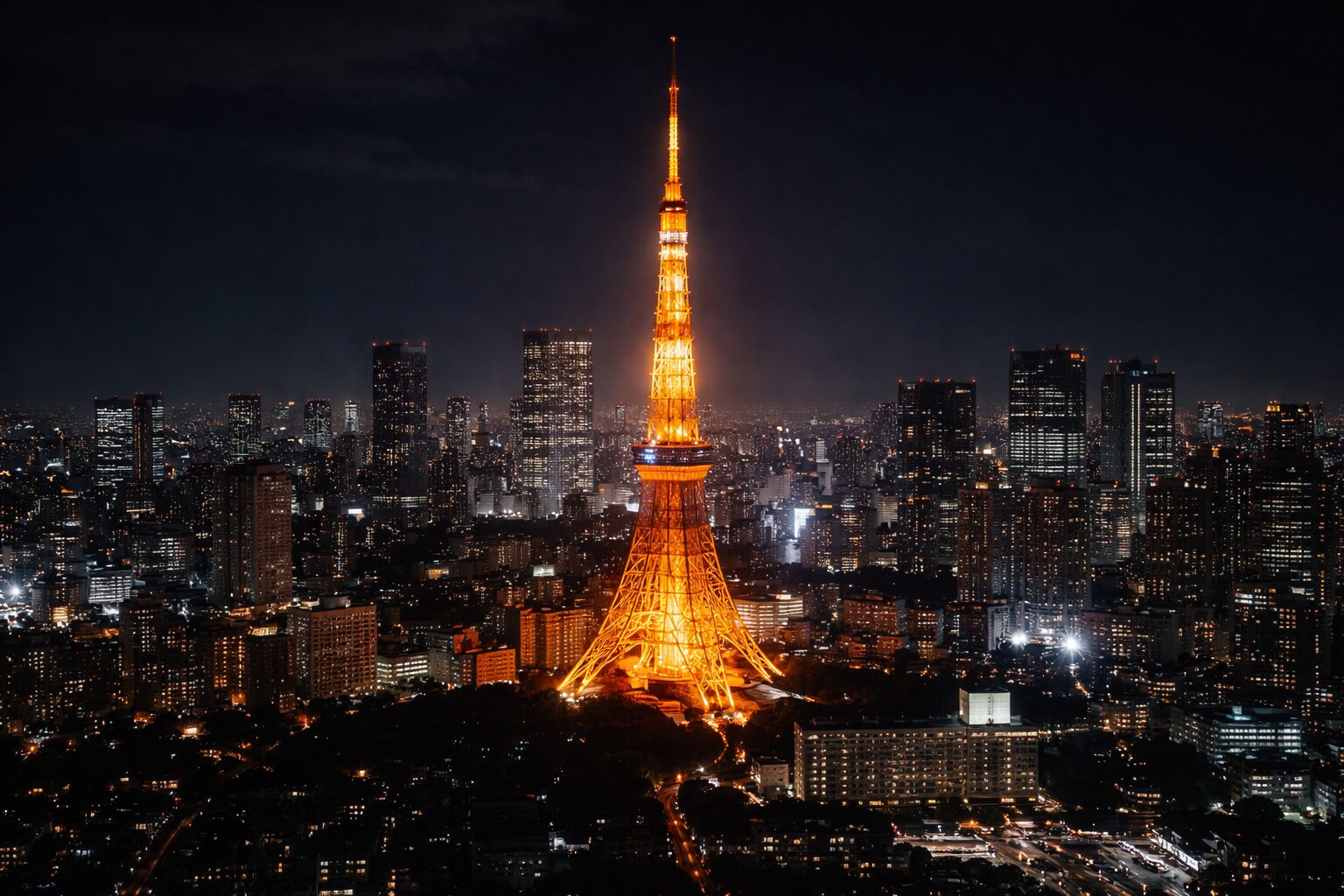
Tokyo sits at the center of one of Asia’s best day-trip networks. Four classics consistently top traveler favorites.
Mt. Fuji & Hakone — 1 Day
The iconic day trip. Most guided tours combine a Mt. Fuji 5th Station stop with Hakone’s Lake Ashi cruise and the Owakudani volcanic valley — returning to Tokyo by Shinkansen for added comfort. Book ahead; the best tours sell out in peak seasons.
Nikko — UNESCO World Heritage
Nikko’s Toshogu Shrine is one of Japan’s most ornate religious complexes, set in a forest of ancient cedar trees. The day trip pairs the shrine with Kegon Falls and Lake Chuzenji.
Nikko World Heritage Day Tour from Tokyo
Shirakawa-go & Kanazawa — Long Day
The fairy-tale gassho-zukuri farmhouses of Shirakawa-go combined with Kanazawa’s preserved samurai and geisha districts. A longer day but rewarded with two UNESCO-recognized cultural landscapes in one trip.
Shirakawa-go & Kanazawa Day Trip from Tokyo
Kamakura — DIY Day Trip
One hour from Tokyo by train, Kamakura is home to the Great Buddha (Daibutsu), several beautiful Zen temples, and a coastal walking trail. Easiest as a DIY trip: JR Yokosuka Line direct from Tokyo Station.
Mt. Fuji & Hakone Day Tour — return by Shinkansen
Best neighborhoods by travel style
100% Customizable Private Tours in and around Tokyo — Local Guide, Your Pace
Where to Stay in Tokyo
Tokyo is a city of neighborhoods — where you sleep changes the trip. Five bases cover most travel styles.
FIRST TIMER
MODERN VIBE
BEST VALUE
LUXURY
Browse Tokyo hotels — all budgets, instant confirmation
Airports, trains, IC cards, JR Pass
Getting To & Around Tokyo
Tokyo has two international airports and one of the world’s finest urban transit systems. The basics:
Airport Access
Narita (NRT) — 60–90 minutes from central Tokyo. Narita Express (¥3,070) goes direct to Shinjuku/Shibuya. Keisei Skyliner (¥2,580) is fastest to Ueno/Nippori. Limousine Bus (¥3,200) drops you at major hotels.
Haneda (HND) — 30–45 minutes. Tokyo Monorail and Keikyu Line both connect you to central Tokyo for ¥500–700. If you can choose, fly into Haneda.
IC Cards: Suica, PASMO & Welcome Suica
The easiest way to pay for all trains, subways, buses — and convenience stores and vending machines — is an IC card. Tap in, tap out, never figure out ticket prices. Welcome Suica is the tourist-specific version with no deposit, valid 28 days, available at airports.
Suica IC Card — pre-order, pick up at airport
Do You Need a JR Pass?
For Tokyo-only travel — no. The JR Pass covers JR lines (not Tokyo Metro), and an IC card will be cheaper. But if your trip includes Kyoto, Osaka, or beyond, a 7-day JR Pass pays for itself: a Tokyo–Kyoto–Osaka Shinkansen round trip alone exceeds the pass price.
JR Pass 7-Day — book online, pick up at airport
Narita / Haneda → Tokyo shared transfer — pre-book
Get online before your flight lands
Travel Essentials — WiFi, SIM & Money
Three essentials make the difference between a smooth Tokyo trip and a frustrating one — connectivity, cash, and a translation tool.
Get Online the Moment You Land
Tokyo has plenty of free WiFi in stations, but it’s slow, intermittent, and requires email registration each time. A pre-booked eSIM or rental WiFi router solves the problem before you leave home. Sakura Mobile is the go-to for travelers staying two weeks or more — unlimited data plans, English-speaking support, and reliable nationwide coverage. For shorter trips, Klook’s Japan eSIM activates by QR code the instant you land.
Cash, Cards & Translation
Tokyo is increasingly cashless — most chain stores, restaurants, and transport accept credit cards and IC cards. But carry ¥10,000–20,000 in cash for small izakayas, temples, and traditional shops. 7-Eleven and Japan Post ATMs accept foreign cards 24/7. Download Google Translate with the offline Japanese language pack before you fly — the camera function (point at Japanese text for instant translation) is invaluable.
Sakura Mobile eSIM — unlimited data, English support
Cherry blossoms, summer fireworks, autumn foliage
Seasonal Highlights in Tokyo
Tokyo’s calendar has four very distinct seasons — each unlocks experiences you can’t have in the others.
Spring (March–May)
Cherry blossoms peak late March to early April. Top hanami spots: Ueno Park, Shinjuku Gyoen, Chidorigafuchi (Imperial Palace moat), and the Meguro River illuminations at night. Book a Sumida River cherry blossom cruise for one of the most photographed views in Tokyo.
Tokyo Cherry Blossom Cruise — limited-date special
Summer (June–August)
Hot and humid, but festival season is unbeatable. Sumidagawa Fireworks (late July) draws over 1 million spectators. Bon Odori festivals fill the city’s parks. Cool refuge: indoor experiences like teamLab Planets and Edo-Tokyo Museum.
Autumn (October–November)
Tokyo’s secret-favorite season. Peak foliage hits mid-November to early December at Rikugien Garden, Koishikawa Korakuen, and Mt. Takao. Crowds are smaller than spring, weather is ideal (15–22°C), and Michelin restaurants showcase peak autumn menus.
Winter (December–February)
Cold but bright. Illuminations transform Marunouchi, Ebisu Garden Place, and Roppongi Hills into a sea of light. Tokyo Disneyland Christmas season is exceptional. Combine with day-trip skiing to Gala Yuzawa (90 min by Shinkansen, ski-in resort).
Browse Tokyo small-group tours & seasonal experiences
Shinjuku Gyoen Cherry Blossom Walk — entry included
Quick answers to the most-asked questions
Tokyo Travel FAQ
New to Japan? Read our First-Time in Japan starter guide
From planning to landing in 4 moves
Plan Your Tokyo Trip — Next Steps
-
-
Japan Transportation Guide 2026 — Trains, JR Pass & IC Cards
▶ Stage 2 — Getting Ready Japan Transportation Guide — Trains, JR Pass & IC Cards Explained jap …
続きを見る
-
-
First Time in Japan: The Ultimate 2026 Guide for First-Time Visitors
▶ Stage 1 — Planning First Time in Japan — The Ultimate 2026 Guide for First-Time Visitors Everythin …
続きを見る
Tokyo Tours & Experiences — Browse 500+ options via Viator