▶ Destination — Osaka
Things to Do in Osaka 2026 — Complete Travel Guide for First-Time Visitors
Things to do in Osaka — Japan’s most exciting big city in 2026. Dotonbori neon, Osaka Castle, Universal Studios Japan, and street food from $3 USD. Complete guide to neighborhoods, must-see sights, food, and day trips.
- Why Visit Osaka? Things to Do in Japan’s Most Exciting City
- Getting from Kansai Airport (KIX) to Osaka City
- Must-See Attractions in Osaka — Top 7 Spots
- Dotonbori & Shinsaibashi — The Neon Heart of Osaka
- Osaka Castle & Park — A Symbol of Toyotomi Power
- Universal Studios Japan — Super Nintendo World & Harry Potter
- Tsutenkaku & Shinsekai — Retro Osaka at Its Best
- Osaka Aquarium Kaiyukan — One of the World’s Finest
- Umeda Sky Building — 173 Meters of Night Views
- Kuromon Ichiba Market — “Osaka’s Kitchen” in Action
- Top Experiences & Cultural Activities in Osaka
- Osaka Food Guide — Eat Until You Drop
- Getting Around Osaka & Day Trips by Train
- Where to Stay in Osaka — Area Guide by Budget & Style
- FAQ — Things to Do in Osaka 2026
- Next Steps — Plan Your Osaka Trip
Why Visit Osaka? Things to Do in Japan’s Most Exciting City
Why Visit Osaka? Things to Do in Japan’s Most Exciting City
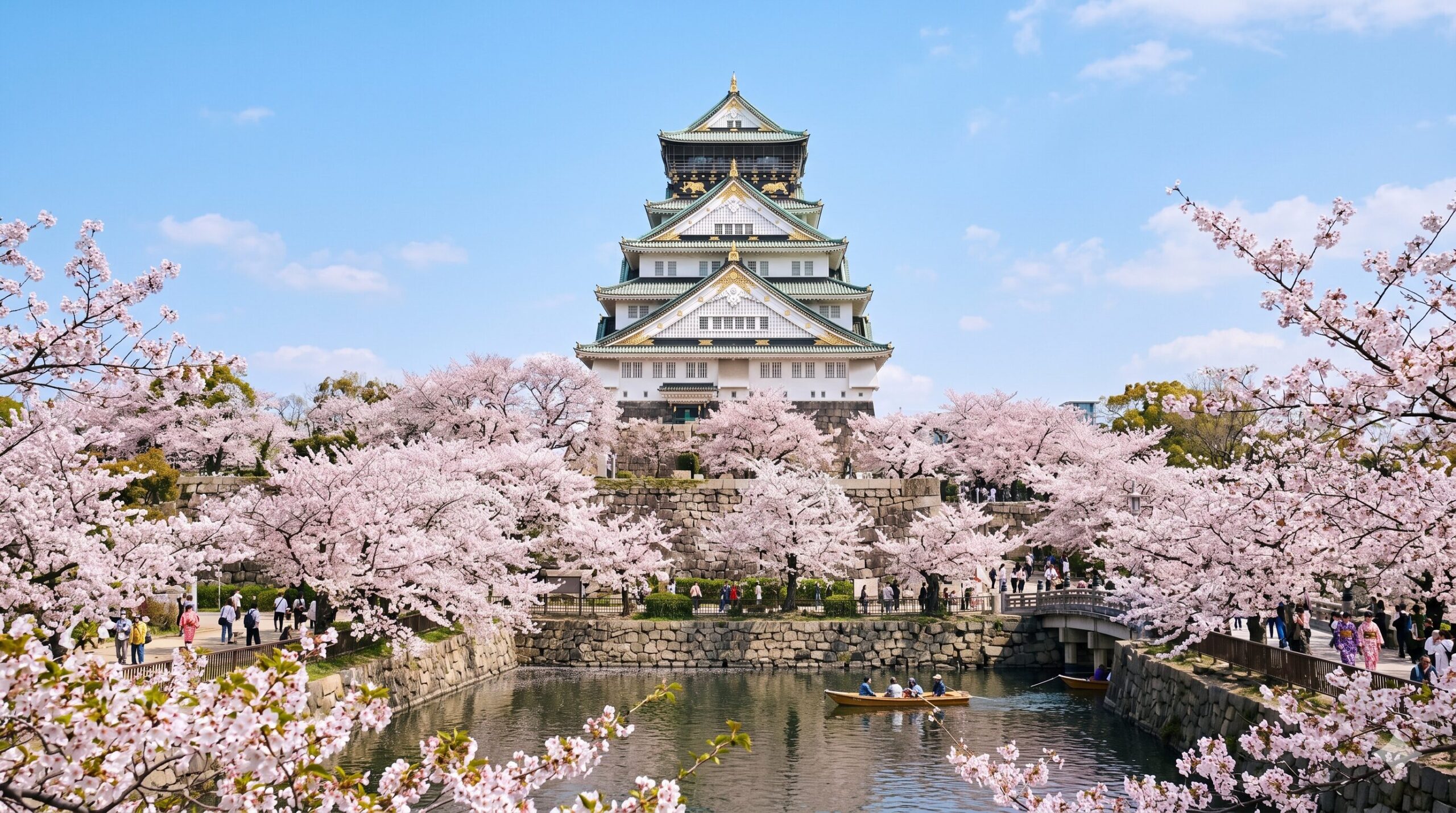
The best things to do in Osaka cover an extraordinary range — from the neon-lit chaos of Dotonbori to the historical grandeur of Osaka Castle to the immersive worlds of Universal Studios Japan. This is a city unlike anywhere else in Japan, where the food is legendary, the people are warm and wickedly funny, and the entertainment never stops. Known since the Edo era as “Tenka no Daidokoro” (the Nation’s Kitchen), Osaka has fed Japan’s emperors, merchants, and commoners for centuries. Today it feeds millions of international visitors who come seeking the most authentic, most delicious, and most affordable big-city experience in the country.
Osaka’s identity is shaped by its Kansai culture. Locals here are famously outgoing, quick with a joke, and deeply proud of their food. The social philosophy of kuidaore — “eat until you drop” — is not just a tourist slogan but a genuine way of life. Ask a local for a restaurant recommendation and they will likely take you there personally. This warmth permeates every corner of the city, from the chaotic neon of Dotonbori to the quiet backstreets of Tennoji.
Osaka’s Weak Yen Advantage in 2026
Osaka is Japan’s best-value major city — and in 2026, the weak yen makes it even more remarkable. Street food runs $3–8 USD. A Michelin-starred lunch? Under $50. A craft beer at a standing bar in Shinsekai? Around $4. Travelers coming from North America, Europe, or Australia will find their money goes 30–40% further than it did five years ago. This is not a budget destination that feels cheap — it is a world-class city with world-class food and experiences at genuinely accessible prices.
Best Times to Visit Osaka
Osaka rewards visitors in every season, but three periods stand out above all others:
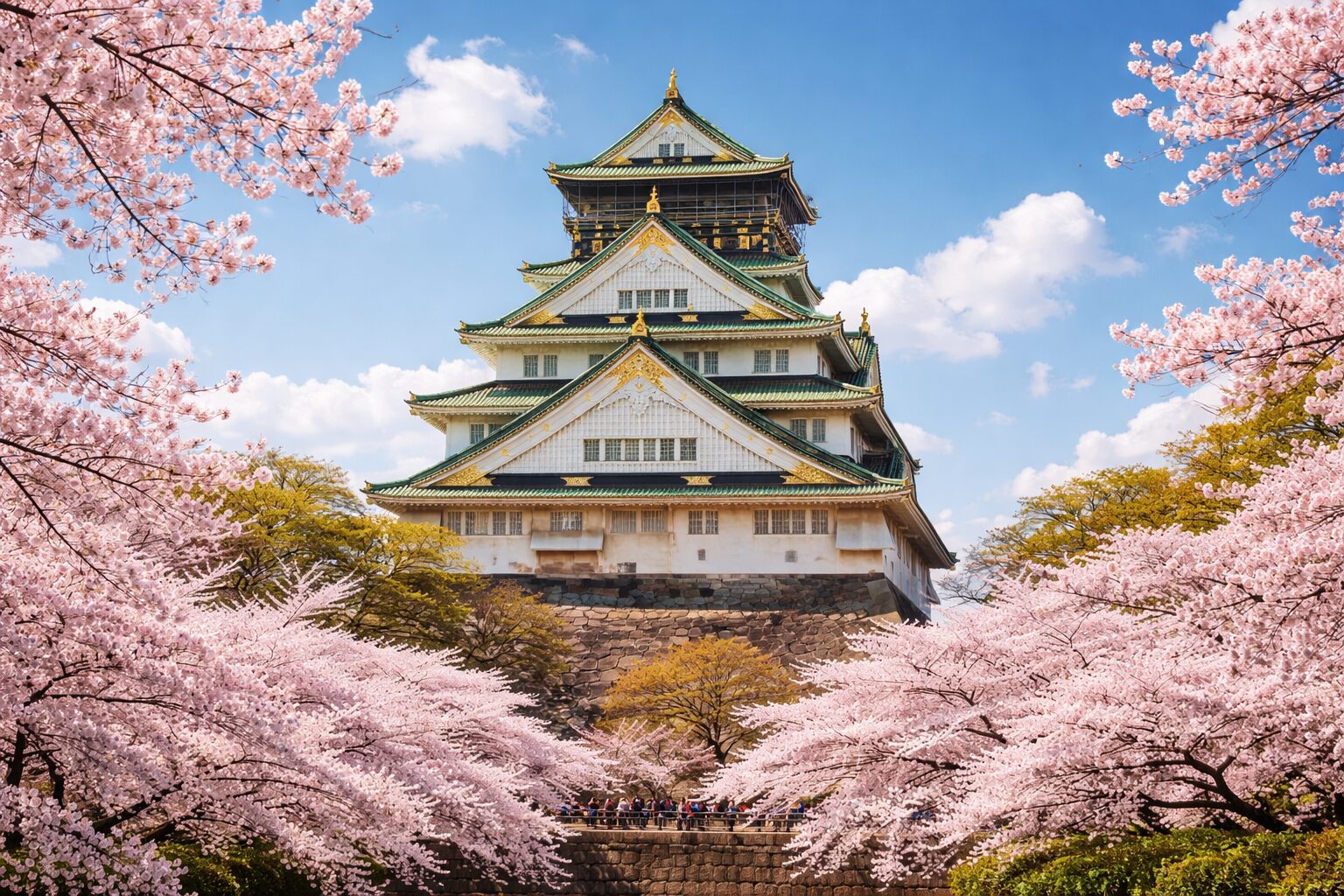
- Late March to early April (Cherry Blossom Season): Osaka Castle Park transforms into one of Japan’s most spectacular hanami spots. Book accommodation 2–3 months ahead.
- November (Autumn Foliage): The maple trees around Osaka Castle, Minoo Park, and Keitakuen Garden turn brilliant red and gold. Smaller crowds than spring, crisp clear weather.
- July–August (Festival Season): Hot and humid, but the Tenjin Matsuri (July 25) is one of Japan’s three great festivals — river processions, fireworks, and traditional performances.
Suggested 2–3 Day Osaka Itinerary
Day 1 — South Osaka (Namba / Dotonbori / Shinsekai): Arrive at Namba, check in, then walk to Dotonbori for dinner. Admire the Glico Running Man sign, try takoyaki from a street stall, then explore Shinsaibashi shopping arcade. Evening: Shinsekai for kushikatsu and a retro Tsutenkaku tower selfie.
Day 2 — Osaka Castle & Cultural Core: Morning visit Osaka Castle (arrive before 9am to beat crowds). Afternoon: Kuromon Ichiba Market for lunch snacks, then Kaiyukan Aquarium or Umeda Sky Building sunset. Evening: Kitashinchi for upscale dining or Dotonbori for an okonomiyaki dinner.
Day 3 — Universal Studios Japan (USJ): Dedicate a full day to USJ. Super Nintendo World is extraordinary — the interactive wristband experiences are unlike anything at other theme parks. Harry Potter’s Hogsmeade is best visited at opening time. Book tickets in advance through Klook to save time and often money.
Getting from Kansai Airport (KIX) to Osaka City
Getting from Kansai Airport (KIX) to Osaka City
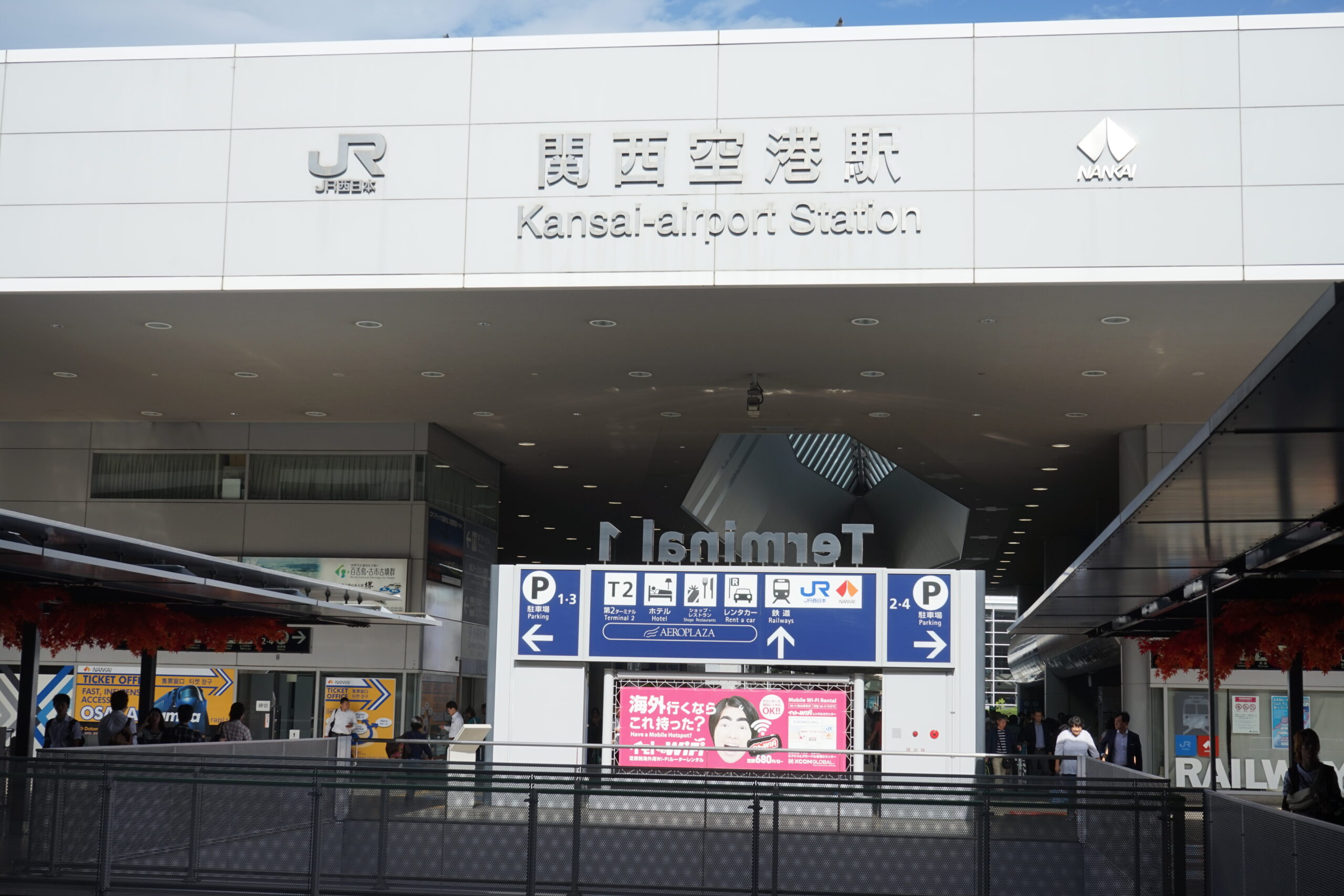
Kansai International Airport (KIX) is well connected to central Osaka by multiple train options. The right choice depends on where you are staying.
If you are continuing to Kyoto, the JR Haruka is the cleanest option — it connects KIX directly to Kyoto Station in 75 minutes. For most travelers staying in central Osaka, the Nankai Rapi:t to Namba is the fastest and most convenient.
-

-
Japan Airport Transfers 2026: Narita, Haneda & Kansai Complete Guide
▶ Stage 2 — Getting Ready Japan Airport Transfers 2026 — Narita, Haneda & Kansai Complete Guide …
続きを見る
MUST-HAVE
📶 Sakura Mobile — pickup at KIX for instant data on arrival
Must-See Attractions in Osaka — Top 7 Spots
Must-See Attractions in Osaka — Top 7 Spots
Osaka’s must-see attractions span centuries of history and cutting-edge entertainment. Here are the seven places that define the Osaka experience:
Dotonbori & Shinsaibashi — The Neon Heart of Osaka
No visit to Osaka is complete without standing on Ebisu Bridge and looking down the Dotonbori canal at the wall of neon signs, giant mechanical crabs, and blinking screens that make this stretch of river one of the most photographed scenes in Japan. The Glico Running Man sign has been an Osaka landmark since 1935 and remains the city’s most iconic image.
The streets around Dotonbori are a pilgrimage for food lovers. Takoyaki vendors line the alleys, and okonomiyaki restaurants pack in locals and tourists alike. The Shinsaibashi shopping arcade — covered and stretching for nearly a kilometer — connects Dotonbori to the upscale boutiques and international brands of Amerika-Mura. Whether you are shopping, eating, or simply people-watching, this area delivers Osaka at its most alive.
Osaka Castle & Park — A Symbol of Toyotomi Power
Osaka Castle was built in 1583 by Toyotomi Hideyoshi, the warlord who came closest to unifying feudal Japan. The reconstructed tenshu (main tower) stands 58 meters tall and houses an eight-floor museum chronicling Hideyoshi’s rise and the castle’s dramatic history. Admission is ¥600 — exceptional value for one of Japan’s most historically significant sites.
The surrounding castle park is a masterpiece of urban greenery. Cherry blossoms in spring, plum blossoms in February, and the golden moat reflections in autumn make this a year-round destination. The inner moat walls, made from enormous individually quarried stones, give a genuine sense of the engineering ambition behind the original construction.
Universal Studios Japan — Super Nintendo World & Harry Potter
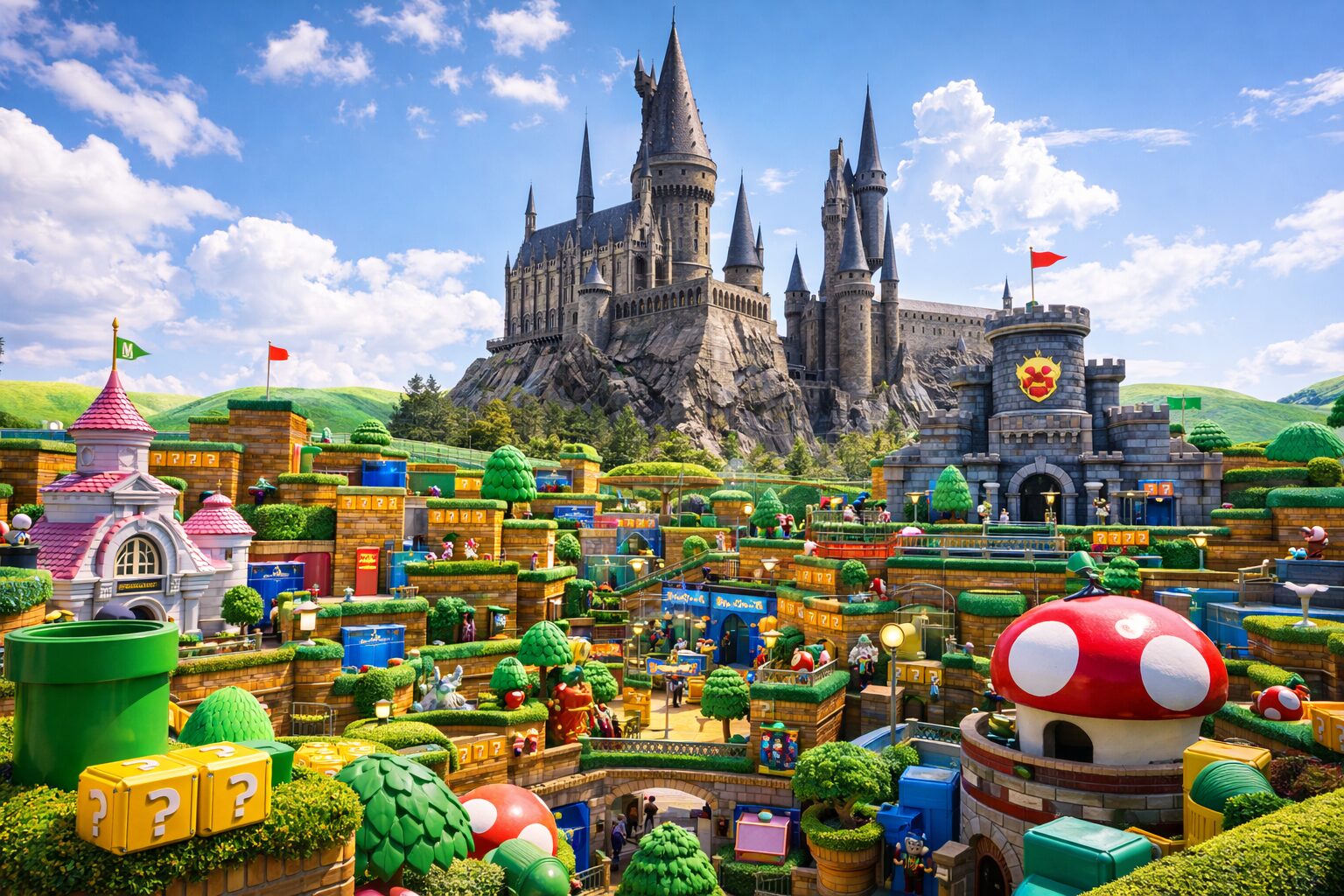
USJ is a genuine world-class theme park and arguably the most important reason many first-time visitors choose Osaka over other Japanese cities. Super Nintendo World is the flagship attraction — an immersive walk-through video game world where Mario, Bowser, and Princess Peach are life-size and interactive. The Mario Kart ride uses augmented reality headsets in a way that no other theme park attraction currently matches.
The Wizarding World of Harry Potter recreates Hogsmeade with meticulous detail. The three-broomsticks butterbeer is exactly as described in the books, and the castle ride remains one of the world’s great theme park experiences. Plan to spend a full day; queues for the major attractions run 60–90 minutes without Express Passes.
Tsutenkaku & Shinsekai — Retro Osaka at Its Best
Built in 1912 and rebuilt in 1956, the Tsutenkaku Tower stands 103 meters and was once the tallest structure in Asia. Today it anchors the Shinsekai neighborhood — a lovingly preserved slice of Showa-era Japan where time seems to have stopped around 1960. The shitamachi (old downtown) atmosphere is palpable: pachinko parlors, retro coffee shops, and most importantly, kushikatsu restaurants on every corner.
Kushikatsu — skewered, breaded, and deep-fried meat, seafood, and vegetables — was invented in Shinsekai and is the neighborhood’s defining dish. At ¥120–150 per skewer, you can feast royally for under ¥2,000. The iron rule of Shinsekai kushikatsu: no double-dipping in the communal sauce. Locals take this very seriously.
Osaka Aquarium Kaiyukan — One of the World’s Finest
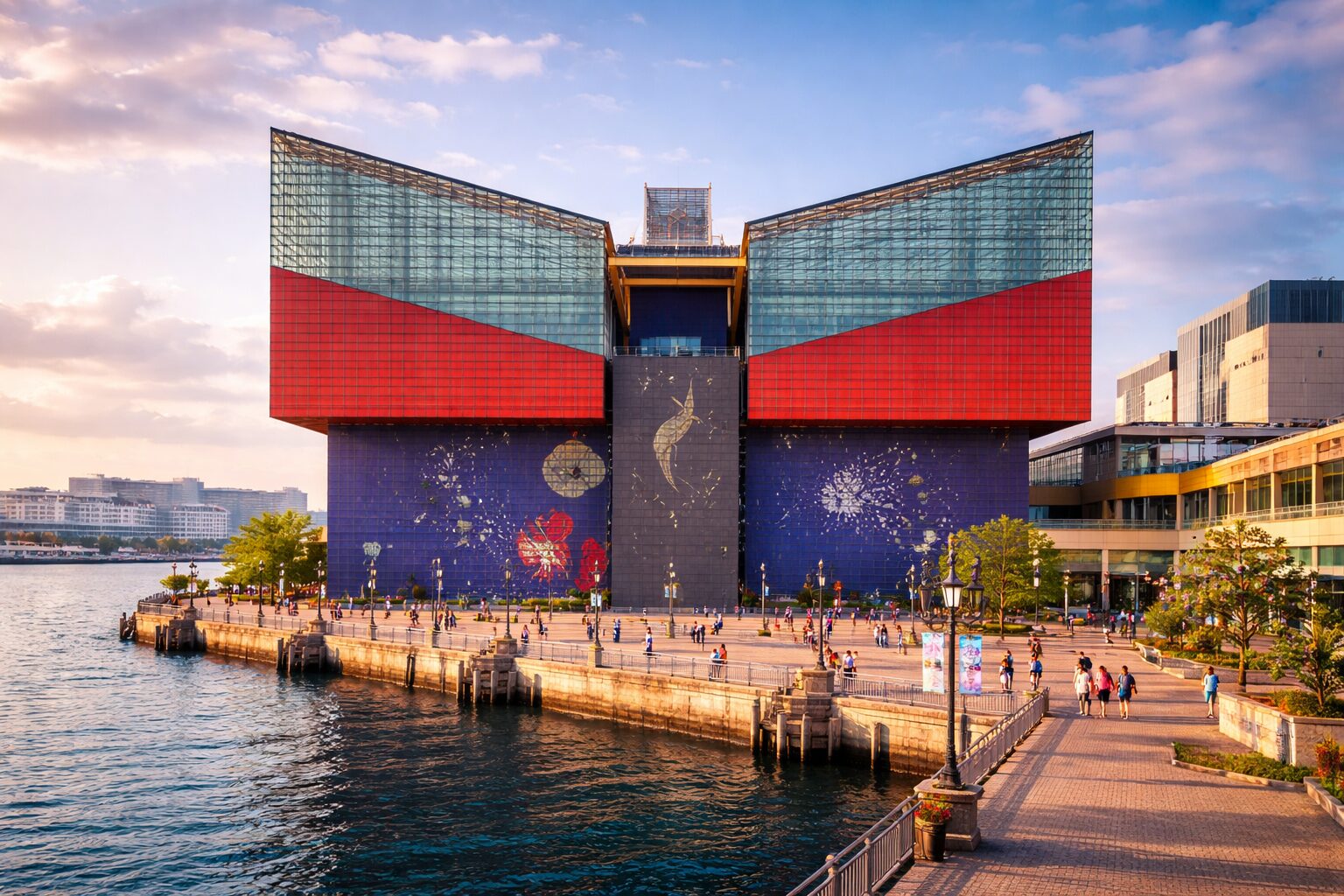
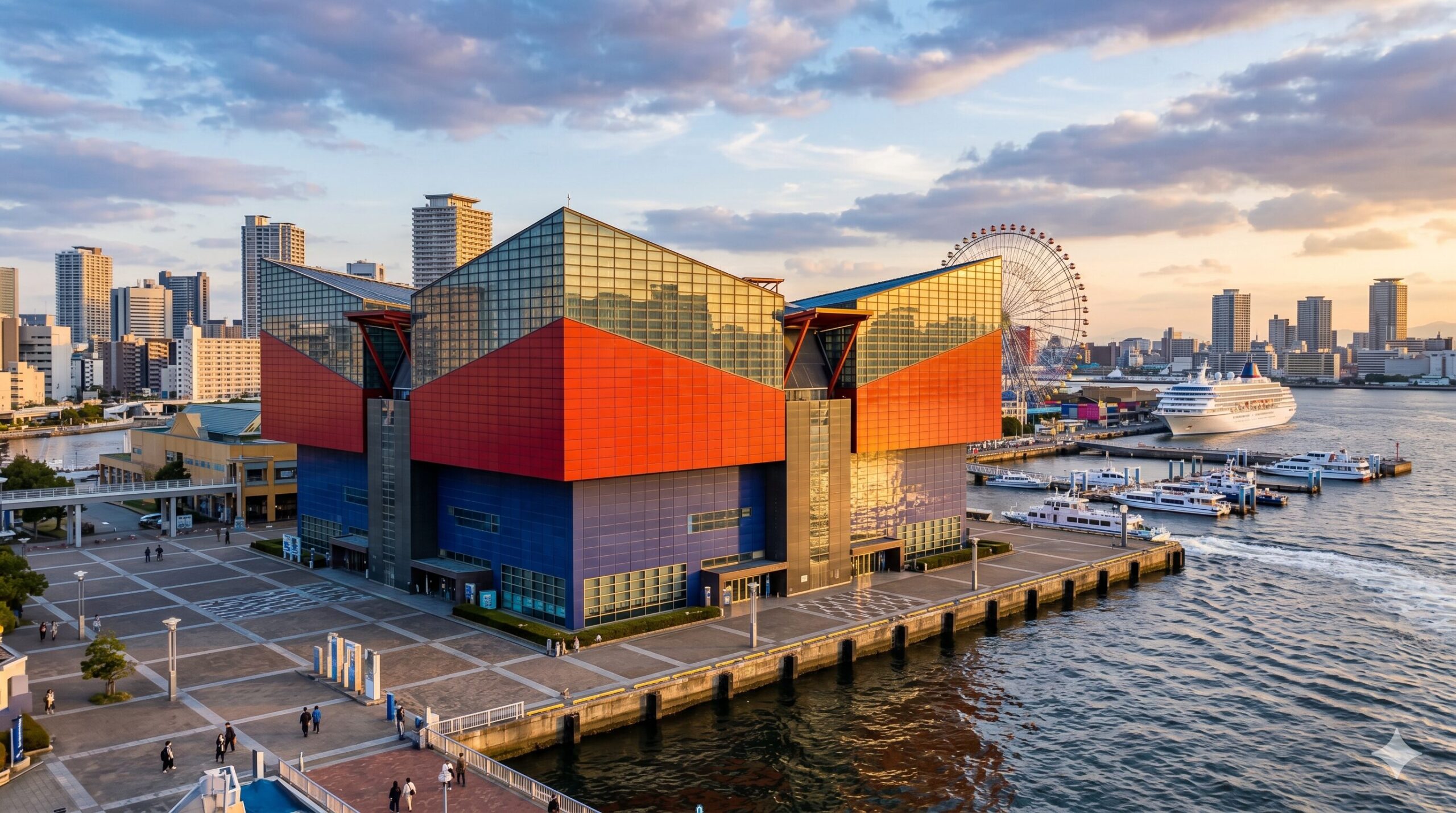
Consistently ranked among the top aquariums on earth, the Kaiyukan in the Tempozan Harbour Village is built around a spectacular central tank — 9 meters deep and 34 meters long — that houses whale sharks, rays, and thousands of fish. The experience spirals downward through multiple ocean zones from the Japanese Forest to the Pacific Ocean to the Antarctic. Allow 2–3 hours. Admission is ¥2,700 for adults.
Umeda Sky Building — 173 Meters of Night Views
The futuristic Umeda Sky Building in Kita features a “floating garden observatory” suspended between two towers at 173 meters. The open-air circular walkway at the top offers 360-degree views over Osaka and on clear days as far as Kobe and the Rokko mountains. The sunset views are especially spectacular. Entry is ¥1,500 for adults. The surrounding Nakazaki-cho neighborhood is a charming enclave of vintage cafes and independent boutiques worth exploring before or after.
Kuromon Ichiba Market — “Osaka’s Kitchen” in Action
The Kuromon Ichiba covered market has been feeding Osaka for over 190 years. Its 170+ stalls sell everything from live shellfish to wagyu beef to seasonal produce, and crucially, many vendors sell cooked-to-order food you can eat while walking. Fresh fugu sashimi, massive king crab legs, grilled scallops, and strawberries the size of small apples are among the regular highlights. The market is busiest in the morning and closes by early afternoon.
via GYG
Browse 1,000+ Osaka tours & experiences in one place
Top Experiences & Cultural Activities in Osaka
Top Experiences & Cultural Activities in Osaka
🍜 LOCAL FOODIE
Osaka Dotonbori & Shinsekai Food Tour — small-group English guide via MagicalTrip
Beyond the major landmarks, Osaka rewards travelers who go deeper. These experiences put you inside the city’s living culture rather than simply observing it from the outside.
Kimono Wearing & Tea Ceremony Near Osaka Castle
One of the most memorable Osaka experiences combines two distinctly Japanese traditions: wearing a kimono and participating in an authentic tea ceremony, both within walking distance of Osaka Castle. The Klook-bookable experience allows you to choose from dozens of kimono styles, have professional help dressing (the process alone is an education), then walk through the castle grounds looking as though you have stepped out of the Edo period. The tea ceremony component teaches the precise movements of chado (the way of tea) — the correct way to hold the bowl, the significance of each gesture, and the philosophy of ichi-go ichi-e (one time, one meeting) that underpins the ritual.
Dotonbori River Cruise
The 20-minute covered boat cruise along the Dotonbori canal offers a completely different perspective on the city’s famous neon strip. At night, the reflections of the illuminated signs on the water are extraordinary. Departures run frequently from the Dotonbori boat pier; evening departures book out fast on weekends.
Takoyaki-Making Class & Local Food Tours
Learning to make takoyaki is a hands-on cooking experience that connects you directly to Osaka’s food culture. The cast-iron molded pan, the technique of rotating the balls as they cook, the precise timing — it looks simple and is anything but. Local cooking schools near Dotonbori offer 90-minute sessions that include eating everything you make, which is always the best part.
Hanshin Tigers Baseball at Koshien Stadium
Koshien Stadium in nearby Nishinomiya is Japanese baseball’s most sacred ground — the venue of the national high school baseball championship and home of the Hanshin Tigers, Osaka’s beloved and perpetually dramatic professional team. A Tigers home game is a cultural event: the trumpet-led chants, the coordinated balloon releases, and the infectious passion of Kansai fans create an atmosphere unlike any other sporting event in Japan. Games run April through October; book tickets at the stadium box office or via convenience store terminals.
Doguya-suji Cooking Equipment Street
Known as “Osaka’s Cooking Equipment Street,” Doguya-suji Shotengai near Namba sells every conceivable piece of kitchen equipment — knives, cast iron pans, wooden bento boxes, ramen bowls, takoyaki irons, bamboo steamers — at prices far below what you’d pay at department stores. It is the best place in Japan to buy quality cooking equipment to take home.
🌐 MORE TOURS
Browse all Osaka tours & small-group experiences via Viator
via MagicalTrip
Osaka Namba Bar Hopping Night Tour — Small Group · English Guide
via Klook
🎎 Kimono + Authentic Tea Ceremony Near Osaka Castle
via GoWithGuide
Private Osaka Guide for a Full Day — Your Route, English-Speaking Local
Osaka Food Guide — Eat Until You Drop
Osaka Food Guide — Eat Until You Drop
Osaka’s food culture is not just an attraction — it is the reason the city exists in the form it does. The concept of kuidaore (eating until you drop) shapes everything from restaurant pricing to portion sizes to the sheer density of places to eat in any given neighborhood. Here are the seven dishes you must try and the neighborhoods where they shine brightest.
The 7 Must-Eat Foods of Osaka
1. Takoyaki
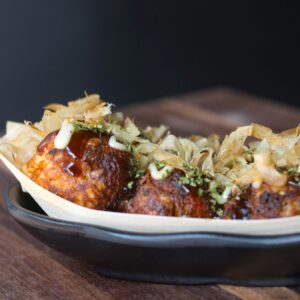
The defining Osaka street food — golf-ball-sized dumplings of batter with a piece of octopus inside, cooked in a special iron mold and served with takoyaki sauce, Japanese mayonnaise, bonito flakes, and aonori seaweed. The flakes wave in the steam as if dancing. Best eaten immediately from the paper tray, burning your fingers slightly. Look for vendors with long queues.
2. Okonomiyaki
The savory pancake that Osaka makes its own way — batter, cabbage, your choice of meat or seafood, eggs, and toppings (sauce, mayo, bonito, pickled ginger), cooked on a griddle at your table. Osaka-style (Kansai-style) differs from Hiroshima-style in that all ingredients are mixed together before cooking rather than layered. Rich, filling, and impossible to eat without making a mess.
3. Kushikatsu
Deep-fried skewers of everything imaginable — beef, pork, chicken, prawn, lotus root, asparagus, quail eggs, cheese — breaded and fried to golden perfection, dipped in a communal tangy Worcestershire-based sauce. The no-double-dipping rule is law in Shinsekai. Order by pointing at what you want; eat standing at the counter.
4. 551 Horai Pork Buns (Butaman)
The steamed pork buns from 551 Horai are so beloved in Osaka that locals returning from trips elsewhere bring them as souvenirs. The filling is juicy, slightly sweet, and generously porky. The queue at 551 Horai’s Namba branch moves fast despite always being long. The buns cool fast; eat them immediately.
5. Negiyaki
A variant of okonomiyaki where the batter is replaced almost entirely by chopped green onions (negi), bound with egg and a small amount of flour. The result is lighter, more intensely onion-forward, and beloved by locals who consider it the more sophisticated sibling of the standard pancake. Best found at specialist negiyaki restaurants in Namba and Shinsaibashi.
6. Fugu — Winter Only
Osaka is Japan’s center of fugu cuisine. The blowfish, whose organs contain a potentially lethal toxin (tetrodotoxin), must by law be prepared by specially licensed chefs. The flesh itself is entirely safe and is served as wafer-thin sashimi (tessa), in hotpot (tecchiri), or deep fried (karaage). The flavor is delicate, almost neutral, with a unique firm texture. Available October through March; expect to pay ¥5,000–15,000 for a full fugu course.
7. Kitsune Udon
Osaka claims the invention of kitsune udon — thick wheat noodles in a light dashi broth topped with a large, sweet piece of deep-fried tofu (aburaage). The name means “fox udon” because foxes are mythologically associated with the tofu offering. The Osaka version uses softer noodles and a lighter, sweeter broth than versions found in Tokyo. Find it at any traditional udon restaurant; the best are often hidden in covered shopping arcades.
Where to Eat in Osaka — Neighborhood Guide
Dotonbori
The tourist epicenter is also genuinely excellent for food. Yes, there are tourist traps, but the competition is so fierce that even the busiest restaurants maintain quality. Walk one block back from the canal into the side streets for the best value — hole-in-the-wall kushikatsu bars, standing ramen shops, and tiny izakayas where the beer is cold and the food is homemade.
Shinsekai
The birthplace of kushikatsu. Every restaurant here is essentially identical in concept but subtly different in execution. The giveaway for quality: busy with locals at lunchtime, not just tourists at dinner.
Kuromon Ichiba Market
Morning eating in the market — grilled scallops still bubbling in their shells, fresh uni on rice, crab legs cracked open to eat standing — is one of Osaka’s great simple pleasures. Arrive before 10am for the best selection and fewest crowds.
Kitashinchi
Osaka’s upscale entertainment and dining district, just north of Umeda. The density of Michelin-starred restaurants per block rivals anywhere in Japan. Lunch menus at starred restaurants regularly run ¥3,000–8,000 — extraordinary value for food of this caliber. Book ahead online or via the restaurant’s website.
Tsuruhashi Korea Town
The largest Korea Town in Japan, built around Tsuruhashi Market — a covered maze of stalls selling Korean BBQ meats, kimchi, Korean cosmetics, and traditional clothing. The yakiniku restaurants here are outstanding and significantly cheaper than equivalents in Namba.
Osaka Food Budget Guide
| Meal | What to Expect | Budget (USD) |
|---|---|---|
| Breakfast | Convenience store, kissaten coffee shop, or market | $5–10 |
| Dotonbori Lunch | Ramen, udon set, or casual okonomiyaki | $8–15 |
| Izakaya Dinner | Multiple small plates + 2-3 drinks | $20–50 |
| Michelin Lunch | Starred restaurant lunch course menu | $40–100 |
via GYG
Osaka Ramen & Gyoza Cooking Class in Dotonbori — hands-on with locals
Getting Around Osaka & Day Trips by Train
Getting Around Osaka & Day Trips by Train
Osaka has one of Asia’s most efficient public transport networks, and the city’s central location in the Kansai region makes it the perfect base for day trips. Understanding the key lines and intercity connections will save you time and money throughout your trip.
Getting Around Osaka City
The Midosuji Line (red line) is your primary tool — it runs the length of the city from Umeda in the north to Namba in the center and Tennoji in the south, hitting nearly every tourist area en route. The JR Loop Line (Osaka Kanjo Line) circles the city and is ideal for reaching Osaka Castle, Tsuruhashi, and USJ (transfer at Nishikujo to the Yumesaki Line). Osaka Metro and JR passes are available for unlimited-ride convenience; IC cards (ICOCA or Suica) work seamlessly on both networks.
Day Trips from Osaka by Train
Kyoto
MUST DO
Kobe
EASY
Nara
FAMILY
Hiroshima
JR PASS
100% Customizable Private Tours in and around Osaka — Local Guide, Your Pace
Is the JR Pass Worth It from Osaka?
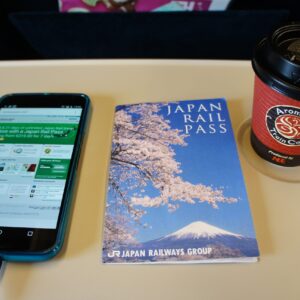
A 7-day JR Pass covers the Shinkansen between Osaka, Kyoto, Kobe, Hiroshima, and beyond — as well as the Haruka airport express. If your trip includes multiple Shinkansen journeys (such as adding Tokyo or Hiroshima) or you plan to visit several Kansai cities, the pass pays for itself quickly. For travelers staying only in Osaka with one day trip to Kyoto, individual tickets are cheaper.
-
-
Japan Rail Pass 2026 — Is It Worth It? Complete Guide
▶ Stage 2 — Getting Ready Japan Rail Pass 2026 — Complete Guide to Prices, Types & Buying The J …
続きを見る
via Klook
🚄 JR West Kansai Pass — covers Osaka, Kyoto, Nara & Hiroshima
Where to Stay in Osaka — Area Guide by Budget & Style
Where to Stay in Osaka — Area Guide by Budget & Style
Osaka’s neighborhoods each have a distinct personality, and where you stay shapes your entire experience. Here is a clear breakdown of the main accommodation zones:
Namba & Dotonbori — Best for First-Timers
Staying in Namba puts you at the center of everything: Dotonbori’s neon, Shinsaibashi shopping, and instant access to the Midosuji Line for the rest of the city. Budget hotels and guesthouses start around $50/night; mid-range hotels run $80–130. The area is loud and alive until 2am — light sleepers should request upper-floor rooms away from the canal.
Umeda (Kita) — Best for Business & Shoppers
Osaka’s main business district and shopping hub, built around the labyrinthine underground malls of Umeda and Daimaru/Hankyu department stores. Hotels here ($60–150) tend to be larger chain properties with good corporate amenities. Excellent transport: JR, Hankyu, Hanshin, and subway lines converge here.
Shinsaibashi — Best Mid-Range Option
Centrally located between Namba and Umeda, Shinsaibashi offers a slightly quieter base than Dotonbori with easy access to both. Hotels typically run $50–120/night. The Amerika-Mura area has excellent independent cafes and vintage shopping within walking distance.
Tennoji & Abeno — Best Budget Option
The Tennoji area around Abeno Harukas (Japan’s second-tallest building) offers the best value accommodation in central Osaka at $40–90/night. The Shitennoji temple and Tennoji Zoo are walkable, and the Midosuji Line connects you to Namba in 10 minutes. The area is gentrifying rapidly and has excellent local eating options.
Universal City — Best for USJ Visitors
Hotels adjacent to the USJ theme park run $120–300/night — premium prices justified only if you are visiting the park on consecutive days or need the convenience of the official hotel early-entry privileges. The on-site Hotel Universal Port is worth comparing against equivalent prices in Namba (15 minutes away by JR).
-
-
Where to Stay in Japan 2026 — Hotels, Ryokan & Budget Guide
▶ Stage 2 — Getting Ready Where to Stay in Japan 2026 — Hotels, Ryokan & Budget Guide Where to s …
続きを見る
via Klook
🏨 Compare Osaka Hotels — Namba, Umeda, Shinsaibashi & USJ on Klook
FAQ — Things to Do in Osaka 2026
FAQ — Things to Do in Osaka 2026
Next Steps — Plan Your Osaka Trip
Next Steps — Plan Your Osaka Trip
-
-
Best Places to Visit in Japan 2026 | Go Japan Now
▶ Stage 4 — Go Deeper Best Places to Visit in Japan 2026 — Complete Destination Guide Best places to …
続きを見る