- Cultural Experiences in Japan — Planning Your Visit
- Why Cultural Experiences in Japan Define Your Trip
- Digital Art — teamLab Planets & Borderless
- Kimono & Tea Ceremony — The Classics Done Right
- Food Experiences — Ramen, Sushi, Street Food
- Seasonal Events — Sakura, Autumn, Matsuri
- Day Trip Experiences from Tokyo / Kyoto / Osaka
- How to Book Cultural Experiences — Klook vs GetYourGuide
- FAQ — Cultural Experiences in Japan
Cultural Experiences in Japan — Planning Your Visit
Cultural experiences in Japan are unlike anything else in the world. From the moment you don your first kimono to the quiet ritual of a traditional tea ceremony, cultural experiences in Japan transform a sightseeing trip into a lifelong memory. First-time visitors and seasoned travelers alike agree: cultural experiences in Japan should be at the top of every itinerary.
The best cultural experiences in Japan blend ancient tradition with modern innovation. TeamLab's immersive digital art installations sit alongside 400-year-old castle grounds and UNESCO World Heritage temples. Whether you seek spiritual cultural experiences in Japan at a Zen Buddhist temple, or contemporary cultural experiences in Japan at cutting-edge galleries in Tokyo, there is something profound waiting for every traveler.
Book your cultural experiences in Japan early — popular workshops sell out weeks in advance. Discover the full range of cultural experiences in Japan and reserve your spot today.
Cultural Experiences in Japan 2026 — Art, Kimono, teamLab & Food
teamLab, kimono ceremonies, ramen tours, and matsuri festivals — your guide to Japan's most unforgettable cultural experiences.
Get Started →
② Getting Ready
③ Experiences ← You Are Here
④ Go Deeper
Why Cultural Experiences in Japan Define Your Trip
Japan is one of the easiest countries in the world to travel on the surface — trains run on time, convenience stores solve every problem, and the cities are visually stunning. But the travelers who say Japan changed them aren't talking about the subway. They're talking about the moment a ryokan host served them tea in silence, or the first time they stood inside a teamLab installation and felt like they'd walked into a living painting.
Cultural experiences in Japan close the gap between tourist and participant. They give you something to carry home that photos can't capture. This guide focuses on the experiences that consistently generate those moments — curated, bookable, and built around 2026 availability.
📌 Quick tip: Japan's most popular experiences — teamLab, kimono tea ceremony, and major festival events — sell out weeks in advance, especially during cherry blossom (March–April) and autumn foliage (October–November) seasons. Book before you fly.
-
-
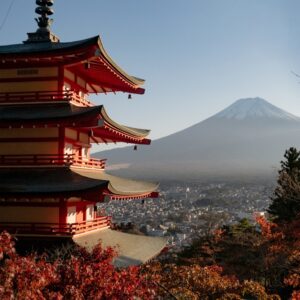
First Time in Japan: The Ultimate 2026 Guide for First-Time Visitors
▶ Stage 1 — Planning First Time in Japan — The Ultimate 2026 Guide for First-Time Visitors Everythin ...
続きを見る
Digital Art — teamLab Planets & Borderless
teamLab has redefined what a museum can be. These aren't exhibitions you look at — you walk through them, and they respond to your presence. Water ripples under your feet. Light blooms follow you through dark corridors. Flowers grow and decay in real time projected across every surface.
For many visitors, teamLab is the single most impressive cultural experience in Japan. It appeals equally to families, couples, solo travelers, and people who don't normally visit museums.
teamLab Planets TOKYO (Toyosu)
The "barefoot" museum. You enter pools of shallow water and walk through rooms where the line between floor, ceiling, and digital projection disappears. Smaller and more intimate than Borderless — visitors consistently call it more emotionally powerful. Plan 60–90 minutes.
teamLab Borderless (Azabudai Hills, Tokyo)
The flagship. Sixty+ interconnected rooms spread across a massive space where artworks "escape" their rooms and merge with others. The Azabudai Hills venue (opened late 2024) is significantly larger and more ambitious than the original Odaiba location. Plan 2–3 hours.
teamLab Biovortex (Kyoto)
For travelers in the Kansai region, this Kyoto installation offers a quieter, more contemplative experience — ideal for those combining cultural art with temple visits.
Planets vs Borderless? Planets = intense, intimate, shorter visit (60–90 min). Borderless = sprawling, explorable, plan 2–3 hours. Both sell out — book both if your dates allow, ideally on different days.
Kimono & Tea Ceremony — The Classics Done Right
Kimono rental and tea ceremony are Japan's most-requested cultural experiences — and when done well, they're genuinely moving rather than tourist checkboxes. The key is choosing the right location and operator.
Asakusa (Tokyo) — Kimono + Traditional Tea Ceremony
Asakusa is the best backdrop in Tokyo for kimono. The cobblestone streets around Senso-ji Temple, the Nakamise shopping street, and the Sumida River create a setting that feels historically coherent. This experience includes kimono dressing, professional styling, and a guided tea ceremony with a traditional tatami setting.
Kyoto — MAIKOYA Kimono Experience
If Asakusa is Tokyo's best option, Kyoto is Japan's. The Higashiyama district, Fushimi Inari, and Gion provide backdrops that no other city comes close to. MAIKOYA Kyoto is consistently top-rated with multilingual staff and flexible booking.
Osaka — Kimono + Tea Ceremony near Osaka Castle
The Osaka Castle grounds offer a dramatic setting that surprises many visitors who expect Kyoto-level history. This experience pairs kimono rental with a tea ceremony in a traditional space within walking distance of the castle.
💡 Tip: Book your kimono experience for the morning — you'll want free time in the afternoon to wander the neighborhood in your outfit before the return deadline (usually 5–6pm). Weekends book out 1–2 weeks ahead during peak seasons.
Sakura Mobile eSIM — activate before your flight
Food Experiences — Ramen, Sushi, Street Food
Japan's food culture is UNESCO-recognized for a reason. Washoku — traditional Japanese cuisine — isn't just about what's on the plate. It's about seasonality, presentation, and the relationship between cook and ingredient that's been refined over centuries. For travelers, the best entry points let you participate rather than just consume.
Ramen — Regional Styles Worth Tracking Down
| Style | Region | Flavor Profile |
|---|---|---|
| Hakata Tonkotsu | Fukuoka | Rich, creamy pork bone broth |
| Tokyo Shoyu | Tokyo | Clear soy-based, lighter but deep |
| Sapporo Miso | Hokkaido | Bold, hearty, warming in winter |
| Kyoto Shio | Kyoto | Delicate salt-based, subtle umami |
Sushi & Sashimi — Where to Eat
Tokyo's Tsukiji Outer Market (still operating for retail) and the newer Toyosu Market offer some of the freshest market-side sushi in the world. For sit-down omakase (chef's choice tasting menus), budget ¥8,000–¥30,000+ depending on tier. Conveyor-belt (kaitenzushi) chains like Sushiro and Hamazushi offer excellent quality at ¥100–¥200 per plate — genuinely impressive value.
Street Food You Shouldn't Miss
- Takoyaki (Osaka) — octopus balls, crispy outside, molten inside
- Okonomiyaki — savory pancake; Osaka-style vs Hiroshima-style are completely different dishes
- Yakitori — grilled skewers best eaten at a standing izakaya with cold beer
- Taiyaki — fish-shaped sweet pastry filled with red bean or custard
Food Tours — Let a Guide Do the Work
If you have one day in Osaka and want to eat everything without the guesswork, a guided food tour is the highest-ROI way to spend it. Local guides navigate the back alleys of Dotonbori and Kuromon Market, translating menus and ordering things that don't appear on English-language apps.
Tokyo Food Tour — 15 Dishes, 4 Eateries, Local Guide Included
-
-
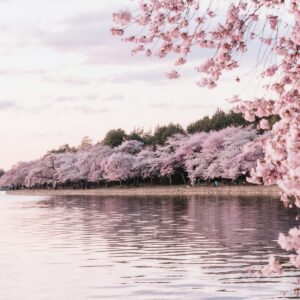
Japan festivals 2026: Complete Seasonal Guide to Cherry Blossoms, Matsuri & Koyo
▶ Stage 3 — Experiences Japan festivals 2026: Complete Seasonal Guide to Cherry Blossoms, Matsuri &a ...
続きを見る
Seasonal Events — Sakura, Autumn, Matsuri
Japan's cultural calendar is one of its most underrated travel assets. Every season has something that locals look forward to all year — and which turns an ordinary neighborhood into something extraordinary for a few weeks.
Cherry Blossom (Sakura) — Late March to Mid-April
The most famous season. Parks like Shinjuku Gyoen (Tokyo), Maruyama Park (Kyoto), and Osaka Castle become canopied in pink for 1–2 weeks. Hanami (flower-viewing picnics) happen everywhere. Book accommodation 3–4 months ahead — this is Japan's busiest travel window.
Autumn Foliage (Koyo) — October to November
Many long-term Japan travelers prefer autumn over spring. The red and gold foliage at Nikko, Kyoto's Arashiyama, and Hokkaido's national parks is arguably more dramatic than cherry blossoms. Crowds exist but are more manageable than sakura season.
Summer Festivals (Matsuri) — July to August
Local matsuri happen across Japan throughout summer. The largest — Gion Matsuri (Kyoto, July), Awa Odori (Tokushima, August), Nebuta Matsuri (Aomori, August) — draw hundreds of thousands of visitors. Yukata (casual summer kimono) are worn by locals and tourists alike.
Winter Illuminations — November to February
Japan's winter light displays are world-class. Nabana no Sato (Mie Prefecture), Ashikaga Flower Park (Tochigi), and Shinjuku's Keyakizaka illuminations consistently rank among Asia's best winter events.
Cherry Blossom Cruise Tokyo — Limited Dates, Meal Included
-
-
Japan festivals 2026: Complete Seasonal Guide to Cherry Blossoms, Matsuri & Koyo
▶ Stage 3 — Experiences Japan festivals 2026: Complete Seasonal Guide to Cherry Blossoms, Matsuri &a ...
続きを見る
Day Trip Experiences from Tokyo / Kyoto / Osaka
One of Japan's great logistical advantages is that its cities are close together and its rail network is exceptional. You can base yourself in one city and reach dramatically different landscapes and cultural environments within 1–2 hours.
Day Trips from Tokyo
| Destination | Travel Time | Best For |
|---|---|---|
| Nikko | ~2 hrs | Ornate shrines, waterfalls, autumn leaves |
| Kamakura | ~1 hr | Great Buddha, coastal temples, hiking |
| Hakone | ~1.5 hrs | Mt. Fuji views, onsen, open-air museum |
| Yokohama | ~30 min | Chinatown, waterfront, Cup Noodles Museum |
Day Trips from Kyoto / Osaka
| Destination | Travel Time | Best For |
|---|---|---|
| Nara | ~45 min | Free-roaming deer, Todai-ji temple |
| Hiroshima / Miyajima | ~1.5 hrs | Peace Memorial, floating torii gate |
| Kobe | ~30 min | Kobe beef, Arima Onsen, Kitano district |
| Himeji | ~30–50 min | Japan's finest original castle |
Mt. Fuji & Hakone Day Tour from Tokyo — Return by Bullet Train
-
-
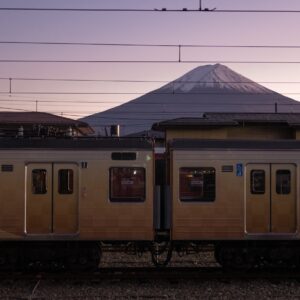
Japan Transportation Guide 2026 — Trains, JR Pass & IC Cards
▶ Stage 2 — Getting Ready Japan Transportation Guide — Trains, JR Pass & IC Cards Explained japan tr ...
続きを見る
How to Book Cultural Experiences — Klook vs GetYourGuide
For travelers booking cultural experiences in Japan from overseas, two platforms dominate: Klook and GetYourGuide. Both are reliable, both offer English-language support, and both allow mobile ticket redemption.
| Feature | Klook | GetYourGuide |
|---|---|---|
| Japan inventory | ⭐⭐⭐⭐⭐ Largest | ⭐⭐⭐⭐ Strong |
| teamLab tickets | ✅ Available | ⚠️ Limited |
| Kimono experiences | ✅ Multiple operators | ✅ Multiple operators |
| Day tours | ✅ Extensive | ✅ Extensive |
| Mobile redemption | ✅ QR code | ✅ QR code |
For most Japan experiences, Klook has the wider inventory and better pricing on Asia-specific activities. GetYourGuide shines for guided tours, food experiences, and day trips with English-speaking guides.
FAQ — Cultural Experiences in Japan
Common questions about booking and enjoying cultural experiences in Japan in 2026.
What are the best cultural experiences in Japan for first-time visitors?
teamLab digital art museums, kimono & tea ceremony experiences in Asakusa or Kyoto, and a guided street food tour in Osaka are the top picks for first-timers. All can be booked easily via Klook.
How much does a kimono and tea ceremony experience cost in Japan?
A combined kimono rental and tea ceremony typically costs between ¥3,500–¥8,000 per person depending on the location and package. Asakusa (Tokyo), Kyoto, and Osaka all have highly rated options bookable on Klook.
Is teamLab worth booking in advance?
Yes — teamLab Planets and Borderless sell out weeks in advance, especially on weekends and during cherry blossom and autumn foliage seasons. Book tickets via Klook to guarantee entry.
What is the Klook Pass Greater Tokyo and is it worth it?
The Klook Pass Greater Tokyo bundles top attraction tickets (teamLab, Senso-ji experiences, etc.) at up to 48% off individual prices. For travelers planning 3+ activities in Tokyo, it usually pays for itself.
Can I do a day trip cultural experience from Tokyo or Osaka?
Absolutely. From Tokyo, Nikko and Kamakura offer temples and nature within 1–2 hours. From Osaka, Nara (deer park + Todai-ji) and Hiroshima are accessible as full-day trips.
Which Japan season is best for cultural experiences?
Every season has something exceptional: cherry blossoms in spring (March–April), matsuri festivals in summer (July–August), dramatic koyo foliage in autumn (October–November), and world-class illuminations in winter. Avoid peak sakura and Golden Week (late April–early May) if you prefer smaller crowds.
▶ Stage 1 — Planning First Time in Japan — The Ultimate 2026 Guide for First-Time Visitors Everythin ... 続きを見る ▶ Stage 2 — Getting Ready Japan Transportation Guide — Trains, JR Pass & IC Cards Explained japan tr ... 続きを見る
First Time in Japan: The Ultimate 2026 Guide for First-Time Visitors
Japan Transportation Guide 2026 — Trains, JR Pass & IC Cards