Japan festivals 2026: Complete Seasonal Guide to Cherry Blossoms, Matsuri & Koyo

▶ Stage 3 — Experiences

Japan festivals 2026: Complete Seasonal Guide to Cherry Blossoms, Matsuri & Koyo

Plan your Japan festivals 2026 trip with confidence — cherry blossom forecast dates, the Big Three summer matsuri, autumn foliage peaks, and winter illuminations. Every season decoded with booking tips, transport hacks, and Klook-verified experiences.

Jump to Cherry Blossoms →

📅 8 min read · ✓ Updated 2026 · EN · 中文 · 한국어 · 日本語

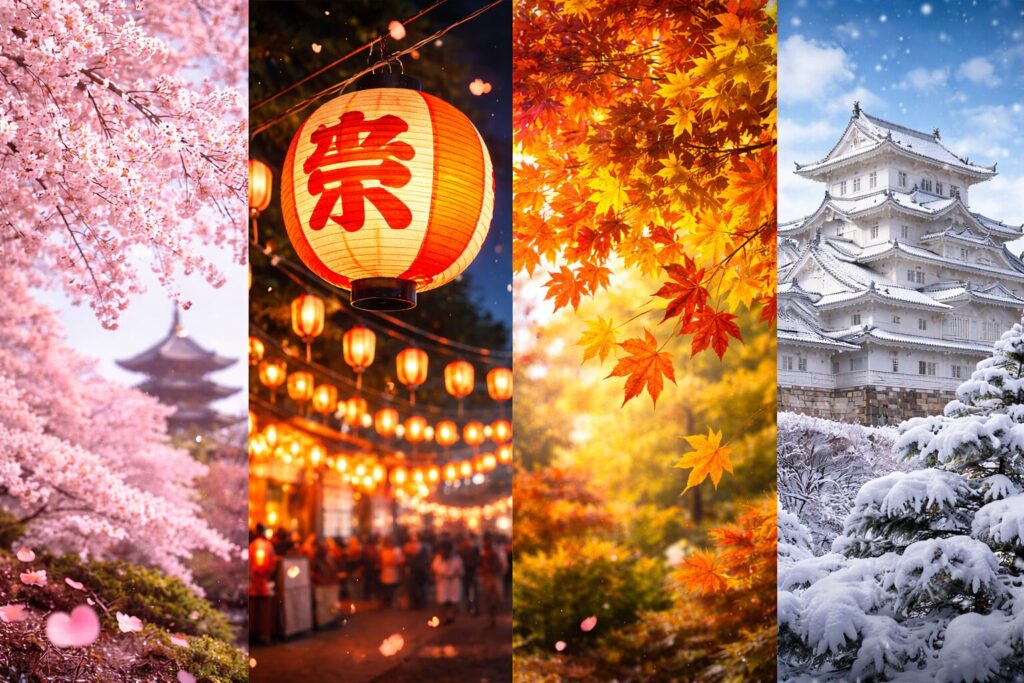
Japan festivals 2026 happen on a tighter calendar than most travelers realize. Cherry blossoms last 7–10 days. Gion Matsuri's main parade is one day. Autumn foliage shifts week by week. This guide breaks down each season's must-see events with exact dates, top spots, and the booking moves that protect your trip from sold-out shinkansen, full ryokans, and missed peak bloom.

MUST-HAVE
Festival WiFi essential — Sakura Mobile delivers data even in crowded matsuri zones

Get eSIM →

Why Timing Your Japan Festivals 2026 Trip Matters

01
Why Timing Your Japan Festivals 2026 Trip MattersSame place, four entirely different countries

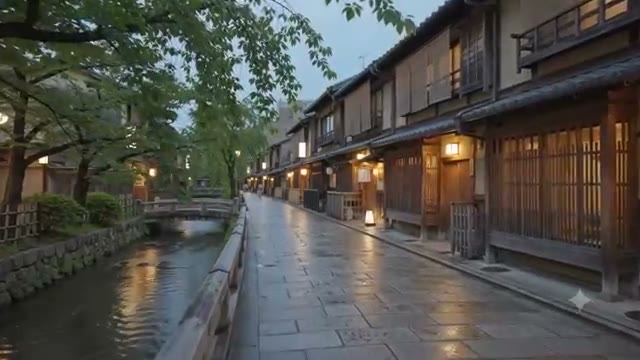
Japan doesn't just change seasons — it transforms. The same street in Kyoto looks completely different in April than in November. The same Tokyo temple hosts wildly different energy during a summer matsuri versus a quiet winter morning. Knowing when to go means the difference between catching the cherry blossom peak and missing it by a week, or between standing room at Gion Matsuri's main float parade and a perfect spot on Shijo-dori.

Beyond scenery, Japan's calendar is packed with festivals (matsuri) that date back centuries. These aren't tourist performances — they're living traditions that locals participate in year after year. Joining them, even as a visitor, gives you access to a Japan most people never see. The catch: most major festivals have fixed dates that don't move for tourism convenience, so your itinerary needs to bend around them, not the other way around.

Japan's Four Seasons at a Glance

🌸 Spring (Mar–May)PEAK SEASON
HighlightCherry blossoms, hanami
Peak datesMar 25 – Apr 10
Crowds⚠️ Extreme (Golden Week)
Weather10–18°C, mild
Book ahead4–6 months
☀️ Summer (Jun–Aug)MATSURI
HighlightBig Three matsuri, hanabi
Peak datesJul 17 (Gion), Aug 12–15 (Awa)
Crowds⚠️ Heavy + 32°C+
Weather28–35°C, humid
Book ahead3–4 months
🍁 Autumn (Sep–Nov)KOYO
HighlightFoliage, harvest festivals
Peak datesNov 15 – Dec 5 (Kyoto)
Crowds⚠️ Extreme in Kyoto
Weather10–20°C, dry
Book ahead4–6 months
❄️ Winter (Dec–Feb)BEST VALUE
HighlightIlluminations, snow, Shogatsu
Peak datesDec 23 – Jan 3
Crowds✅ Quieter (except NYE)
Weather0–10°C, dry
Book ahead2–3 months
Who this guide is for:

  • First-time Japan travelers timing their trip around a specific season
  • Returning visitors who want to target a specific matsuri or foliage peak
  • Photographers and culture-focused travelers maximizing seasonal experiences
  • Couples and families balancing iconic events with crowd avoidance
START HERE
New to Japan? Read our First-Time guide before locking your dates

Read Guide →

Spring in Japan 2026 — Cherry Blossom Festivals & Hanami

02
🌸 Spring in Japan 2026 — Cherry Blossom Festivals & HanamiMarch–May · The most photographed season

Spring is Japan's signature season. The cherry blossom (sakura) front sweeps northward from late March through early May, turning parks, riversides, and castle grounds into pink clouds. Peak bloom typically lasts just 7–10 days per location — which makes timing everything. The Japan Meteorological Corporation publishes a forecast each January, refined weekly, so most travelers book accommodations early and adjust travel dates as the prediction sharpens.

via Klook
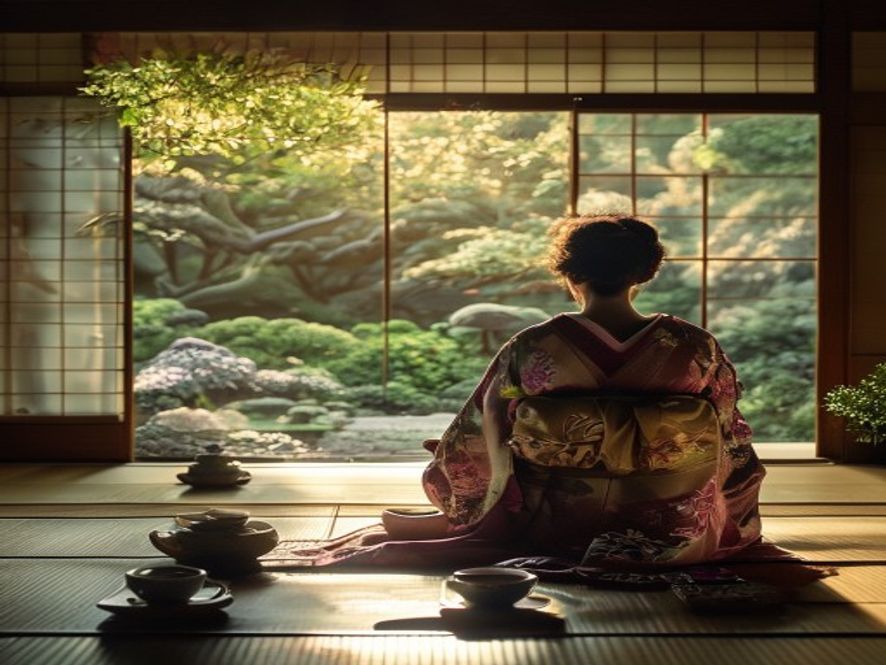
Kimono + tea ceremony in Asakusa — perfect hanami photo combo

Book →

Cherry Blossom Forecast 2026 (Predicted Peak Dates)

These are predicted peak bloom dates based on historical averages. Actual peaks shift by 5–10 days each year depending on winter temperatures.

City Predicted Peak 2026 Top Hanami Spot
Tokyo Mar 25 – Apr 2 Ueno Park, Shinjuku Gyoen
Kyoto Mar 28 – Apr 7 Maruyama Park, Philosopher's Path
Osaka Mar 28 – Apr 5 Osaka Castle Park, Mint Bureau
Hiroshima Mar 25 – Apr 3 Peace Memorial Park
Kanazawa Apr 3 – Apr 12 Kenrokuen Garden
Hirosaki (Aomori) Apr 22 – May 5 Hirosaki Castle Park
Sapporo Apr 30 – May 8 Maruyama Park, Hokkaido Shrine

Hanami — How Japanese People Actually Do It

Hanami means "flower viewing," and it's a centuries-old tradition of gathering under blooming sakura trees with food, drinks, and friends. Locals reserve spots from early morning by laying out blue tarps — some companies even send junior staff to hold prime locations all day. As a visitor, expect parks like Ueno or Maruyama to be packed from 9am during peak weekends. Weekday mornings before 8am offer the best photo conditions and breathing room.

Convenience store hanami kits (sake, bento, plastic cups, picnic mat) are sold at every Lawson, FamilyMart, and 7-Eleven near major hanami spots in late March. Total cost: ¥1,500–2,500 per person.

Top Spring Festivals 2026

Festival Location Date 2026
Hirosaki Sakura Festival Aomori Apr 23 – May 5
Takayama Spring Festival Gifu Apr 14–15
Hana Matsuri (Buddha's Birthday) Nationwide Apr 8
Ashikaga Wisteria Festival Tochigi Mid Apr – Mid May
Kanamara Matsuri Kawasaki Apr 5 (1st Sun)
Sanja Matsuri Asakusa, Tokyo May 15–17

Spring Travel Tips

Spring Survival Checklist
  • Book accommodation 4–6 months ahead for Golden Week (Apr 29 – May 5) — Japan's busiest domestic travel period
  • Check the JMC sakura forecast weekly from January onward (tenki.jp/sakura/)
  • Pack layers: mornings 8°C, afternoons 20°C, plus rain
  • Pair kimono rental with hanami in Asakusa, Kyoto, or Kanazawa
  • Avoid Golden Week (Apr 29 – May 5) for shinkansen and city sightseeing — domestic crowds 3–5x normal
⚠️ Golden Week reality check: Apr 29 – May 5 is when 100M+ Japanese travel domestically. Shinkansen seats book out 1 month ahead, ryokans 6+ months ahead, and city attractions are at maximum capacity. If you can shift dates, Apr 1–25 or May 7–20 offer dramatically better travel conditions.
via GetYourGuide
Tokyo cherry blossom tours — small group, expert guides, peak season slots

View Tours →

Summer Japan Festivals 2026 — Matsuri, Fireworks & Obon

03
☀️ Summer Japan Festivals 2026 — Matsuri, Fireworks & ObonJune–August · The most electric season

Summer in Japan is intense — hot, humid, and absolutely electric. The matsuri season kicks off in June and peaks through August, with thousands of local festivals across the country. Add in spectacular fireworks displays (hanabi taikai), the spiritual Obon holiday, and regional street food, and you have one of the most vibrant travel windows anywhere in Asia. Temperatures hit 32–35°C with 70%+ humidity in cities — pace yourself, hydrate constantly, and plan night-focused itineraries when possible.

via Klook
Klook Pass Greater Tokyo — covers multiple summer attractions in one ticket

Book →

The Big Three Summer Matsuri

Three festivals are considered the crown jewels of Japanese summer:

Gion Matsuri (Kyoto)JUL 17
DurationWhole July
Main paradeJul 17 (Saki-matsuri)
Second paradeJul 24 (Ato-matsuri)
HighlightYamaboko float procession
Book Kyoto5–6 months ahead
🌸 TOKYO SAKURA
Tokyo Cherry Blossom Route Cruise — Sukiyaki, Tea Ceremony & Shamisen

Book →

🌸 SHINJUKU GYOEN
Tokyo Shinjuku Gyoen Cherry Blossom Stroll — Entry Included

Book →

🌸 KYOTO SAKURA
Kyoto Spring Cherry Blossom Day Tour — Boat Experience Option

Book →

Awa Odori (Tokushima)AUG 12–15
Duration4 nights
Spectators1.3 million
Dancers80,000+
HighlightVisitors can join "Niwaka-ren"
AccessTokushima from Osaka 2.5h
Nebuta Matsuri (Aomori)AUG 2–7
Duration6 nights
Spectators3 million
HighlightGiant illuminated paper floats
Best nightAug 6–7 (water parade)
AccessShinkansen from Tokyo 3h

Major Fireworks Festivals (Hanabi Taikai) 2026

Japan takes fireworks seriously. Major hanabi taikai launch 10,000–40,000 shells in a single night, with synchronized music, elaborate themes, and choreography found nowhere else. Premium reserved seating with bento and drinks is the comfortable way to experience them — bookable on Klook from June.

Festival Date 2026 Shells
Sumida River Fireworks (Tokyo) Jul 25 20,000
Nagaoka Fireworks (Niigata) Aug 2–3 20,000+
Naniwa Yodogawa (Osaka) Aug 8 10,000
Lake Suwa Fireworks (Nagano) Aug 15 40,000
Tsuchiura Fireworks (Ibaraki) Oct 31 20,000 (autumn)

Obon — Japan's Festival of Souls (Aug 13–16)

Obon is a Buddhist observance when spirits of ancestors are believed to return home. Towns hold bon odori (traditional dances), lanterns are floated on rivers (toro nagashi), and many Japanese return to their hometowns — making this one of the worst weeks for domestic transport but one of the best for cultural immersion. Almost every neighborhood in Japan holds a local bon odori in a school yard or shrine grounds — visitors are welcome, and many lend yukata to first-timers.

Kyoto's Gozan no Okuribi (Aug 16) — five enormous fires shaped as kanji on the surrounding mountains — closes Obon with one of the most atmospheric sights in Japan. Best viewing: Kamogawa riverbank or rooftop bars.

Summer Travel Tips

Summer Survival Checklist
  • Pack lightweight breathable clothes, a hand fan (uchiwa), and rechargeable cooling neck wrap (Don Quijote sells them for ¥1,500)
  • Hydrate aggressively — convenience stores stock Pocari Sweat and OS-1 (oral rehydration) everywhere
  • Plan indoor activities (teamLab, museums, department stores) for 11am–4pm peak heat hours
  • Buy a yukata in Asakusa or Kyoto (¥3,000–8,000) to wear at evening matsuri — locals love seeing visitors join in
  • For Gion Matsuri: book Kyoto accommodation by January for peak Jul 14–17 nights
via Klook
teamLab Planets Tokyo — perfect indoor escape from summer heat

Book →

Autumn Japan Festivals 2026 — Koyo Foliage & Harvest Traditions

04
🍁 Autumn Japan Festivals 2026 — Koyo Foliage & Harvest TraditionsSeptember–November · The rival to spring

Autumn rivals spring as Japan's most beautiful season — and many seasoned travelers consider it the better one. The autumn foliage (koyo) turns temple gardens, mountain valleys, and city parks into vivid tapestries of red, orange, and gold. Like cherry blossoms, peak color lasts 1–2 weeks per location and moves north to south from mid-September (Hokkaido) through early December (southern Kyoto). The weather is dry, cool, and consistently photogenic.

via Klook
Kyoto kimono experience at MAIKOYA — wear traditional dress through Arashiyama's autumn maples

Book →

Autumn Foliage Forecast 2026 (Predicted Peak Dates)

Location Predicted Peak 2026 Don't Miss
Daisetsuzan (Hokkaido) Sep 15 – Oct 5 Japan's earliest koyo
Nikko (Tochigi) Oct 25 – Nov 15 Toshogu Shrine + Lake Chuzenji
Hakone (Kanagawa) Nov 10 – Nov 25 Mt. Fuji + maples combo
Kyoto (city) Nov 15 – Dec 5 Tofukuji, Eikan-do, Arashiyama
Tokyo (Shinjuku Gyoen) Nov 25 – Dec 10 1,500+ trees, accessible
Nara Nov 20 – Dec 5 Nara Park deer + maples
Miyajima (Hiroshima) Nov 15 – Dec 1 Momijidani Park + torii gate

Top Autumn Foliage Spots in Depth

  • 🍁 Nikko (Tochigi) — Early November. UNESCO-listed shrines framed by blazing maples. Lake Chuzenji and Kegon Falls add waterfalls and mountain backdrops. 2h from Tokyo by Tobu Railway. Book the Nikko All Area Pass (¥4,780) for unlimited transit.
  • 🍁 Arashiyama (Kyoto) — Mid-to-late November. The bamboo grove and Tenryu-ji garden surrounded by autumn color is otherworldly. Best photographed at sunrise before tour buses arrive (6:30–8am).
  • 🍁 Tofukuji Temple (Kyoto) — Late November. The famous Tsutenkyo Bridge view over a sea of maples is one of Japan's most iconic autumn shots. Arrive at opening (8:30am) — lines stretch to 2+ hours by midday.
  • 🍁 Shinjuku Gyoen (Tokyo) — Late November to early December. 1,500+ trees including rare gingko avenues. Easy walk from Shinjuku station. ¥500 entry.
  • 🍁 Daisetsuzan (Hokkaido) — Late September. Japan's earliest koyo, with vast alpine landscapes. Take the Asahidake Ropeway for sweeping views above the tree line.

Top Autumn Festivals 2026

Festival Location Date 2026
Takayama Autumn Festival Gifu Oct 9–10
Jidai Matsuri (Festival of Ages) Kyoto Oct 22
Kurama Fire Festival Kyoto Oct 22
Nada no Kenka Matsuri Himeji Oct 14–15
Shichi-Go-San Nationwide Nov 15

Autumn Travel Tips

Autumn Survival Checklist
  • Peak timing shifts 1–2 weeks year to year — check Japan Meteorological Corporation's koyo forecast in early September
  • Kyoto in November is extreme — accommodation books out 6 months ahead, restaurants need reservations, key temples have 1–2h waits
  • Tofukuji, Eikan-do, and Kiyomizu-dera offer night illuminations during peak koyo — different lighting than daytime visits
  • Pair autumn with food festivals: sanma (Pacific saury), matsutake mushrooms, and new-harvest sake season
  • Avoid weekends in Kyoto during peak — visit Tuesday to Thursday for half the crowds
via GetYourGuide
Kyoto autumn foliage day trips — Arashiyama, Tofukuji, Eikan-do private & small group

View Tours →

Winter Japan Festivals 2026 — Illuminations, Snow & New Year

05
❄️ Winter Japan Festivals 2026 — Illuminations, Snow & New YearDecember–February · The underrated season

Winter is Japan's most underrated season. Crowds thin out (except for Dec 28 – Jan 3), prices drop 15–25% on accommodation outside ski resorts, and the country transforms into something magical — from dazzling winter illuminations in the cities to deep powder snow in Hokkaido and Nagano, and one of the world's most atmospheric New Year celebrations. Air is clear, Mt. Fuji is visible from Tokyo on most days, and the food is at its peak (oden, hot pot, sake).

via Klook
teamLab Borderless — Tokyo's premier indoor light experience for winter visitors

Book →

Winter Illuminations — Japan's Light Show Season

From late November through February, Japan's illumination season lights up parks, shopping districts, and entire towns. The scale is staggering — millions of LED lights, projection mapping, and themed designs found nowhere else.

Illumination Location Period 2026
Kobe Luminarie Kobe Jan 24 – Feb 1
Nabana no Sato Mie Oct 2025 – May 2026
Midtown Christmas Roppongi, Tokyo Nov 13 – Dec 25
Caretta Illumination Shiodome, Tokyo Nov 19 – Feb 14
Hakodate Christmas Fantasy Hokkaido Dec 1 – Dec 25
Sapporo White Illumination Hokkaido Nov 22 – Mar 14

Japanese New Year (Shogatsu) — Dec 31 – Jan 3, 2026

New Year in Japan is deeply cultural and the most important holiday of the year — bigger than Christmas. On New Year's Eve (omisoka), temples ring their bells 108 times (joya no kane), believed to dispel 108 worldly desires. At midnight, millions begin hatsumode — the first shrine visit of the year. Special foods (osechi ryori), decorations (kadomatsu, shimenawa), and family-only traditions fill the first three days of January.

Major hatsumode shrines:

  • Meiji Jingu (Tokyo) — 3 million visitors over Jan 1–3. Arrive before 5am Jan 1 or after Jan 4 for breathing room.
  • Naritasan Shinshoji (Chiba) — 3 million visitors. Easy from Narita Airport.
  • Fushimi Inari (Kyoto) — 2.5 million visitors. Iconic torii gates lit at night.
  • Sumiyoshi Taisha (Osaka) — 2 million visitors. One of Japan's oldest shrines.
⚠️ Shogatsu reality check: Jan 1–3 is when most Japanese restaurants, museums, and many small attractions close for the year. Konbini, major department stores, and shrines all stay open, but research opening status before traveling Dec 30 – Jan 3.

Winter Sports — Japow in Hokkaido & Nagano

Japan's powder snow (japow) is legendary among skiers. Niseko in Hokkaido consistently ranks among the world's top three ski destinations, with 14m+ annual snowfall and dry powder ideal for tree skiing. Hakuba Valley in Nagano (host of the 1998 Winter Olympics) offers Asia's largest ski terrain accessible from Tokyo in 3 hours by shinkansen + bus. Season runs December through early April.

Resort Region Best For
Niseko United Hokkaido Premium powder, intl crowd
Furano Hokkaido Cheaper alt to Niseko
Hakuba Valley (10 resorts) Nagano Big mountain, near Tokyo
Nozawa Onsen Nagano Traditional + onsen village
GALA Yuzawa Niigata Day trip from Tokyo (75 min)

Winter Festivals 2026

Festival Location Date 2026
Sapporo Snow Festival Hokkaido Feb 4–11
Otaru Snow Light Path Hokkaido Feb 7–14
Yokote Kamakura (snow huts) Akita Feb 15–16
Setsubun (bean-throwing) Nationwide Feb 3
START HERE
Going to Hokkaido for snow? Read our Hokkaido guide

Read Guide →

Stay Connected at Every Japan Festival 2026

06
📱 Stay Connected at Every Japan Festival 2026eSIM, SIM, pocket WiFi compared

Festivals in Japan often take place in areas with limited cell coverage — countryside Awa Odori venues, rural Nebuta routes, mountain koyo trails. Even in cities, crowded matsuri overwhelm local networks (Gion Matsuri's main parade can degrade Kyoto's downtown signal to unusable). Having your own dedicated mobile data is non-negotiable for navigation, translation, and last-mile ryokan finding.

Sakura Mobile eSIM
8/16/31-day plans
¥3,500
from · 8-day plan

Get Sakura →

Klook Japan eSIM
Activate before landing
¥1,200
from · 3-day plan

Get Klook eSIM →

Best Connectivity for Each Travel Style

Travel Style Recommended Why
Solo, 7 days or less Klook eSIM Cheapest, instant QR activation
2+ weeks, voice needed Sakura Mobile SIM Reliable network, JP phone number
Family/group, multiple devices NINJA Pocket WiFi Share among 10 devices
Festivals in rural areas Sakura SIM Strongest network outside cities
MUST-HAVE
Sakura Mobile — most reliable signal at rural festival venues

Get SIM →

📶
NINJA Pocket WiFi — for families & groups
Pickup at Narita/Haneda/Kansai · Shares to 10 devices

Reserve →

How to Plan Your Japan Festival 2026 Trip

07
🗺️ How to Plan Your Japan Festival 2026 TripA practical 4-step framework

The key to a great Japan festival trip is combining seasonal timing with smart logistics. Here's the practical framework I use with every traveler:

1

Lock Your Anchor Event

Pick one immovable target — Gion Matsuri main parade (Jul 17), cherry blossom peak in Kyoto (Mar 28 – Apr 7), Nebuta water parade (Aug 7), Kobe Luminarie (Jan 24 – Feb 1). Build everything else around this date.

2

Book Transport Within 1 Week of Lock

Shinkansen reserved seats open 1 month before travel. For peak seasons (Golden Week, Obon, Shogatsu) seats sell out 24h after opening. Get a Japan Rail Pass if covering 2+ cities, or regional passes for focused routes.

3

Reserve Accommodation Aggressively Early

For spring and autumn peaks in Kyoto: 6 months ahead. Tokyo cherry blossom hotels: 4 months ahead. Hokkaido ski lodges in Niseko: 8–10 months ahead. Check our Where to Stay guide for area recommendations.

4

Lock In Experiences & Connectivity Last

2–4 weeks before flight: book Klook experiences (kimono, teamLab, premium fireworks seating), GetYourGuide tours, and your eSIM. These have shorter lead times but premium festival slots still sell out.

Recommended Festival Trip Budgets (per person, 7 days)

Budget Tier Daily Spend Includes
Budget ¥10,000–14,000 Hostels, konbini meals, public transit
Mid-range ¥18,000–28,000 3-star hotels, casual dining, JR Pass
Comfort ¥35,000–55,000 4-star hotels, kaiseki, premium event seats
Luxury (peak season) ¥80,000+ Ryokan + onsen, private tours, business class shinkansen
Your Japan Festivals 2026 Action Plan

6 months before: Lock your anchor festival date and book Kyoto/Tokyo accommodation

3 months before: Purchase JR Pass exchange order, reserve premium event seats on Klook

1 month before: Reserve shinkansen seats the day they open

2 weeks before: Activate eSIM, finalize kimono rentals, confirm everything

Japan Festivals 2026 — Frequently Asked Questions

08
❓ Japan Festivals 2026 — Frequently Asked Questions

The most common questions travelers ask before locking their Japan festivals 2026 trip dates.

When is the best time to visit Japan for festivals in 2026?
Late March to early April for cherry blossoms (Tokyo Mar 25 – Apr 2, Kyoto Mar 28 – Apr 7). July for Gion Matsuri in Kyoto. Mid-August for Awa Odori (Tokushima) and Nebuta (Aomori). Mid-November to early December for autumn foliage in Kyoto. Late January for Kobe Luminarie. Each offers a completely different Japan.
How far in advance should I book for cherry blossom season 2026?
Tokyo and Kyoto accommodation should be booked 4–6 months in advance. Popular ryokans near famous hanami spots (Maruyama Park, Hirosaki) often sell out 8–12 months ahead. Shinkansen reserved seats open exactly 1 month before travel and sell out within 24 hours for peak dates. Klook experiences (kimono rental, premium fireworks seats) should be booked 4–8 weeks ahead.
Are Japan's festivals free to attend?
Yes — most street festivals (Gion Matsuri, Awa Odori, Nebuta), cherry blossom parks, and shrine visits are completely free. You'll pay for food and drink, of course, and some special premium experiences cost money: reserved seating at major fireworks displays (¥3,000–15,000), Gion Matsuri yamaboko-viewing seats (¥4,000–6,000), and night illumination entry to private gardens like Nabana no Sato (¥2,500).
Can tourists participate in Japanese festivals?
Yes, and you're encouraged to. Awa Odori has designated "Niwaka-ren" visitor dancing groups you can join freely. Local bon odori at neighborhood parks invite everyone — many lend yukata. Wearing yukata to any summer matsuri is welcomed. Some festivals (like Sanja Matsuri's mikoshi-carrying) require advance arrangement through tour operators or local connections.
What should I wear to Japanese festivals?
For summer matsuri: a yukata (lightweight summer kimono) is ideal — buy one in Asakusa, Kyoto, or Don Quijote for ¥3,000–8,000. Comfortable walking sandals or geta. Cherry blossom hanami: layered casual wear plus a wind layer. Autumn festivals: a warm jacket and gloves for evening events. For shrine visits during Shogatsu, smart casual is appropriate — avoid shorts or beachwear.
Do I need a Japan Rail Pass for festival travel?
If visiting 2+ cities (e.g., Tokyo + Kyoto + Hiroshima), a JR Pass almost always pays for itself — break-even is roughly one Tokyo–Kyoto round trip. For single-region trips (e.g., only Kyoto + Osaka), regional passes like the JR West Kansai Pass (¥7,000 for 4 days) are more cost-effective. See our Japan Rail Pass guide for detailed comparisons.
What's the cheapest season to visit Japan?
Mid-January to mid-February (excluding Sapporo Snow Festival week) and early June (rainy season). Accommodation is 15–25% cheaper than peak spring/autumn. February visitors still get illuminations, Setsubun festival, and powder snow. June requires umbrella patience but offers hydrangea (ajisai) season — beautiful and largely uncrowded.
How do I get reliable WiFi at crowded festivals?
Rural matsuri venues (Awa Odori, Nebuta routes, mountain koyo trails) often have weak coverage on tourist SIMs. Sakura Mobile uses NTT Docomo's network — the strongest rural coverage in Japan. For solo travelers on shorter trips, Klook's Japan eSIM activates instantly via QR code. For families or groups, a NINJA Pocket WiFi shares connection to up to 10 devices and can be picked up at any major airport.

RECOMMEND

JRPASS Go Japan Now - Explore & Experience Japan 1

▶ Stage 2 — Getting Ready Japan Rail Pass 2026 — Complete Guide to Prices, Types & Buying The Japan ...

Japan WiFi SIM eSIM — compare pocket WiFi, SIM cards and eSIM options for Japan travel 2

▶ Stage 2 — Getting Ready Japan WiFi SIM eSIM 2026 — Stay Connected from the Moment You Land Japan W ...

更新日:

Copyright© Go Japan Now - Explore & Experience Japan , 2026 All Rights Reserved.