First Time in Japan 2026 — 8 Things to Decide Before You Go: Timing, Route, Money, Etiquette and Emergencies
For your first time in Japan, there are only eight things to decide: when to go, where to travel, what to book ahead, how to pay, etiquette, tax-free shopping, who to call in an emergency and your daily budget. Work down the page and your trip prep is done.
This page is for deciding, not just reading. The first four steps (timing, route, pre-trip prep and money) settle your bookings and what to pack; the last four (etiquette, tax-free shopping, emergencies and budget) give you what you need on the ground. Credit cards and ATMs, etiquette and emergencies used to have their own pages; we have pulled together only the parts a first trip really needs. For detailed train and hotel comparisons, use the four guides above.
- Step 1 — Choose when to go
- Step 2 — Choose your route
- Step 3 — What to sort out before you leave
- Step 4 — Decide how you will pay
- Step 5 — The etiquette you really need to know
- Step 6 — Shopping and the new tax-free rules
- Step 7 — Emergency numbers and backup plans
- Step 8 — Set your daily budget
- First time in Japan: FAQ
Step 1 — Choose when to go
Scenery, crowds and prices change with the seasons
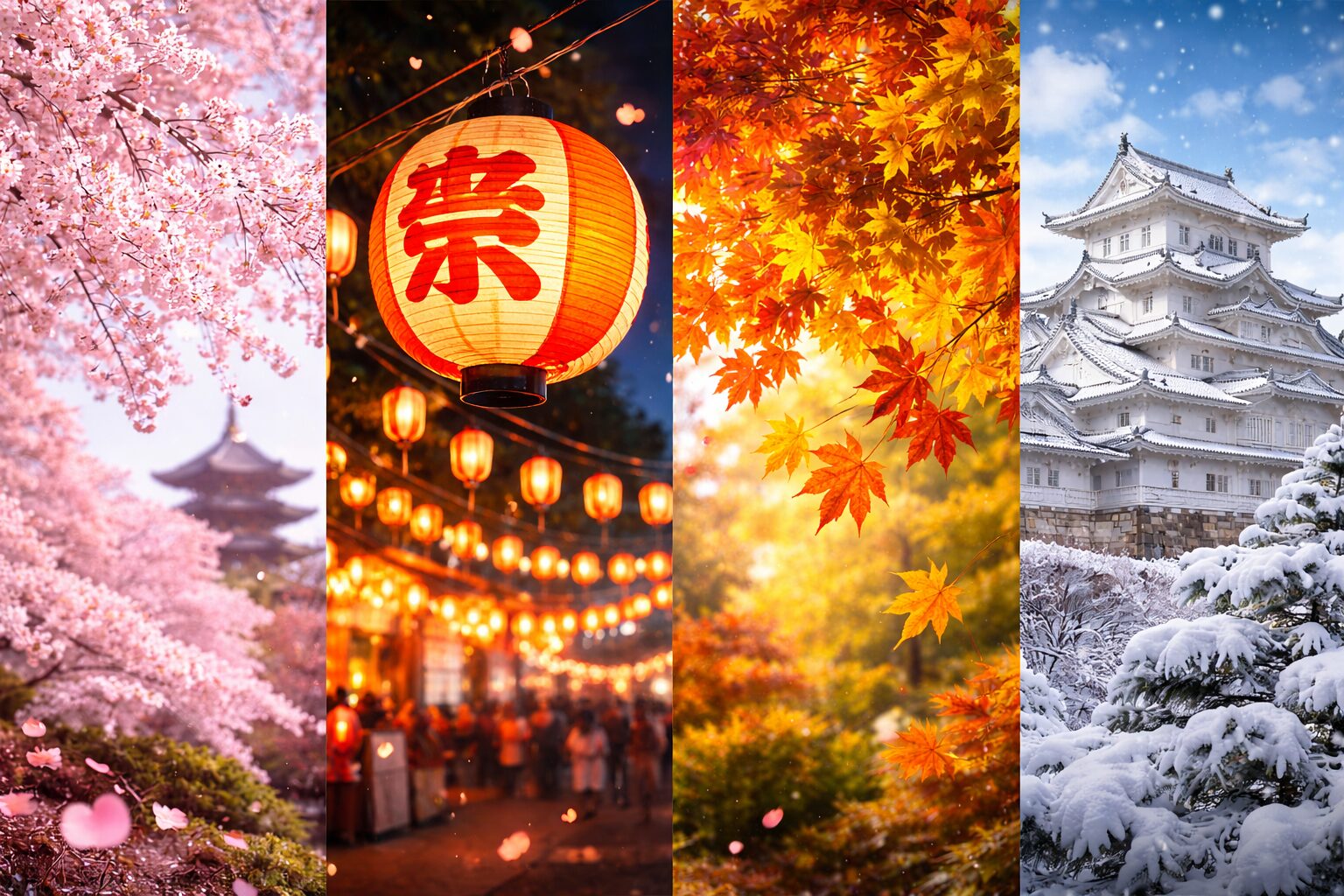
Tap the season you can travel. For a first trip, cherry blossoms (late March to early April) or autumn leaves (mid-October to mid-November) leave the strongest impression. Both are the busiest times of year, so book hotels three to six months ahead.
To avoid crowds and high prices, aim for late May to early June or late September to early October. The rainy season (mid-June to mid-July) brings showers, but temple gardens are lush and there are fewer tourists. July and August are very hot, so plan indoor sights for midday and walk outside in the morning and evening. New Year (around December 29 to January 3), Golden Week (late April to early May) and Obon (mid-August) are when Japanese people travel too, and Shinkansen seats and hotels are hardest to get.
Spring or autumn trip? Lock in a free-cancellation room on Booking.com early.
-
-
Japan festivals 2026: Complete Seasonal Guide to Cherry Blossoms, Matsuri & Koyo
▶ Stage 3 — Experiences Japan Festivals 2026 — Pick Your Season, Festival and Stay Choose when to go …
続きを見る
Step 2 — Choose your route
The classic 7 days: Tokyo → Kyoto → Osaka
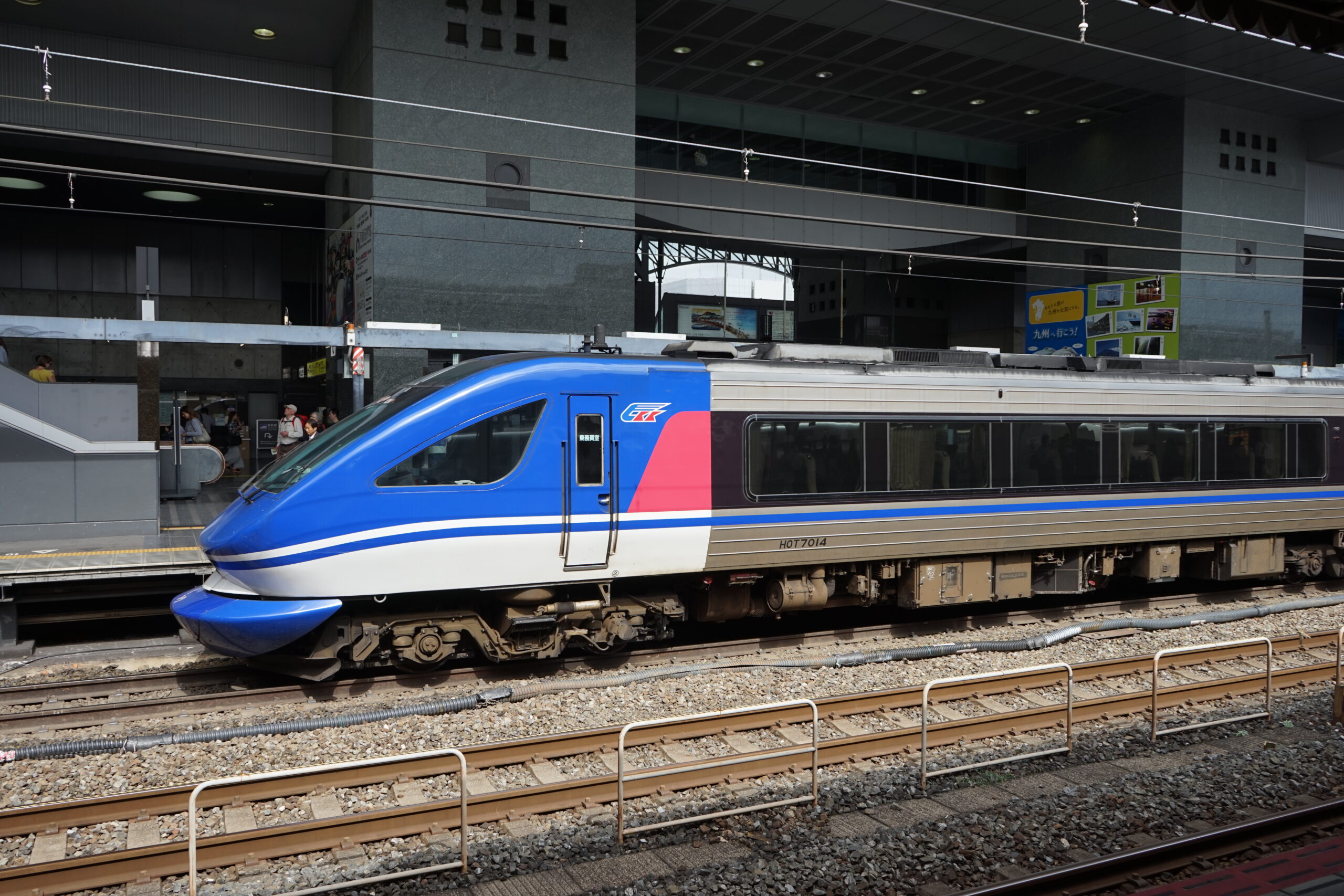
The classic first trip is the Golden Route. Spend two nights in Tokyo plus a day trip, take the Shinkansen about 2 hours 15 minutes to Kyoto, and finish in Osaka, about 30 minutes from Kyoto by train. Fly home from Kansai Airport and you never have to go back to Tokyo. Tap each city to pick the sights.
Fly into Tokyo and out of Osaka on a one-way route and you only need one Shinkansen ride, Tokyo → Kyoto—no JR Pass required. A reserved Nozomi seat costs around ¥14,000 one way. On the other hand, for 10+ days that take in Hiroshima and Miyajima, Kanazawa or Fukuoka, it is worth comparing the nationwide pass with regional JR passes.
Doing a long-distance loop? Order the 7-day JR Pass before you fly.
-
-
Japan Rail Pass 2026 — Is It Worth It? Complete Guide
▶ Stage 2 — Getting Ready Japan Rail Pass 2026 — Is It Worth It at the New October Prices? 5 Steps T …
続きを見る
Step 3 — What to sort out before you leave
Six things to finish before departure
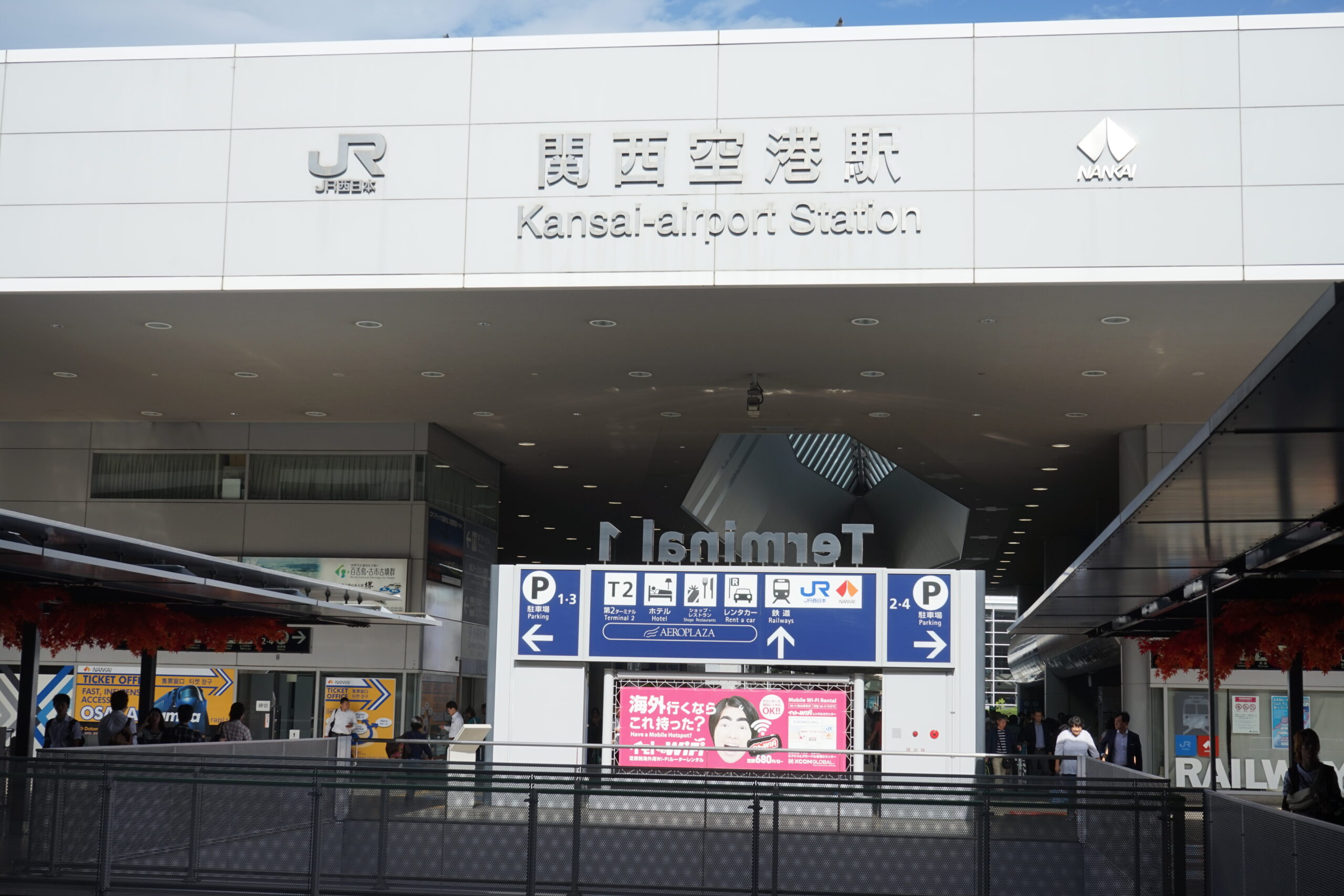
Tap anything you have not done yet. You can get all of them after you land, but sorting them out first saves queuing at the airport and getting lost on day one.
Entry formalities and what to pack
Register for immigration and customs on Visit Japan Web before you leave, and at the airport you just show a QR code. Check your passport validity and whether your nationality needs a visa with the embassy before you go. Leaving Japan, you pay the International Tourist Tax (departure tax), which rose to ¥3,000 per person in July 2026. It is normally included in your airfare, so there is nothing extra to pay at the airport.
Sockets are Type A with two flat pins, at 100V. Most phone and laptop chargers work as-is, but appliances such as hair dryers made only for overseas use need a transformer. A huge suitcase gets in the way on trains, so on a route with lots of moving, bring a cabin-size or medium case—or send big luggage between hotels by delivery service.
-
-
Japan WiFi, SIM & eSIM Guide 2026 — Stay Connected from Landing
▶ Stage 2 — Getting Ready Japan WiFi, SIM & eSIM 2026 — Pick One Before You Fl …
続きを見る
Step 4 — Decide how you will pay
Cards first, with ¥10,000–20,000 in cash
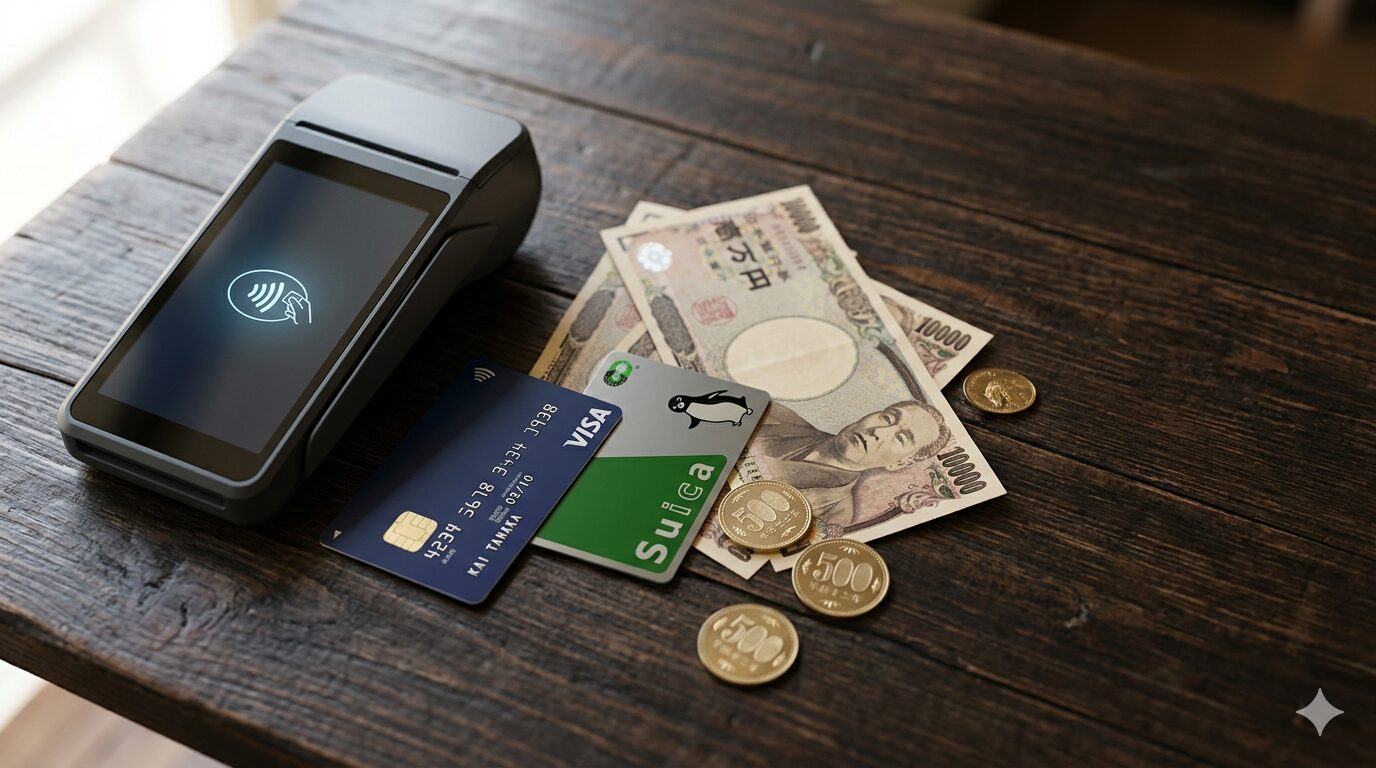
In 2026 you can pay by credit card almost everywhere in Japanese cities. Hotels, department stores, Don Quijote, Uniqlo, electronics stores, convenience stores, restaurant chains, JR ticket machines and taxis in Tokyo and Osaka take Visa and Mastercard, including contactless. But small ramen shops and izakaya, street stalls and markets, shrine offerings, rural buses and some ryokan are still cash only.
In practice, carry one Visa or Mastercard as your main card, a second card from another network as backup, and ¥10,000–20,000 in cash, and you will be fine. Put small purchases under ¥1,000 and trains and buses on an IC card so coins do not pile up. There is no tipping in Japan; you never pay more than the price, in restaurants or taxis.
| Where you pay | Cards | Best option |
|---|---|---|
| Hotels, department stores, chains | Accepted | Credit card |
| Convenience stores, vending machines | Accepted | IC card or card |
| Trains, subways, buses | Some only | IC card |
| Small eateries, stalls, markets | Often not | Cash |
| Shrine/temple offerings, charms | Often not | Cash (coins) |
Withdraw cash at convenience store ATMs
To withdraw cash with a foreign card, Seven Bank ATMs inside 7-Eleven are your first choice. They run almost 24 hours and switch to English, Chinese or Korean. Japan Post Bank ATMs at post offices and ATMs in FamilyMart and Lawson also accept many foreign cards. Ordinary bank ATMs on the street often reject foreign cards, so when in doubt, head to a convenience store. Both the ATM and your own card issuer may charge fees, so withdraw in one go rather than several times.
Airport exchange counters often have poor rates, so only change what you need for day one and withdraw the rest from ATMs. When paying by card, if you are asked whether to pay in yen or your home currency, choose yen. Picking your home currency adds the merchant’s markup and costs more.
No coins needed. Book a Suica on Klook and ride from the day you land.
-
-
IC Card Japan 2026 — Suica, Pasmo & ICOCA Complete Guide
▶ Stage 2 — Getting Ready IC Card Japan 2026 — Suica, ICOCA or Card Tap, and How to Ride in Tokyo, K …
続きを見る
Step 5 — The etiquette you really need to know
Trains, meals, shrines and temples, onsen
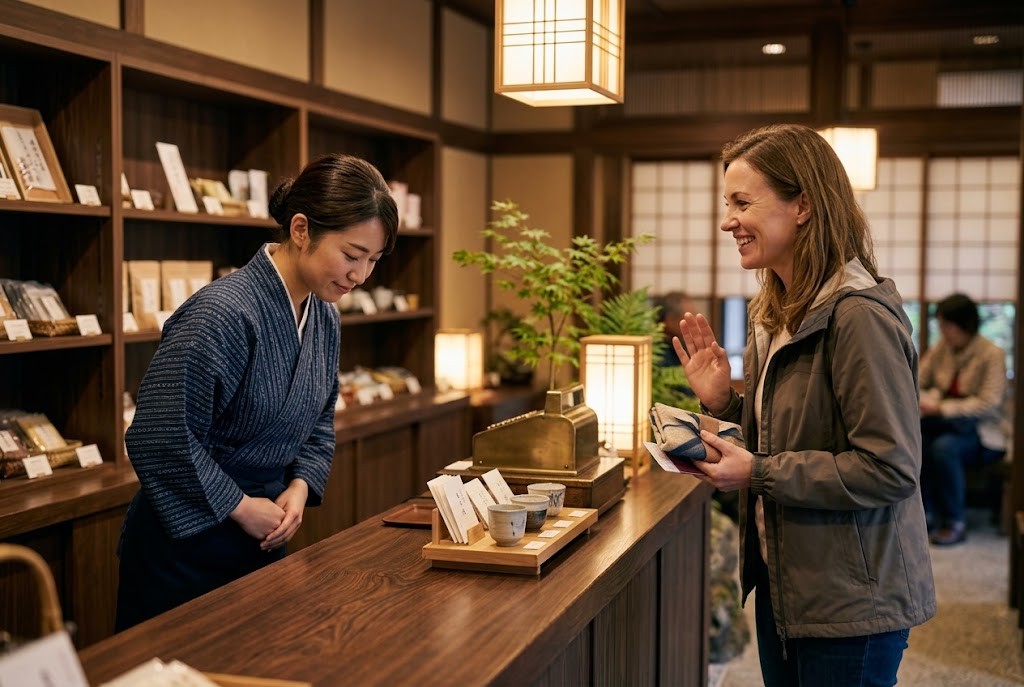
Japanese etiquette can look complicated, but what is asked of travelers is mostly “don’t bother the people around you.” You don’t have to be perfect; if people can see you are trying, they rarely mind. Here are only the situations first-time visitors tend to stumble over, place by place.
Trains and stations
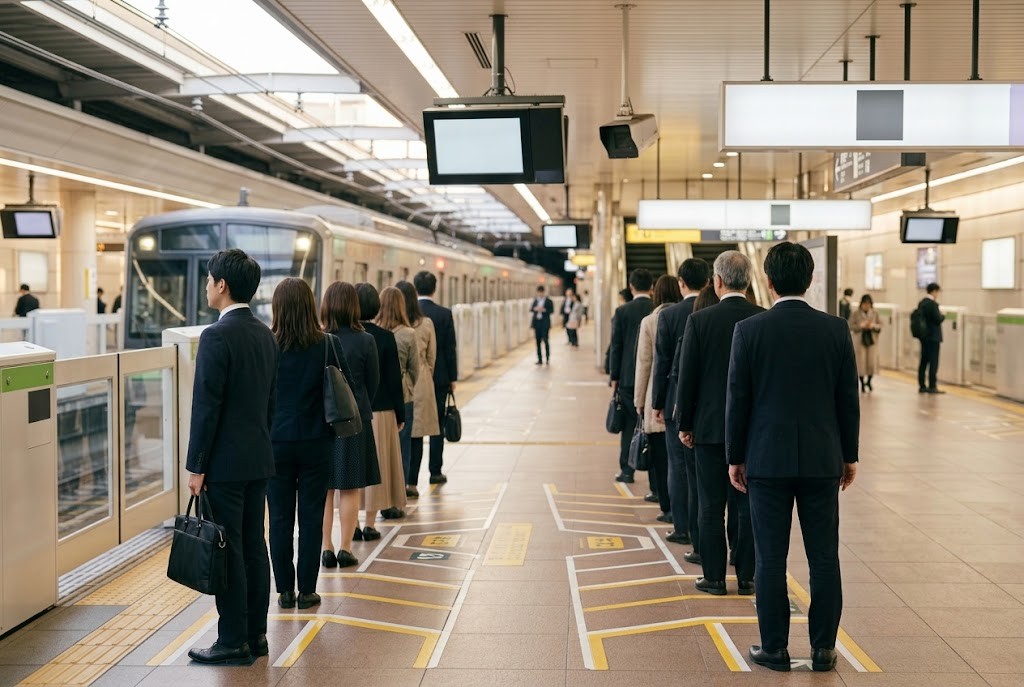
On the platform, line up along the floor markings and let passengers off first. Avoid phone calls on board and keep your voice low. Be ready to give up priority seats. On escalators most people stand on the left in Tokyo and on the right in Osaka, but more stations now ask everyone to stand in two lines without walking, for safety. Move big luggage outside the morning and evening rush hours.
Eating out
When you walk into a restaurant you will be asked how many; holding up fingers works fine. Two things to avoid because they recall funerals: sticking chopsticks upright in rice, and passing food from chopsticks to chopsticks. Slurping ramen and soba is not rude. Many places have you pay at the register by the exit rather than at the table, and there is no tipping. Some shopping streets ask you not to eat while walking, so eat what you buy on the spot or at a rest area. Bins are rare in town, so carry a small bag and plan to take your trash with you.
Shrines and temples
At a shrine, give a small bow at the torii gate and rinse your hands and mouth at the purification fountain before praying. The basic form is “bow twice, clap twice, bow once.” At temples, don’t clap; just put your hands together quietly. Photography is banned inside some buildings, so follow the signs. In Kyoto’s Gion, entering private lanes and chasing maiko for photos became a problem, and some lanes are now off-limits.
Onsen and ryokan
You bathe in onsen without a swimsuit. Wash your body at the shower stations before getting in, and keep your towel out of the water—on your head or beside the bath. Some places turn away guests with tattoos, so if that worries you, choose a hotel with private baths. Take your shoes off in ryokan and tatami rooms, and don’t step onto tatami in slippers.
-

-
Cultural Experiences Japan 2026 — Kimono, teamLab & Food Tours
▶ Stage 3 — Experiences Cultural Experiences Japan 2026 — Kimono, teamLab & Food Tours cultural …
続きを見る
Step 6 — Shopping and the new tax-free rules
From November 1, 2026: pay first, get the tax back later
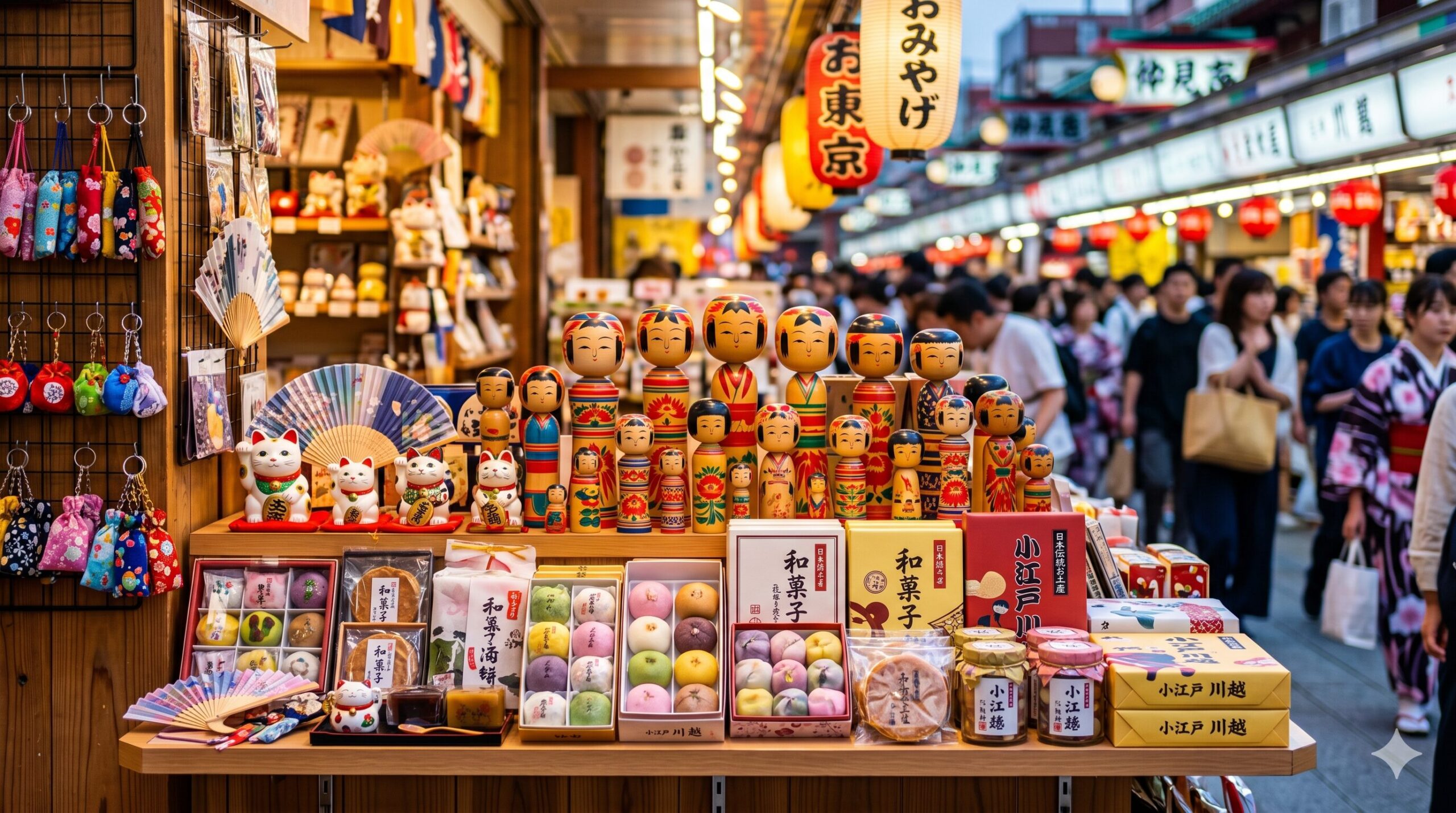
Japan’s consumption tax is 10% (8% on food and some other items), and price tags normally include tax. When travelers spend ¥5,000 or more before tax at a tax-free shop, they get this tax back. The way tax-free shopping works changes significantly on November 1, 2026.
Until October 31, you showed your passport at the register and paid the tax-free price on the spot. From November 1 it becomes a refund system: you pay the full price including tax when you buy. On the day you leave, you scan your passport at a dedicated terminal at airport customs to confirm you are taking the goods out of Japan. Once that is confirmed, the shop refunds the tax. How you receive the refund—to your credit card, for example—depends on the shop, so ask when you buy.
You must complete the customs check before checking in your suitcase. Depending on the terminal’s result you may be asked to show the items, so keep tax-free purchases where you can take them out before you check your bags. You also have to leave Japan within 90 days of purchase. The old split between “consumables” such as cosmetics and food and “general goods” such as clothes and electronics, and the rule about sealed bags for consumables, are gone; one shop’s purchases on one day are added up together.
-
-
Things to Do in Tokyo 2026 — Complete Travel Guide for First-Time Visitors
▶ Destination — Tokyo Things to Do in Tokyo 2026 — Complete Travel Guide The trusted guide to the be …
続きを見る
Step 7 — Emergency numbers and backup plans
Check emergency numbers, hospitals, medicine and insurance before you go
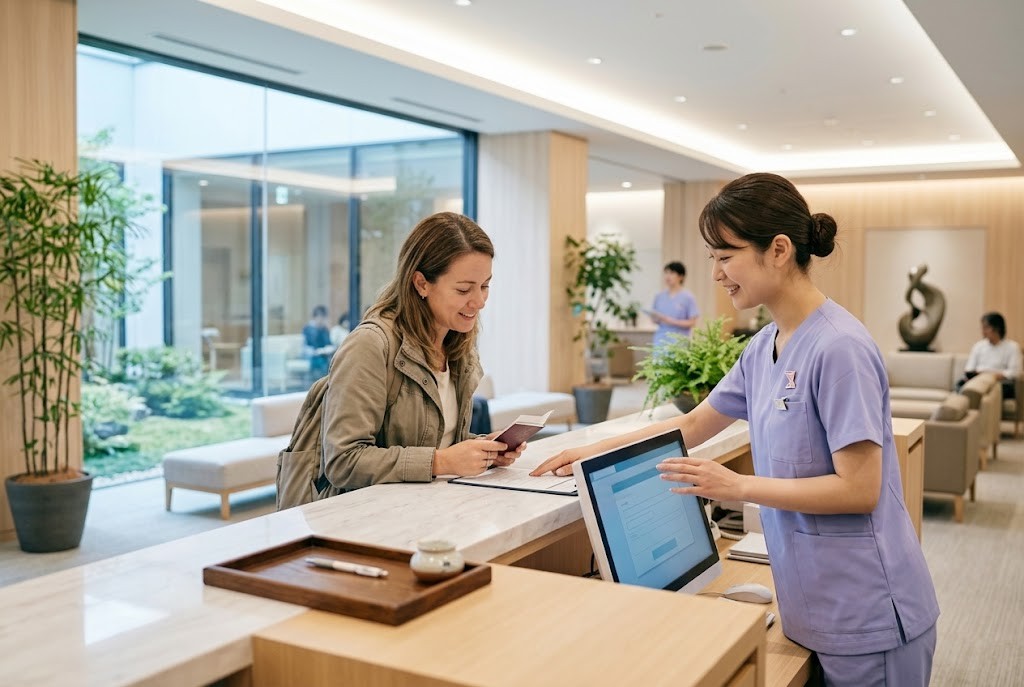
Japan is a safe country, but injuries, sudden illness and earthquakes can happen on any trip. Save these numbers in your phone so you don’t hesitate when it matters. All are free or charged at normal call rates, and some can be dialed without a Japanese phone number.
| Number | For | Tip |
|---|---|---|
| 119 | Ambulance, fire | Say your location first |
| 110 | Police | Accidents, theft, lost items |
| #7119 | Medical advice line | Tokyo, Osaka and some other areas |
| 050-3816-2787 | Visitor hotline | 24 hours, EN/CN/KR/JP |
When you call 119, say where you are first. In case you can’t read the address, keep a screenshot of your hotel’s address in Japanese. To speak in English, say “English, please.” 050-3816-2787 is the Japan National Tourism Organization (JNTO) Visitor Hotline, which also helps 24 hours a day with accidents and sudden illness. From overseas, dial +81-50-3816-2787.
Hospitals and pharmacies
For a fever or minor injury that doesn’t need an ambulance, choose a hospital or clinic used to treating foreigners. Large hospitals may charge extra without a referral letter, and many only accept patients in the morning, so the quickest route is to ask your hotel front desk for a nearby clinic. Travelers aren’t covered by Japanese health insurance, so you pay the full cost of treatment up front.
Cold medicine, stomach medicine, painkillers and insect-bite cream are sold without a prescription at drugstores. Bring any regular medication with an English prescription or leaflet. Some ingredients in overseas cold and pain medicines are restricted in Japan, so check the Ministry of Health, Labour and Welfare guidance before you go.
Earthquakes and lost property
In an earthquake, protect your head, wait for the shaking to stop and don’t use elevators. Install the Japan Tourism Agency’s free Safety tips app to get earthquake and tsunami alerts in English and other languages. Lost items are very often handed in and returned in Japan: ask station staff if you lost something at a station, or the nearest koban police box in town.
Cover illness, injury, cancellations and lost bags with World Nomads.
We earn a commission if you get a quote through this link. We are not an agent of World Nomads and do not recommend buying any particular travel insurance.
-
-
Japan Travel Tips & Hacks — Your 2026 Planning Hub | Go Japan Now
▶ Stage 2 — Getting Ready Japan Travel Tips 2026 — Sort Data, Money, Manners & Safety Pick how …
続きを見る
Step 8 — Set your daily budget
What a day in Japan costs in 2026

Tap your travel style. The badge is one night’s accommodation, food is three meals a day and trains are a day of getting around town—all per person, as a guide.
- 💴 A 7-day trip excluding flights costs roughly ¥100,000–175,000 in total.
- 🎟️ Activities per day: budget ¥500–1,500, mid-range ¥2,000–4,000, luxury ¥8,000+.
- 🙇 No tipping. Service is always included in the price.
The best way to save money is where you stay. Stay near a big station and daily journeys are shorter, saving both train fares and time. For food, mix convenience stores or bakeries for breakfast, set-meal restaurants or lunch specials at midday and one nicer dinner, and you cut costs without losing out. Remember that Kyoto and some other cities charge an accommodation tax per night.
Compare Tokyo hotels from capsules to luxury on Trip.com.
-
-
Where to Stay in Japan 2026 — Hotels, Ryokan & Budget Guide
▶ Stage 2 — Getting Ready Where to Stay in Japan 2026 — Stay Types, Best Areas, Ryokan, Capsules, Re …
続きを見る
First time in Japan: FAQ
Money, timing, JR Pass and etiquette