Capsule Hotels Japan 2026 — Best Pods & Business Hotels Complete Guide
Capsule hotels Japan offer one of the country’s most unique budget stays — modern pods from ¥3,500/night in Tokyo, Osaka, and Kyoto, plus business hotels for travelers who want extra space. This 2026 guide covers what to expect, how to book, top picks by city, and the etiquette you need to know before stepping inside your first pod.
- What Capsule Hotels Japan Really Are
- Capsule Hotel vs Business Hotel — Which One Fits Your Trip
- Top Capsule Hotels in Tokyo for 2026
- Top Capsule Hotels in Osaka and Kyoto
- Business Hotels in Japan — Best Picks Across Chains
- Capsule Hotel Etiquette — Unwritten Rules First-Timers Should Know
- How to Book Capsule Hotels Japan — Tips for International Travelers
- Pros & Cons of Staying in Capsule Hotels Japan
- Continue Planning Your Stay in Japan
- Capsule Hotels Japan — Frequently Asked Questions
What Capsule Hotels Japan Really Are
A modern pod stay invented in Osaka, refined for 2026 travelers
Capsule hotels Japan are compact pod accommodations stacked in shared rooms, originally invented in Osaka in 1979 to give late-night workers an affordable place to sleep. The modern version most travelers will encounter in 2026 is a dramatic upgrade from those origins — clean, secure, often beautifully designed, and frequently equipped with private bathrooms, lounges, saunas, and high-speed Wi-Fi. Pods are typically around 1m wide and 2m long, big enough to sit up in and stretch out, with a privacy curtain or door at the entrance.
The appeal is unique to Japan: you get a private sleeping space at hostel-level prices, in clean and quiet environments that Western hostels rarely match. For solo travelers, business travelers passing through for a single night, or anyone curious about a quintessentially Japanese experience, capsule hotels are one of the most efficient ways to stay in a major city without burning your budget.
- Solo travelers who want privacy at hostel prices (¥3,500–¥6,000/night typical)
- Business travelers needing a clean, central single-night stay
- Backpackers exploring multiple cities and packing light
- Curious travelers who want a uniquely Japanese accommodation experience
What’s inside a modern Japanese pod
Every modern capsule typically includes a comfortable single mattress, reading light, power outlet, USB port, climate control vent, and a privacy curtain or sliding door. Higher-end “luxury capsule” properties add small TVs, premium bedding, and app-controlled lighting. Outside the pod, expect locker space for luggage (large suitcases sometimes need separate storage), shared bathrooms with shower stalls, and often a communal lounge or bar area.
Klook Tokyo hotels — capsule, business & boutique pods across all major districts
A clear-eyed comparison so you pick the right format the first time
Capsule Hotel vs Business Hotel — Which One Fits Your Trip
Business hotels and capsule hotels often appear side-by-side on booking sites, but the experience and the suitability for different travelers diverge sharply. A business hotel is closer to what most international travelers expect from a budget chain — a private locked room, en-suite bathroom, and a single or small double bed. A capsule hotel trades private four walls for shared facilities and a pod, but compensates with lower prices, often more amenities (saunas, large baths), and a distinctly Japanese atmosphere.
| Feature | Capsule Hotel | Business Hotel |
|---|---|---|
| Typical price/night | ¥3,500–¥6,500 | ¥7,000–¥14,000 |
| Private room | No (pod only) | Yes |
| Private bathroom | No (shared) | Yes |
| Luggage space | Limited locker | In room |
| Stay length | 1–3 nights ideal | Any length |
| Common amenities | Sauna, lounge, bath | Desk, kettle, TV |
| Best for | Solo travelers | Couples, longer stays |
When to choose a capsule hotel
Pick a capsule hotel when you’re traveling solo, the stay is one to three nights, you’re moving between cities and want to keep nightly costs low, and you don’t mind sharing bathroom and lounge facilities. They shine in central urban areas where business hotel prices have surged — Shinjuku, Shibuya, Namba, central Kyoto — and where the location premium would otherwise eat a big chunk of your daily budget.
When to choose a business hotel instead
Pick a business hotel when you’re traveling as a couple or with family, staying four nights or more in one city, working remotely and need a desk plus quiet, or simply prefer a private bathroom. Japanese business hotels (think APA, Toyoko Inn, Dormy Inn) are extremely efficient — small but clean, with reliable Wi-Fi and breakfast options — and remain one of the best mid-budget choices for international travelers.
trip.com Tokyo hotels — filter by capsule, business, or boutique with verified guest reviews
Hand-picked properties across Shinjuku, Shibuya, Akihabara, and Asakusa
Top Capsule Hotels in Tokyo for 2026
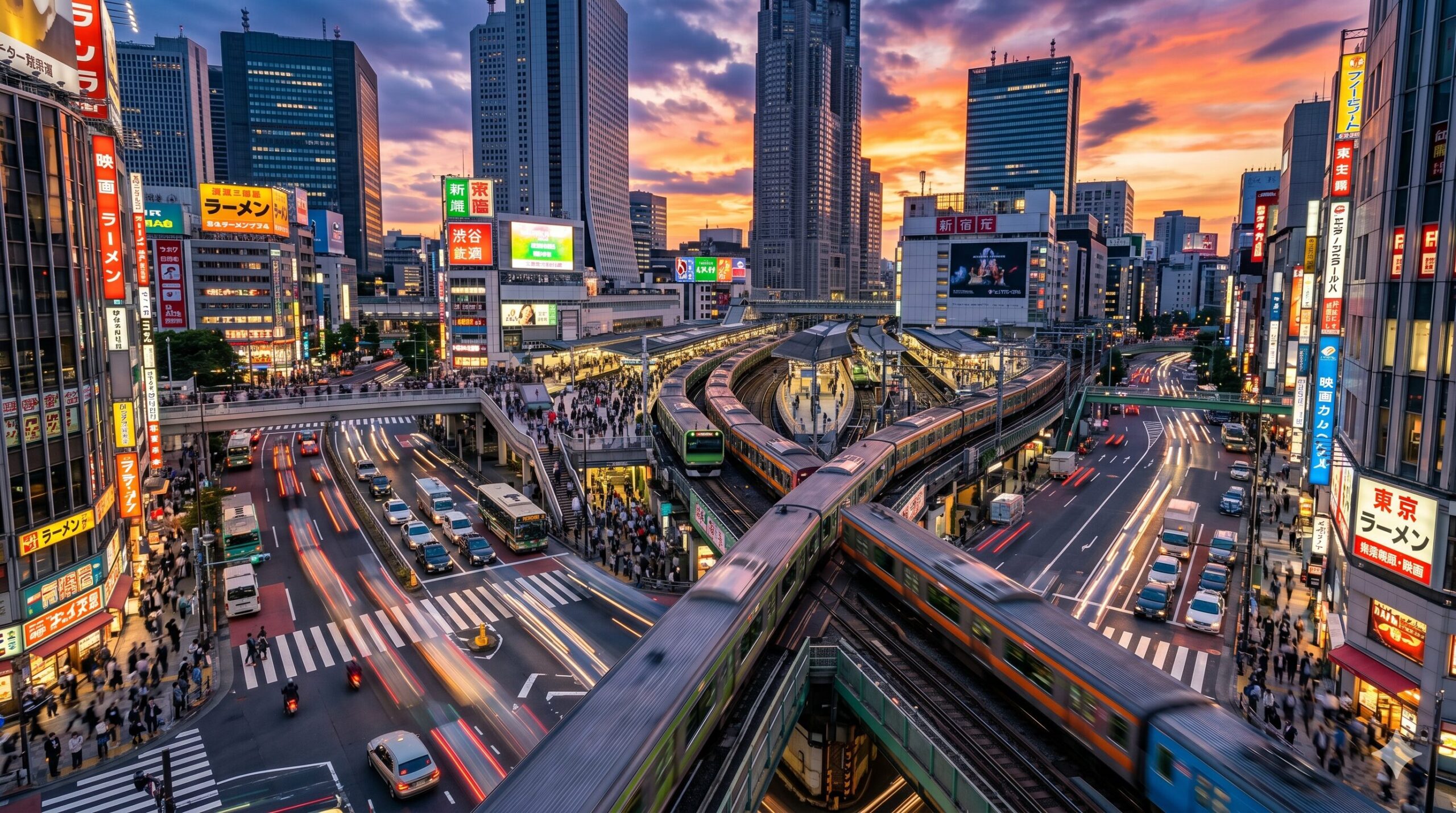
Tokyo has the deepest selection of capsule hotels in Japan, ranging from no-frills traditional pods to design-forward “luxury capsule” properties that rival mid-range hotels. The best picks for 2026 cluster around major transport hubs — Shinjuku and Shibuya for nightlife and shopping, Akihabara for tech and otaku culture, and Asakusa for traditional Tokyo close to Senso-ji Temple. Below are the categories that work for most international travelers, with what to expect at each price point.
DESIGN PICK
LIFESTYLE
VALUE
Tokyo capsule hotel areas at a glance
Each Tokyo district has its own personality, and your choice of capsule hotel location can shape your trip more than you’d expect. Shinjuku and Shibuya put you near the densest concentration of restaurants, shopping, and late-night entertainment but cost more per night. Akihabara is the choice for tech and anime culture with quieter evenings. Asakusa offers traditional atmosphere, easy access to Senso-ji Temple, and noticeably lower prices than the western Tokyo districts.
From the birthplace of the capsule hotel to Kyoto’s temple-quiet pod stays
Top Capsule Hotels in Osaka and Kyoto
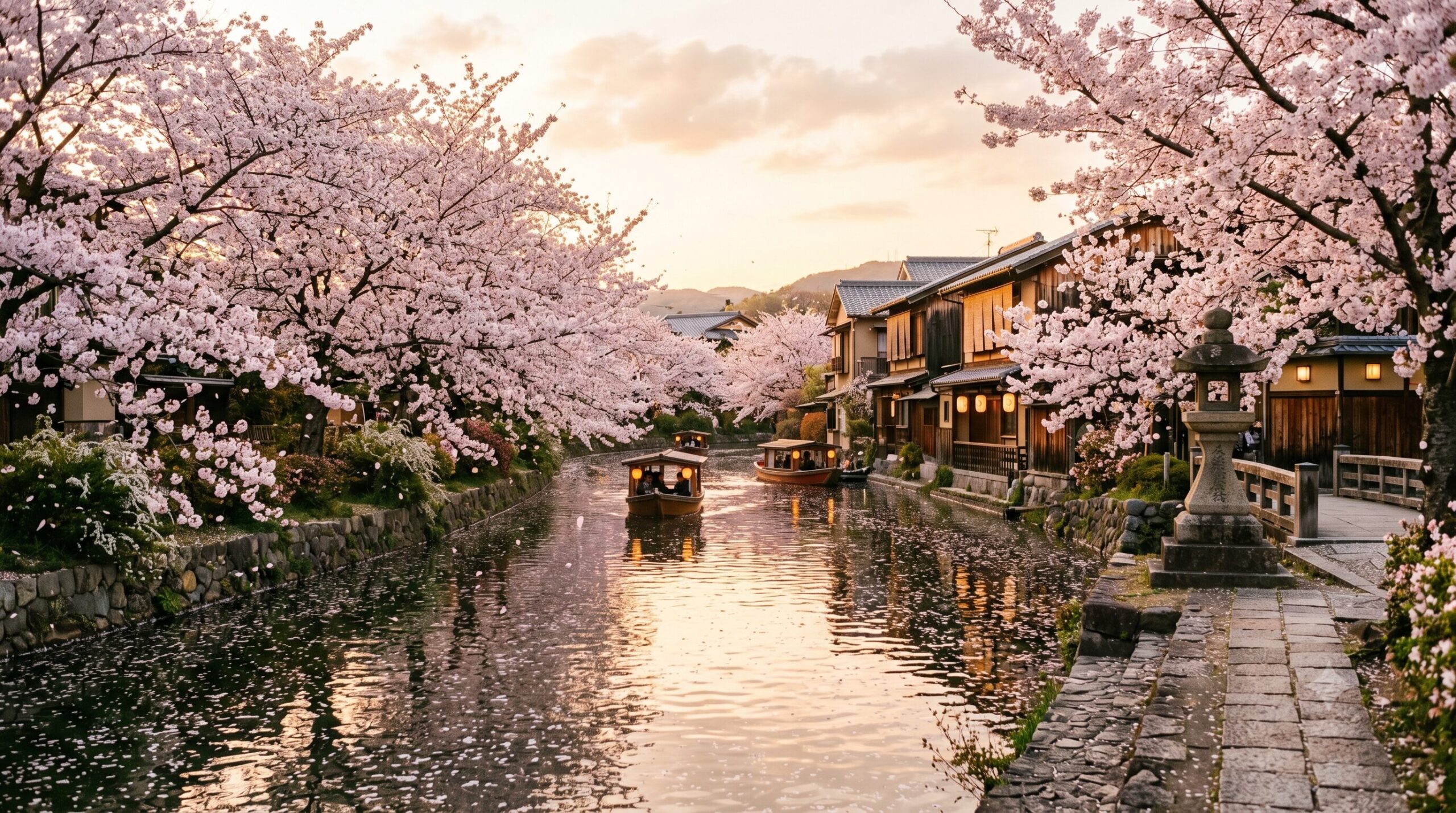
Osaka is the birthplace of the capsule hotel — the world’s first opened here in 1979 — and the city still has some of Japan’s best-value pod stays. Most international travelers cluster around Namba (Dotonbori, food and nightlife), Umeda (shopping and transport hub), and Shin-Osaka (Shinkansen access). Kyoto’s capsule hotel scene is smaller but offers some of the most atmospheric stays in Japan, often within walking distance of major temples or the Gion geisha district.
OSAKA PICK
PREMIUM
KYOTO PICK
Klook Osaka hotels — capsule and business hotel options in Namba, Umeda & Shin-Osaka
Why Osaka often beats Tokyo for capsule stays
Capsule hotels in Osaka typically cost 10–20% less than equivalent Tokyo properties, and the experience is often less crowded. Namba’s pod density rivals Shinjuku’s but with shorter waits at peak check-in times. If your itinerary includes both cities, plan to use capsule hotels in Osaka for budget nights and reserve a slightly nicer business hotel for Tokyo if you want a bit more space at the end of long sightseeing days.
Reliable mid-budget stays for couples, longer trips, and remote workers
Business Hotels in Japan — Best Picks Across Chains

Japanese business hotels run as efficient chains with consistent quality across the country. The major chains international travelers will encounter most often are APA Hotel (the largest, frequent locations near every major station), Toyoko Inn (free breakfast included, fast Wi-Fi), and Dormy Inn (slightly higher tier with public baths and free late-night ramen). Rooms are small by Western standards — often 12 to 15 square meters — but include everything you need: en-suite bathroom, desk, TV, kettle, and reliable Wi-Fi.
| Chain | Typical price | Standout feature |
|---|---|---|
| APA Hotel | ¥7,000–¥12,000 | Largest network, near every JR station |
| Toyoko Inn | ¥6,500–¥9,500 | Free breakfast included |
| Dormy Inn | ¥9,000–¥14,000 | Public bath + free late-night ramen |
| Sotetsu Fresa Inn | ¥7,500–¥11,000 | Slightly larger rooms |
| Super Hotel | ¥6,000–¥9,000 | Budget-friendly, sauna at many locations |
How to pick a business hotel that won’t disappoint
Three details matter more than the chain name. First, room size — anything under 11 square meters will feel cramped if you have a large suitcase. Second, breakfast — Toyoko Inn includes a simple buffet free, while APA and Dormy Inn charge extra (¥1,200–¥2,000). Third, public bath access — Dormy Inn’s onsen-style baths are a genuine perk after long sightseeing days and worth the price difference if you’ve never tried a Japanese public bath.
trip.com Osaka hotels — filter APA, Toyoko Inn, Dormy Inn by district and price
Quiet hours, shared baths, and the small habits that make you a welcome guest
Capsule Hotel Etiquette — Unwritten Rules First-Timers Should Know
Capsule hotels work because everyone respects a few shared expectations around quiet, cleanliness, and shared space. None of this is written on the wall, but breaking these unspoken rules will earn you sharp looks at best. Follow the basics below and you’ll fit in with the regulars from the first night.
Stay silent inside pod corridors after 10 PM
Sleep starts early for many guests, especially business travelers with morning meetings. Phone calls, loud video, and even normal-volume conversations in the corridors are noticeably out of place after 10 PM. Use the lounge area instead if you need to talk.
Put your phone on silent inside the pod
Pod walls are thin enough that ringtones and notification sounds travel. Vibrate-only or fully silent is the norm, including during the day if other pods are occupied.
Shower before entering shared baths
If your capsule hotel has a public bath or sauna, you must wash thoroughly at the seated shower stations before entering the soaking tub. This is not optional — it’s the core rule of Japanese bath culture and applies everywhere.
Use lockers for big suitcases
Most pods don’t have space for a large suitcase. Capsule hotels provide separate luggage storage — usually a locker near reception. Pack a small day bag for things you need inside the pod and store the rest.
Check in before late-night entry restrictions
Many capsule hotels lock the main entrance after midnight or 1 AM with key-card-only re-entry. If you’re coming back from late-night dining or bars, confirm the entry rules at check-in so you don’t end up locked out.
Things capsule hotels won’t accommodate
A few situations don’t work well in capsule hotels even if the price is right. Couples can’t share a pod — they’re single-occupancy by design. Most properties are gender-segregated by floor or wing, so couples will sleep on separate floors. Large luggage beyond a carry-on is awkward to manage. Stays longer than three nights start to feel cramped because you can’t fully unpack. If any of these apply, a business hotel is the better call.
Booking platforms, ID requirements, and what to do on arrival
How to Book Capsule Hotels Japan — Tips for International Travelers
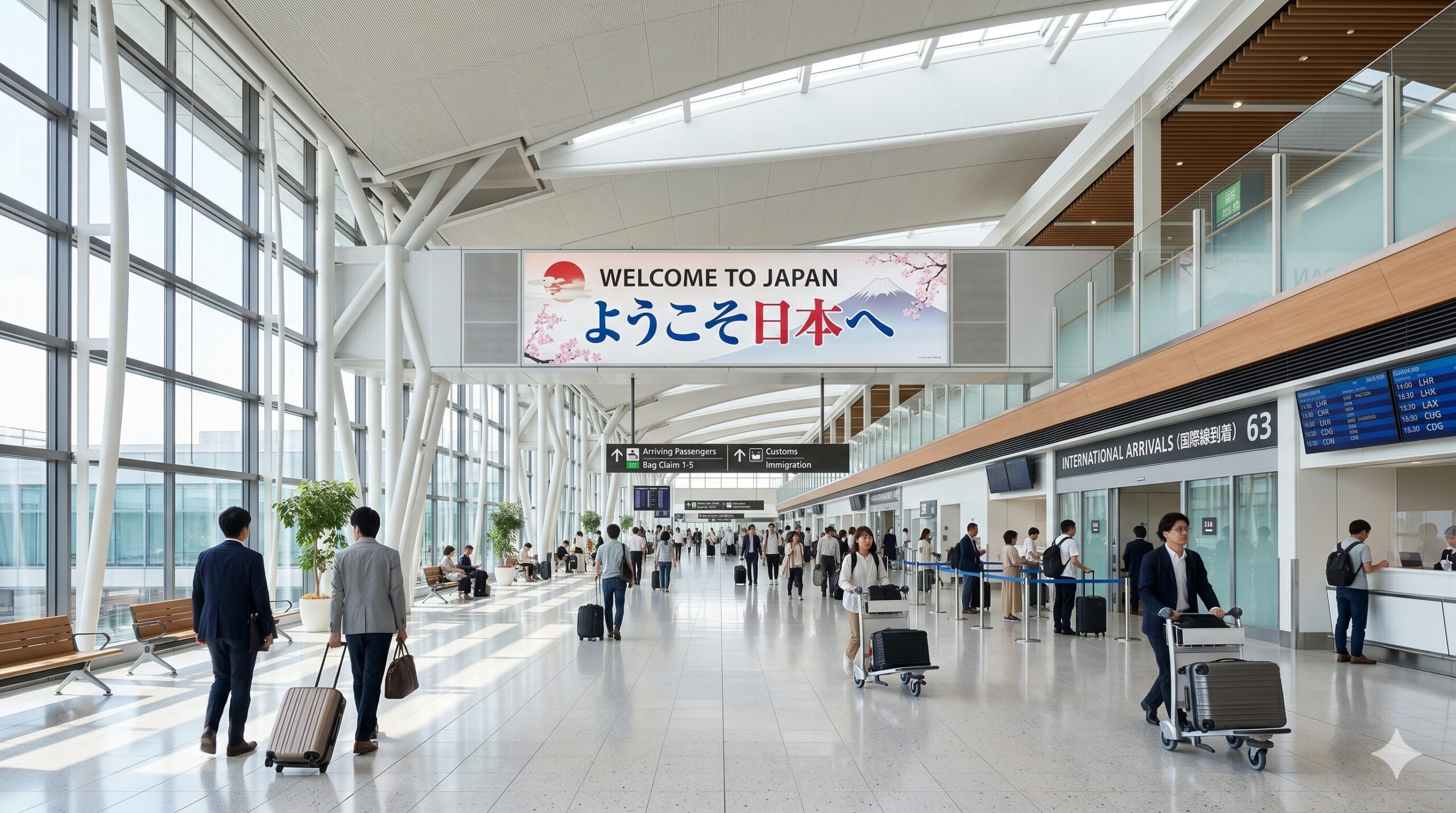
Booking a capsule hotel from overseas is straightforward in 2026 — every major property is listed on the international booking platforms most travelers already use. The biggest practical tips are around timing (popular pods sell out 2–4 weeks ahead in cherry blossom and autumn leaf seasons), gender restrictions (verify the property accepts your gender before paying), and ID requirements (a passport is mandatory at check-in for all foreign guests).
Book 2–4 weeks ahead for peak seasons
Late March through early April (cherry blossom) and mid-November (autumn leaves) sell out fastest. Off-peak months — January, June, early September — often have last-minute availability.
Check gender policies before paying
Some properties are men-only, some women-only, and some accept both with separated floors. Listing pages usually state this clearly — read carefully before clicking book.
Bring your passport for check-in
Japanese law requires hotels to scan the passport of every foreign guest, even for one-night capsule stays. Have it ready at reception to avoid delays.
Confirm late check-in if arriving after 10 PM
If your flight or train lands late, message the property in advance through the booking platform — some require you to notify staff for late arrivals, and some shut reception at midnight.
Sakura Mobile — unlimited SIM for instant booking confirmations and Google Maps to your pod
An honest look at what you gain and what you trade off
Pros & Cons of Staying in Capsule Hotels Japan
The capsule hotel experience earns enthusiastic fans and confirmed skeptics in roughly equal numbers. Most reviews skew positive because expectations are usually accurate — but a few real downsides catch travelers off guard. Here’s the honest balance sheet to help you decide before booking.
Pros
- Half the price of a business hotel in the same area
- Uniquely Japanese experience worth trying once
- Often include sauna and large public baths
- Surprisingly private inside the pod
- Spotlessly clean and well-secured
- Central station-side locations
Cons
- No room for couples or families together
- Limited luggage space inside pod
- Shared bathrooms can have peak-time queues
- Cramped feeling for stays beyond 3 nights
- Snoring or noisy neighbors travel through walls
- Some properties men-only or women-only
Try This
- Book one capsule night per trip as the experience
- Use business hotels for longer city stays
- Bring earplugs and an eye mask just in case
- Pick design-forward pods for a smoother first time
- Check sauna inclusion as a built-in amenity
Compare every accommodation type before locking in your itinerary
Continue Planning Your Stay in Japan
Capsule hotels are one piece of the Where to Stay puzzle. Most international travelers mix categories — a few capsule nights for budget cities, a business hotel for couple or longer stays, and one ryokan night for the cultural experience. The pages below cover every type in depth so you can build the right balance for your trip.
Start with the main accommodation hub for a side-by-side overview of every category, then drill into ryokan and luxury hotels if you’re considering a traditional Japanese inn night, or compare Airbnb and guesthouses if you prefer apartment-style stays in residential neighborhoods.
-
-
Where to Stay in Japan 2026 — Hotels, Ryokan & Budget Guide
▶ Stage 2 — Getting Ready Where to Stay in Japan 2026 — Hotels, Ryokan & Budget Guide Where to s …
続きを見る
-

-
Japanese Ryokan 2026 — Best Traditional Inns & Luxury Hotels in Japan
▶ Stage 2 — Getting Ready Japanese Ryokan 2026 — Traditional Inns & Luxury Hotels Guide A Japan …
続きを見る
Where to Stay in Japan — the full hub comparing capsule, business, ryokan, Airbnb & area picks
Six common questions answered before you book