Japanese Ryokan 2026 — Traditional Inns & Luxury Hotels Guide
A Japanese ryokan is more than accommodation — it’s a cultural experience built on tatami floors, futon bedding, onsen baths and the art of omotenashi hospitality. This guide compares Japan’s best traditional inns and luxury hotels, with booking tips, regional picks and what to expect from your first stay.
- What Is a Japanese Ryokan?
- Ryokan vs Luxury Hotel — Which Is Right for You?
- The Full Ryokan Experience — What to Expect
- Best Regions for a Japanese Ryokan Stay
- Booking a Ryokan — Insider Tips
- Luxury Hotels in Japan — The Top Tier
- Ryokan Etiquette — Do’s and Don’ts
- Frequently Asked Questions
- Plan Your Japanese Ryokan Stay
What Is a Japanese Ryokan?
New to Japan accommodation? Read the Where to Stay hub first for the full picture.
A traditional inn built around omotenashi hospitality

A Japanese ryokan is a traditional inn whose roots stretch back over a thousand years. Where a Western hotel rents you a room, a ryokan offers a curated cultural experience: tatami-mat floors, sliding shoji screens, futon bedding laid out each evening by an attentive host, and meals served in your room or a private dining area.
Most ryokan are family-run and small in scale — typically 10 to 30 rooms — which is what makes the hospitality, known as omotenashi, so personal. Staff anticipate your needs before you voice them: tea on arrival, a yukata robe in your size, a heated kotatsu in winter, an umbrella waiting at the genkan when it rains.
Stay connected at your ryokan — Sakura Mobile unlimited SIM with Japan-based English support.
Two flavours of ryokan you’ll encounter
| Type | What to expect | Best for |
|---|---|---|
| Onsen ryokan | Built around natural hot-spring baths, often in mountain or coastal towns. Kaiseki dinner included. | First-time cultural stay |
| City ryokan | Smaller traditional inns in Kyoto, Tokyo or Kanazawa. May not have onsen but offer machiya architecture and proximity to sights. | Sightseeing-focused trips |
Side-by-side comparison of the two flagship Japanese stay styles
Ryokan vs Luxury Hotel — Which Is Right for You?
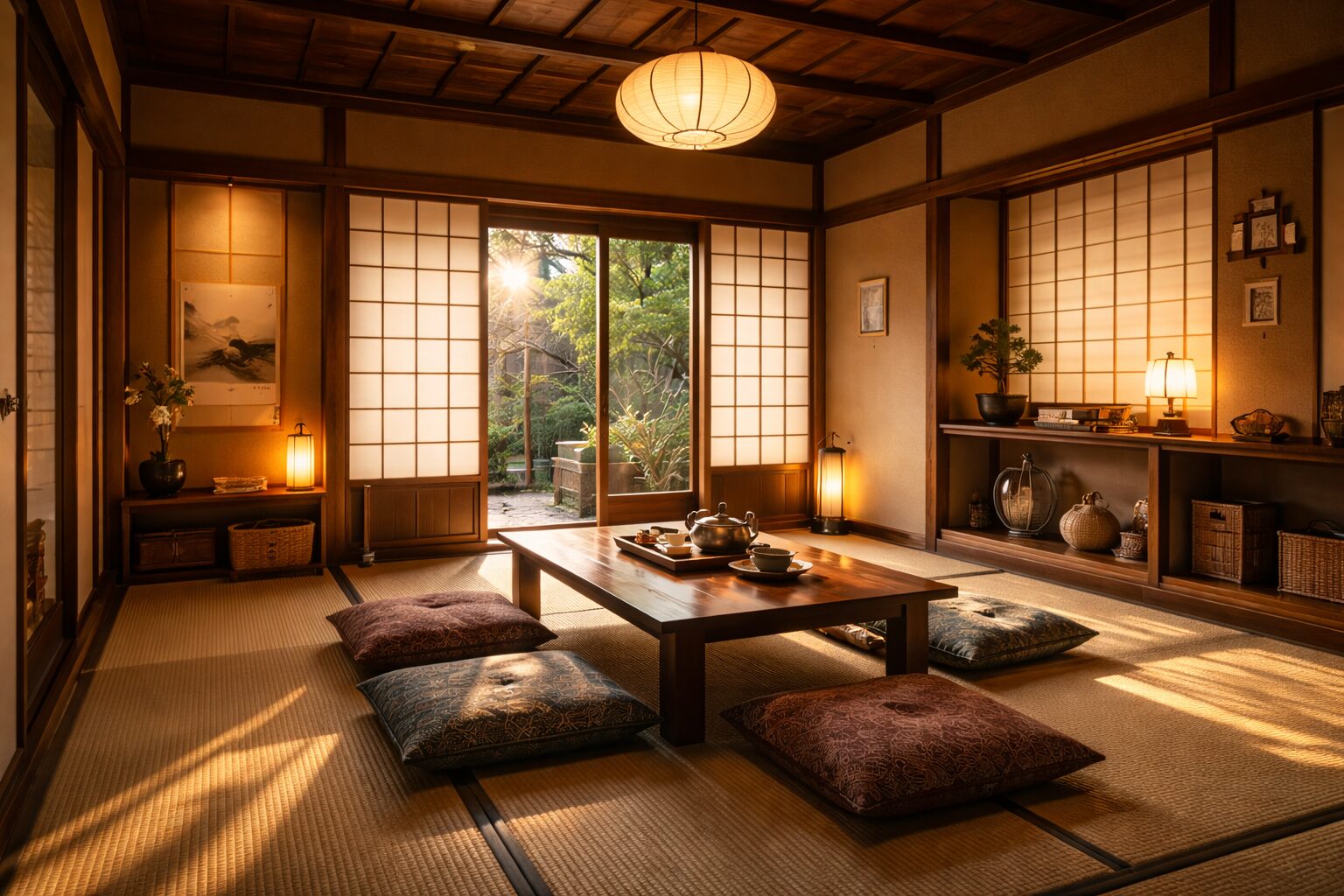
Both deliver world-class hospitality, but the underlying experience is fundamentally different. A ryokan immerses you in a centuries-old way of living; a luxury hotel — think Aman, Park Hyatt, Mandarin Oriental, The Ritz-Carlton — wraps you in international five-star polish with a Japanese twist.
CULTURAL STAY
MODERN STAY
Which should you choose?
- Choose a ryokan if you want the cultural experience — at least one or two nights in your itinerary, ideally in an onsen town
- Choose a luxury hotel if you’re city-focused, prefer Western bedding, or are on a longer business-style stay
- Best of both worlds — many travellers mix: 3-4 nights at a Tokyo hotel + 1-2 nights at a Hakone or Kyoto ryokan
Compare ryokan, onsen inns and luxury hotels across Japan on trip.com — English support and instant confirmation.
From check-in to kaiseki dinner to onsen at dawn
The Full Ryokan Experience — What to Expect
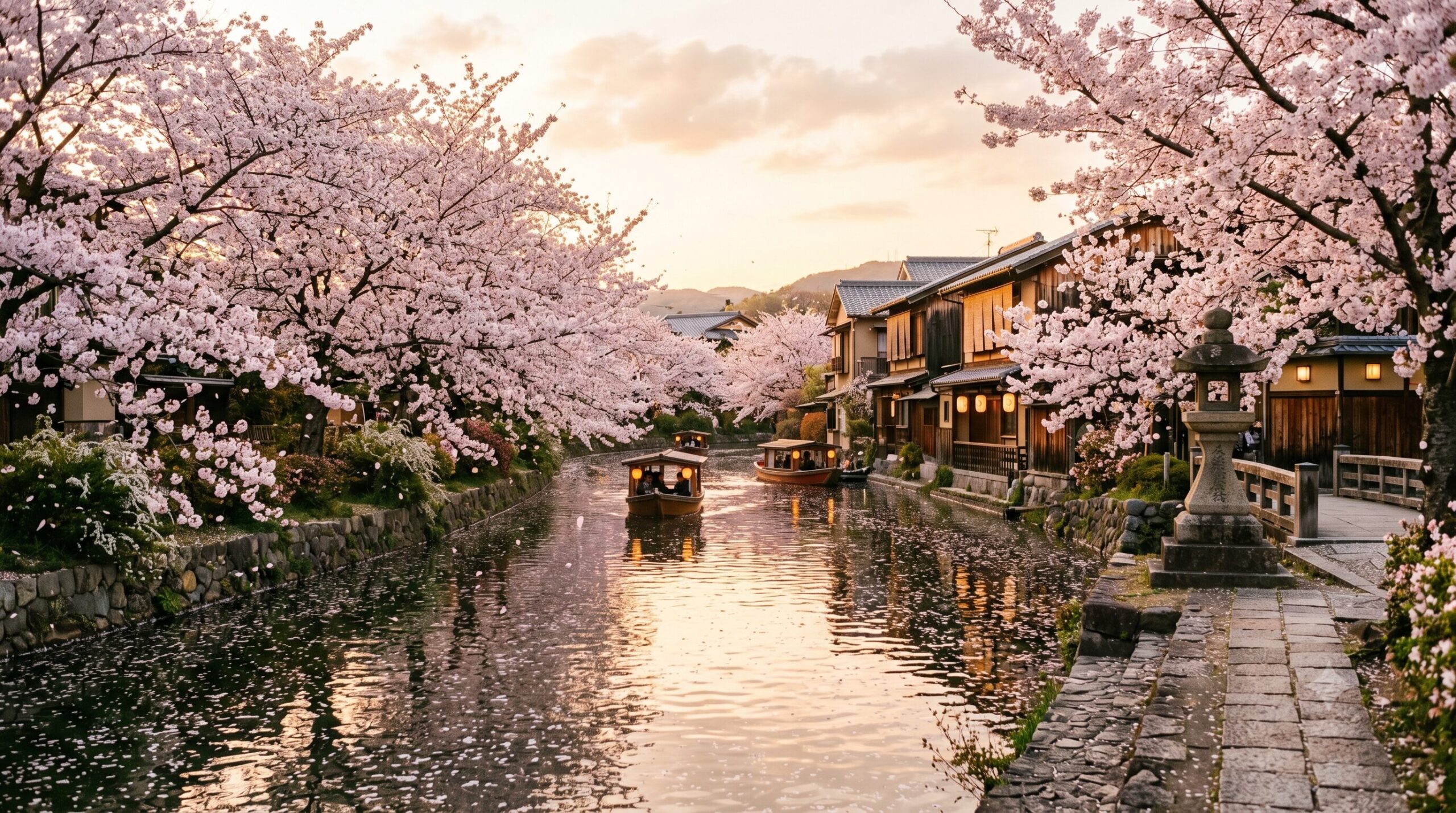
A first ryokan stay can feel unfamiliar, but the rhythm is gentle and the staff guide you at every step. Here’s how a typical evening unfolds at a quality Japanese ryokan.
Check-in & welcome tea (15:00–16:00)
Remove your shoes at the genkan entrance. You’ll be escorted to your tatami room, served matcha or sencha with a small wagashi sweet, and walked through the facilities — bath times, dinner time, breakfast time.
Change into yukata & first onsen soak (16:00–17:30)
Each guest gets a yukata robe and an obi belt. Wear it everywhere inside the ryokan — to dinner, to the baths, to the lobby. Take your first onsen soak before dinner; you’ll be at your most relaxed.
Kaiseki dinner (18:00–20:00)
A multi-course seasonal meal — typically 8 to 12 dishes — served in your room or a private dining space. Expect sashimi, grilled fish, simmered vegetables, a hot pot and rice with miso soup. This is the cultural high point of the stay.
Futon turndown & evening onsen (20:30–22:00)
While you’re at dinner, staff lay out your futon. Take a final onsen soak under the stars — many ryokan offer outdoor rotenburo baths that are at their best at night.
Morning onsen & traditional breakfast (07:00–09:00)
Start with an early bath, then a Japanese breakfast: grilled fish, rice, miso soup, pickles, tofu, a small egg dish. Check-out is typically 10:00 or 11:00.
Want to deepen the cultural side? Add a tea ceremony or kimono experience to your ryokan day.
Five onsen towns and cultural cities worth the trip
Best Regions for a Japanese Ryokan Stay
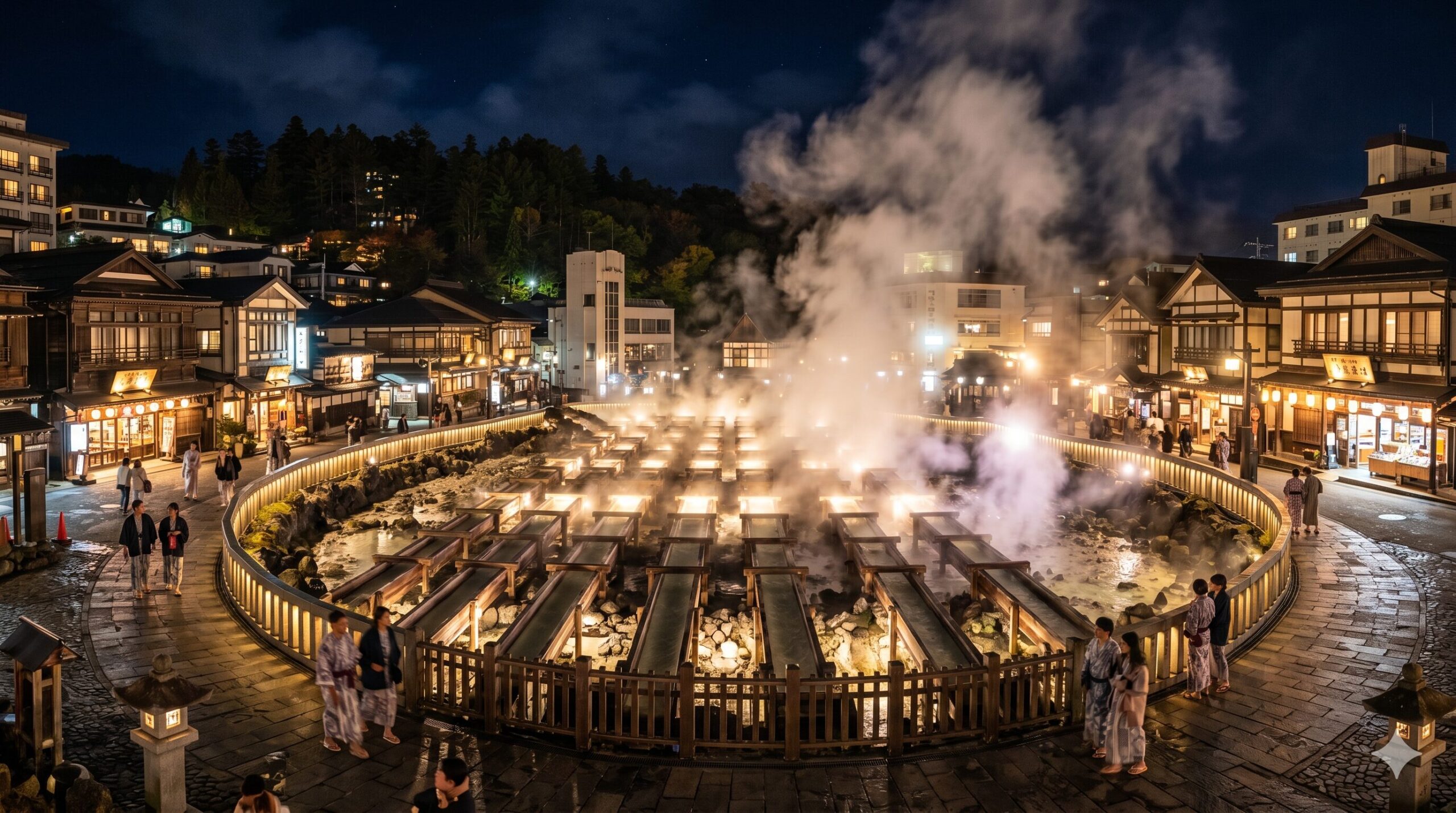
The character of your Japanese ryokan stay shifts dramatically by region. A coastal inn in Izu feels nothing like a mountain ryokan in Kusatsu, which feels nothing like a Kyoto machiya. Here are the five regions worth prioritising.
Hakone — the easiest first ryokan
Closest authentic onsen ryokan region to Tokyo. Reachable in 90 minutes via the Romancecar limited express. Hakone Yumoto, Gora and Sengokuhara are the three areas to look at, with several inns offering Mt. Fuji views from their open-air baths. If you have one night to spare, spend it here.
Kyoto — for machiya & cultural depth
Kyoto’s ryokan are mostly machiya townhouse style — narrow, wooden, and often without onsen, but rich in tea ceremony, kaiseki and proximity to Gion, Higashiyama and the famous temples. A two-night stay here pairs well with three nights at a Tokyo hotel.
Kusatsu Onsen — for hot-spring purists
One of Japan’s three most famous onsen towns. The streaming Yubatake at the centre of town is a national landmark. Stay 1-2 nights for the full bath-hopping experience; the sulfuric, mineral-rich waters are unlike Hakone’s.
Yufuin & Kurokawa (Kyushu)
If you’re heading to Kyushu, Yufuin offers a stylish onsen-town experience and Kurokawa Onsen, deep in Kumamoto, retains an Edo-period atmosphere with thatched-roof inns. Both pair well with Fukuoka or Beppu trips.
Izu Peninsula — coastal seafood ryokan
South of Tokyo, the Izu Peninsula’s seaside ryokan specialise in fresh sashimi kaiseki and ocean-view baths. Atami and Ito are the easiest gateways; Shimoda is worth the extra travel for less crowded coastline.
How to find the right inn at the right price
Booking a Ryokan — Insider Tips
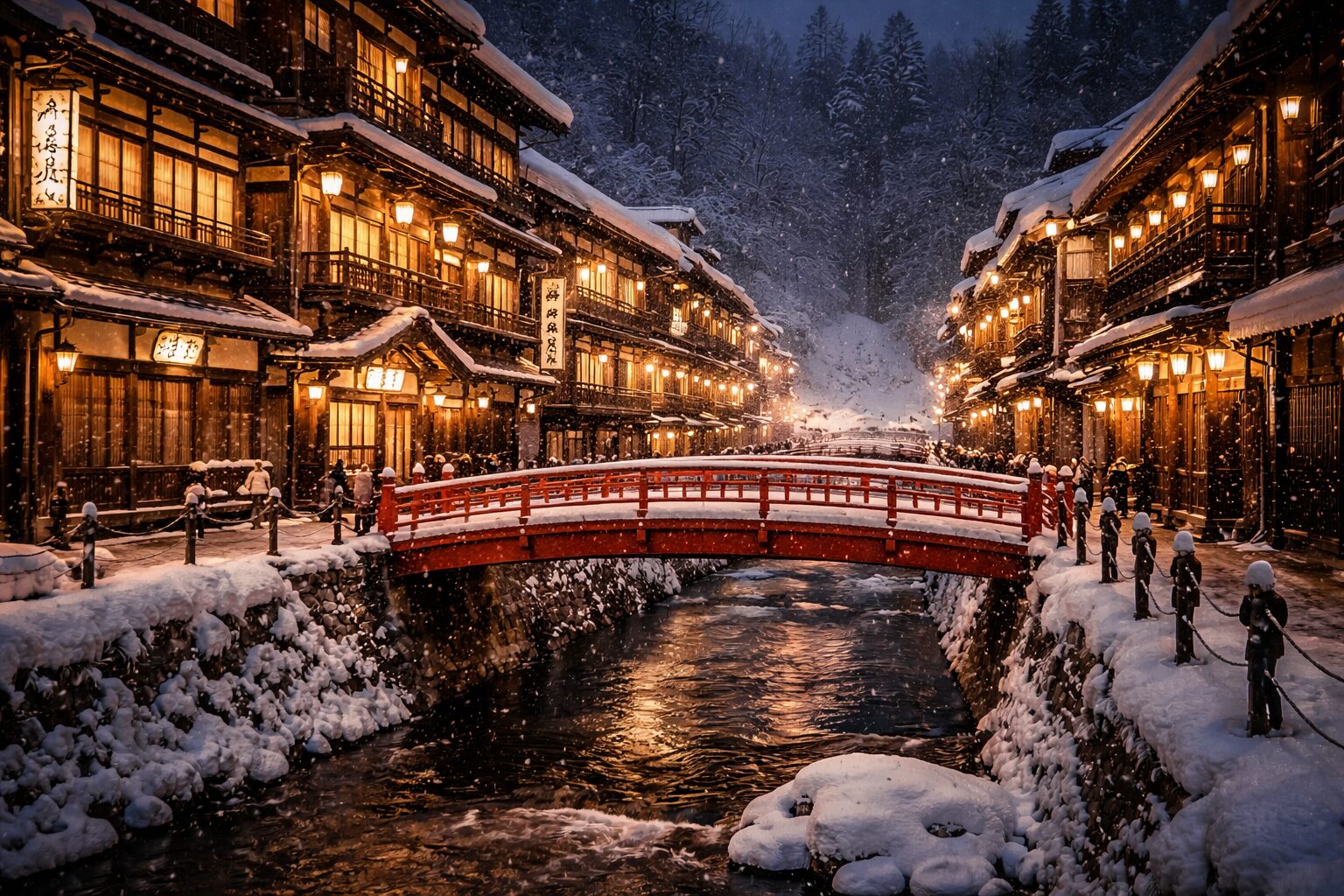
The best ryokan book out 3-6 months in advance, especially for cherry blossom (late March), autumn foliage (mid-November) and New Year holidays. Plan early, and follow these rules.
Browse ryokan and luxury hotels with full English support, photos and reviews on trip.com.
For when modern five-star comfort is the priority
Luxury Hotels in Japan — The Top Tier
If a tatami floor isn’t your idea of comfort, Japan’s luxury hotel scene is among the world’s strongest. International chains and Japanese flagships compete on impeccable service, michelin-grade restaurants and panoramic city views.
| Hotel | Location | What it’s known for |
|---|---|---|
| Aman Tokyo | Otemachi | Zen minimalism + panoramic Imperial Palace view |
| The Ritz-Carlton, Tokyo | Roppongi | 53rd floor lobby · classic luxury · Mt. Fuji view |
| Park Hyatt Tokyo | Shinjuku | Lost in Translation hotel · New York Bar |
| Mandarin Oriental Tokyo | Nihonbashi | Spa · 2 Michelin-starred restaurants |
| HOSHINOYA Kyoto | Arashiyama | Riverside ryokan-style luxury · boat-only access |
| The Ritz-Carlton, Kyoto | Kamogawa | Modern · river-front · Japanese garden |
| Conrad Osaka | Osaka | 40F views · contemporary Japanese art |
For mid-tier luxury (¥40,000–¥80,000/night) consider The Tokyo Station Hotel, Hyatt Regency Kyoto or Imperial Hotel Tokyo — all deliver excellent service without the top-tier price tag.
Browse Tokyo luxury hotels with member discounts and English booking support on Klook.
Simple customs that earn you genuine smiles from your host
Ryokan Etiquette — Do’s and Don’ts
Ryokan etiquette is gentler than most travellers fear. Hosts know foreigners are new to this — they’ll guide you. But following these basics shows respect and makes the stay flow naturally.
DO
- Remove shoes at the genkan; switch to indoor slippers
- Switch to bathroom slippers in the toilet
- Wash thoroughly before entering the onsen pool
- Wear the yukata — including to dinner & lobby
- Be on time for meals; kaiseki is timed precisely
DON’T
- Walk on tatami in slippers — bare feet or socks only
- Bring soap, shampoo or towels into the onsen pool
- Take photos in shared bath areas (privacy)
- Show visible tattoos in communal baths
- Ask for menu substitutions during kaiseki
TRY
- Saying “Itadakimasu” before meals, “Gochisousama” after
- A morning onsen soak before breakfast
- Walking the town in your yukata after dinner
- Asking the host for a local recommendation
- Leaving the room neat at check-out as a thank-you
Need a full primer on Japanese etiquette beyond the ryokan? Read our travel tips hub.
Frequently Asked Questions
Next steps for booking your first traditional inn
Plan Your Japanese Ryokan Stay
-
-
Where to Stay in Japan 2026 — Hotels, Ryokan & Budget Guide
▶ Stage 2 — Getting Ready Where to Stay in Japan 2026 — Hotels, Ryokan & Budget Guide Where to s …
続きを見る
-

-
Cultural Experiences Japan 2026 — Kimono, teamLab & Food Tours
▶ Stage 3 — Experiences Cultural Experiences Japan 2026 — Kimono, teamLab & Food Tours cultural …
続きを見る
RELATED — WHERE TO STAY