Japan Airbnb 2026 — Best Guesthouses & Vacation Rentals for Authentic Stays
Looking for a Japan Airbnb that feels more local than a hotel? This 2026 guide covers licensed vacation rentals, traditional machiya townhouses, modern city apartments, and family-friendly guesthouses across Tokyo, Kyoto, Osaka, and beyond — with the rules, price ranges, and platforms you actually need to know.
- Why Choose a Japan Airbnb Over a Hotel?
- 5 Types of Japan Airbnb & Guesthouses
- Is Airbnb Legal in Japan? Minpaku Rules Explained
- Best Cities for a Japan Airbnb in 2026
- Japan Airbnb Prices by Season — When to Book
- Where to Book — Platforms & Practical Tips
- What to Expect at a Japanese Airbnb
- Plan Your Japan Trip Beyond the Stay
- Japan Airbnb FAQ
Why Choose a Japan Airbnb Over a Hotel?
New to Japan accommodation? Start with our full Where to Stay hub — hotels, ryokan, capsule, Airbnb compared.
Value, space, and a more local trip
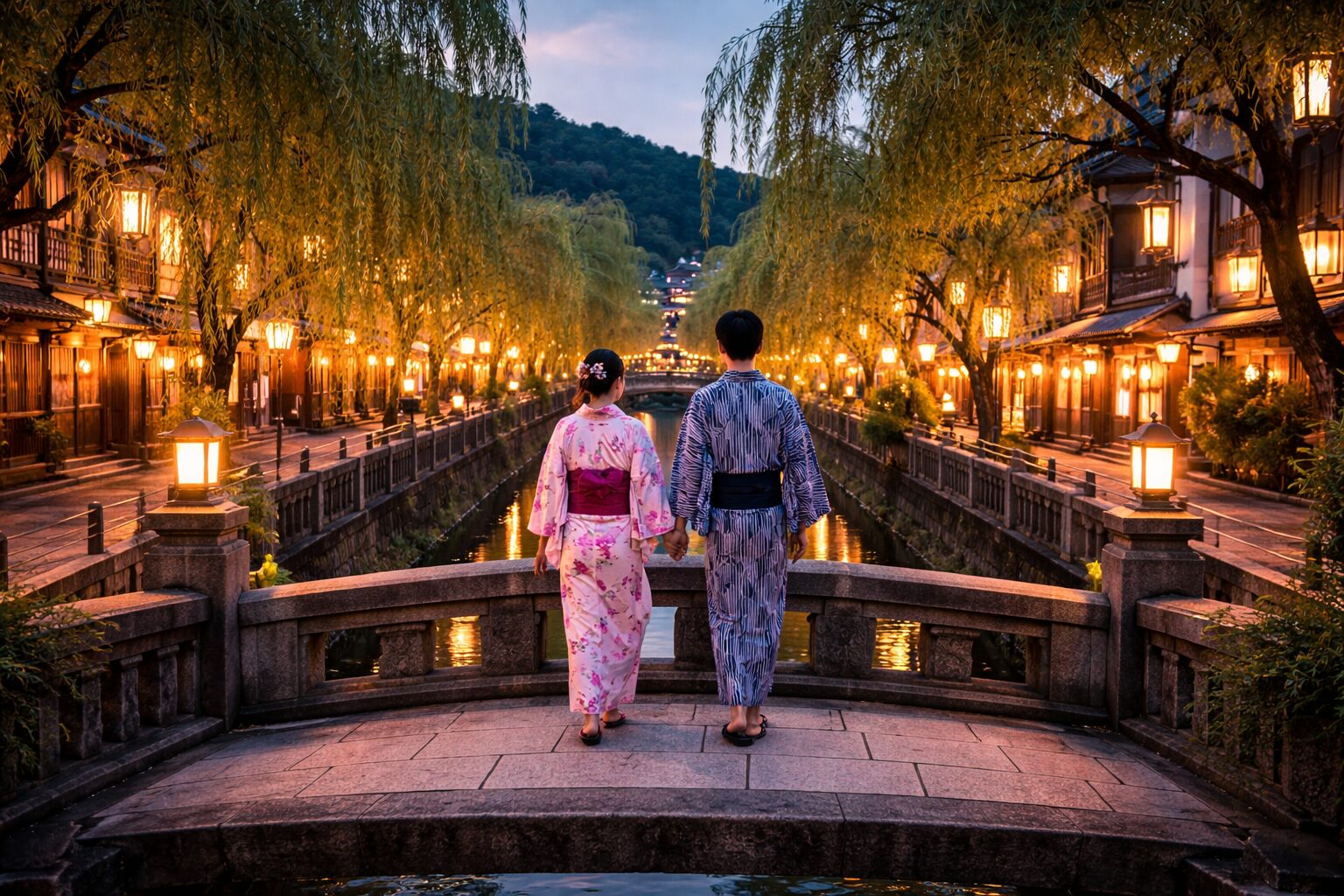
Japan’s hotel scene is excellent — but it’s also tight. A standard Tokyo business hotel room is often under 14 m², built for one or two travelers with a suitcase each. A Japan Airbnb typically gives you 30–80 m², a kitchen, a washing machine, and a layout you can actually unpack into. For couples, families, and groups of three or more, the math usually swings toward a vacation rental.
Beyond size, the appeal is the neighborhood itself. Hotels cluster around stations and tourist districts. Airbnb listings put you in residential pockets of Setagaya, the back streets of Gion, or a quiet Osaka alley near a local sento. That’s where you’ll find the family-run noodle shop your hotel concierge has never heard of.
Quick comparison — Airbnb vs hotel in Japan
| Factor | Japan Airbnb | Hotel |
|---|---|---|
| Space per room | 30–80 m² | 12–25 m² |
| Kitchen | Yes (most) | No (kettle only) |
| Washing machine | Yes (most) | Paid coin laundry |
| Daily cleaning | No | Yes |
| Check-in | Self / lockbox | Front desk staff |
| Good for groups 3+ | Excellent | Expensive (twin only) |
| Average nightly (Tokyo, mid-range) | ¥14,000–22,000 | ¥16,000–28,000 (twin) |
If you’re a solo traveler doing a 3-night Tokyo dash, a hotel still wins on convenience. But the moment your trip stretches past four nights, includes laundry, or involves more than two people, a Japan Airbnb usually delivers more square meters per yen — and a softer landing into Japanese daily life.
From machiya to capsule — pick the one that fits your trip
5 Types of Japan Airbnb & Guesthouses
“Airbnb in Japan” is an umbrella covering wildly different stays. The five types below behave like different products with different price ranges, legal frameworks, and traveler profiles. Picking the right type matters more than picking the right listing.
Machiya Townhouses — historic wood houses
Machiya are traditional wooden townhouses, narrow at the front and deep inside, usually 80–150 years old and lovingly restored. You sleep on futon over tatami, slide open paper doors, and bathe in a wooden hinoki tub. Most machiya rentals are licensed under Japan’s official Minpaku framework or operated as registered ryokan.
- Best for: Couples, culture-first travelers, photographers
- Where: Kyoto (highest density), Kanazawa, Takayama, Naoshima
- Price: ¥18,000–45,000/night, often higher in cherry blossom season
- Watch out: No daily cleaning, no elevator, stairs are steep
Modern City Apartments
The most common Japan Airbnb category — full apartments in residential buildings, usually 25–60 m², with WiFi, washer, induction stove, and a small bathroom. Hosts hand over a key via a lockbox or smart lock; you’ll rarely meet them in person.
- Best for: Solo and couple travelers, 3–7 night stays
- Where: Tokyo (Shinjuku, Shibuya, Asakusa), Osaka (Namba, Shinsaibashi), Yokohama, Fukuoka
- Price: ¥9,000–18,000/night for 2 people
- Watch out: Confirm the Minpaku license number is shown on the listing
Ryokan-Style Vacation Rentals
These are detached houses or villas styled as a private ryokan — tatami rooms, kaiseki-friendly kitchen, sometimes a private rotenburo (outdoor hot spring). Most are in onsen regions and rented as a whole property to one group.
- Best for: Multi-generational families, special-occasion trips
- Where: Hakone, Yufuin, Beppu, Kusatsu, Nikko
- Price: ¥35,000–120,000/night for the whole house (4–8 guests)
- Watch out: Some require a 2-night minimum and a hefty cleaning fee
Guesthouses & Hostels with Private Rooms
Halfway between Airbnb and a hostel — small, host-run properties with 4–12 rooms, a shared lounge, and someone on site you can actually talk to. Many advertise on Airbnb but also list on Booking.com and direct sites.
- Best for: Solo travelers, first-time visitors, anyone wanting local intel
- Where: Everywhere — strongest in Kyoto, Onomichi, Takayama, Yakushima
- Price: ¥4,500–9,000/night for a private double room
- Watch out: Shared bathrooms in older properties
Capsule-Style & Pod Stays
Not strictly Airbnb territory, but increasingly listed as private “rooms” — futuristic capsule pods, often with shared baths and an attached café or co-working space. Great for one or two nights in the middle of a multi-city itinerary.
- Best for: Budget solo travelers, single overnight stops
- Where: Tokyo (Shinjuku, Akihabara), Osaka (Umeda), Fukuoka, Kyoto Station area
- Price: ¥3,500–6,500/night
- Watch out: Limited storage; many are gender-segregated
Comparing hotels alongside Airbnb? Klook lists licensed Japan hotels with instant booking and member prices.
The 180-day rule and what to check before booking
Is Airbnb Legal in Japan? Minpaku Rules Explained
Yes — short-term rentals are legal in Japan, but they are regulated more tightly than in most countries. The framework is called Minpaku (民泊), formalized by the Private Lodging Business Act of 2018. Every licensed property has a registration number that must appear on the listing, and a single property cannot be rented as a Minpaku for more than 180 days a year.
The three legal paths a Japan Airbnb can take
| Path | Annual limit | Typical listing |
|---|---|---|
| Minpaku (民泊) | 180 days/year | Most Tokyo & Osaka apartments |
| Tokku Minpaku (特区民泊 / Special Zone) | No cap (2-night min) | Some Osaka & Ota-ku listings |
| Ryokan / Hotel license | No cap | Machiya, ryokan-style rentals |
Before-you-book checklist
- Confirm a license number is shown on the listing page (Minpaku/Tokku/Ryokan)
- Check the cancellation policy — strict policies are normal in Japan
- Read at least 5 recent reviews, ideally from travelers in the last 90 days
- Message the host before booking and confirm check-in process in English
- Save the property address in Google Maps — Japanese addresses are not intuitive
Where vacation rentals beat hotels — and where they don’t
Best Cities for a Japan Airbnb in 2026
Airbnb supply, regulation, and value swing dramatically by city. The four card-tables below compare nightly price, supply, and the type of traveler each city suits best.
HIGH SUPPLY
MACHIYA HUB
BEST VALUE
RYOKAN STYLE
If you’re building a multi-city trip, the smart play is mixing types: a modern Tokyo apartment for week one, a Kyoto machiya for a 3-night cultural break, and a whole-house ryokan rental in Hakone for the final two nights. Each delivers a different memory at a different price point.
Peak weeks can double the base rate
Japan Airbnb Prices by Season — When to Book
Japan’s tourism calendar has sharp peaks and quiet valleys, and Airbnb rates follow them more aggressively than hotels. Booking 90 days ahead during peak weeks isn’t paranoia — it’s standard practice.
| Season | Demand | Price modifier |
|---|---|---|
| Cherry blossom (late Mar–early Apr) | 🔥 Extreme | +40–70% |
| Golden Week (29 Apr–5 May) | 🔥 Extreme | +50–100% |
| Summer school holidays (mid-Jul–Aug) | High | +15–30% |
| Autumn koyo (mid-Nov–early Dec) | 🔥 High | +30–50% |
| New Year (28 Dec–3 Jan) | High | +30–60% |
| Jun (rainy season) | Low | Base / -10% |
| Feb (post-NY lull) | Low | Base / -15% |
If your dates are flexible, late January, June, and early September deliver the deepest Airbnb value in Japan. Conversely, anyone targeting cherry blossom in Kyoto should accept that you’ll pay roughly double the off-season rate — and book the moment your flights are confirmed.
Airbnb, Booking.com, and direct sites compared
Where to Book — Platforms & Practical Tips
Airbnb is dominant for Minpaku apartments and machiya in Japan, but it isn’t the only game. Booking.com lists thousands of Japan guesthouses and ryokan-style rentals that aren’t on Airbnb, often with more flexible cancellation. Vrbo and Rakuten Stay cover whole-house and serviced apartments. For high-end machiya, direct booking through operators like Kyoto Machiya Stay or Kominka Stay often beats platform prices.
Practical booking tips
- Book on a desktop browser, not the app — you can see the full address and license number more clearly
- Always pay through the platform. Off-platform “discounts” forfeit protection
- Screenshot the listing, license number, and host messages before arrival
- For families with young children, message the host to confirm noise rules and futon counts
- Save the property’s nearest train station as an offline pin in Google Maps
Most Airbnb check-ins rely on email and Google Maps from your phone. Get a working SIM the moment you land.
Small Sakura Mobile / Klook eSIM widgets
Quirks, etiquette, and small details that catch visitors off-guard
What to Expect at a Japanese Airbnb
Japan’s vacation rentals operate on slightly different rules from what most international travelers are used to. None of these are dealbreakers — but knowing them up front prevents the first-night confusion that ruins reviews.
Check-in is almost always self-service
Expect a lockbox code, a smart lock app, or a small reception kiosk. The host usually doesn’t live on the property. Read the check-in instructions the day before — not at midnight outside the door with bad WiFi.
Shoes off — always
There’s a small entryway (genkan) at the door. Shoes stop there. Slippers are usually provided for the apartment, with a second pair specifically for the bathroom. Walking inside with outdoor shoes is the fastest way to upset a host.
Trash sorting is mandatory
Most Japan Airbnb hosts will leave a one-page guide. Expect 3–5 categories: burnable, plastic, PET bottles, cans/glass, paper. Collection day varies by ward — follow the instructions exactly.
Bathrooms have separate slippers
The bathroom has its own pair of plastic slippers. Switch into them at the door. The shower area is separate from the bath itself — you wash sitting on a stool, then soak in clean water.
Quiet hours start at 9pm
Walls are thin. Apartments in residential buildings often have explicit quiet-hour rules in the house manual. Outdoor luggage rolling on a quiet street at 11pm will get you noise-complaint reviews.
Pair your Airbnb booking with the rest of the essentials
Plan Your Japan Trip Beyond the Stay
Where you sleep is one slice of the trip. Pair this guide with the other Getting Ready essentials to lock down transport, connectivity, and a city-by-city plan before you board your flight.
-
-
Where to Stay in Japan 2026 — Hotels, Ryokan & Budget Guide
▶ Stage 2 — Getting Ready Where to Stay in Japan 2026 — Hotels, Ryokan & Budget Guide Where to s …
続きを見る
-

-
Japan Transportation Guide 2026 — Trains, JR Pass & IC Cards
▶ Stage 2 — Getting Ready Japan Transportation Guide — Trains, JR Pass & IC Cards Explained Eve …
続きを見る
Looking for inspiration on what to actually do once you’ve checked in? Start with the destination guides for Japan’s most popular Airbnb cities.
-
-
Things to Do in Tokyo 2026 — Complete Travel Guide for First-Time Visitors
▶ Destination — Tokyo Things to Do in Tokyo 2026 — Complete Travel Guide The trusted guide to the be …
続きを見る
-
-
Things to Do in Kyoto 2026 — Temples, Geisha & Essential Travel Guide
▶ Stage 4 — Destination · Kyoto Things to Do in Kyoto 2026 — Japan’s Cultural Heart Things to …
続きを見る
The 7 questions travelers ask most
Japan Airbnb FAQ
RELATED — WHERE TO STAY & NEARBY