Best Places to Stay Japan 2026 — Area-by-Area Accommodation Guide
Finding the best places to stay Japan offers means choosing the right neighborhood, not just the right hotel. This guide breaks down Tokyo, Kyoto, Osaka, Hokkaido, Okinawa and Hiroshima area by area — so you sleep five minutes from where you actually want to be.
- Why Neighborhood Beats Hotel Brand in Japan
- Tokyo — Best Areas to Stay by Traveler Type
- Kyoto — Three Neighborhoods That Define Your Trip
- Osaka — Namba vs Umeda, the Only Real Question
- Hokkaido — Sapporo, Niseko or Furano?
- Okinawa — Naha City, Onna Coast or the Outer Islands?
- Hiroshima — One Night, Two Choices
- Budget Reality Check — 2026 Price Brackets by City
- Stay Connected & Get Around — The Two Essentials
- FAQ — Best Places to Stay Japan
Why Neighborhood Beats Hotel Brand in Japan
New to Japan accommodation? Read the Where to Stay overview first to pick your style (hotel / ryokan / capsule / Airbnb), then come back here for the neighborhood call.
A 10-minute walk decides whether your trip feels effortless or exhausting
Japan’s train system is excellent — but that doesn’t mean every neighborhood is equally convenient. The best places to stay Japan visitors choose share three traits: walking distance to a major JR or subway line, a cluster of restaurants open past 9 pm, and proximity to at least one anchor sight you’ll actually visit. Brand and star rating come after that filter.
The three questions to ask before you book
The right neighborhood saves you 30–60 minutes of daily transit — which is one extra meal, one extra temple, or one extra hour of sleep.
Shinjuku, Shibuya, Ginza, Asakusa, Tokyo Station & Ueno compared
Tokyo — Best Areas to Stay by Traveler Type
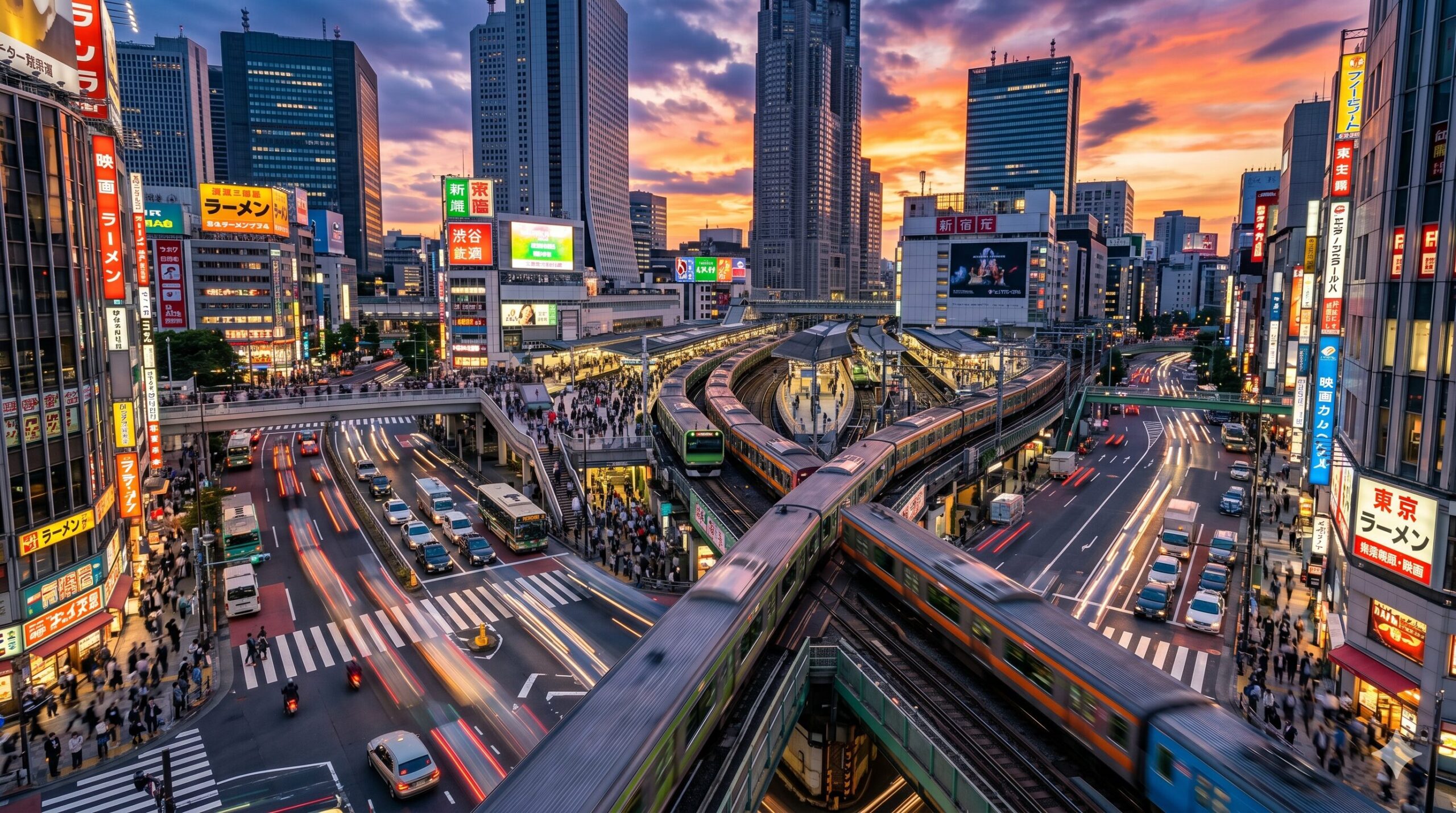
Tokyo is functionally six cities stitched together by trains. Pick the wrong neighborhood and you’ll spend two hours a day commuting to what you came to see. These are the best places to stay Japan’s capital offers, ranked by who you are.
BEST FOR 1ST-TIMERS
via Klook
UPSCALE
YOUNG TRAVELERS
JR PASS USERS
BUDGET PICK
Tokyo at a glance — match your trip style
| Trip Style | Best Area | Why |
|---|---|---|
| First Tokyo trip | Shinjuku | Yamanote loop access, late-night food |
| Tradition + sights | Asakusa | Senso-ji + ryokan options |
| Honeymoon | Ginza | Quiet luxury, walkable to Palace |
| Backpacker | Ueno | Capsules + hostels under ¥6,000 |
| JR Pass user | Tokyo Station | All Shinkansen + 9 lines |
| Nightlife / fashion | Shibuya | Bars + boutiques on doorstep |
Already know where you’re staying? Plan what to actually do in each district with the full Tokyo guide.
Compare Tokyo hotels across neighborhoods — filter by station, price and rating. Klook pricing often beats direct booking on the same room.
Gion, Arashiyama and Kyoto Station — each one a different city
Kyoto — Three Neighborhoods That Define Your Trip
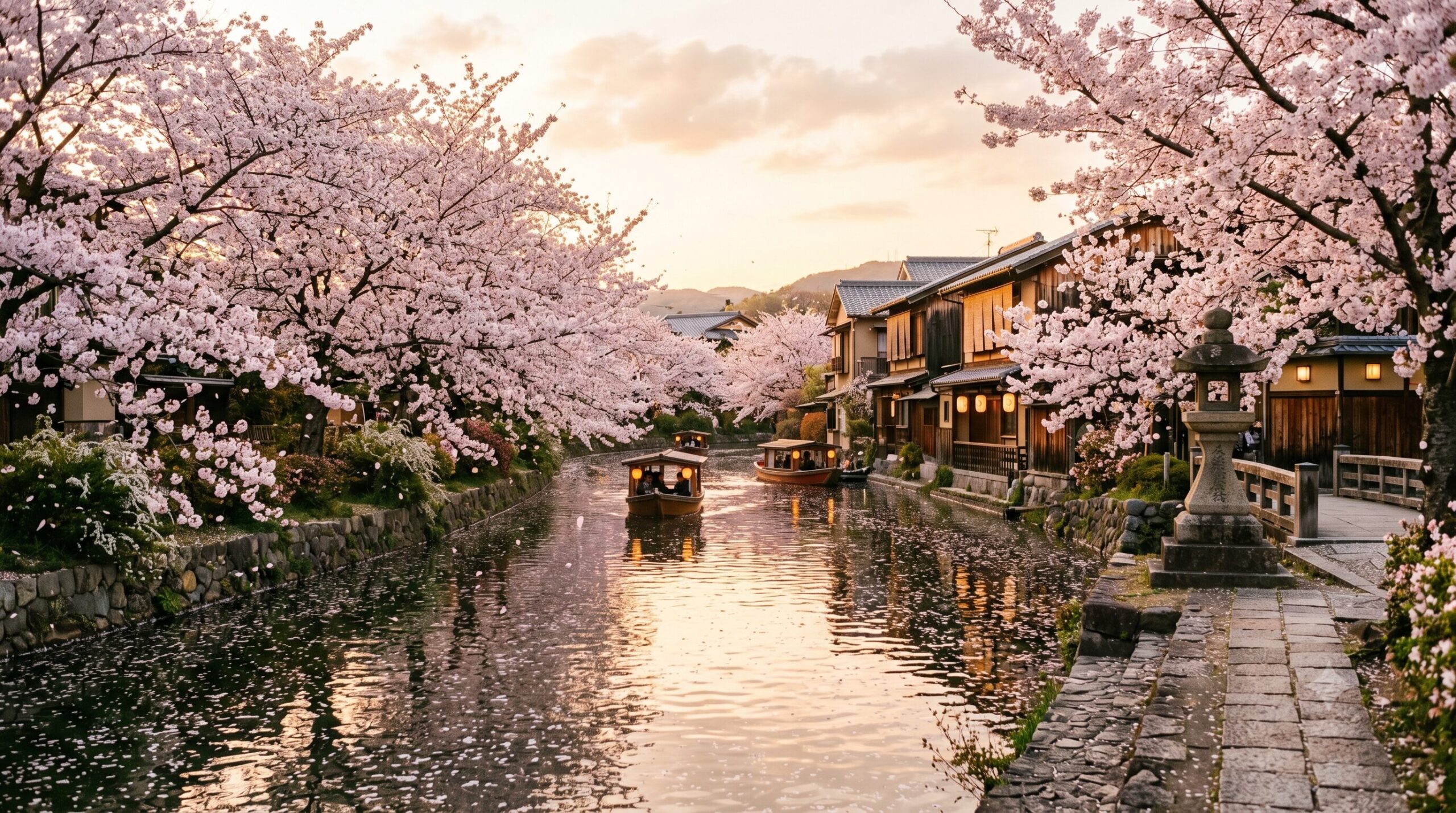
Unlike Tokyo, Kyoto rewards picking a side. Stay near Gion if you came for geisha and Higashiyama temples; in Arashiyama if you want bamboo forest mornings; near Kyoto Station if you’re doing day trips to Nara, Osaka or Himeji. The best places to stay Japan’s old capital offers are smaller and book out earlier than anywhere else on this list.
CULTURE FIRST
RYOKAN ZONE
SHINKANSEN ACCESS
Planning the temple route from Gion? The Kyoto guide has the full Higashiyama walk and shrine etiquette.
Kyoto inventory tightens fast in cherry-blossom (late March – mid April) and autumn (mid Nov). Book 4–6 weeks ahead.
Plus Tennoji for budget travelers and Bay Area for USJ families
Osaka — Namba vs Umeda, the Only Real Question
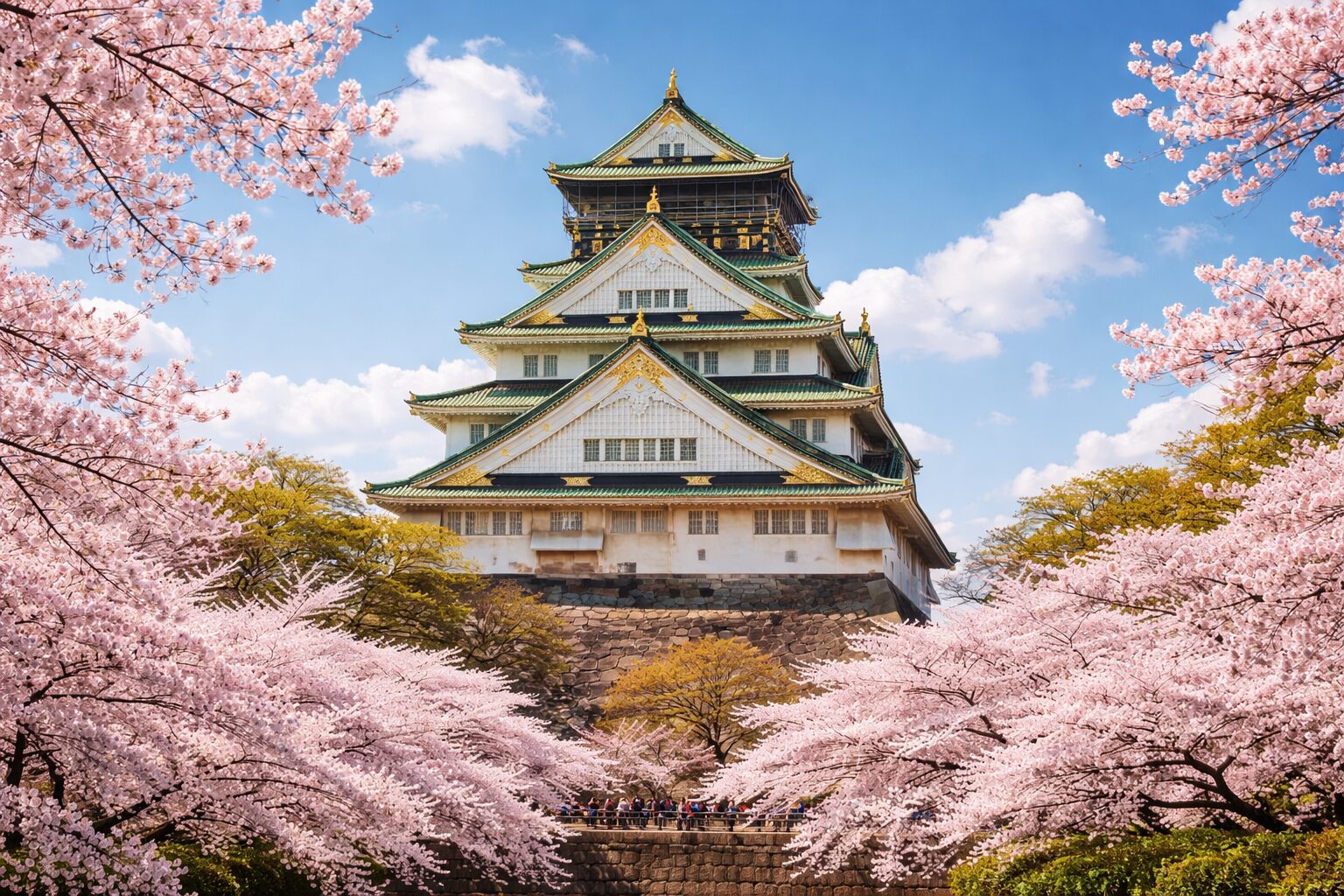
Osaka is smaller and friendlier than Tokyo. Two neighborhoods do 80% of the heavy lifting for visitors: Namba (south, food and nightlife) and Umeda (north, shopping and Shinkansen). For Universal Studios Japan, the Bay Area is the real call. For long stays on a budget, Tennoji is the smart pick.
MOST POPULAR
JR PASS USERS
USJ ONLY
BUDGET PICK
Got the area sorted? The Osaka guide covers Dotonbori at night, Castle access and USJ Express Pass timing.
Osaka hotel rates are 20–30% lower than Tokyo at the same star level. Smart bases for the Kansai region.
The answer depends on the season and what you came for
Hokkaido — Sapporo, Niseko or Furano?
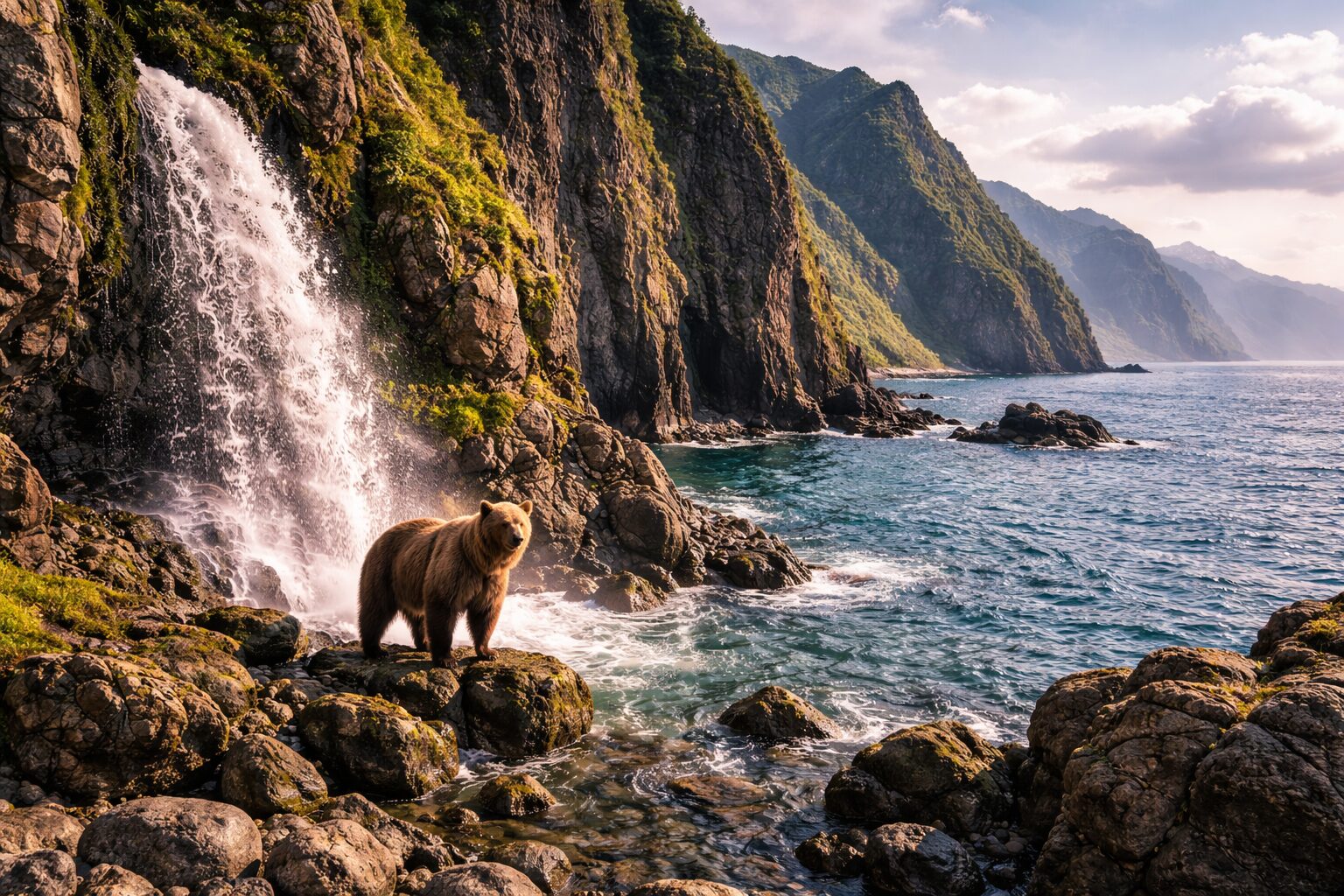
Hokkaido is enormous — about the size of Austria. The best places to stay Japan’s northern island offers fall into three clear buckets: Sapporo for urban food and city access, Niseko for skiing and English-friendly chalets, and Furano/Biei for lavender, hot springs and slow travel.
| Area | Best Season | Best For |
|---|---|---|
| Sapporo (Susukino / Odori) | Year-round | Crab, ramen, Snow Festival in Feb |
| Niseko (Hirafu / Hanazono) | Dec – Mar | World-class powder skiing, expat-friendly |
| Furano / Biei | Jun – Aug | Lavender, panoramic farms, road trips |
| Hakodate | Year-round | Night view + morning seafood market |
| Noboribetsu Onsen | Year-round | Sulfur hot springs in Jigokudani valley |
Sapporo by neighborhood
Going beyond Sapporo? The Hokkaido guide has Niseko slope picks, Furano farm circuits and onsen ranking.
Hokkaido accommodation is 4× more expensive Dec–Feb in Niseko (ski peak) and Jul–Aug in central Hokkaido (lavender + escape-from-heat season). Book 3+ months ahead in those windows.
Three completely different vacations under one prefecture
Okinawa — Naha City, Onna Coast or the Outer Islands?
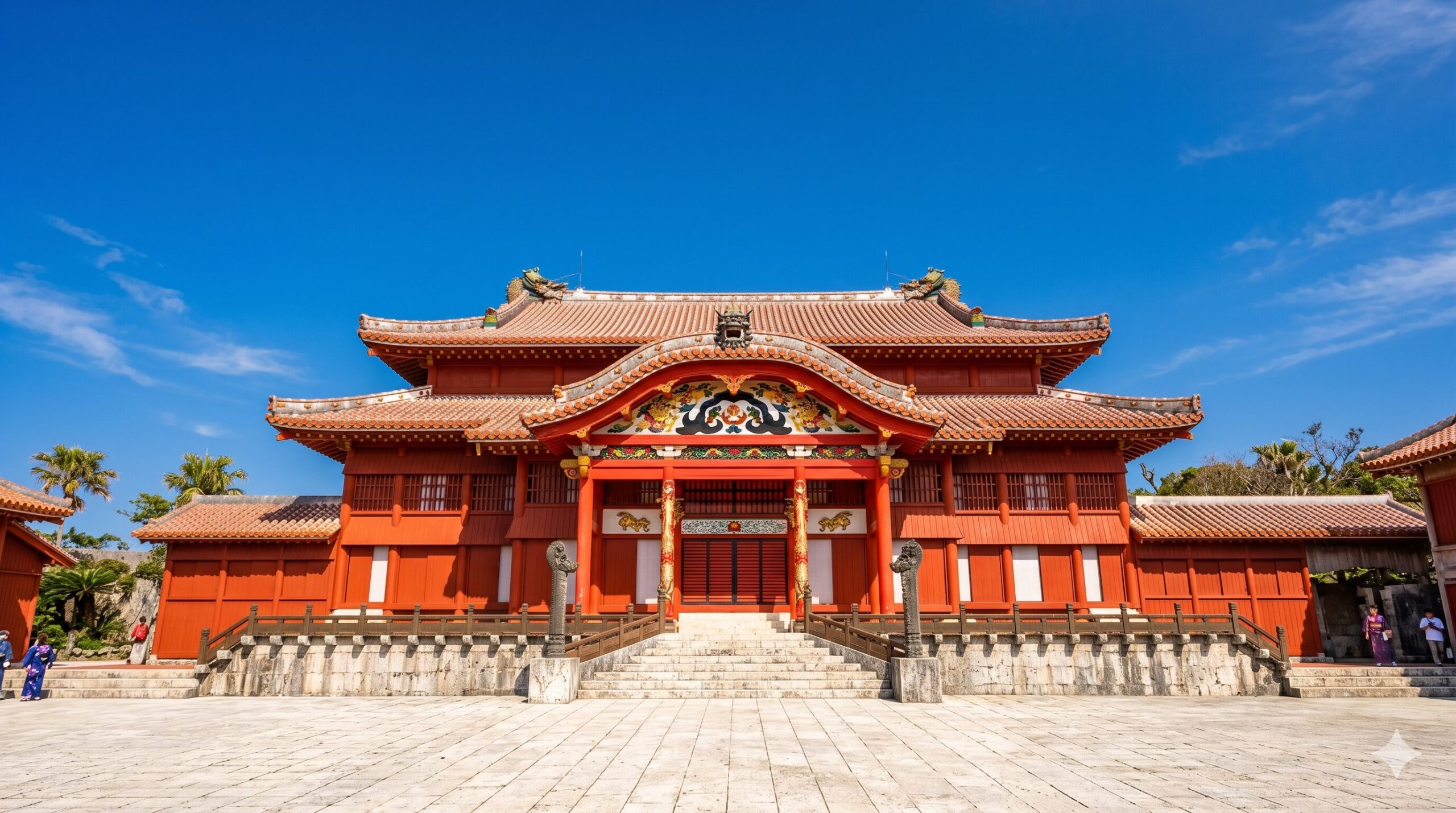
Okinawa is Japan only on the map — the food, climate and pace are subtropical and Ryukyu-rooted. The best places to stay Japan’s south offers depend entirely on whether you want city, coast or remote island.
EASIEST ENTRY
BEACH RESORT
REMOTE PARADISE
Wondering when to go and what to pack? The full Okinawa guide covers seasons, typhoon windows and snorkel spots.
Naha hotels are the cheapest entry into Okinawa — Onna and outer-island resorts cost 2–3× more. Pick by trip purpose, not just beach quality.
Hiroshima city center or stay on Miyajima Island
Hiroshima — One Night, Two Choices
Most travelers see Hiroshima as a Shinkansen day trip from Kyoto or Osaka — and miss the best part. Stay one night, and you can experience Miyajima Island after the day-trippers leave (the gate of Itsukushima Shrine at dusk is empty). Among the best places to stay Japan offers for short stops, these two have the clearest payoff.
EASIEST
RYOKAN PICK
What you actually pay for an entry-level 3-star room next to the station
Budget Reality Check — 2026 Price Brackets by City
Japan’s accommodation prices climbed roughly 15–25% from 2023 to 2026, driven by inbound tourism recovery and a weak yen pulling in international demand. These are the realistic 2026 floors and ceilings for a station-adjacent 3-star room (2 adults), based on cross-platform averages.
| City | Budget | Mid-range | Luxury |
|---|---|---|---|
| Tokyo (Shinjuku/Shibuya) | ¥8,000–14,000 | ¥18,000–35,000 | ¥55,000+ |
| Kyoto (Gion/Higashiyama) | ¥10,000–18,000 | ¥25,000–55,000 | ¥80,000+ |
| Osaka (Namba/Umeda) | ¥6,500–12,000 | ¥15,000–30,000 | ¥45,000+ |
| Sapporo | ¥7,000–12,000 | ¥14,000–28,000 | ¥42,000+ |
| Niseko (Dec–Feb) | ¥18,000+ | ¥35,000–75,000 | ¥120,000+ |
| Naha (Okinawa) | ¥6,500–11,000 | ¥13,000–25,000 | ¥40,000+ |
| Onna Resorts | — | ¥30,000–55,000 | ¥75,000+ |
| Hiroshima City | ¥7,500–12,000 | ¥15,000–28,000 | ¥45,000+ |
Expats, students, and travelers staying 2+ weeks face a different equation than tourists — the priority shifts from “how close to the station” to “daily-life convenience, lease flexibility, and upfront costs.” Here’s what matters before you commit to long-term accommodation.
Monthly/weekly apartments — no deposit, no key money
Traditional Japanese leases require a deposit, key money (reikin), a guarantor, and a 2-year contract — a high bar for short-term residents. Monthly mansions and weekly apartments skip all of that: no deposit, no key money, furnished, no guarantor required. Weekly rates in areas like Ueno, Tennoji, and central Naha run roughly ¥30,000–¥60,000 — 40–50% cheaper than booking consecutive nightly rates. Many business hotels also offer long-stay discounts; calling directly often beats booking-platform pricing.
| Length of Stay | Recommended Format | Why |
|---|---|---|
| 2 weeks–1 month | Weekly / monthly apartment | No deposit/key money, furnished |
| 1–3 months | Monthly mansion | Cheaper than hotels, kitchen for self-catering |
| 3+ months | Standard lease (via guarantor company) | Most cost-effective long-term, more paperwork |
Daily-life essentials checklist
- Check for nearby drugstores, supermarkets and coin laundry — long stays depend on daily-life convenience more than sightseeing access
- Confirm whether Wi-Fi is included in rent; if not, a long-term Sakura Mobile plan or monthly NINJA WiFi router beats repeatedly buying short-term SIMs
- Note local garbage-sorting rules (they vary by ward/municipality) — management companies usually provide a guide at move-in
- Long-stay apartments rarely have front-desk staff — confirm the management company’s emergency contact before move-in
- Residence Card (zairyu card) address changes must be filed at the ward office within 14 days of moving — this applies even for short-term leases
For long stays, prioritize residential, local-feel neighborhoods (Ueno, Tennoji, central Naha) — supermarkets, clinics and post offices are all within reach, and rent runs 20–30% lower than tourist-core areas.
Pro tips to lower the bill
- Book 4–8 weeks ahead — last-minute Japan rates almost never drop, they rise
- Stay slightly outside (Ueno not Shinjuku, Tennoji not Namba) for 25–40% savings
- Check Klook and trip.com for the same property — pricing varies by 5–15%
- Avoid cherry blossom (late Mar – mid Apr) and autumn peak (mid Nov) unless flexible on area
- Mid-week (Tue–Thu) is consistently cheaper than Fri–Sun, especially in resort areas
Mobile data and airport transfers booked before you fly
Stay Connected & Get Around — The Two Essentials
Choosing the best places to stay Japan offers is only half the puzzle — the other half is making sure you can actually get to your hotel and stay connected to find your way around it. Two small bookings make the difference between a smooth check-in and an hour lost on a station platform.
Airport transfers — the quiet decision
Heavy bags + late arrival + jet lag = booking ahead saves you. Pre-booked shared transfers from Narita or Haneda run roughly ¥3,500–¥4,500 per person directly to your Tokyo hotel. The limousine bus is the workhorse for hotels in Shinjuku, Ginza or Tokyo Station.
Shared transfer Narita/Haneda → Tokyo hotel · skip the JR ticket queue at midnight
Full airport access guide — Narita, Haneda, Kansai, and which transfer wins for your specific neighborhood.
Hotel WiFi only works inside the hotel — but Google Maps, Klook tickets and translation apps need data on the train and on the street. Pick one connection method before you fly.
Quick answers to the questions we get most often
FAQ — Best Places to Stay Japan
-
-
Where to Stay in Japan 2026 — Hotels, Ryokan & Budget Guide
▶ Stage 2 — Getting Ready Where to Stay in Japan 2026 — Hotels, Ryokan & Budget Guide Where to s …
続きを見る
-
-
Things to Do in Tokyo 2026 — Complete Travel Guide for First-Time Visitors
▶ Destination — Tokyo Things to Do in Tokyo 2026 — Complete Travel Guide The trusted guide to the be …
続きを見る