City Transportation Japan 2026 — Tokyo, Kyoto & Osaka Made Easy
City transportation Japan 2026 — this complete guide breaks down Tokyo Metro, Kyoto Bus and Osaka Subway with the IC cards, day passes and JR Pass tips you actually need to travel like a local in Japan’s three biggest cities.
- Why City Transportation Japan Matters
- Tokyo: The Heart of Japan’s Transit Network
- Kyoto: Buses Beat Trains for Temple Hopping
- Osaka: Fast, Direct, Tourist-Friendly
- Tokyo vs Kyoto vs Osaka — Side-by-Side Comparison
- JR Pass vs City Passes — Which Should You Buy?
- Taxis, Ride-Share & Walking — The Smart Mix
- Pro Tips That Save Most Travelers ¥10,000+
- Frequently Asked Questions
- Next Steps — Plan Your City Transportation in Japan
Why City Transportation Japan Matters
Three cities, three transit logics — and one IC card to rule them all

City transportation Japan looks complex on a map but follows a simple logic once you understand the players. Tokyo runs on a dense web of metro lines, JR loops and private railways operated by competing companies. Kyoto leans on buses for tourist sites because its narrow streets and preserved skyline make subway expansion difficult. Osaka uses a fast, color-coded metro that feels like Tokyo’s smaller, friendlier cousin.
Understanding the system before you arrive saves you three things: time (right routes, no detours), money (right passes, no overpaying), and stress (English signs are good but navigating eight platforms at Shinjuku is still chaos if you don’t know your line).
Get an IC card the day you land. Suica, Pasmo and ICOCA all work nationwide on trains, buses, vending machines and convenience stores. One tap, no fumbling for coins, no buying tickets at every station. This single move eliminates 80% of transport stress in Japan.
Get connected before you board — Sakura Mobile unlimited SIM for navigation, maps and ride-share apps
Metro + JR + private rail — 882 stations, one card
Tokyo: The Heart of Japan’s Transit Network
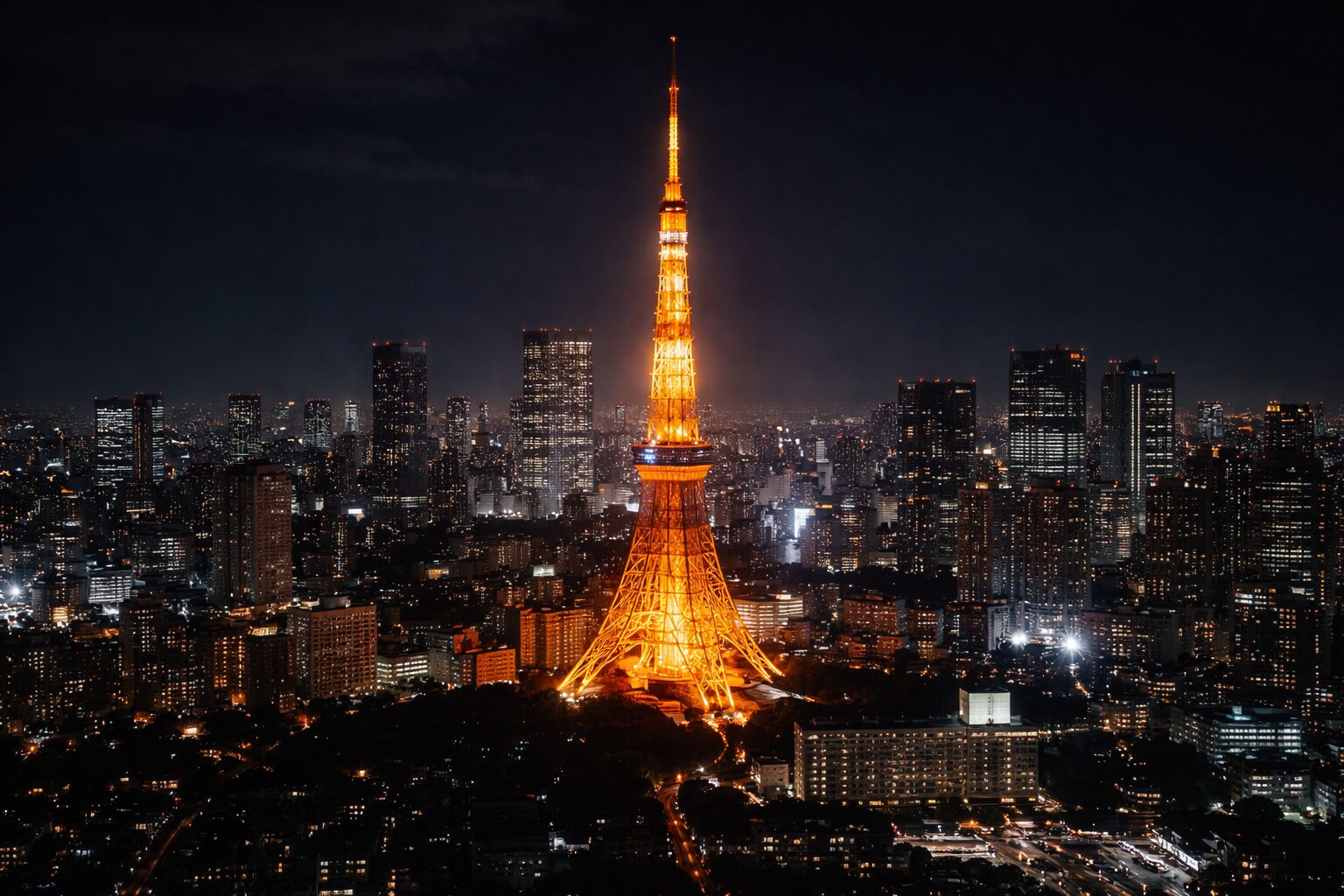
Tokyo’s transport network moves more than 8.5 million passengers every single day across Tokyo Metro, Toei Subway, JR East and a handful of private operators (Tokyu, Keio, Odakyu, Seibu, Tobu). It sounds overwhelming, but you only need to know three things to ride confidently.
Tokyo Metro & Toei Subway — Best for inner-city travel
The 13-line Tokyo Metro plus Toei Subway covers virtually every neighborhood inside the Yamanote loop. Stations are clearly numbered (e.g. G09 = Ginza Line, station 9), color-coded, and announced in English. Average ride: ¥180–¥320 per trip with an IC card.
If you plan three or more metro rides in a day, the Tokyo Subway Ticket (24/48/72-hour unlimited pass) usually beats pay-as-you-go. Buy it at Narita and Haneda airports or major hotel reception desks.
JR East Lines — Best for crossing the city and reaching airports
The Yamanote Line is the green circular loop that connects Shinjuku, Shibuya, Tokyo, Ueno and 26 other major stations. The Chuo Line cuts east–west through the center. The Narita Express (N’EX) connects Narita Airport to Tokyo, Shinjuku and Yokohama in 53–80 minutes.
Suica & Pasmo — The cashless travel card
Suica (JR) and Pasmo (metro) work identically across all train, bus and IC-enabled retail in Japan. You can also add Suica to Apple Wallet or Google Wallet and tap your phone at the gate — no physical card needed.
Suica IC card pickup — tap and go on Tokyo Metro, JR, buses and convenience stores from day one
Why Kyoto’s transit logic is the opposite of Tokyo’s
Kyoto: Buses Beat Trains for Temple Hopping
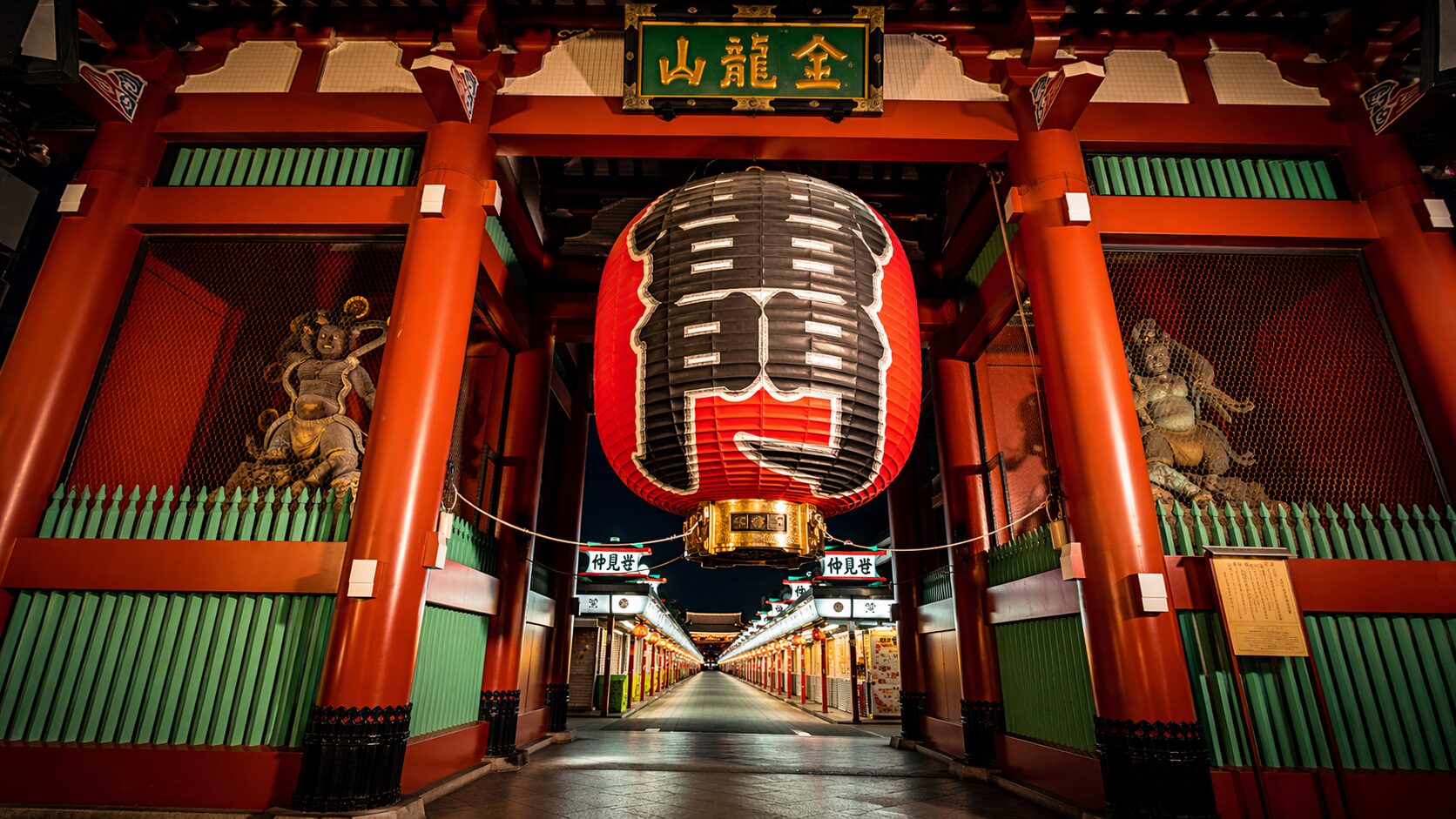
Kyoto surprises first-time visitors: its subway is small (just two lines), and most famous temples — Kinkaku-ji, Ginkaku-ji, Kiyomizu-dera, Arashiyama bamboo grove — sit far from any train station. Buses are the answer. Locals and savvy travelers ride them, not trains.
Kyoto City Bus — The temple tourist’s main artery
City buses run from Kyoto Station in every direction. Flat fare ¥230 per ride (pay when exiting). The Raku Bus series (100, 101, 102) runs specifically along the major tourist circuit, designed for non-Japanese-speaking travelers.
If you plan four or more bus rides in a day (very easy in Kyoto), buy the Kyoto City Bus & Subway 1-Day Pass at Kyoto Station bus terminal. It pays for itself fast.
Kyoto Subway — Quick, but limited reach
Two lines: Karasuma Line (north–south, through downtown) and Tozai Line (east–west). Good for crossing the city quickly, less useful for temples. Your ICOCA, Suica or Pasmo card works on both.
Connecting Kyoto to Osaka — JR Kyoto Line
The fastest cheap option is the JR Special Rapid Service from Kyoto Station to Osaka Station: 28 minutes, ¥580. If you hold a JR Pass, this ride is free. Hankyu and Keihan railways are alternatives but neither is covered by the JR Pass.
Planning Kyoto temples, geisha districts and day trips? Full Kyoto travel breakdown here
Color-coded metro + the JR Loop Line = simple geometry
Osaka: Fast, Direct, Tourist-Friendly
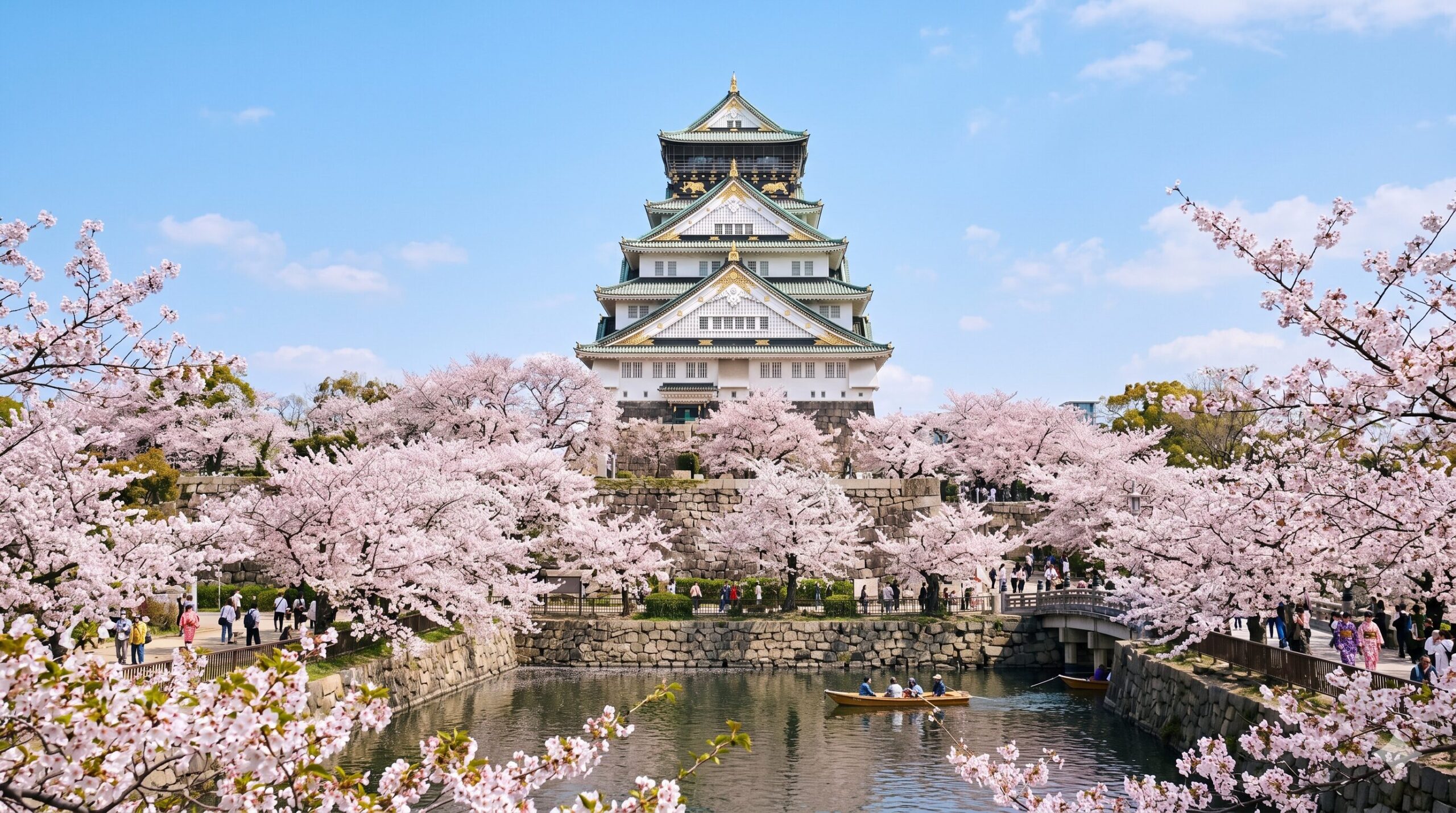
Osaka’s transit is the friendliest of the three for first-time travelers. The Osaka Metro has 8 color-coded lines, each numbered (M, T, Y, etc.), and the city is small enough that almost every tourist destination is within a 25-minute metro ride.
Osaka Metro — Eight lines, one IC card
The Midosuji Line (red, M) is the backbone, running Umeda → Shinsaibashi → Namba → Tennoji and covering every major shopping and food district. The Tanimachi Line (purple, T) connects historical sites including Osaka Castle.
Standard fare ¥190–¥280. ICOCA, Suica and Pasmo all work — no need to buy a new card.
JR Osaka Loop Line — Free if you have a JR Pass
The orange JR Loop Line circles central Osaka, connecting Osaka Castle Park, Tennoji, Namba and Universal Studios Japan (transfer at Nishi-Kujo for the JR Yumesaki Line). If you hold a JR Pass or Kansai Rail Pass, every loop ride is free.
Day passes — Osaka Amazing Pass and Enjoy Eco Card
The Osaka Amazing Pass bundles unlimited metro + free entry to 35+ attractions (Osaka Castle, Umeda Sky Building, HEP FIVE Ferris Wheel and more). If you visit two or more major sights in a day, this pass pays for itself easily.
JR Kansai Pass 4-day — unlimited Osaka, Kyoto, Nara, Kobe and Himeji from one ticket
Which transport system, which pass, which IC card
Tokyo vs Kyoto vs Osaka — Side-by-Side Comparison
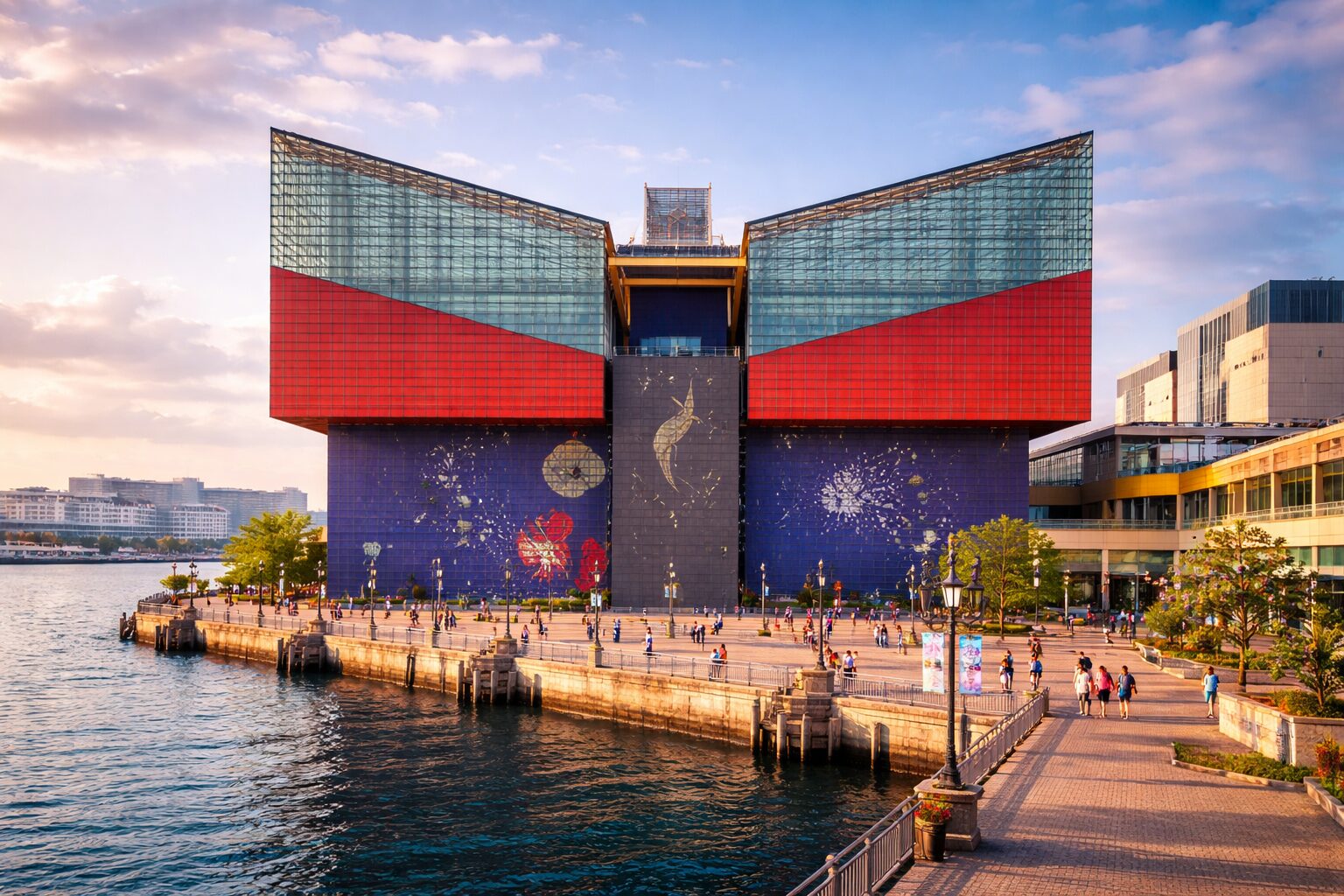
| Feature | Tokyo | Kyoto | Osaka |
|---|---|---|---|
| Main transport | Metro + JR | Bus | Metro |
| Number of lines | 13 metro + JR | 2 subway + buses | 8 metro |
| Best day pass | Tokyo Subway Ticket | Bus & Subway Pass | Amazing Pass |
| IC card | Suica / Pasmo | ICOCA / any IC | ICOCA / any IC |
| Avg fare per ride | ¥180–¥320 | ¥230 (bus flat) | ¥190–¥280 |
| JR Pass useful? | Yes (Yamanote, N’EX) | Less so (buses) | Yes (Loop Line) |
| English signage | Excellent | Good | Excellent |
A decision tree based on your actual itinerary
JR Pass vs City Passes — Which Should You Buy?
The biggest mistake travelers make is automatically buying a JR Pass. The 7-day pass costs around ¥50,000 (2026) and only pays off if you’re traveling between cities on the Shinkansen. For purely urban travel inside Tokyo, Kyoto or Osaka, city-specific day passes are far cheaper.
BEST FOR INTERCITY
KANSAI ONLY
Quick decision guide:
- Visiting all three cities + Shinkansen between them → JR Pass 7-day
- Only Osaka + Kyoto (no Tokyo) → JR Kansai Pass 4-day
- Staying only in Tokyo for 3+ days → Tokyo Subway Ticket 72h, skip JR Pass
- Just 1 city, weekend trip → IC card only, no pass needed
- Heavy day-trip plans from Tokyo (Nikko, Hakone) → JR Pass 7-day
JR Pass 7-day — covers all three cities + Shinkansen between them
When public transport isn’t the answer
Taxis, Ride-Share & Walking — The Smart Mix
Trains and metros don’t cover everything. Late-night returns, luggage transfers, group of four, narrow Kyoto alleys — these are taxi or walking territory.
Taxis — Reliable but expensive
Japanese taxis are clean, safe and metered (no haggling), but pricing starts around ¥500 for the first 1.0 km and climbs fast. A 4-km airport-area ride easily hits ¥2,000–¥3,000. For groups of 3–4 going under 3 km, taxis can match metro fares per person and save serious walking time.
Pro tip: Tokyo and Osaka taxis accept IC cards and major credit cards. Kyoto taxis are more cash-oriented, so carry yen.
Ride-share — Uber, DiDi, GO
GO (Japan’s largest ride-hail app) and DiDi work in all three cities; Uber works in Tokyo and Osaka. Pricing is metered, not surge-based — you’ll often pay the same as a flagged street taxi but with English app interface and pre-stored card payment.
Walking — Underrated in Kyoto, essential in Tokyo
Many Kyoto temples are clustered: Kiyomizu-dera, Sannenzaka, Yasaka Shrine, Gion are all walkable in one loop. In Tokyo, Shibuya → Harajuku → Omotesando is one of the best walking corridors in the city. Comfortable shoes save more time than any transit pass.
Small decisions, big savings
Pro Tips That Save Most Travelers ¥10,000+
DO
- Get IC card on day 1
- Use Google Maps for routes
- Buy day passes if 3+ rides
- Carry ¥1,000 cash for buses
DON’T
- Auto-buy JR Pass without math
- Ride taxis at rush hour
- Forget IC card on phone wallet
- Use bullet train without reservation
TRY
- Apple Wallet Suica (no physical card)
- Local kombini for IC card top-up
- Hyperdia or Japan Transit app
- Rent a bike in Kyoto
Real questions from real travelers
Frequently Asked Questions
Three actions, three savings
Next Steps — Plan Your City Transportation in Japan
-
-
Japan Transportation Guide 2026 — Trains, JR Pass & IC Cards
▶ Stage 2 — Getting Ready Japan Transportation Guide — Trains, JR Pass & IC Cards Explained jap …
続きを見る
-
-
Japan Rail Pass 2026 — Is It Worth It? Complete Guide
▶ Stage 2 — Getting Ready Japan Rail Pass 2026 — Complete Guide to Prices, Types & Buying The J …
続きを見る