Tap to Pay on Japan Trains: The 2026 Credit Card Touch Guide
Can you really skip the ticket machine and just tap your own Visa or Mastercard to ride? In 2026 the answer is finally “often, yes” — but not everywhere. Here’s exactly where contactless works, where you still need a Suica, and how to tap in without getting stuck at the gate.
Tap to pay on Japan trains went from a regional experiment to a nationwide reality in 2026. Since the coordinated Kanto launch on March 25, 2026, and the rollout that followed across Kansai, Kyushu, Hokkaido, and beyond, visitors can tap a contactless credit or debit card straight onto many fare gates — no ticket, no top-up, no IC-card deposit. The catch is that “many” is not “all,” and one very famous operator is still missing. This guide maps out precisely where you can tap, where you can’t, and how to decide between a card, a Suica, and a rail pass.
- First-time visitors deciding whether to bother buying a Suica or IC card
- Travelers who want to arrive and just start riding on the card already in their wallet
- Anyone confused about why their card worked on one line but not the next
What Tap to Pay on Japan Trains Actually Means
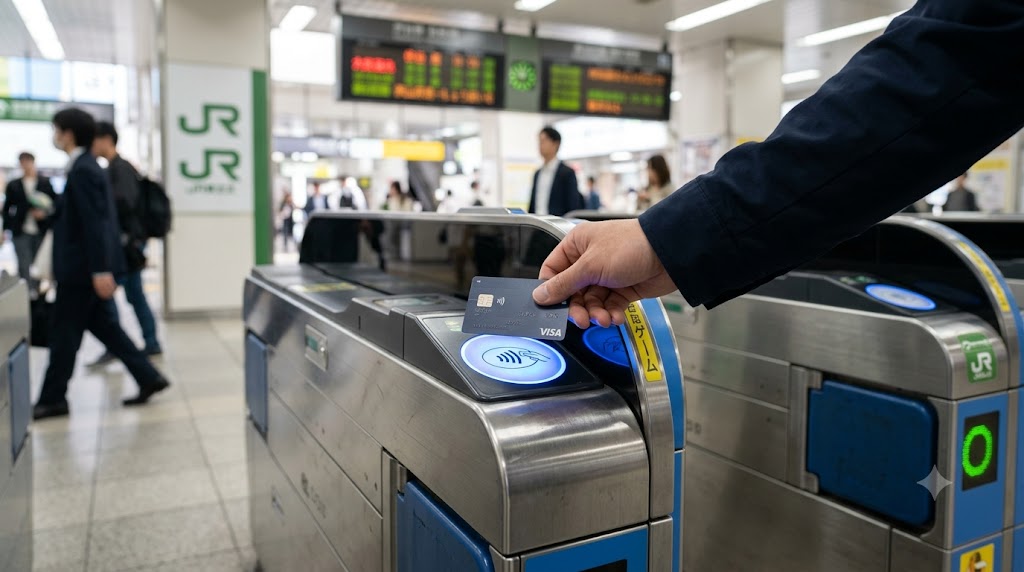
“Tap to pay” here means open-loop contactless — the same technology behind London’s Oyster/contactless gates, New York’s OMNY, and Sydney’s Opal. Instead of loading money onto a separate transit card, you tap the contactless card you already own (or a phone wallet linked to it) directly on the reader at the gate. The system records your entry, and when you tap out at your destination it calculates the correct fare and charges your card automatically.
In practice it behaves exactly like a Suica or PASMO: tap in, ride, tap out. The differences that matter to a visitor are the ones that save money and hassle — there’s no refundable deposit, no minimum balance to maintain, and nothing left over on a card you’ll never use again after your trip.
Participating gates read Visa, Mastercard, JCB, American Express, Diners Club, Discover, and UnionPay contactless. Mobile wallets work too: Apple Pay, Google Pay, and other NFC wallets linked to one of those networks. Look for the contactless “ripple” symbol on your card or in your wallet app.
One important note before you rely on it: the fare shown in most route-search apps is still the IC-card fare. Contactless fares are usually identical, but a few operators price them slightly differently or apply their own daily fare caps, so treat the app number as a close estimate rather than a guarantee.
New to Japan’s trains? Start with the full transportation overview.
-
-
Japan Transportation Guide 2026 — Trains, JR Pass & IC Cards
▶ Stage 2 — Getting Ready Japan Transportation Guide 2026 — Pick the Right Ride in 4 Steps Pick how …
Where You Can Tap: Operators Covered in 2026
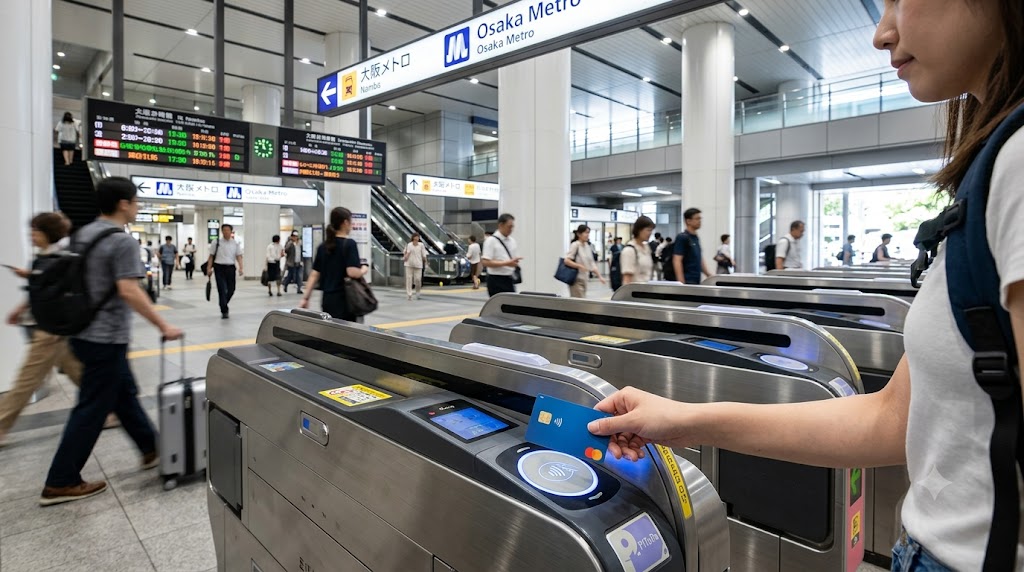
The headline event was the March 25, 2026 Kanto launch, when eleven major operators switched on a single shared system covering roughly 729 stations — so you can tap in on one line, transfer, and tap out on another without buying anything in between. But coverage now stretches well beyond Tokyo. Here are the operators visitors actually use, by region.
| Region | Operators visitors use most |
|---|---|
| Tokyo / Kanto | Tokyo Metro, Toei Subway, Keikyu, Keio, Odakyu, Tokyu, Tobu, Seibu, Sotetsu, plus Yurikamome, Tsukuba Express, Enoden, Hakone Tozan |
| Kansai | Osaka Metro, Kintetsu, Nankai, Hankyu, Hanshin, Kobe Municipal Subway, Sanyo |
| Kyushu / Okinawa | JR Kyushu (Fukuoka & Kitakyushu area), Nishitetsu, Fukuoka City Subway, Yui Rail (Okinawa) |
| Hokkaido | Sapporo Municipal Subway & Streetcar |
| Chubu | Meitetsu, Shizuoka Railway, Enshu Railway |
The practical upshot: if you’re spending your time in Osaka, Fukuoka, Sapporo, central Tokyo’s subways, or getting the Yui Rail in Naha, your home card will usually get you through the gate. Coverage keeps expanding, but not every station on every listed operator is switched on yet — so it’s worth a quick check for smaller or suburban stops before you count on it.
Doing a lot of Kansai rail? A regional pass can beat tapping fare-by-fare.
-
-
Japan Airport Transfers 2026: Narita, Haneda & Kansai Complete Guide
▶ Stage 2 — Getting Ready Japan Airport Transfers 2026 — Narita, Haneda & Kansai Complete Guide …
Where You Still Can’t Tap: The Gaps to Know
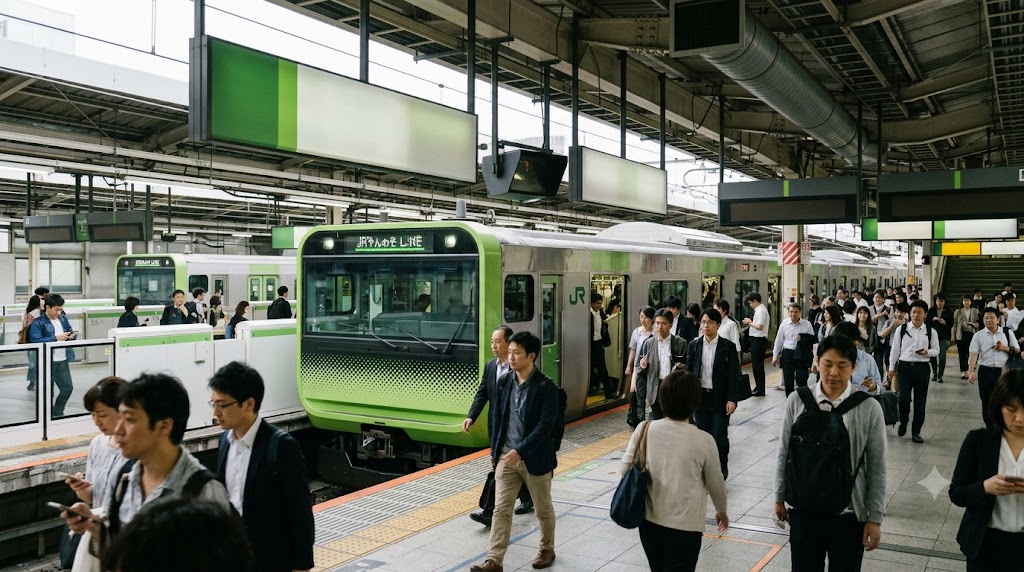
This is the part most guides gloss over, and it’s the part that will actually trip you up. The biggest gap is JR East — the operator of the Yamanote loop that circles central Tokyo, plus the Chuo, Sobu, and most commuter lines in the Kanto region. JR East did not join the shared contactless system, so you cannot tap a credit card through JR East gates the way you can on Tokyo Metro or Toei.
Two more gaps worth locking in:
- Shinkansen: Japan’s bullet trains are not on the open-loop credit-card touch system. Reserve those separately.
- Children’s fares & some stations: Several operators don’t yet support discounted child fares via contactless, and coverage can stop short at smaller stations — check before relying on it for a child or a rural stop.
The clean fix for the JR East gap is a rechargeable IC card. A Suica (or the visitor-friendly Welcome Suica) sails through JR East gates and works on almost everything else, so carrying one alongside your contactless card covers every base.
Cover the JR East gap: grab a Suica IC card ready to use on arrival.
-

-
IC Card Japan 2026 — Suica, Pasmo & ICOCA Complete Guide
▶ Stage 2 — Getting Ready IC Card Japan 2026 — Suica, Pasmo & ICOCA Complete Guide IC card Japan …
Tap vs Suica vs Rail Pass: Which Should You Use
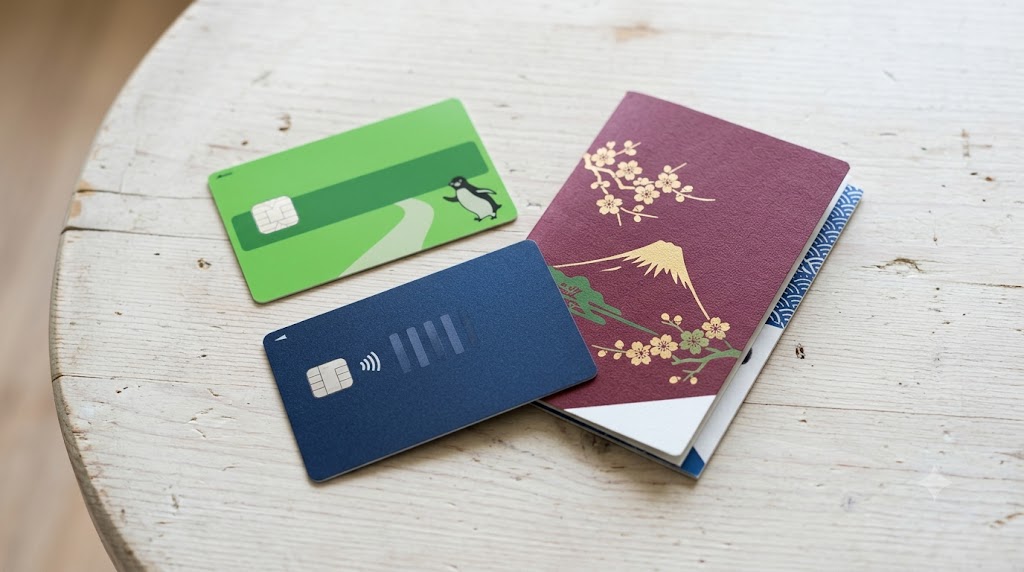
These three options aren’t rivals so much as tools for different jobs. Most visitors end up using two of them. Here’s the quick decision guide.
| Your situation | Best tool | Why |
|---|---|---|
| Subways & private lines in Osaka, Fukuoka, Sapporo, central Tokyo | Tap your card | No deposit, no top-up, nothing wasted after the trip |
| Riding JR East (Yamanote, Chuo) or want one card for everything | Suica / IC card | Only option through JR East gates; works nationwide |
| Long intercity trips, multiple Shinkansen rides | Rail pass | Contactless doesn’t cover Shinkansen; a pass can save a lot |
A realistic combo for a first Japan trip: tap your contactless card for casual subway hops, carry a Suica for JR East and as a universal backup, and add a rail pass only if your route is heavy on bullet trains or long regional runs. If you’re planning a wider loop across the country, price out a nationwide pass before you commit to paying every fare individually.
Covering multiple cities by Shinkansen? Compare the Whole Japan Rail Pass.
-
-
Japan Rail Pass 2026 — Is It Worth It? Complete Guide
▶ Stage 2 — Getting Ready Japan Rail Pass 2026 — Does It Pay Off? Pick and Buy in 4 Steps Check whet …
How to Tap to Pay on Japan Trains: Step by Step
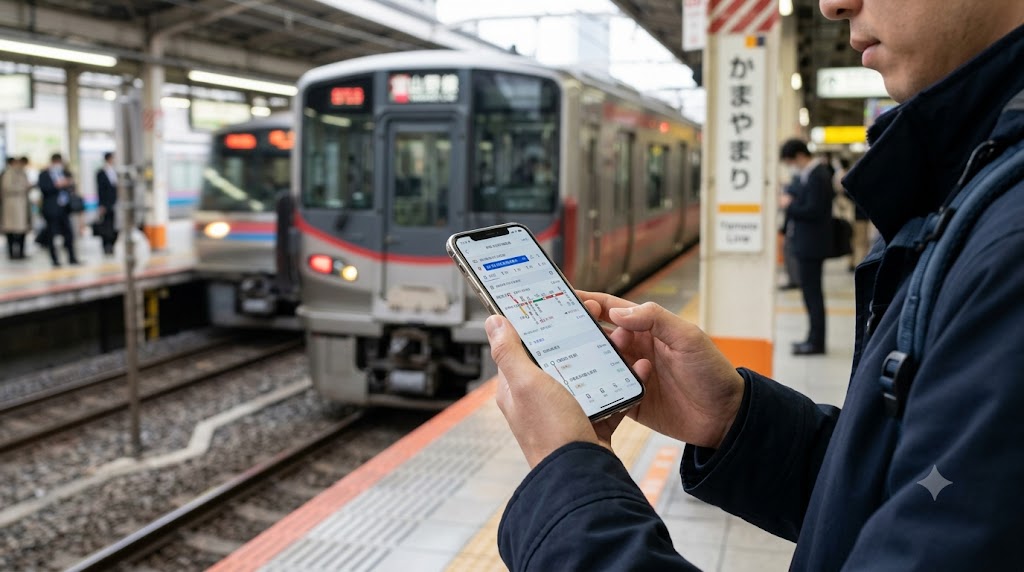
Check the route first
Use a transit app to confirm your route and see whether the stations and sections support contactless. Many apps now flag tap-enabled stations and stretches directly in the route detail.
Find the right gate
Look for the contactless reader — usually a small pad marked with the ripple symbol, sometimes on a dedicated gate rather than every lane.
Tap in
Hold your card or phone flat on the reader until the gate opens. Use the same card for the whole journey.
Tap out
Tap the same card at your destination gate. The correct fare is calculated and charged automatically — no top-up, no ticket to fish out.
The one thing that makes all of this smoother is a live connection: you’ll want data to check routes, confirm which stations are tap-enabled, and pull up your history. A travel SIM or eSIM keeps the transit app working the moment you land, before you’ve sorted out anything else.
-

-
Japan WiFi, SIM & eSIM Guide 2026 — Stay Connected from Landing
▶ Stage 2 — Getting Ready Japan WiFi, SIM & eSIM 2026 — Pick One Before You Fl …
Fees, Fare Caps, and Checking Your History
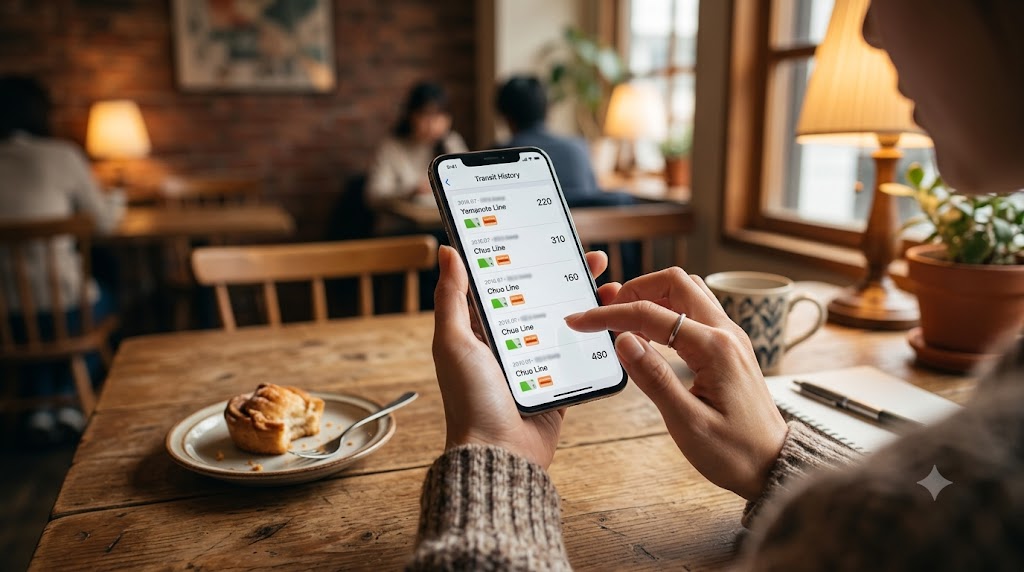
A few money details worth knowing before you tap for a week straight:
- Foreign transaction fees: Each ride is a separate charge to your card. If your card charges foreign-transaction fees, many small charges can add up — a no-FX-fee card is ideal.
- Fare caps: Some operators apply a daily cap on contactless fares, but the fare shown in route apps is the standard IC fare, not the capped total — so your statement may come out lower than the app suggested, not higher.
- History & receipts: You can review each contactless journey and print proof of payment from the operator’s dedicated portal (such as Q-move) or from your card statement — useful if you ever need to query a charge.
None of this should scare you off. For casual city riding, tapping is the lowest-friction way to get around Japan in 2026 — you just want to go in knowing the caveats rather than discovering them at a JR East gate.
-

-
JR Regional Pass Japan 2026 — Kansai, Kyushu, Hokkaido & More
▶ Stage 2 — Getting Ready JR Regional Pass Japan 2026 — Save More, Explore Deeper The right JR regio …
▶ Stage 1 — Planning First Time in Japan 2026 — Plan Your First Trip in 4 Choices Pick your season, … ▶ Stage 2 — Getting Ready IC Card Japan 2026 — Suica, Pasmo & ICOCA Complete Guide IC card Japan … ▶ Stage 2 — Getting Ready Japan Rail Pass 2026 — Does It Pay Off? Pick and Buy in 4 Steps Check whet …
First Time in Japan: The Ultimate 2026 Guide for First-Time Visitors
IC Card Japan 2026 — Suica, Pasmo & ICOCA Complete Guide
Japan Rail Pass 2026 — Is It Worth It? Complete Guide