Historic Train Stations Japan: Tokyo, Mojiko & Taisha
Historic train stations Japan — three Taisho-era masterpieces designated as Important Cultural Properties, each telling a different chapter of Japan’s modernization story through architecture you can still visit today, and all linked by a single JR Pass.
Historic Train Stations Japan: Tokyo Station
Historic Train Stations Japan: Tokyo Station
The Red-Brick Icon of the Meiji & Taisho Eras
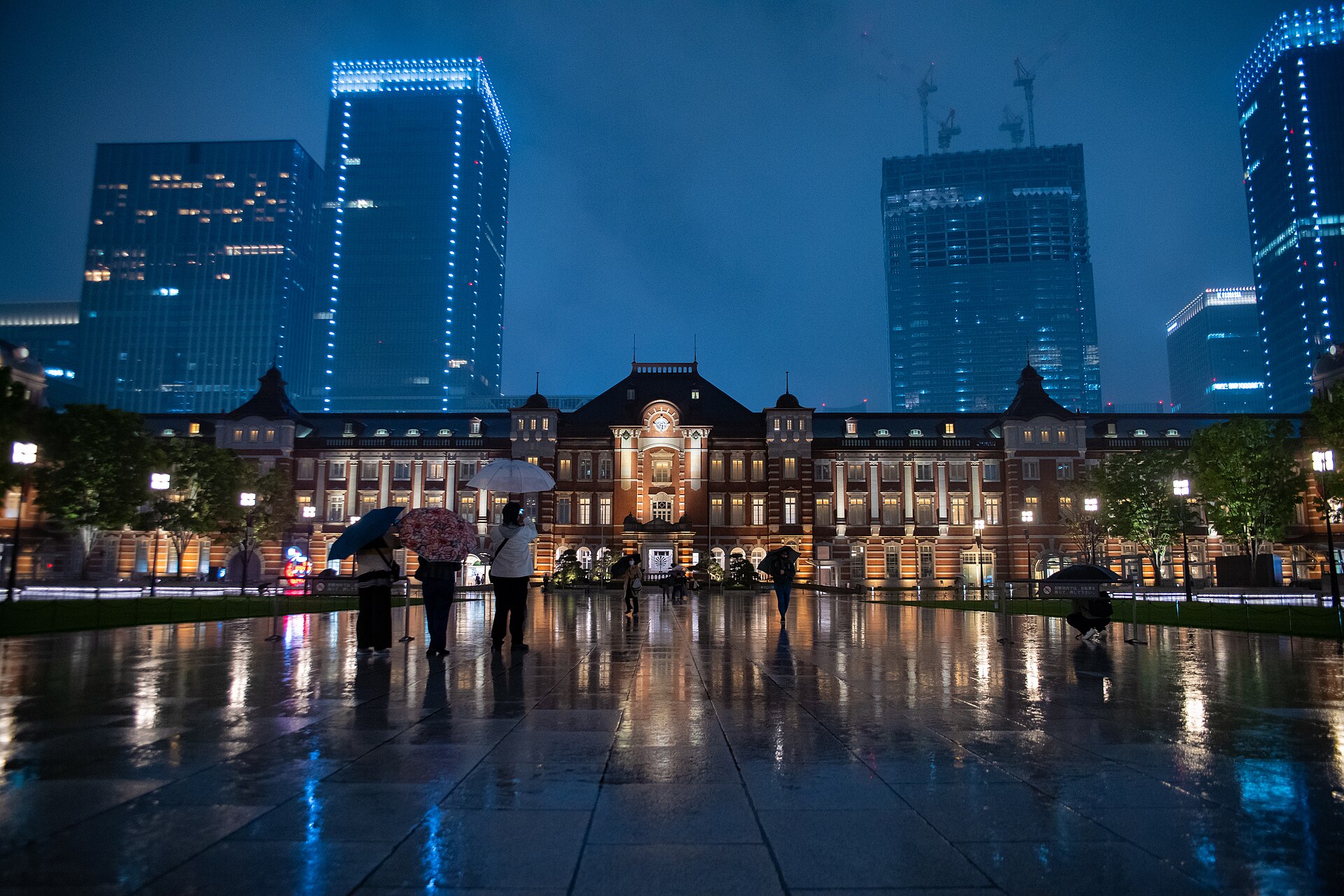
Opened on 20 December 1914, Tokyo Station’s Marunouchi Building is one of the finest surviving examples of Western-influenced Meiji-era architecture in Japan. Designed by Tatsuno Kingo — the architect behind the Bank of Japan headquarters — the 335-metre red-brick facade was inspired by Amsterdam Centraal Station and took over 15 years to plan and build.
The station earned its Important Cultural Property designation in 2003. Air raids in 1945 destroyed the original three-storey domed roofs, but a meticulous restoration completed in 2012 rebuilt the North and South Domes to their exact 1914 appearance using historical photographs and surviving blueprints.
What to See Inside & Out
The Marunouchi side rewards slow exploration. The two symmetrical dome interiors feature elaborate relief work, octagonal coffering, and imperial chrysanthemum motifs — restored to their original detail. Each ceiling displays twelve zodiac reliefs and an eagle with outstretched wings circling above.
Outside, the 335-metre brick facade is best photographed from Gyoko-dori — the road leading toward the Imperial Palace. The free Tokyo Station Gallery mounts rotating art exhibitions inside the original brick walls at the North Dome. The underground GRANSTA shopping complex and Marunouchi Brick Square complete a half-day visit.
| Detail | Info |
|---|---|
| Opened | 20 December 1914 |
| Architect | Tatsuno Kingo |
| ICP Designation | 2003 |
| Restoration | Completed 2012 (North & South Domes rebuilt) |
| Access | JR Tokyo Station — all Shinkansen lines |
| Admission | Free (Gallery: small fee for exhibitions) |
Getting There & Visit Tips
Tokyo Station is served by every Shinkansen line in Japan. The JR Pass covers entry to the Shinkansen concourse and unlimited JR rides from here. Arrive at the Marunouchi Exit before 8 am on a weekday to photograph the facade before tour groups assemble. The observation terrace of the Shin-Marunouchi Building opposite provides spectacular dusk views of the illuminated red brick.
Walk Tokyo Station’s Meiji-era red-brick facade, the imperial domes, and Marunouchi’s heritage streetscapes with a local expert guide.
JR Mojiko Station — Japan’s First Railway Cultural Property
JR Mojiko Station — Japan’s First Railway Cultural Property
From Coal Gateway to Retro Tourism Icon
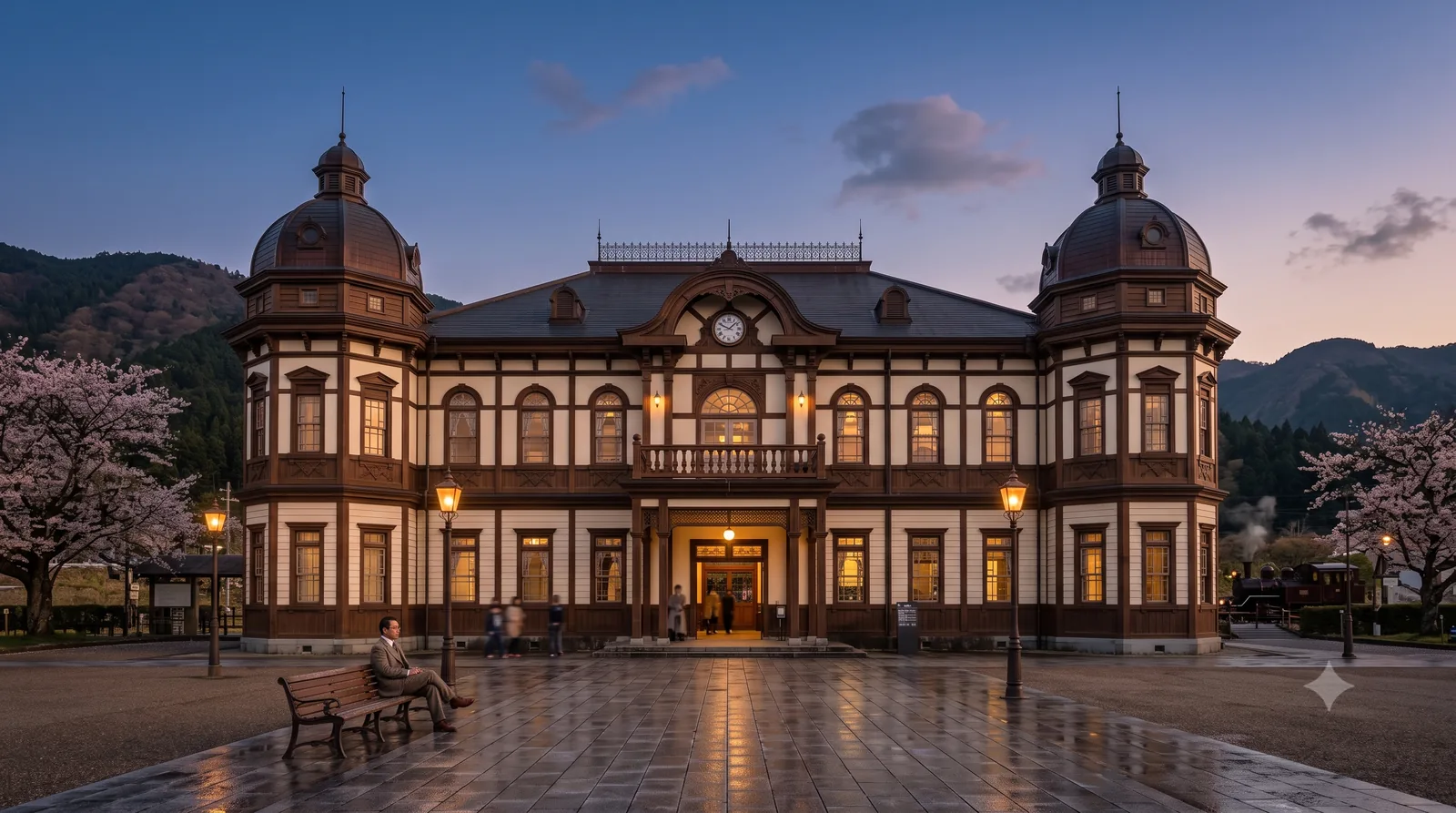
At the northern tip of Kyushu, JR Mojiko Station holds a unique distinction: it was the first railway station in Japan to be designated an Important Cultural Property, achieving the status in 1988 — a full 15 years before Tokyo Station. Built in 1914 in a Neo-Renaissance style, the station features a distinctive octagonal clock tower, arched windows, and a light stucco facade.
Moji Port was one of Japan’s busiest coal-exporting harbours during the Meiji and Taisho eras, rivalling Kobe and Yokohama as a gateway for international trade. A six-year restoration project completed in 2019 returned the building to its original Taisho-era appearance including the iconic octagonal clock tower.
The Mojiko Retro District
Step outside the station and you enter Mojiko Retro — a 2-kilometre preserved waterfront precinct of Meiji and Taisho-era Western-style buildings. Developed as a heritage tourism destination from 1995, the district attracts over two million visitors per year.
Highlights within easy walking distance of the station include the Former Moji Customs House (1912, red brick), the Former Moji Mitsui Club (1921 — where Albert Einstein stayed during his 1922 Japan visit), and the Kyushu Railway History Museum. Views across the Kanmon Strait to Shimonoseki complete the atmosphere.
| Detail | Info |
|---|---|
| Built | 1914 (Neo-Renaissance style) |
| ICP Designation | 1988 — Japan’s first station designation |
| Restoration | Completed 2019 |
| Access | JR Kagoshima Main Line terminal (from Kokura ~30 min) |
| Nearby | Mojiko Retro district (walkable), Kanmon Strait ferry |
How to Get to Mojiko
From Fukuoka (Hakata): take the Shinkansen to Kokura (20 min, JR Pass covered), then switch to the local JR Kagoshima Main Line to Mojiko — approximately 30 minutes. The JR Pass covers the entire journey at no extra cost. From Shimonoseki, a passenger ferry (approximately 5 minutes) connects directly to Moji Port.
Reach Mojiko the easy way — Shinkansen to Kokura then local JR to the station, all covered by a single JR Pass. Buy before you land.
Former Taisha Station — A Shrine in Railway Form
Former Taisha Station — A Shrine in Railway Form
Japan’s Most Atmospheric Closed Station
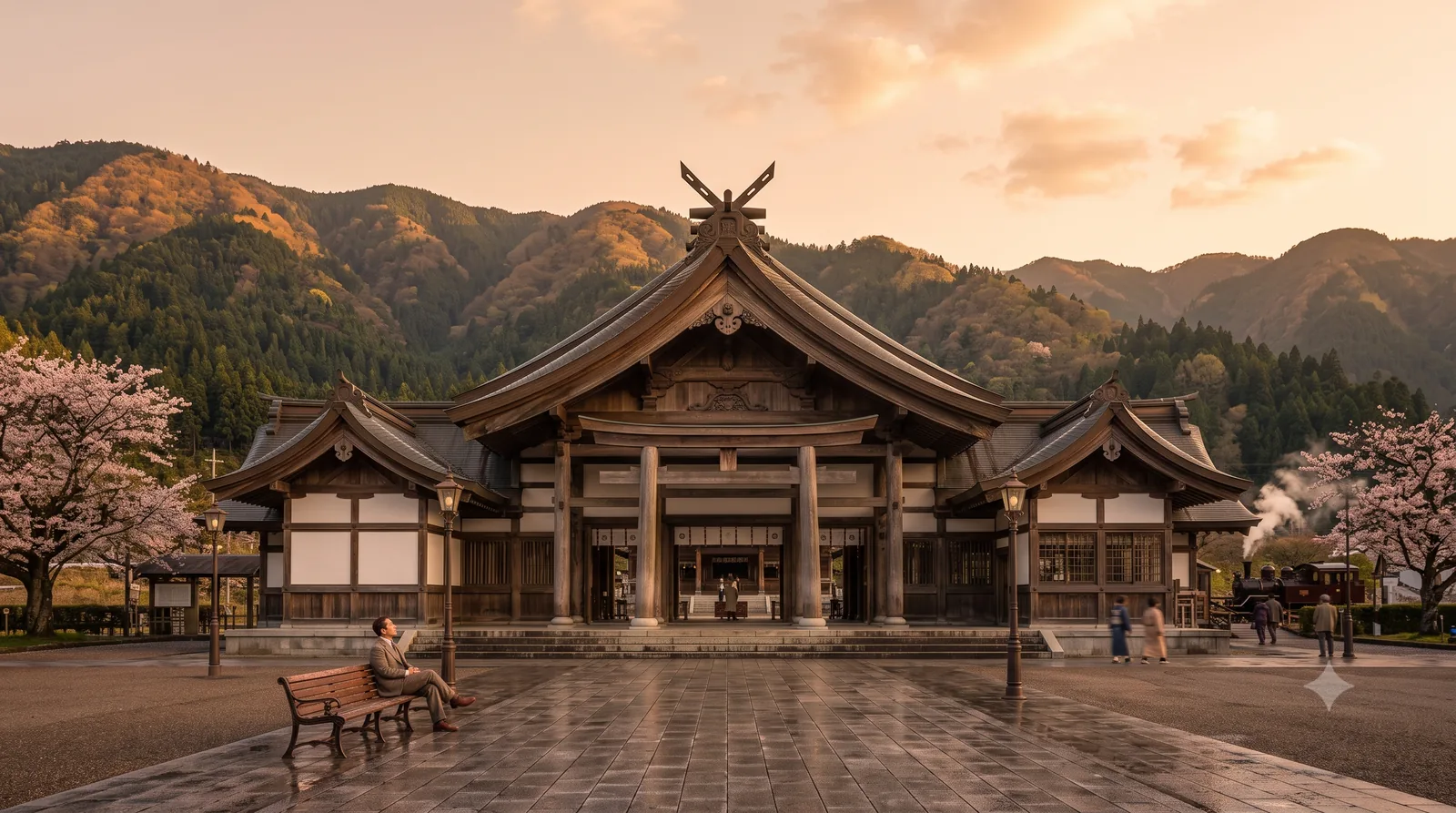
In the Shimane city of Izumo stands the most poetically melancholy of Japan’s three Important Cultural Property stations: Former Taisha Station (旧大社駅), frozen since the Taisha Line was discontinued in 1990. Built in 1912 with the current structure dating from 1924, Taisha Station is unique among the three for being constructed almost entirely of wood with white-plastered walls — a rarity for a station of its prestige.
Its symmetrical facade was deliberately designed to evoke the gateway architecture of nearby Izumo Taisha Grand Shrine, one of Japan’s oldest and most sacred Shinto sites. The station received Important Cultural Property designation in 2004 and was further listed as a Heritage of Industrial Modernization in 2009.
Architecture: Where Railways Met Shrine Traditions
The main entrance hall features soaring wooden beams and a high gabled roof in the irimoya-zukuri style — a traditional Japanese architectural form more commonly seen in shrines and temples than railway buildings. The waiting room retains original wooden benches and period signage, preserved in remarkable condition despite 35 years of closure.
On the former platform, a 1930s Type-C57 steam locomotive sits in the open air — rusting romantically, still conveying the era when pilgrims arrived here by train to worship at Izumo Taisha. The surrounding silence amplifies the station’s haunting beauty.
| Detail | Info |
|---|---|
| Opened | 1912 (current building: 1924) |
| Closed | 1990 (Taisha Line discontinued) |
| ICP Designation | 2004 |
| Access | Ichibata Railway → Taisha Sta (10-min walk) or bus from Izumo Taisha |
| 2026 Status | Restoration (2021–2025) expected complete; confirm hours before visit |
Visiting Former Taisha Station in 2026
The station sits approximately 800 metres from Izumo Taisha Grand Shrine — ideal to combine in a half-day visit. The Ichibata Railway serving the area is a private line not covered by the JR Pass; budget approximately ¥1,000–¥1,500 for local transport within Izumo. From Hiroshima or Osaka, reach Izumo City by JR Ltd. Express Yakumo (JR Pass covered), then connect by local transport.
Pair Former Taisha Station with Izumo Taisha Grand Shrine — mythology coast, sacred trails, and Shimane’s hidden gems on a guided cultural tour.
How to Visit All Three Stations by JR Pass
How to Visit All Three Stations by JR Pass
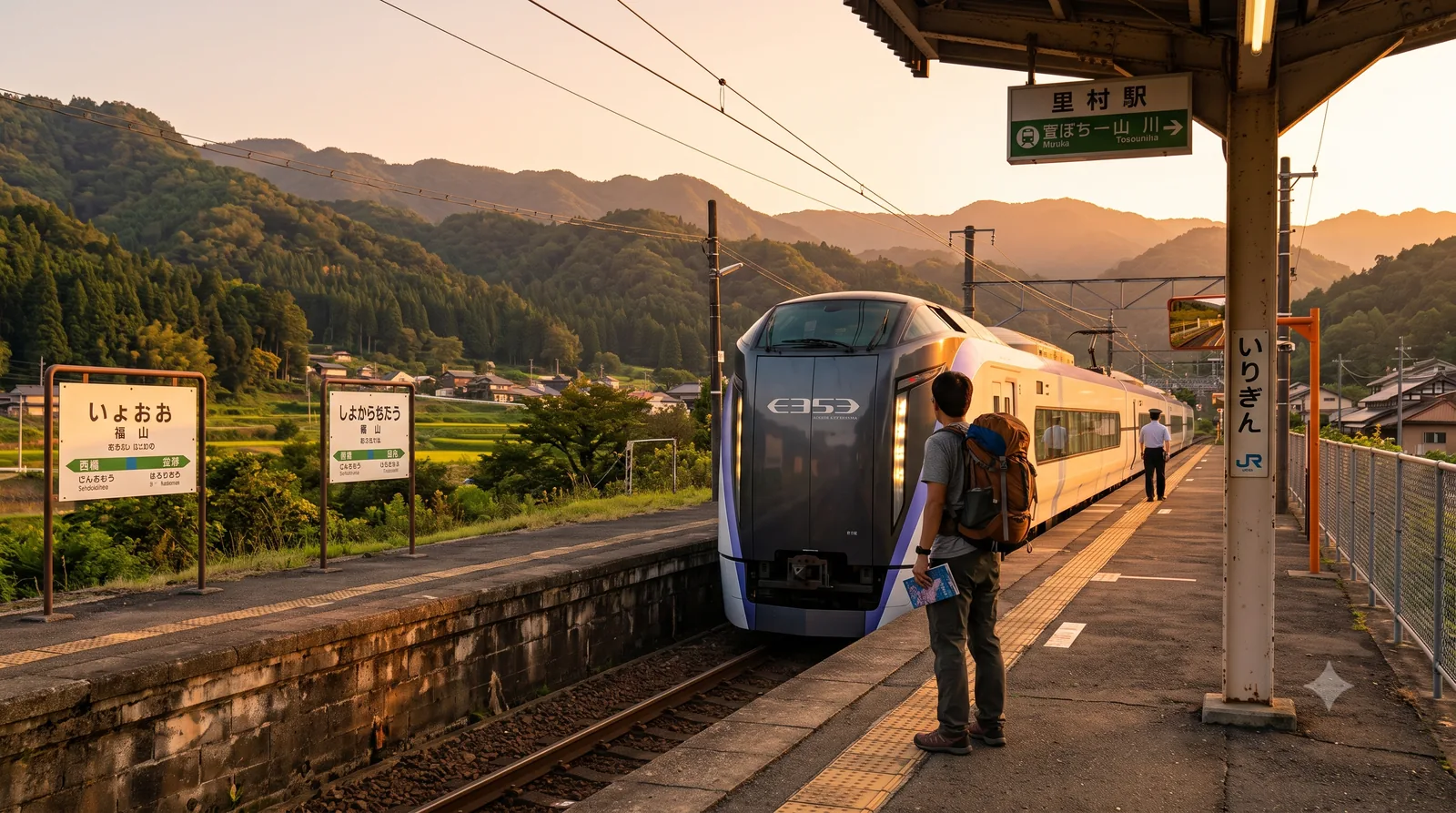
Suggested 5-Day Heritage Station Circuit
All three Important Cultural Property stations are reachable from Japan’s Shinkansen network, making a JR Pass the most economical way to link them. Here is a practical 5-day circuit:
- Day 1–2 (Tokyo): Arrive at JR Tokyo Station — walk the Marunouchi facade, explore both dome interiors, visit the Tokyo Station Gallery
- Day 3 (Mojiko): Shinkansen Tokyo → Kokura (Hikari / Sakura, ~5.5 hrs) → local JR to Mojiko — half-day in Mojiko Retro district; overnight Kokura or Fukuoka
- Day 4 (Transit): Kokura → Hiroshima by Shinkansen → JR Limited Express Yakumo to Izumo City — overnight Izumo
- Day 5 (Taisha): Morning at Former Taisha Station & Izumo Taisha Grand Shrine → afternoon return via Hiroshima Shinkansen
JR Pass Coverage & Tips
The 14-day JR Pass is ideal for this circuit, covering all Shinkansen services (Hikari and Sakura; Nozomi and Mizuho require a surcharge without JR Pass), the JR Kagoshima Main Line to Mojiko, and the JR Yakumo Limited Express to Izumo City. The Ichibata Railway (local Izumo line) is not covered — purchase a separate local ticket (approx. ¥1,000).
Regional alternative: the JR West San’in Kinki Pass covers the Izumo–Hiroshima corridor and may offer better value if you are spending five or more days in western Japan. Staying online between stations is easy with an unlimited-data Sakura Mobile eSIM — handy for live train times and maps on the move.
-

-
Japan Rail Pass 2026: 7, 14 & 21-Day Prices + Shinkansen Rules
▶ Stage 2 — Getting Ready Japan Rail Pass 2026 — Prices, Which Shinkansen You Can Ride, and Whether …
続きを見る
All three stations sit on JR lines — buy your JR Pass before you land and ride unlimited Shinkansen and local trains between Tokyo, Kitakyushu, and Shimane.
Photography Tips & Best Times to Visit in 2026
Photography Tips & Best Times to Visit in 2026
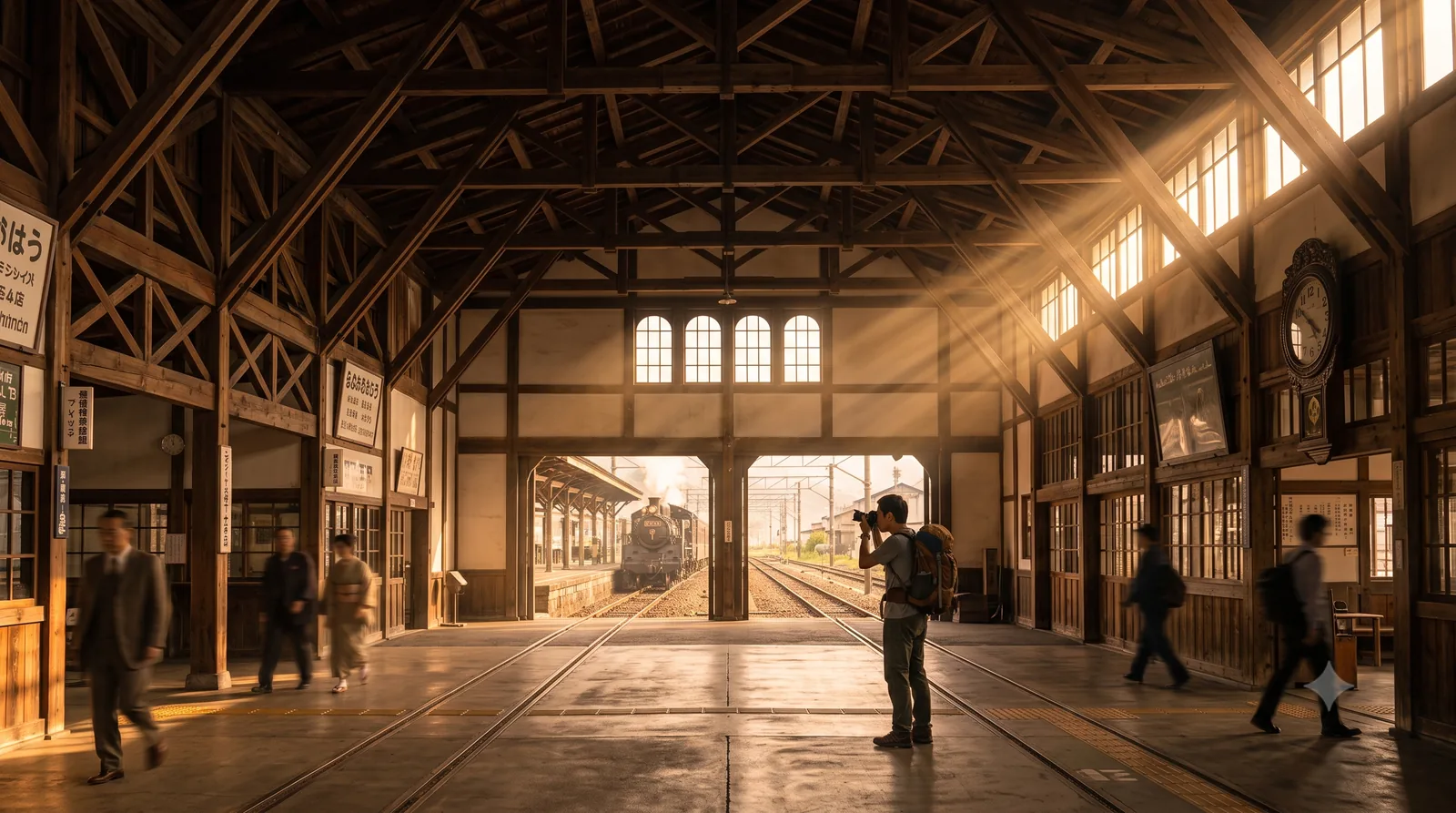
When to Visit Each Station
For Tokyo Station, arrive at the Marunouchi Exit by 7:30 am on a weekday for crowd-free facade shots. The illuminated night view from the Shin-Marunouchi Building observation area is best September through February when skies are clear. At Mojiko, late afternoon golden hour transforms the waterfront beautifully; weekend peak crowds run 11 am–2 pm. Former Taisha Station has no peak-hour rush — any clear morning works, with late October to mid-November adding Shimane’s vibrant autumn foliage as a backdrop.
What to Combine at Each Location
Each Important Cultural Property station sits within a cluster of other significant sites worth combining on the same day:
- Tokyo Station: 15-minute walk to Imperial Palace East Gardens; Nihonbashi historic bridge and Coredo Muromachi nearby
- Mojiko Station: 5-minute walk to Kanmon Strait viewpoint; passenger ferry to Shimonoseki’s Karato fish market and Akama Jingu shrine
- Former Taisha Station: 800m to Izumo Taisha Grand Shrine — one of Japan’s most sacred sites; Inasa-no-Hama beach (15 min) for sunset views
-

-
Cultural Experiences Japan 2026 — Kimono, teamLab & Food Tours
▶ Stage 3 — Experiences Cultural Experiences Japan 2026 — Kimono, teamLab & Food Tours cultural …
続きを見る
Japan’s cultural heritage runs far deeper than its train stations — explore temple stays, tea ceremonies, and traditional craft workshops.
Frequently Asked Questions
Photo credits: Tokyo Station Marunouchi building lit up on a rainy night: Dick Thomas Johnson, CC BY 2.0 (Wikimedia Commons)