Kyushu Travel Guide 2026 — Nagasaki, Fukuoka, Kumamoto & Kagoshima Highlights
Kyushu Travel Guide 2026 — from Nagasaki’s Battleship Island to Fukuoka’s rooftop yatai food stalls, Kumamoto Castle, Sakurajima in Kagoshima, and the hot spring “hells” of Beppu in Oita, this guide brings together the highlights and access details for every corner of Kyushu in one place.
- What Is Kyushu? — Getting There from Tokyo & Osaka
- Nagasaki — A Port Town with Exotic Charm and Battleship Island
- Fukuoka — Rooftop Yatai Food Stalls and the Buzz of Hakata
- Kumamoto — Kumamoto Castle and the Grandeur of Mount Aso
- Kagoshima — The Spectacle of Sakurajima and Sand-Steaming Onsen at Ibusuki
- Oita — Beppu’s Hot Spring “Hells” and Yufuin Onsen
- Frequently Asked Questions
What Is Kyushu? — Getting There from Tokyo & Osaka
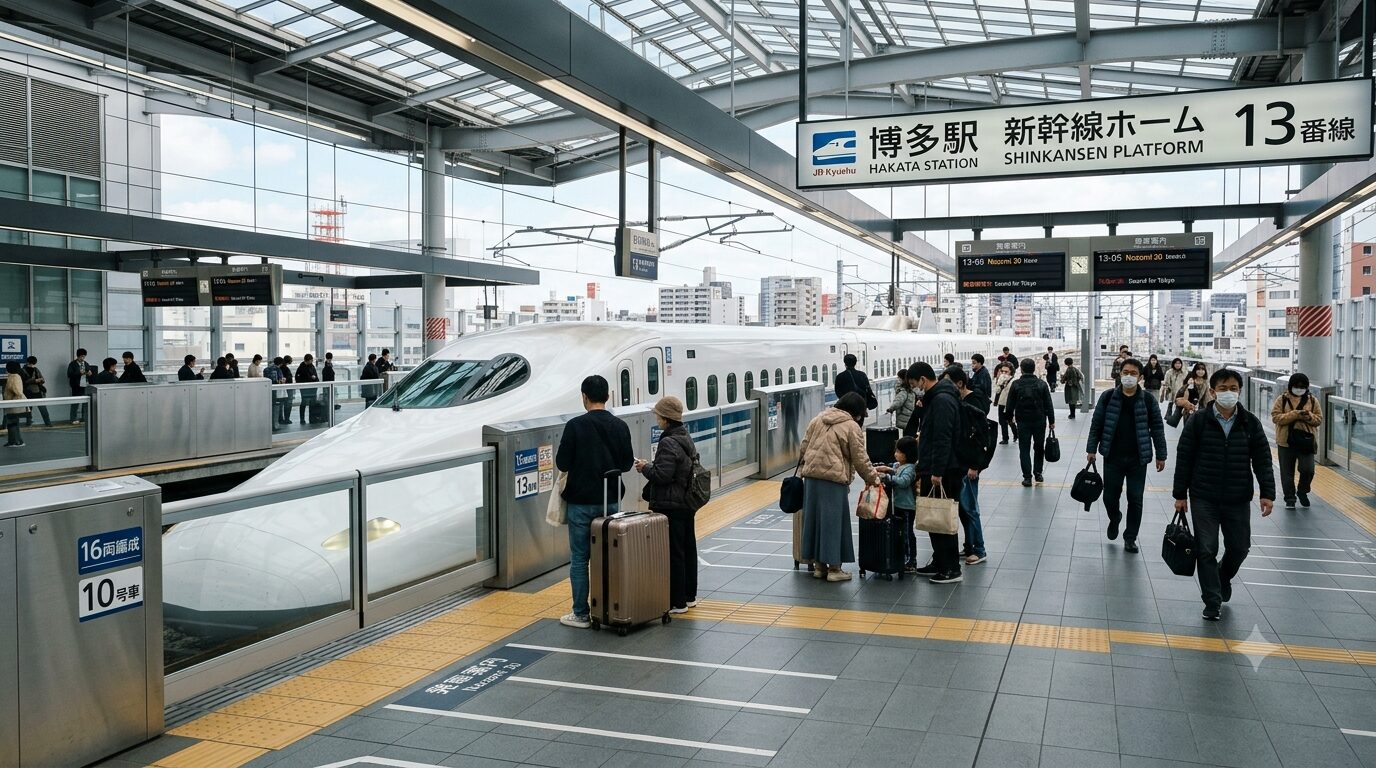
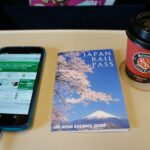
This guide focuses on the practical information English-speaking travelers need most. Kyushu is Japan’s third-largest island, sitting in the southwest of the country, with its own history, food culture and hot-spring traditions. From Tokyo, the Nozomi and Mizuho Shinkansen get you to Fukuoka (Hakata) in about 5 hours, or you can fly into Fukuoka Airport in around 2 hours. From Osaka, the Sakura and Hikari Shinkansen take about 2.5 hours, making access easy as well. Direct flights into Kumamoto Airport or Kagoshima Airport can cut travel time further depending on your destination. With a Whole Japan Rail Pass, you get unlimited rides on Shinkansen services other than the Nozomi and Mizuho, which makes it easy to build an itinerary that loops from Hakata out to Nagasaki, Kumamoto and Kagoshima. Buying your JR Pass before you leave, then arranging a pocket WiFi or eSIM once you land, means you can rely on map apps and translation apps with confidence in regional areas too — and that makes a real difference to how smoothly the whole trip runs.
A classic first-time route for exploring Kyushu runs 5–6 days: Day 1 in Fukuoka for food and city sightseeing, Day 2 in Nagasaki for a Battleship Island tour and a stroll through its exotic port-town streets, Days 3–4 taking in Kumamoto Castle and the natural scenery around Mount Aso, Day 5 in Kagoshima experiencing Sakurajima and a sand-steaming onsen, and — time permitting — wrapping up with the hot springs of Beppu and Yufuin in Oita. Using Hakata Station as your base also makes it easy to plan each city as a day trip or overnight stay.
Get around Kyushu’s Shinkansen network for less with a Whole Japan Rail Pass
-
-
Japan Rail Pass 2026 — Is It Worth It? Complete Guide
▶ Stage 2 — Getting Ready Japan Rail Pass 2026 — Complete Guide to Prices, Types & Buying The J …
続きを見る
Nagasaki — A Port Town with Exotic Charm and Battleship Island
Nagasaki developed from the Edo period as Japan’s only port town open to the outside world, and its streets still carry that exotic, cosmopolitan character today. Chief among its sights is Gunkanjima (Hashima Island, “Battleship Island”), part of the UNESCO World Heritage listing “Sites of Japan’s Meiji Industrial Revolution.” Once a thriving undersea coal-mining community, the island was abandoned in 1974 and now stands as a striking cluster of ruined reinforced-concrete apartment blocks with a presence all its own. Join a landing tour by chartered boat from Nagasaki Port and you can view the former residential ruins and mining facilities up close. One thing worth knowing in advance: weather can prevent landing, in which case the tour becomes cruise-only. Tours run in morning and afternoon slots and generally take around 3 hours; even a cruise-only visit lets you take in the striking sight of the ruins from the water. Beyond the island, Nagasaki has plenty of spots that capture its history of cross-cultural exchange and its food culture — Dejima, Oura Church, Glover Garden, and Chinatown specialties like champon and sara udon among them. In the evening, it’s worth heading up to the Mount Inasa observation deck, whose night view of Nagasaki has been named one of the “New Three Great Night Views of the World.” Nagasaki Station also has plenty of tram and bus connections, so you can cover all the city’s main sights using public transport alone.
Gunkanjima (Hashima Island) Landing Cruise Tour
-
-
Hidden Gems Japan 2026 — Secret Spots Beyond the Tourist Trail
▶ Stage 4 — Go Deeper Hidden Gems in Japan 2026 — Secret Spots Beyond the Tourist Trail These hidden …
続きを見る
Fukuoka — Rooftop Yatai Food Stalls and the Buzz of Hakata
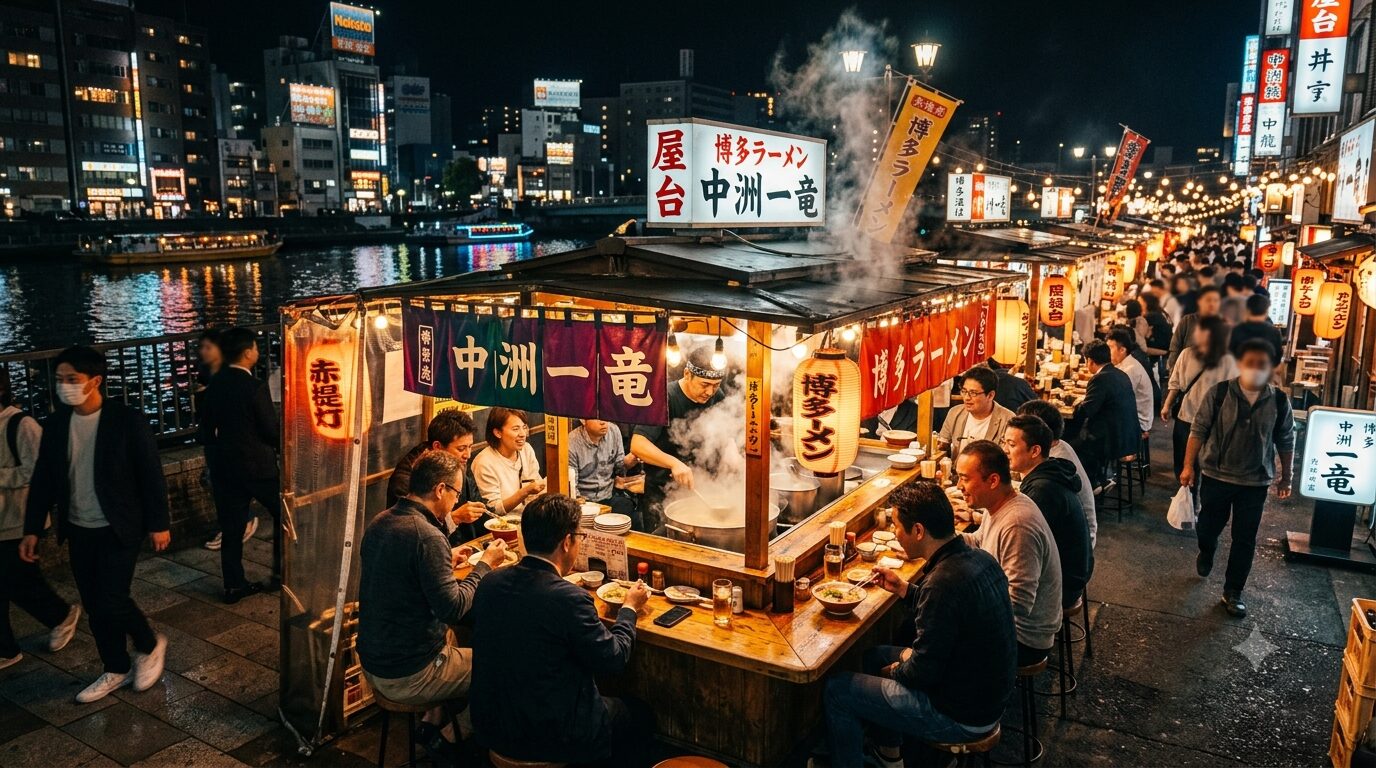
As the gateway to Kyushu, Fukuoka is known as a food city. In the Nakasu and Tenjin areas, yatai food stalls line the streets after dark, drawing crowds of locals and visitors alike. The signature dish, Hakata ramen, is known for its thin noodles and rich tonkotsu (pork bone) broth — ordering kaedama (a noodle refill) is the classic way to finish the bowl. Mentaiko (spicy cod roe), motsunabe hotpot and mizutaki are also local specialties not to be missed. Fukuoka Castle ruins and Ohori Park let you enjoy the changing seasons right in the middle of the city, and both make for pleasant strolling. Hakata Station is also the starting point of the Kyushu Shinkansen, making it a highly convenient base for reaching Nagasaki, Kumamoto and Kagoshima. Fukuoka Tower offers sweeping views over Hakata Bay and is a popular stop at the start or end of a trip. From the airport into the city center takes only about 10 minutes by subway — some of the best airport access anywhere in Japan.
-
-
Hidden Gems Japan 2026 — Secret Spots Beyond the Tourist Trail
▶ Stage 4 — Go Deeper Hidden Gems in Japan 2026 — Secret Spots Beyond the Tourist Trail These hidden …
続きを見る
Kumamoto — Kumamoto Castle and the Grandeur of Mount Aso
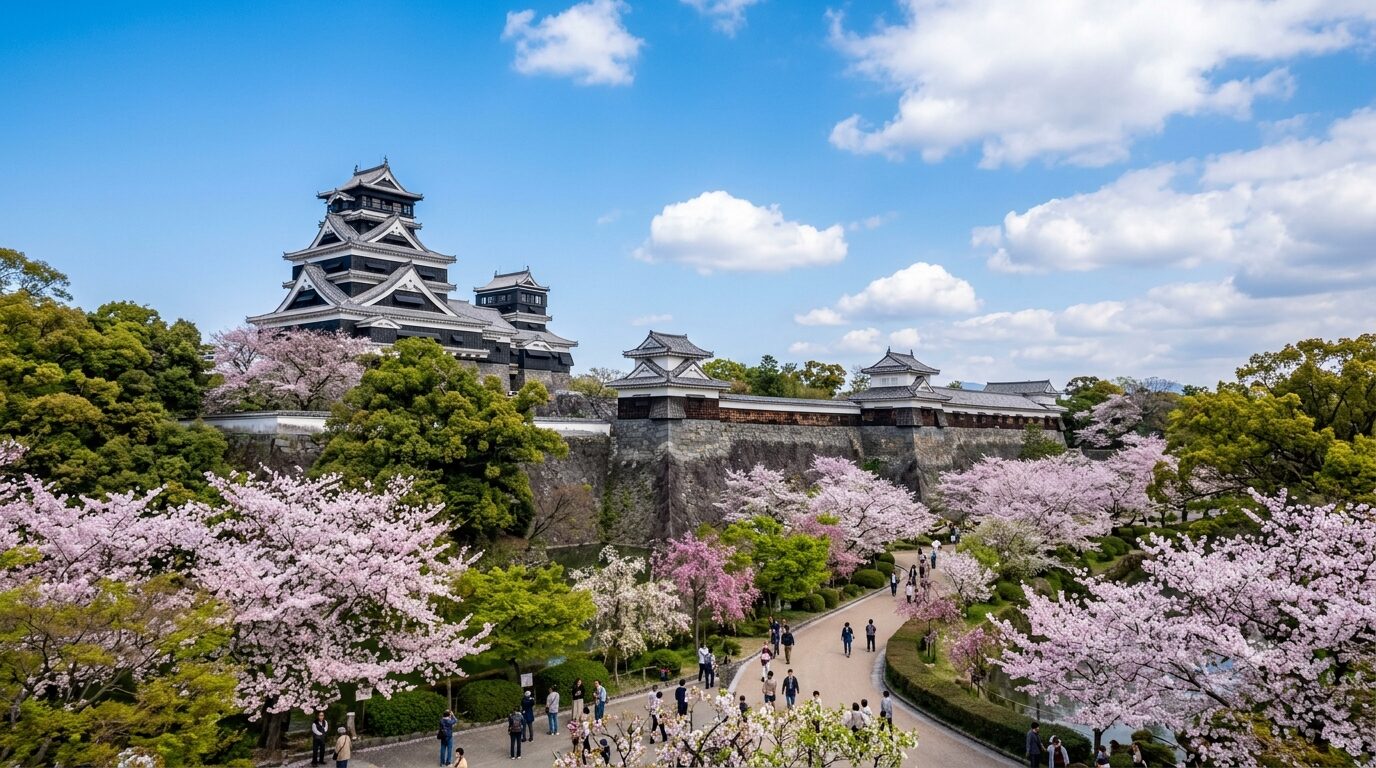
Kumamoto Castle, the city’s symbol, suffered heavy damage to its stone walls and buildings in the 2016 Kumamoto earthquake, but restoration of the main keep has progressed steadily and it remains a major draw for travelers today. A special viewing area lets you watch the restoration work up close, offering a rare chance to learn about the history of disaster response and recovery. The area around the castle is dotted with shops selling goods featuring the popular mascot Kumamon, making it a great spot for souvenir hunting too. To the east of the city, Mount Aso is an active volcano with one of the world’s largest calderas; within Aso Kuju National Park’s sweeping grasslands you can enjoy trekking or a scenic drive along the crater road. Restrictions around the crater can change depending on volcanic activity, so it’s worth checking the latest information before you go. The city also has plenty of Kumamoto specialties worth trying, including basashi (horse sashimi) and Kumamoto ramen with its distinctive black garlic oil — food alone is reason enough to visit. From Fukuoka’s Hakata Station, it’s about 35–50 minutes by Kyushu Shinkansen, easily doable as a day trip.
-
-
History of Japan — From Samurai to Modern Society | Go Japan Now
About Japan · History History of JapanFrom Samurai to Modern Society The history of Japan spans over …
続きを見る
Kagoshima — The Spectacle of Sakurajima and Sand-Steaming Onsen at Ibusuki
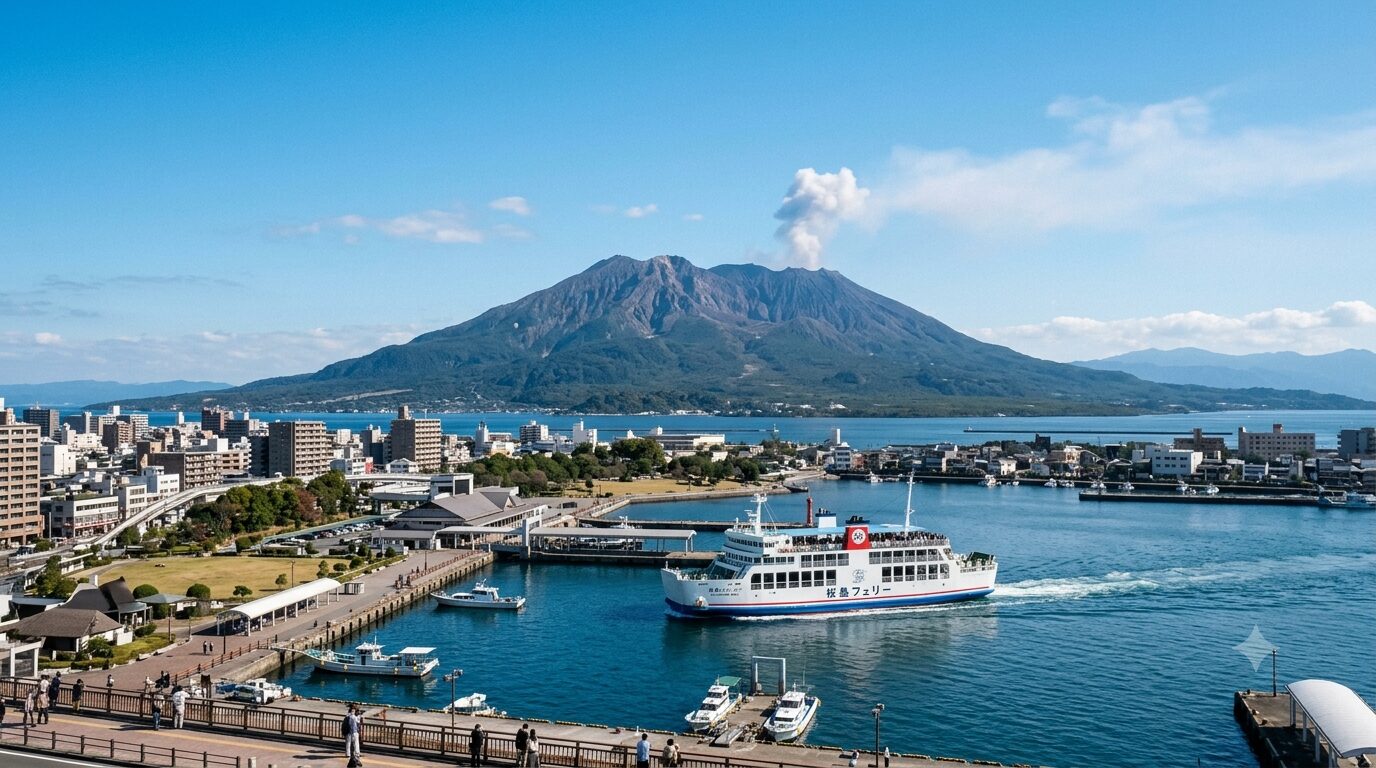
Kagoshima’s symbol is Sakurajima, the active volcano rising just across the water from the city center. It’s an easy trip from Kagoshima-Chuo Station — a ferry from the city’s Sakurajima Ferry Terminal takes only about 15 minutes and offers a rare chance to see the volcano still venting smoke up close. Senganen Garden also offers stunning views over Sakurajima and Kinko Bay. South of Kagoshima city, Ibusuki Onsen offers an experience that’s rare even by world standards: sand-steaming baths. In this unique bathing method, you’re buried up to the neck — still in your yukata — in sand warmed by natural steam, said to gently warm you right through to your core. From Kagoshima-Chuo Station, it’s about an hour to Ibusuki by limited express on the Ibusuki-Makurazaki Line. Kagoshima also has plenty of local specialties, from black pork dishes to satsuma-age fish cakes, and its open, southern atmosphere as Kyushu’s southernmost major destination is part of its appeal too.
-
-
Hidden Gems Japan 2026 — Secret Spots Beyond the Tourist Trail
▶ Stage 4 — Go Deeper Hidden Gems in Japan 2026 — Secret Spots Beyond the Tourist Trail These hidden …
続きを見る
Oita — Beppu’s Hot Spring “Hells” and Yufuin Onsen
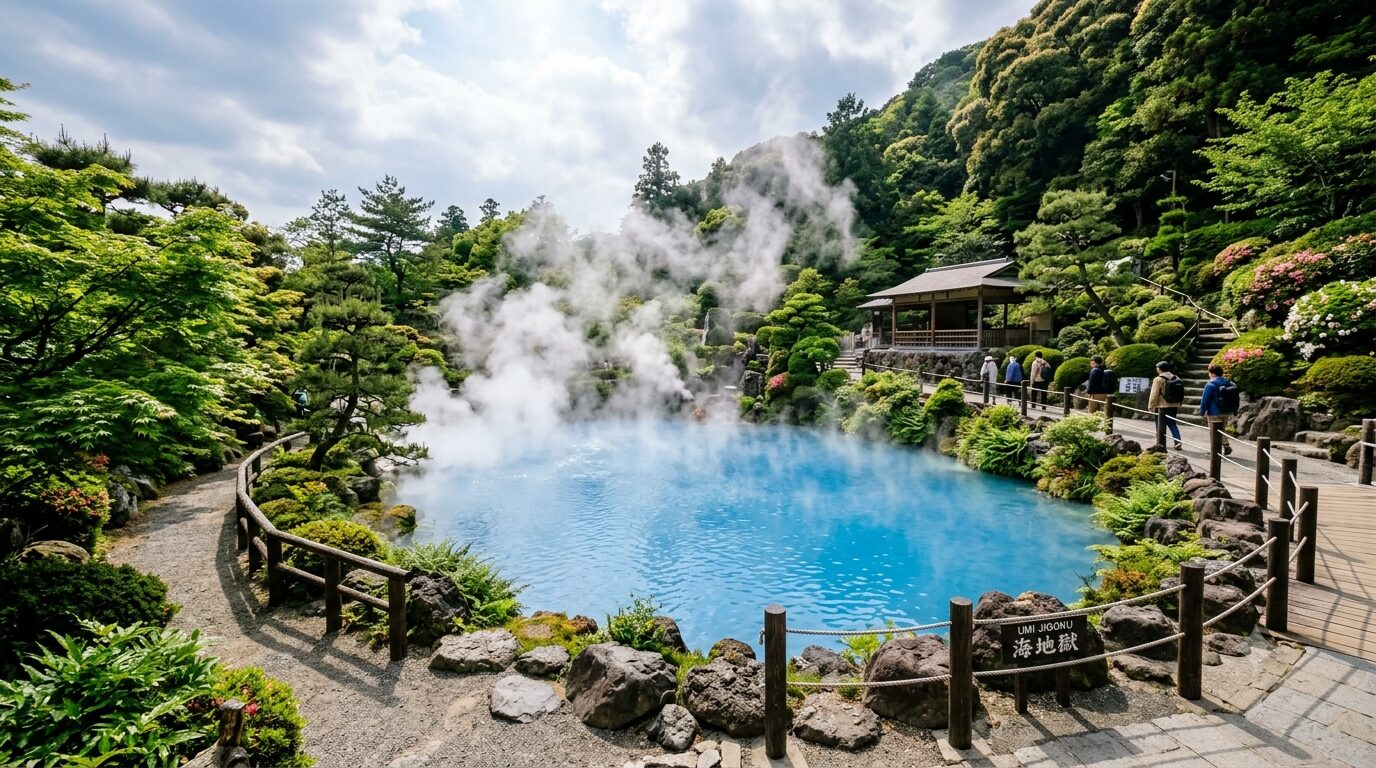
Beppu Onsen, with one of the highest hot-spring outputs anywhere in the country, represents Oita, Japan’s “kingdom of hot springs.” The Jigoku Meguri (“hell circuit”) — a tour of seven strikingly colored hot-spring pools, from the deep red of Chinoike Jigoku (“Blood Pond Hell”) to the vivid blue of Umi Jigoku (“Sea Hell”) — is a signature Oita sightseeing course. A little further afield, Yufuin Onsen offers stylish cafes and traditional inns, and a stroll around Lake Kinrin makes for a quiet, highland-resort kind of visit. Access is good too: about 2 hours by limited express from Fukuoka’s Hakata Station to Beppu, and about 2.5 hours on the “Yufu” limited express to Yufuin, and both are within day-trip range by bus from Fukuoka or Kumamoto — making Oita a great way to unwind with a proper soak at the end of a Kyushu trip.
Nagasaki’s exotic charm, Fukuoka’s food scene, Kumamoto’s history and nature, Kagoshima’s volcano and stunning onsen, and Oita’s hot-spring circuit — Kyushu is a region where every prefecture offers something completely different. Using Hakata as your base and connecting by Shinkansen and limited express, you can cover it all comfortably even on a first visit to Japan. Be sure to add Kyushu to your list of destinations for your next trip.
-

-
Japan WiFi, SIM & eSIM Guide 2026 — Stay Connected from Landing
▶ Stage 2 — Getting Ready Japan WiFi SIM eSIM 2026 — Stay Connected from the Moment You Land Japan W …
続きを見る