Japanese Etiquette Guide 2026 — Manners, Customs & Cultural Rules for Travelers
Mastering basic Japanese etiquette is the single fastest way to travel more smoothly, avoid awkward moments, and earn genuine smiles from locals. This 2026 guide covers bowing, dining, chopsticks, trains, temples, onsen, shopping and homestay rules — written for first-time visitors who want to fit in, not stand out.
- The 10 Quick Rules — If You Only Remember These
- Bowing, Greetings & Body Language
- Dining & Chopstick Etiquette
- Trains, Public Transport & Quiet Culture
- Temples, Shrines & Sacred Spaces
- Onsen & Public Bath Etiquette
- Shopping, Cash & Payment Etiquette
- Ryokan, Hotels & Homestay Etiquette
- Common Mistakes Foreign Visitors Make
- Pre-Trip Prep — The 3 Things to Set Up Before Departure
- Frequently Asked Questions
- Next Steps — Your Japan Etiquette Action Plan
The 10 Quick Rules — If You Only Remember These
The minimum-effort, maximum-respect cheat sheet
Most travelers worry they’ll commit some catastrophic offense in Japan. The truth: Japanese people are exceptionally forgiving of foreign visitors, and a smile plus a small bow covers 90% of awkward moments. But there are a handful of Japanese etiquette rules that do matter — break these and you’ll feel the room go cold.
First trip to Japan? Pair this guide with our first-timer’s checklist for a full 7-day prep.
| # | Rule | Why It Matters |
|---|---|---|
| 1 | Take shoes off at the genkan | Any step up at an entrance is the line between outside and inside. Wearing shoes past it is a serious breach. |
| 2 | Don’t tip — anywhere | Service is included. Tipping confuses staff and can feel demeaning. |
| 3 | Never stick chopsticks upright in rice | This is a funeral rite. Always rest them on the hashioki. |
| 4 | No loud phone calls on trains | Set your phone to manner mode. Even quiet talking is frowned upon. |
| 5 | Wash thoroughly before entering an onsen | The bath is for soaking, not cleaning. Tattoos may require a private bath. |
| 6 | Hand over money with both hands or use the tray | Cash trays exist for a reason. Never slap notes on the counter. |
| 7 | Don’t blow your nose in public | Sniffing is fine. Step outside or to a restroom to blow. |
| 8 | Bow when greeting, not handshakes | A small head bow is universal. Handshakes are reserved for international business. |
| 9 | Stand left on Tokyo escalators (right in Osaka) | Walking side and standing side reverse between regions. |
| 10 | Take trash with you | Public bins are rare. Carry a small plastic bag in your pocket. |
The “When in Doubt” Rule
Watch what locals do for three seconds and copy it. Japan’s social rhythm is observational — if everyone is quiet, you should be quiet. If everyone removes shoes, you should remove shoes. If everyone forms a perfect single-file line, you form a perfect single-file line. This single habit will solve most situations before you even open a guidebook.
The foundation of every social interaction in Japan
Bowing, Greetings & Body Language
The bow (お辞儀 / ojigi) is Japan’s universal greeting, apology, thank-you and farewell rolled into one motion. As a foreign visitor, you don’t need to master formal angles — just a slight head bow with a soft smile is more than enough for shop staff, hotel clerks, and casual encounters. The Japanese etiquette around bowing is more forgiving than guidebooks suggest.
The Four Bow Levels
Essential Greeting Phrases
| Japanese | Romaji | When to Use |
|---|---|---|
| こんにちは | Konnichiwa | “Hello” — daytime greeting |
| おはようございます | Ohayō gozaimasu | “Good morning” — before 11 AM |
| こんばんは | Konbanwa | “Good evening” |
| ありがとうございます | Arigatō gozaimasu | Polite “thank you” — your most-used phrase |
| すみません | Sumimasen | “Excuse me / I’m sorry” — works for almost any situation |
| 失礼します | Shitsurei shimasu | “Pardon the intrusion” — entering/leaving offices, taxis |
Body Language Don’ts
- No hugging strangers, even after a friendly meal — physical contact is rare
- Don’t point at people with your finger — use an open hand
- Avoid loud laughter or expressive gestures in formal settings
- The “OK” hand sign (thumb-forefinger circle) means “money” in Japan, not “okay”
- Eye contact during conversation is briefer than in Western cultures — don’t stare
Stuck on a phrase? Google Translate works only with data. Get reliable connection from arrival.
From izakaya to kaiseki — the table rules that matter
Dining & Chopstick Etiquette
Japanese dining etiquette is detailed but logical — most rules tie back to respect for the food, the cook, or the people sharing your table. The single biggest mistake foreign visitors make isn’t chopstick technique. It’s forgetting to say itadakimasu before the first bite.
Learn dining etiquette hands-on — Tokyo and Kyoto food tours include local table manners coaching.
The Opening & Closing Ritual
Before eating, place hands together and say 「いただきます」 (Itadakimasu) — literally “I humbly receive.” After finishing, say 「ごちそうさまでした」 (Gochisōsama deshita) — “Thank you for the feast.” Both phrases acknowledge everyone in the food chain, from the farmer to the chef. Skipping them isn’t catastrophic, but using them earns immediate goodwill.
Chopstick Rules — The Critical Ones
FUNERAL RITES
DO THIS
Drinking Etiquette at Izakaya
- Never pour your own drink — pour for others, and they’ll pour for you
- When someone pours, hold your glass with both hands as a thank-you
- Wait for kanpai (cheers) before the first sip — even on a casual night
- Lower your glass below seniors’ glasses when clinking — a sign of respect
- “Slurping” noodles is actively encouraged for ramen and soba — cools the noodles and signals enjoyment
- Don’t blow your nose at the table — step away
The Tipping Question — Settled Forever
Don’t tip. Anywhere. Ever. Not at restaurants, hotels, taxis, salons or bars. Service charges are built into the price, and tipping is often actively refused — staff may chase you down the street to return forgotten “change.” At high-end ryokan, a small amount in an envelope for your room attendant is occasionally acceptable, but even this is optional. If you want to show appreciation, a sincere arigatō gozaimasu and a small bow is worth more than money.
Why Tokyo’s morning commute is the quietest in the world
Trains, Public Transport & Quiet Culture
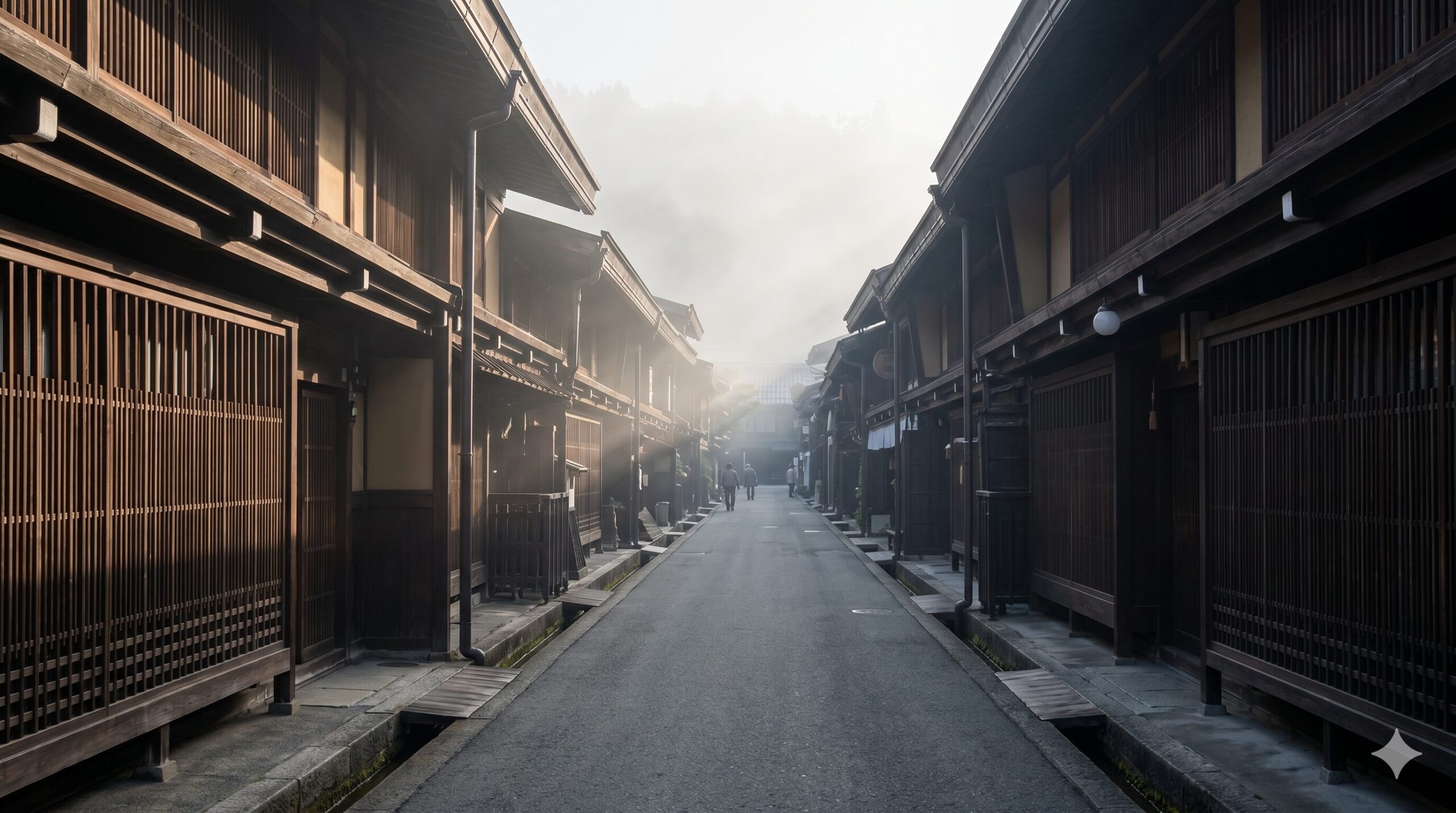
Japan’s trains are precision machines, and the social contract that keeps them efficient is as important as the timetables. Within 30 minutes of using the JR network you’ll notice the silence — no phone calls, no loud conversations, no music leaking from headphones. This isn’t a rule posted on signs. It’s a deeply ingrained Japanese etiquette baseline that all locals participate in by default.
Planning to ride trains 4+ days? The JR Pass pays for itself fast — buy before arrival.
The Golden Rules of Japanese Trains
| Rule | Detail |
|---|---|
| Manner mode | Set phone to silent. Most signs literally say “manner mode” — it’s the universal term. |
| No calls | Taking phone calls on trains is considered rude. Step off if urgent. |
| Backpack in front | Wear backpacks on your chest during rush hour to save space and avoid hitting others. |
| Priority seats | Vacate immediately for elderly, pregnant, disabled, or parents with small children — even if there’s no sign. |
| Queue lines | Painted footprints on platforms show where to stand. Form single-file lines. |
| Let passengers off | Stand to either side of the door and let everyone exit before boarding. |
| No eating | Local trains and subways — no. Shinkansen and limited express — yes (ekiben culture). |
| Women-only cars | Marked in pink, typically during morning rush hour. Men should respect the signs. |
Escalator Rule — Tokyo vs Osaka
Officially, JR East and many rail operators now ask people to stand on both sides and not walk for safety reasons — but local custom still dominates. Watch the person in front of you and copy them.
Taxi Etiquette
- Don’t touch the rear door — it opens automatically
- Sit in the back-left seat (Japanese cars are right-hand drive)
- No tipping — show the destination on a map or address card
- Drivers may wear white gloves and bow as you leave — return a small bow
Riding trains is half of any Japan trip. Pair this with our full transportation guide before you book.
Visiting Shinto shrines and Buddhist temples respectfully
Temples, Shrines & Sacred Spaces
Japan has roughly 80,000 Shinto shrines and 75,000 Buddhist temples. Most welcome casual visitors — and most have unwritten rules that locals follow automatically. As a foreign traveler, your job is to be quietly observant, not to perform every ritual perfectly.
Want to learn proper shrine etiquette and pray with locals? Kyoto temple walking tours show you the customs in context.
Shrine Visit — The Step-by-Step Ritual
Bow at the torii gate
The torii marks the boundary between mundane and sacred space. A small bow before entering is the standard sign of respect.
Walk on the side of the path
The center is reserved for kami (the gods). Walk to the left or right of the main pathway.
Purify at the temizuya
Use the ladle to rinse your left hand, then right, then pour water into your left hand to rinse your mouth (don’t drink from the ladle). Finally tilt the ladle vertically to rinse the handle.
Offer money and pray
Drop a coin (5-yen coins are traditionally lucky) into the offering box. Ring the bell if there is one. Bow twice, clap twice, pray silently, bow once more — the “ni-rei ni-hakushu ippai” pattern.
Exit with another bow
Turn around at the torii and bow one final time before leaving.
Temple (Buddhist) — Slightly Different
- No clapping at Buddhist temples — only bow and pray silently
- Many temples ask for shoe removal at main halls — look for shelves at the entrance
- Don’t touch statues, paintings or ritual items
- Photography rules vary — outside is usually fine, but inside halls often prohibited
- Speak in whispers, especially during prayer services
What Not to Do
- Don’t touch sacred ropes (shimenawa) or sacred trees
- Don’t eat, drink or smoke inside temple grounds
- Don’t take selfies in front of inner sanctuaries
- Don’t enter rope-marked areas — they’re sacred boundaries, not pathways
The single most-misunderstood part of Japanese travel
Onsen & Public Bath Etiquette
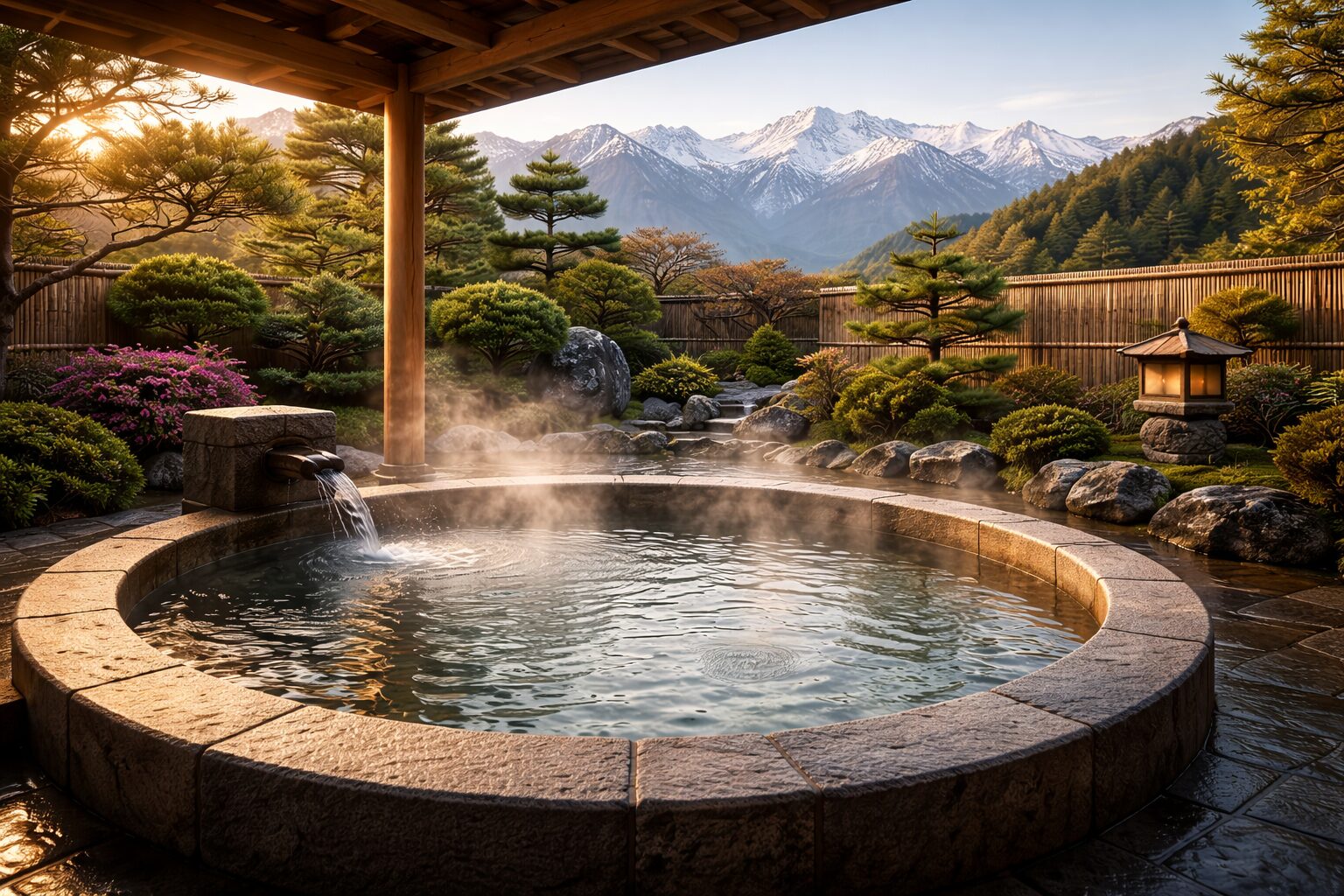
If there’s one space where breaking Japanese etiquette rules creates real friction, it’s the onsen. Public bathing is a centuries-old social ritual with strict hygiene expectations — and unlike a temple, where locals will smile politely at your fumbles, the onsen demands you get the basics right.
Onsen lockers don’t have outlets. Reliable mobile data lets you research tattoo policies and ryokan check-in times on the go.
The Non-Negotiables
| Step | What to Do |
|---|---|
| 1. Get fully naked | No swimsuits. Onsen are gender-separated and full nudity is mandatory. |
| 2. Wash thoroughly first | Use the seated shower stations. Soap, rinse, repeat — until completely clean. |
| 3. Small towel only | The modesty towel stays out of the water — fold it on your head or place it by the bath edge. |
| 4. Enter slowly | Sit on the edge first, then slide in. No diving, no splashing. |
| 5. No swimming or talking loudly | Soak quietly. This is meditation, not a pool party. |
| 6. Hair tied up | Long hair must not touch the water. Hair ties are usually provided. |
| 7. Towel-dry before re-entering changing room | Dripping water into the locker area is a breach of etiquette. |
The Tattoo Question
Tattoos remain associated with yakuza in older Japanese custom, so many onsen still ban them outright. This is changing — many tourist-area onsen and most hotel “dai-yokujo” baths now allow tattoos or provide cover stickers. Strategies that work:
- Search for “tattoo-friendly onsen” — there’s a growing public list
- Book a ryokan with a private bath (kashikiri buro) — costs slightly more but solves the issue
- Use cover stickers — sold at convenience stores in onsen towns
- Hotel spas in major cities are generally more lenient than rural onsen
Onsen vs Sento — Quick Difference
Why returning change is a ceremony in Japan
Shopping, Cash & Payment Etiquette
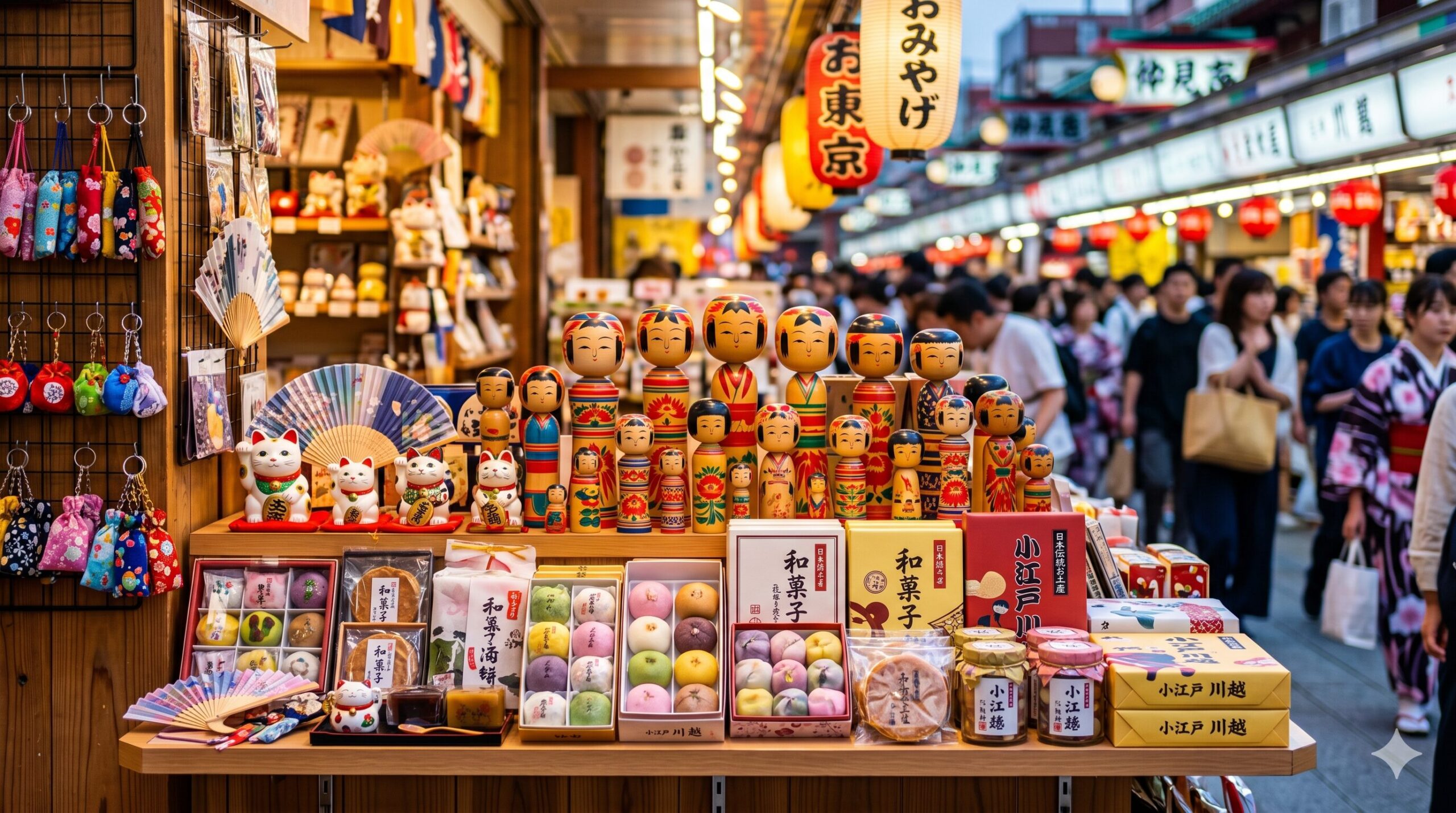
Japan’s customer service culture (お客様 / okyaku-sama) treats every visitor as an honored guest. The level of politeness can feel overwhelming — staff bowing as you enter, multiple thanks at the register, change presented on a tray with both hands. The expected response is simple: be calm, smile, and don’t try to over-perform back.
Most stores still prefer cash in 2026 — but IC cards and Apple Pay are accepted almost everywhere.
The Cash Tray (お金トレー)
At the register, you’ll notice a small tray (otsuri-zara) on the counter. Place your cash there — don’t hand it directly to the cashier. The cashier will count it, then return change either to the tray or with both hands and a slight bow. Receiving change from both hands directly is also fine, but the tray system is universal in convenience stores, supermarkets and most retail.
In-Store Etiquette
- Don’t open or unpack products before paying — even bottles of water
- If the store provides baskets, use them rather than carrying items by hand
- Many stores wrap purchases beautifully — accept this and don’t refuse the gift bag
- “Irasshaimase!” (welcome) is shouted at you on entry — no response needed, a small nod is fine
- Returns require the receipt and original packaging in pristine condition
- Sales tax (10%) is sometimes shown separately — tourist tax-free purchase requires a passport (¥5,000+ minimum)
Payment Methods — 2026 Reality
| Method | Coverage | Best Use |
|---|---|---|
| Cash | 100% | Always carry ¥10,000 minimum — small shops still cash-only |
| IC Card | 95% urban | Suica/Pasmo/ICOCA for trains, vending, convenience stores |
| Credit Card | 85% urban | Hotels, department stores, chain restaurants |
| Apple/Google Pay | 70% | Major chains, train stations, larger restaurants |
| QR codes (PayPay, etc.) | Domestic only | Not usable by foreign tourists without a Japanese bank account |
Slippers, futons and the unspoken indoor code
Ryokan, Hotels & Homestay Etiquette

Modern Western-style hotels in Tokyo and Osaka follow international norms — tip is still no, and standard hotel etiquette applies. The interesting Japanese etiquette challenges come at ryokan, capsule hotels and Airbnb/homestays, where you’ll encounter shoe-removal rules, yukata wearing, and shared bath schedules.
Book your ryokan early — the best traditional inns fill up months in advance for cherry blossom and autumn seasons.
The Slipper System — Critical to Master
REMEMBER
Ryokan Yukata Etiquette
- Wear your yukata to dinner, the onsen and around the inn — totally expected
- Wrap the left side over the right (right-over-left is for funerals)
- Tie the obi belt around your waist, not your hips
- For outdoor walks in the ryokan town, wear the yukata with the provided haori (jacket) and geta sandals
- Place worn yukata in the laundry basket, not on the futon
Sleeping on a Futon
- Don’t fold the futon yourself — staff will lay it out at night and fold it in the morning
- Don’t put your suitcase or shoes on the tatami
- Step around the futon, not on it
- If your room has a small lacquered table, drinks and snacks go there — not on the tatami floor
Hotel & Capsule Hotel Tips
- Check-in usually 15:00, check-out 10:00 or 11:00 — early arrival means luggage storage only
- Most hotels charge per person, not per room — declare correctly at check-in
- Capsule hotels have strict quiet hours (typically 22:00–06:00) — no phone calls inside the capsule
- Pay before getting your shower-room key at most capsule hotels
Choosing between ryokan, capsule, hotel and Airbnb? See our full where-to-stay decision guide.
The “small” things locals notice — and how to fix them in 5 seconds
Common Mistakes Foreign Visitors Make

None of these will get you ejected from anywhere — Japan is enormously tolerant of well-meaning tourists. But knowing them in advance turns mediocre interactions into memorable ones, and avoids the moment when you sense the room temperature drop and have no idea why.
KEEP
- Smiling and small bows
- Asking “sumimasen” before any question
- Using both hands when handing things over
- Saying “itadakimasu” before meals
- Standing quietly on trains
PROBLEM
- Loud English in restaurants
- Hugging shop staff or guides
- Treating cash like an afterthought
- Tipping despite refusal
- Eating ice cream while walking
TRY
- Lower voices in public
- Carry trash with you all day
- Bow slightly when entering a shop
- Use the cash tray
- Watch and copy locals first
Cultural Misreads to Avoid
- “Hai” doesn’t always mean yes — sometimes it means “I’m listening” or “I acknowledge you.” Watch body language.
- “Chotto…” means no — when a Japanese person says “a little…” with a worried face, that’s a polite refusal.
- Silence isn’t awkward — pauses in conversation are signs of thoughtfulness, not gaps to fill.
- Compliments are deflected — if praised, respond modestly (“iie iie”) rather than thanking confidently.
- Gifts are opened later — don’t unwrap a gift in front of the giver; thank them and save it for privately.
Etiquette is easier when you’re not lost or offline
Pre-Trip Prep — The 3 Things to Set Up Before Departure
The fastest way to fail at Japanese etiquette isn’t actually rudeness — it’s helplessness. A traveler who can’t read a sign, can’t translate a menu, or can’t find a bathroom inevitably ends up causing more inconvenience than someone who simply forgot to bow. Three preparations solve 80% of friction before you land.
The Three-Step Etiquette Toolkit
Connectivity — eSIM or pocket WiFi from day one
Without data, you can’t read signs, translate menus, look up tattoo-friendly onsen, or check shrine opening hours. This is your single highest-leverage purchase.
Translation app installed and tested before flight
Google Translate, DeepL, or Papago — pick one, install the offline Japanese pack, and practice scanning a Japanese menu before you arrive. The camera-translation feature is your secret weapon.
Cash in hand from the airport ATM
Withdraw at least ¥30,000 in your first 24 hours. 7-Eleven and Japan Post ATMs accept all major foreign cards. Cash is the great equalizer for any etiquette situation.
Real questions from first-time travelers
Frequently Asked Questions
From reading this guide to landing at Narita
Next Steps — Your Japan Etiquette Action Plan
Understanding Japanese etiquette isn’t about memorizing a thousand rules — it’s about adopting one simple posture: observe, copy, smile. Get those three things right, and you’ll travel through Japan more smoothly than 90% of foreign visitors. Locals will respond with warmth that genuinely surprises you.
For deeper preparation, pair this guide with our first-time-in-Japan checklist, the transportation guide, and the WiFi & eSIM comparison. Three reads and you’re ready.
▶ Stage 1 — Planning First Time in Japan 2026 — Plan Your First Trip in 4 Choices Pick your season, … 続きを見る ▶ Stage 2 — Getting Ready Japan Travel Tips 2026 — Sort Data, Money, Manners & Safety Pick how … 続きを見る

First Time in Japan: The Ultimate 2026 Guide for First-Time Visitors

Japan Travel Tips & Hacks — Your 2026 Planning Hub | Go Japan Now