Michelin Green Guide San’in — Three-Star Adachi Museum Garden, Izumo Taisha, the Tottori Dunes and All 30 Starred Sights
San’in has exactly one three-star entry in the Michelin Green Guide: the Japanese garden of the Adachi Museum of Art in Yasugi, Shimane (2015 edition). Izumo Taisha, the Tottori Sand Dunes, Nageiredo and Matsue hold two stars, and the 2020 edition added the Oki Islands and Yushien. Here is every star with its edition, and how to travel a region that stretches almost 300 km.
- What the Michelin Green Guide is — 30 starred sights in San’in
- Three-star: the Japanese garden of the Adachi Museum of Art
- Two-star Izumo Taisha
- Matsue, Lake Shinji and the Oki Islands
- Tottori — the sand dunes and Nageiredo at Mt. Mitoku
- Iwami Ginzan, Hagi and Tsuwano, and model routes by length
- Michelin Green Guide San’in — FAQ
What the Michelin Green Guide is — 30 starred sights in San’in
One three-star and nine two-star entries, spread across 300 km
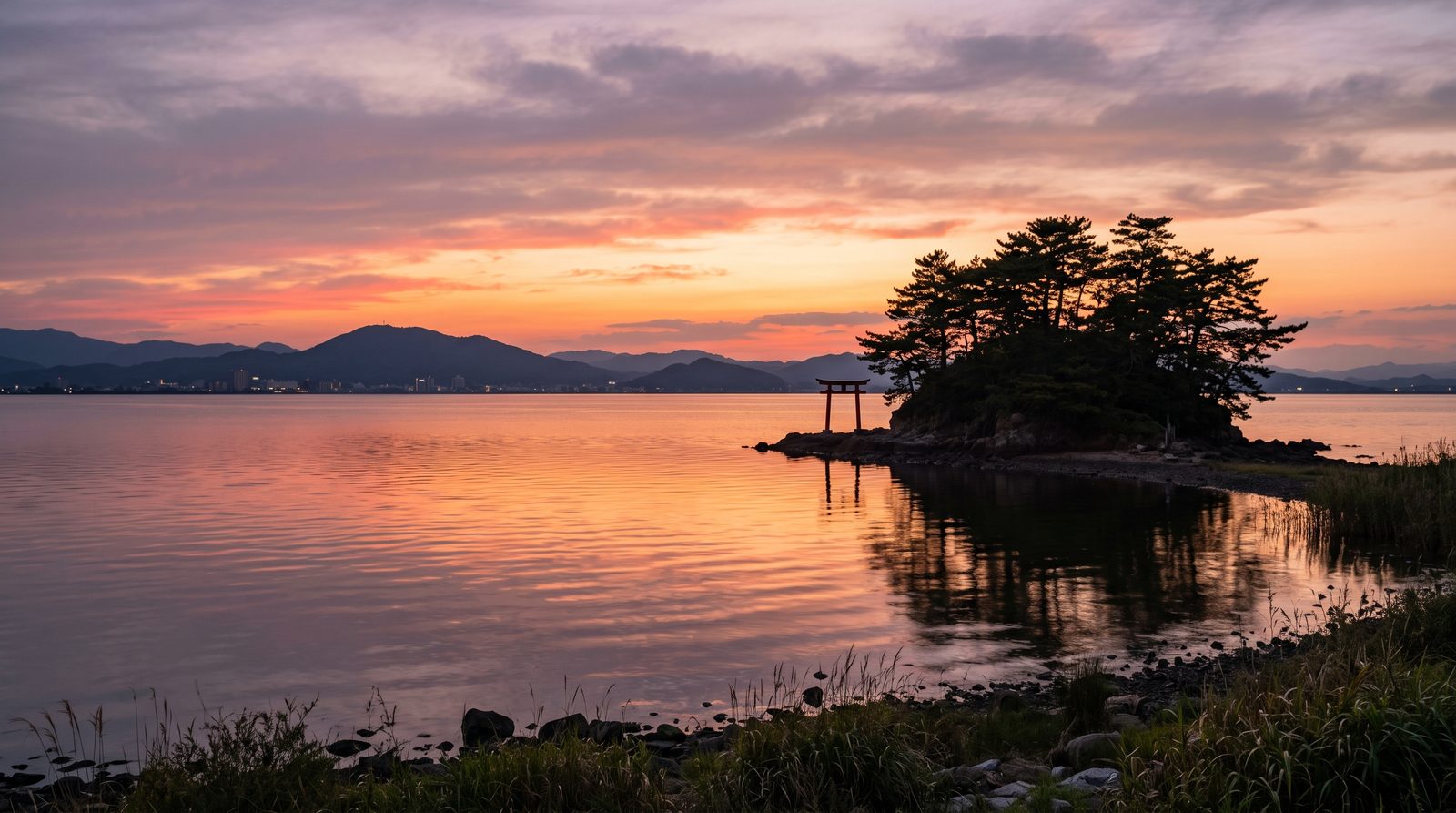
This is the Michelin Green Guide (Le Guide Vert), which rates destinations rather than restaurants. The Japan edition is published in France: the 4th edition in 2015, the 6th in 2020, and the current one in 2025. Every star below is given with the edition that awarded it.
| Rating | Meaning | San’in |
|---|---|---|
| ★★★ | Worth a special journey | 1 sight |
| ★★☆ | Worth a detour | 9 sights |
| ★☆☆ | Interesting | 20 sights |
San’in here means the Sea of Japan side: Tottori and Shimane prefectures, plus Hagi and Tsuwano in Yamaguchi. From the dunes in the east to Hagi in the west is close to 300 km — over four hours by limited express. The stars concentrate in Shimane, around Yasugi, Matsue and Izumo, so on a first trip the efficient shape is to base yourself in Matsue for several nights and day-trip east and west.
Our guide to Japan’s quieter regions covers San’in too.
Sakura Mobile: live connection times for San’in’s infrequent trains and buses.
-

-
Hidden Gems Japan 2026 — Secret Spots Beyond the Tourist Trail
▶ Stage 4 — Go Deeper Hidden Gems in Japan 2026 — Secret Spots Beyond the Tourist Trail These hidden …
続きを見る
San’in’s only three-star entry is a garden you look at, not one you walk
Three-star: the Japanese garden of the Adachi Museum of Art
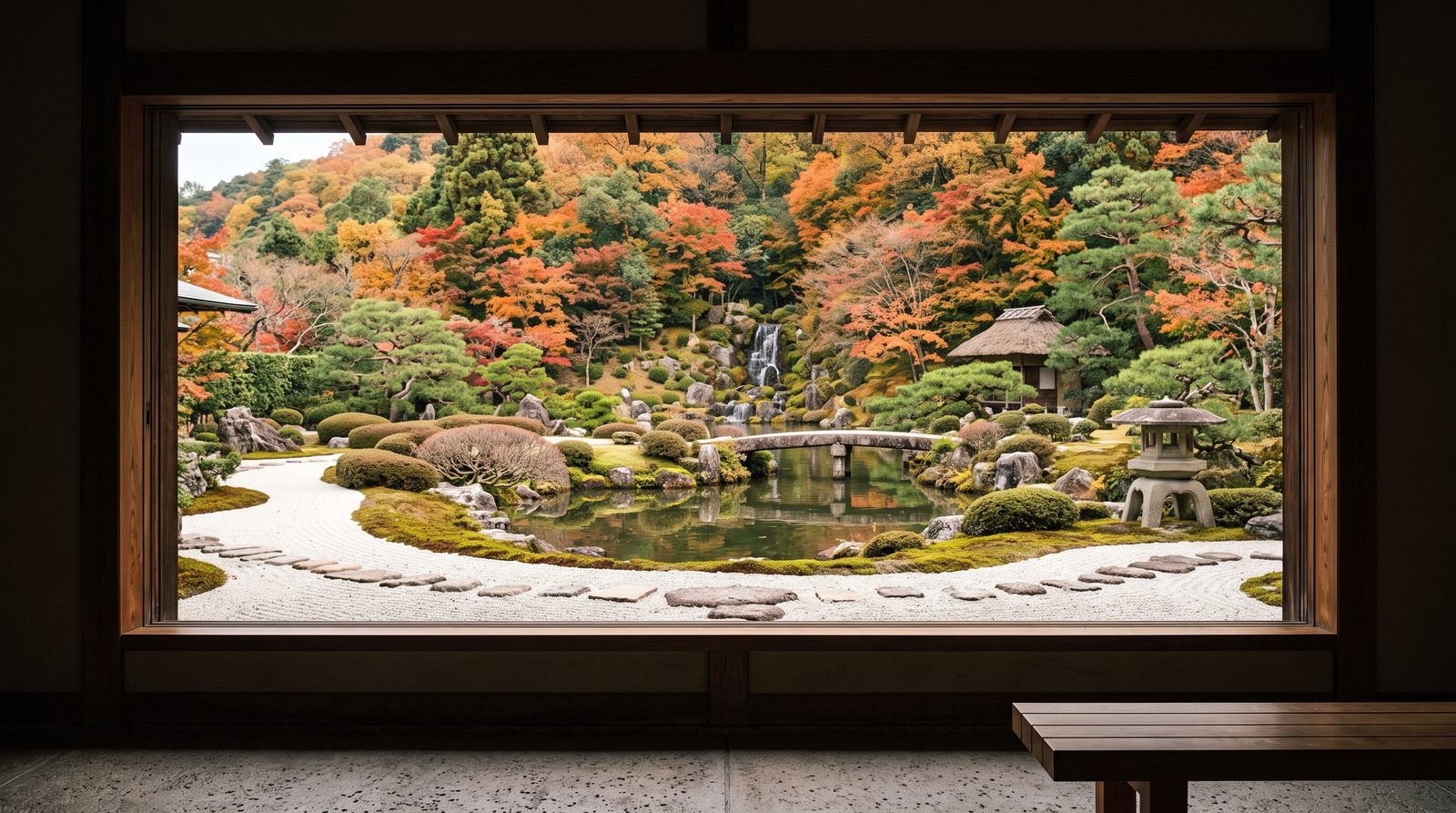
In the 2015 edition the Japanese garden of the Adachi Museum of Art is three-star and the museum itself two-star. The businessman Zenko Adachi opened it in Yasugi in 1970, and its roughly 165,000 m² of grounds — dry landscape garden, white gravel and pine garden, pond garden — are designed to be seen through the building’s windows and glass. A US journal of Japanese gardens has ranked it the best in Japan for more than twenty years running.
This is not a garden you enter and walk. It is built to be viewed from inside, with each window framing the view like a living hanging scroll. The design borrows the mountains behind as part of the scene, so weather and season change it completely. November colour and snow days are the most popular.
Inside, the museum holds a collection of the modern painter Yokoyama Taikan. Between garden and paintings, allow two to three hours. A free shuttle runs from JR Yasugi Station in about 20 minutes, and from Matsue it is an easy half-day return.
-

-
Cultural Experiences Japan 2026 — Kimono, teamLab & Food Tours
▶ Stage 3 — Experiences Cultural Experiences Japan 2026 — Kimono, teamLab & Food Tours cultural …
続きを見る
The shrine where all Japan’s gods are said to gather in the tenth lunar month
Two-star Izumo Taisha
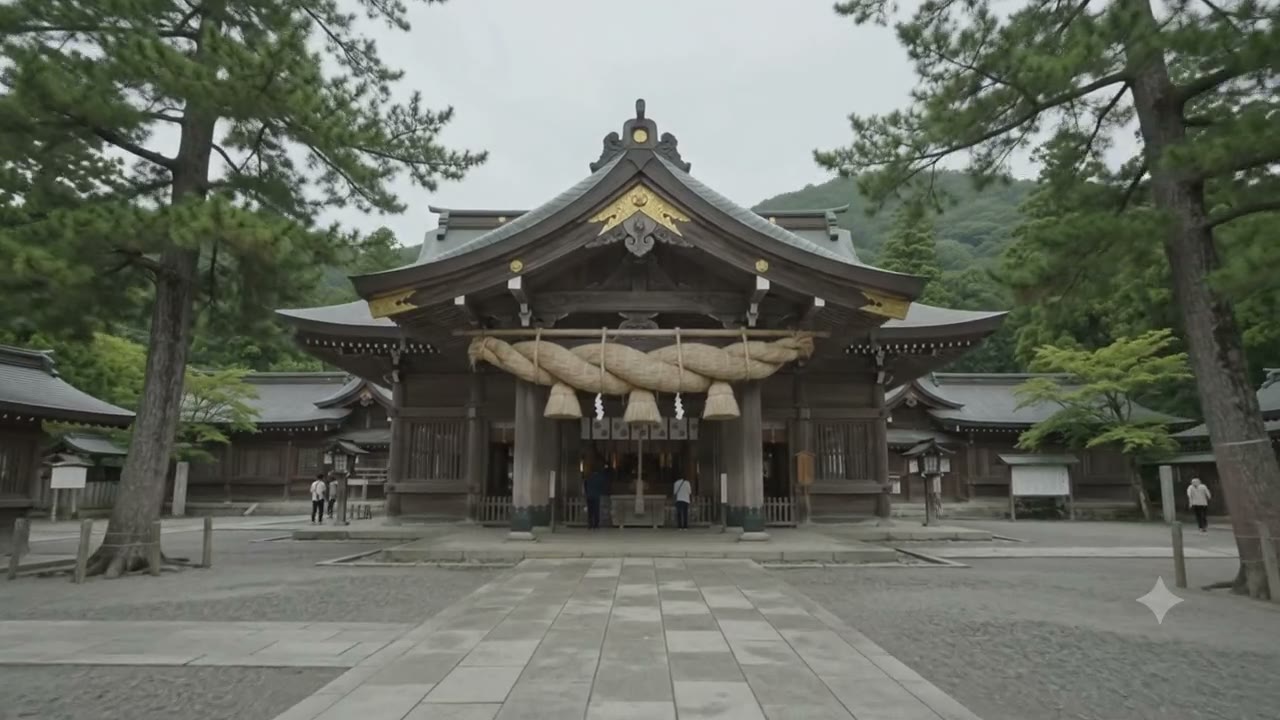
Izumo Taisha is two-star in the 2015 edition. It enshrines Okuninushi, the deity of marriage ties, and its main hall is a National Treasure. In the tenth lunar month all the gods of Japan are said to gather here, which is why Izumo alone calls that month Kamiarizuki, “the month with gods”, rather than the usual “month without gods”.
The sight everyone stops for is the great shimenawa rope at the Kagura hall — about 13 m long and some five tonnes. The etiquette differs from other shrines too: here you bow twice, clap four times, and bow once. Next door, the Shimane Museum of Ancient Izumo displays the actual pillars that once supported a far taller main hall — worth seeing alongside the shrine.
It is about 25 minutes by Ichibata bus from Izumoshi Station. On the way back, the old Taisha Station building still carries the look of the years when pilgrims arrived by train.
The myths of Izumo Taisha make sense with a guide; book on Viator.
-

-
Japan’s Most Historic Train Stations: Tokyo, Mojiko & Taisha — 2026 Guide
Enjoy 🚂 Important Cultural Properties · Taisho-Era Architecture · 2026 Guide Historic Train Stations …
続きを見る
The town is two-star; the 2020 edition added Yushien and Oki
Matsue, Lake Shinji and the Oki Islands
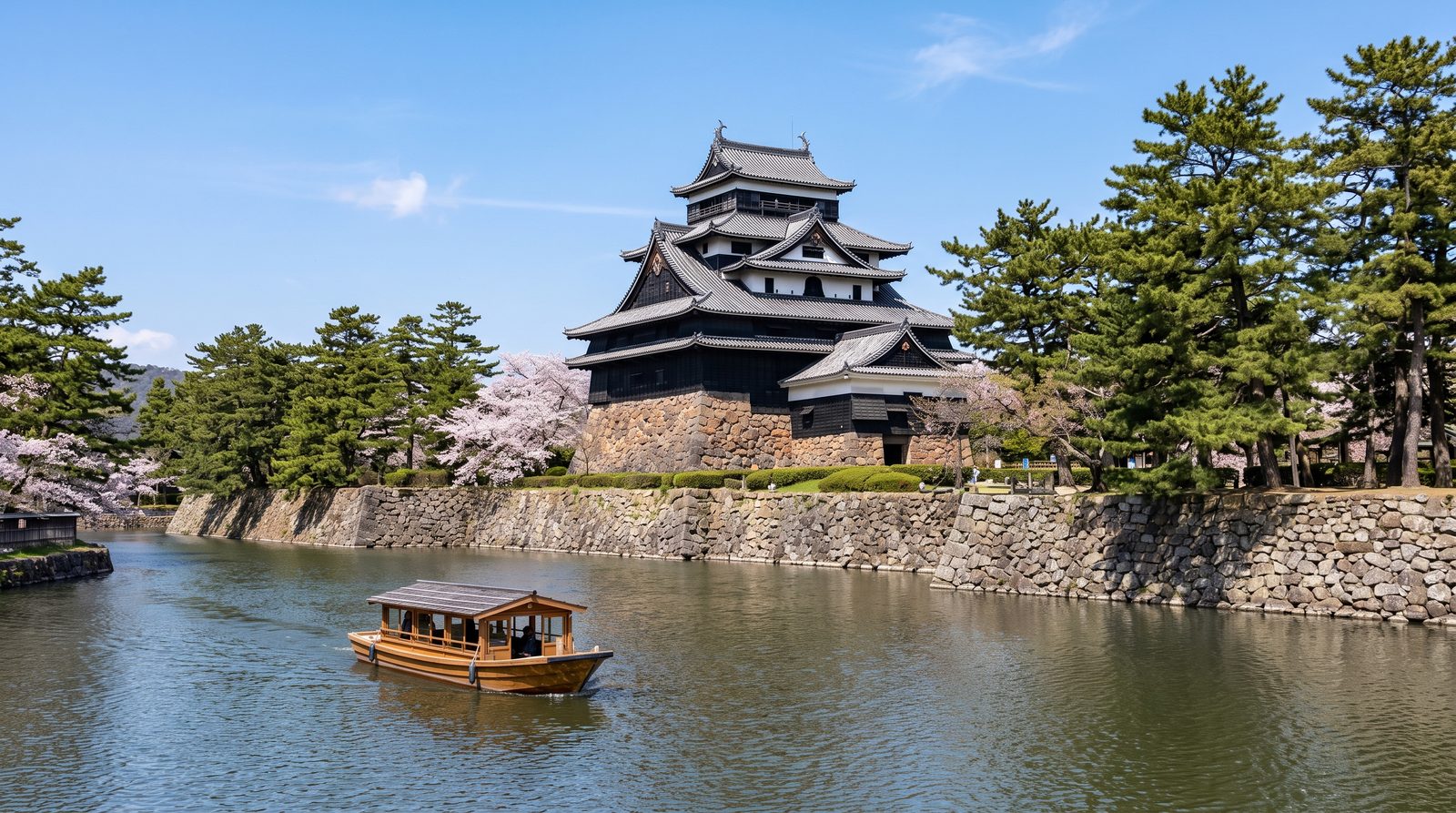
Matsue (★★☆), with the castle and the Lake Shinji sunset (★☆☆)
The 2015 edition makes the town of Matsue two-star, with Matsue Castle, the Shimane Art Museum and the sunset over Lake Shinji at one star. The castle is one of twelve original keeps surviving from the Edo period, designated a National Treasure in 2015. A small boat loops the moat past the samurai district, showing the town from the water. In the late afternoon, move to the lakeside in front of the art museum and time the sunset over Lake Shinji — that is the classic Matsue day.
Yushien (★★☆, 2020 edition)
A Japanese garden on Daikonshima in Nakaumi, two-star in the 2020 edition. It is known for showing the island’s speciality, tree peonies, year round, and in spring for floating thousands of the blooms across its pond. About 50 minutes by bus from Matsue Station.
The Oki Islands and Nishinoshima (★★☆, 2020 edition)
The 2020 edition gives two stars to the Oki Islands and Nishinoshima, and one to Dogo. The islands became a UNESCO Global Geopark in 2013. On Nishinoshima, the Kuniga coast runs below Matengai, a sea cliff about 257 m high, with cattle and horses grazing the grassland on top. Ferries and fast boats leave from Shichirui and Sakaiminato, so plan at least one night.
The 2020 edition also added the Mizuki Shigeru Road in Sakaiminato and the Tatara and Sword Museum in Okuizumo at one star. Both are day trips from Matsue.
-

-
Best Places to Visit in Japan 2026 | Go Japan Now
▶ Stage 4 — Go Deeper Best Places to Visit in Japan 2026 — Build Your Route, City by City Pick the r …
続きを見る
Two two-star entries: one you walk across, one you climb to
Tottori — the sand dunes and Nageiredo at Mt. Mitoku
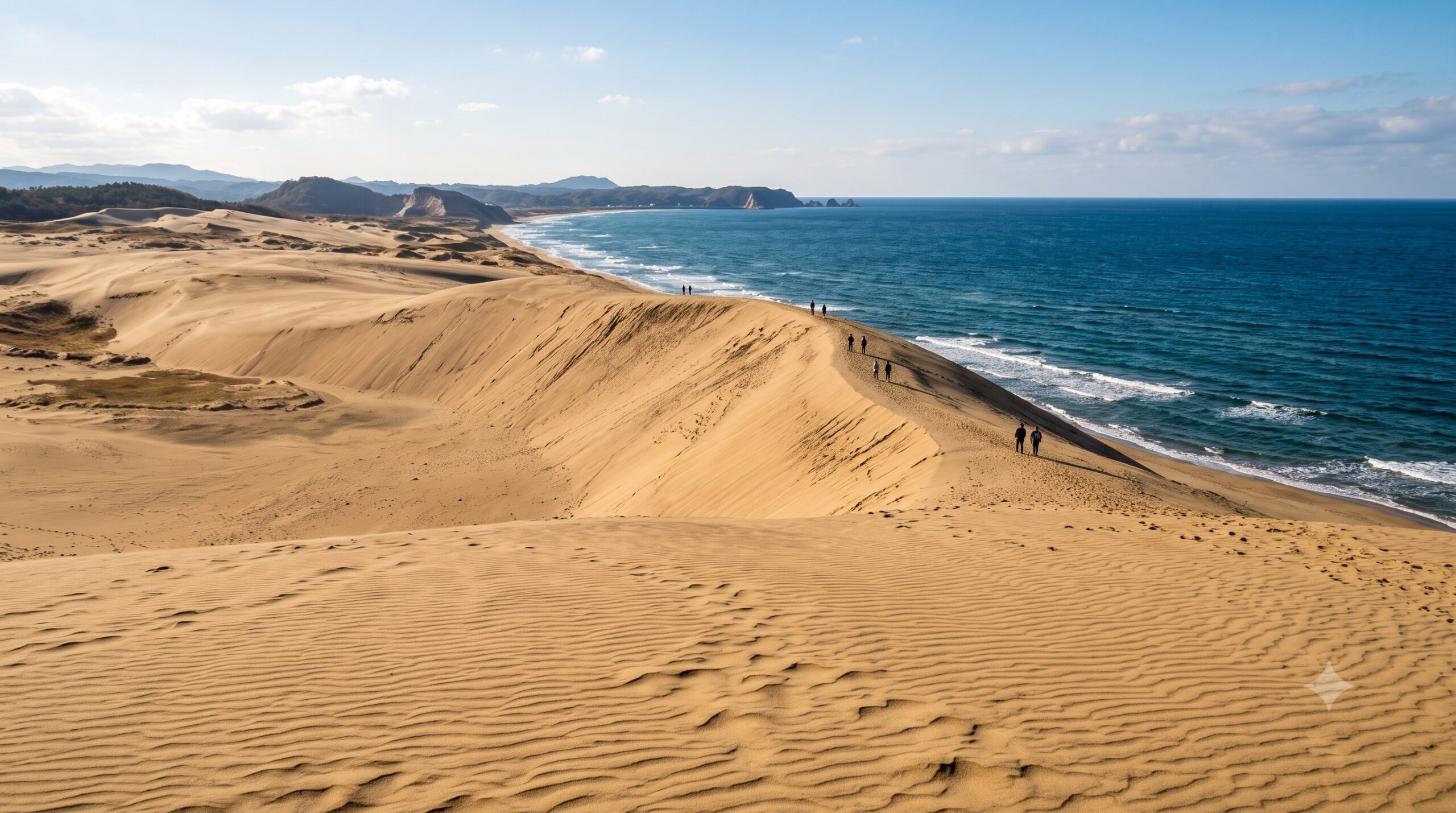
The Tottori Sand Dunes (★★☆) and the Sand Museum (★☆☆, 2020 edition)
The Tottori Sand Dunes are two-star in the 2015 edition. The coastal dune field runs about 16 km east to west, and the thing to climb is Uma-no-se, a sand ridge some 47 m high, with the Sea of Japan directly below on the far side. Sand swallows your feet, so wear shoes you do not mind ruining. The 2020 edition added the adjacent Sand Museum, where sculptors from around the world build in sand, at one star.
Nageiredo at Mt. Mitoku (★★☆)
Nageiredo is two-star in the 2015 edition and Mt. Mitoku one-star. This National Treasure hall sits in a hollow in a cliff face; nobody knows how it was built, hence the name, “the hall thrown in”. Seeing it requires a pilgrimage climb — a steep route hauling yourself up tree roots and chains. You cannot go up alone, your footwear is checked at the gate, and the route closes in winter and in bad weather. Allow about two hours return.
Also in the 2015 edition, Mt. Daisen — the highest peak in the Chugoku region — and the town of Tottori are one-star, and the 2020 edition added the white-walled storehouses of Kurayoshi and Fudoin Iwayado. The dunes and Kurayoshi fit into one day.
One more 2020 one-star: the Mitsu district of Kotoura. Plaster reliefs called kote-e, modelled by hand onto the walls of houses and storehouses, survive throughout the hamlet — craft work from the Edo period to the early Showa era, seen on foot. It is about 30 minutes by car from Kurayoshi, so the two make half a day together.
A Viator day tour links the dunes and nearby sights without a car.
-
-
Hidden Gems Japan 2026 — Secret Spots Beyond the Tourist Trail
▶ Stage 4 — Go Deeper Hidden Gems in Japan 2026 — Secret Spots Beyond the Tourist Trail These hidden …
続きを見る
The western stars are a World Heritage mine and two castle towns
Iwami Ginzan, Hagi and Tsuwano, and model routes by length
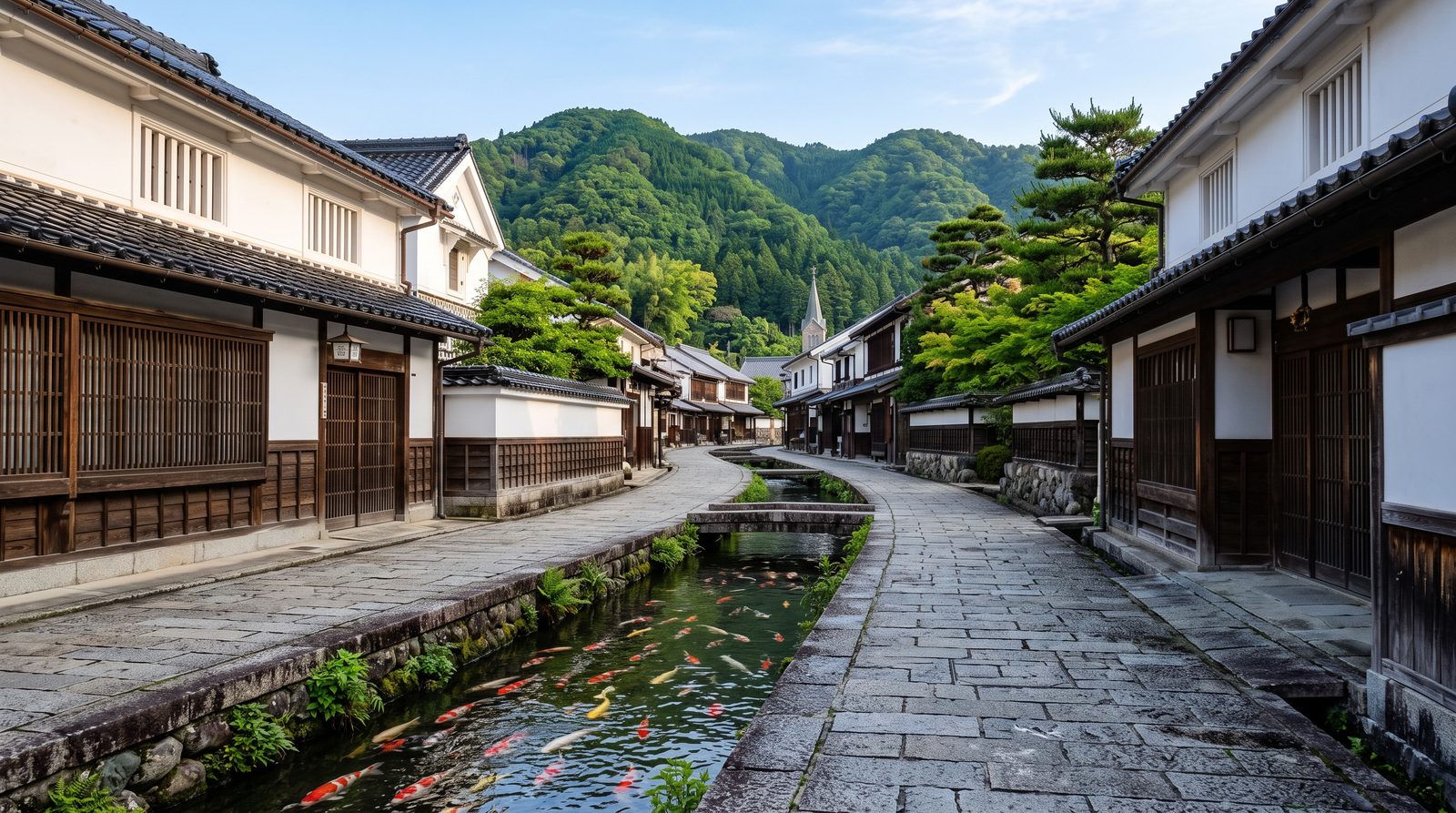
The 2015 edition gives one star to Iwami Ginzan and to Ryugenji Mabu, the shaft you can walk into. The silver mine became a World Heritage site in 2007; the shaft is about 40 minutes on foot from the old town, and a rental bicycle makes it easier.
In Yamaguchi, Hagi — the town, the temple quarter, the castle town and Horiuchi — is one-star, and the Hagi Uragami Museum, with its ukiyo-e and ceramics, is two-star (all 2015 edition). Tsuwano, called the little Kyoto of San’in, and the view from Tsuwano Castle are one-star as well. Hagi and Tsuwano are about an hour and a half apart by bus, so an overnight covers both.
| Days | Base | Main stars collected |
|---|---|---|
| 2 days | Matsue, two nights | Adachi Museum ★★★ · Izumo Taisha ★★☆ · Matsue ★★☆ · Lake Shinji sunset ★☆☆ |
| 3–4 days | Matsue + Tottori | Above, plus the dunes ★★☆ · Nageiredo ★★☆ · Kurayoshi ★☆☆ |
| 5–6 days | Matsue + Oki + Hagi | Above, plus the Oki Islands ★★☆ · Iwami Ginzan ★☆☆ · Hagi and Tsuwano |
The two main ways in are the Yakumo limited express from Okayama to Matsue and Izumoshi (about two and a half hours), and the Super Hakuto from Osaka and Kyoto to Tottori. The Yakumo is covered by the nationwide Japan Rail Pass, but the Chizu Express section the Super Hakuto runs on is not and costs extra. If you are looping San’in from Kansai, compare a JR West area pass against the nationwide one before you buy.
For Kansai, Sanyo and San’in, price the 7-day JR West All Area Pass.
Covering eastern Japan too? The nationwide Japan Rail Pass wins.
-

-
Japan Rail Pass 2026 — Is It Worth It? Complete Guide
▶ Stage 2 — Getting Ready Japan Rail Pass 2026 — Does It Pay Off? Pick and Buy in 4 Steps Check whet …
続きを見る
Michelin Green Guide San’in — FAQ
Which sight in San’in has three Michelin Green Guide stars?
The Japanese garden of the Adachi Museum of Art in Yasugi, Shimane, in the 2015 edition. It is the region’s only three-star entry.
How are Izumo Taisha and the Tottori Dunes rated?
Both are two-star in the 2015 edition, as are Matsue, the Adachi Museum itself, Nageiredo at Mt. Mitoku and the Hagi Uragami Museum.
Are these the current ratings?
Each star is given with the edition that awarded it. These are the ratings from the 2015 and 2020 editions, and they are reviewed with every edition.
Where should I base myself in San’in?
Matsue. The Adachi Museum, Izumo Taisha, Lake Shinji and Yushien are all day trips from there, which covers most of the stars. Add a night in Tottori or Kurayoshi if you want the dunes.
Can anyone go up to Nageiredo?
It requires a pilgrimage climb and you cannot go alone. Footwear is checked at the gate, and the route closes in winter and in bad weather, so allow both fitness and schedule margin.
Does the Japan Rail Pass cover San’in?
It covers JR lines including the Yakumo from Okayama to Matsue and Izumoshi. The Chizu Express section used by the Super Hakuto between Kansai and Tottori is not covered and costs extra.
-
-
Best Places to Visit in Japan 2026 | Go Japan Now
▶ Stage 4 — Go Deeper Best Places to Visit in Japan 2026 — Build Your Route, City by City Pick the r …
続きを見る
Star ratings: ★★★ worth a special journey / ★★☆ worth a detour / ★☆☆ interesting. Stars come from the 4th (2015) or 6th (2020) edition of the Michelin Green Guide Japan, as noted for each sight, and are reviewed with every edition. “Starred sights” counts every entry the guide awards stars to — including buildings inside a site, museum pieces, viewpoints and routes — so it is not a count of separate locations.